A doctor writes about “Being Mortal”

Atul Gawande, M.D., a prominent surgeon, writer, and public health advocate, has made significant contributions to health systems innovation and safer surgery globally. In “Being Mortal,” he discusses the challenges of elderly care and end-of-life care with compassion and insight. His other books offer compelling insights into medicine and human performance.

This post was updated July 10, 2021

Atul Gawande, M.D. , author of Being Mortal, is a surgeon, writer, and public health leader. He is a practicing endocrine surgeon at Brigham and Women’s Hospital and a professor at Harvard Medical School and the Harvard T.H. Chan School of Public Health.

He founded Ariadne Labs, a joint center for health systems innovation, and Lifebox, a nonprofit organization making surgery safer globally. He also co-founded CIC Health, which operates COVID-19 testing and vaccination nationally, and served as a member of the Biden transition COVID-19 Advisory Board.

Dr. Gawande writes for The New Yorker magazine and has written four New York Times best-selling books. He won two National Magazine Awards, AcademyHealth’s Impact Award for highest research impact on healthcare, a MacArthur Fellowship, and the Lewis Thomas Award for writing about science.

In 2021 he delivered the commencement address at Stanford University , from which he had graduated. In his speech he referenced the COVID-19 pandemic, calling it the third highest cause of death in 2020. He also told the graduates,

We are often most energized when we help others express their worth.

Atul Gawande

(This blog post features affiliate links that pay a small commission to this blog from purchases, without additional cost to you)

Being Mortal 

Medicine and What Matters in the End

In Being Mortal, Dr. Gawande explores the way most people now live, age and die and for the most part it’s not a pleasant prospect.

How we care for elderly people

As people age and lose independence due to frailness, illness, mental decline and poverty, they often also lose whatever is most important to them- their home, pets, hobbies, possessions. And these losses often occur to protect them from harm as they progress into assisted living centers, nursing homes and hospice.

Dr. Gawande describes how his  family in India expected  to care for their elderly relatives, which differed from what he saw happen when they immigrated to the United States. After becoming a physician, he recognized that our care of the elderly often robs them of the well-being that he sought to promote in his practice.

He wondered how it can be done differently. To find out, he interviewed people who are developing novel ways to provide care to older people, care that preserves their independence, dignity and choices while still keeping them safe and protected.

Most of us either have relatives or friends facing these decisions, or are facing them ourselves. If not now, we all will eventually. Whichever the case, this book shows

“how the ultimate goal is not a good death but a good life-all the way to the very end.”

Atul Gawande
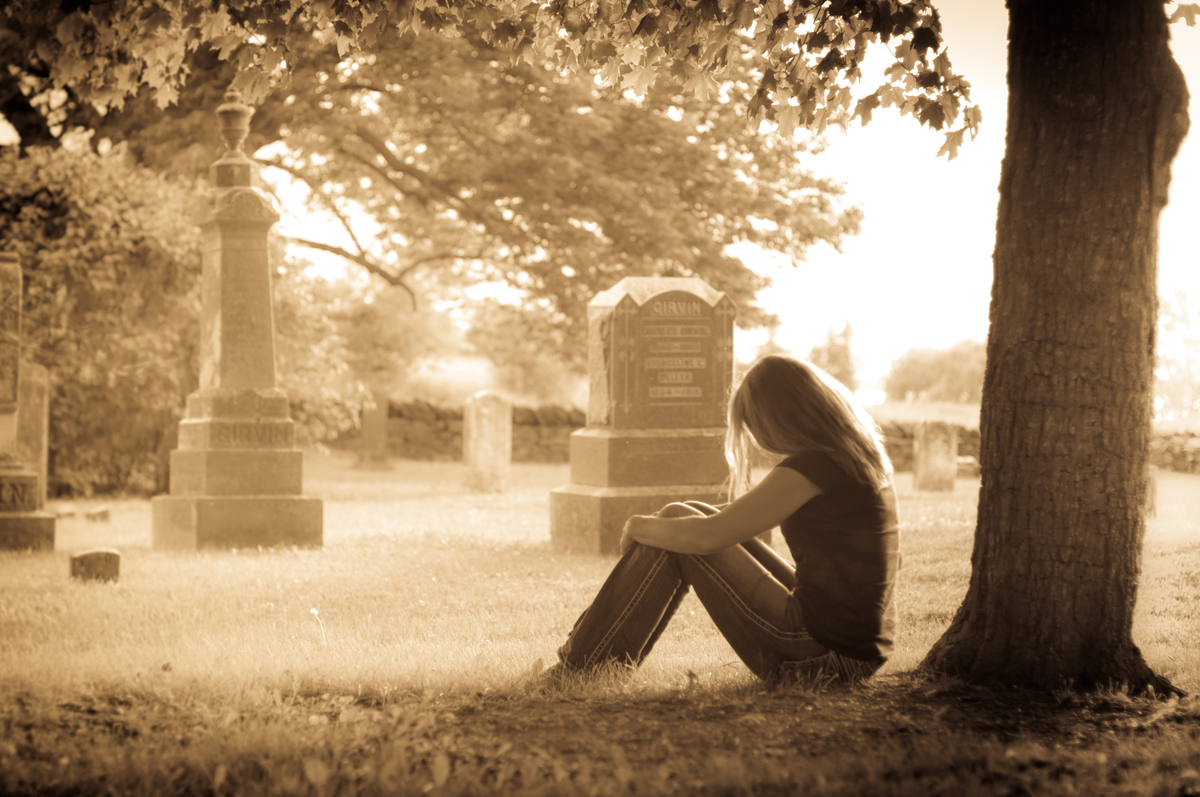
woman sitting in a cemetery
photo from the Lightstock.com collection, an affiliate link

How we care for dying people

Finally, Dr. Gawande discusses end -of -life care- that is, care when a disease has become terminal and a cure is no longer likely. Sometimes it is difficult to determine when that occurs. As he says, it is rare in medicine when there truly is “nothing more we can do”.

However, just because we can do something, doesn’t mean we should. Some treatments, rather  than extending life just prolong the suffering. Still it is heart wrenching for patients and families, along with their doctors, to decide that it is time to forgo treatment and instead opt for palliative care, with or without hospice.

(Palliative care focuses on symptom management and social and emotional support for patients and families.)

Dr. Gawande poignantly describes this process by sharing in detail his  father’s cancer diagnosis, treatment, progression, hospice care and death. He shows how difficult a process this can be, given that even he and his parents, all of whom are physicians, struggled to come to terms with the reality of terminal illness and the dying process. Though they were all familiar with and experienced in dealing with the medical system, they still felt unprepared to face the decisions required at the end of life. But in the end, both he and his father felt at peace with the outcome and Dr. Gawande senior did experience “a good life-all the way to the very end.”

Other books by Dr. Gawande

Complications : A Surgeon’s Notes on an Imperfect Science

In gripping accounts of true cases, surgeon Atul Gawande explores the power and the limits of medicine, offering an unflinching view from the scalpel’s edge. Complications lays bare a science not in its idealized form but as it actually is―uncertain, perplexing, and profoundly human.

Better: A Surgeon’s Notes on Performance 

The struggle to perform well is universal: each of us faces fatigue, limited resources, and imperfect abilities in whatever we do. But nowhere is this drive to do better more important than in medicine, where lives may be on the line with any decision.

Atul Gawande, the New York Times bestselling author of Complications, examines, in riveting accounts of medical failure and triumph, how success is achieved in this complex and risk-filled profession

The Checklist Manifesto:How to Get Things Right

Atul Gawande shows what the simple idea of the checklist reveals about the complexity of our lives and how we can deal with it.

Here is Dr. Gawande’s speech at the Stanford Commencement

sharing the HEART of health from birth to death

I’d love for you to follow this blog. I share information and inspiration to help you turn health challenges into health opportunities.

Add your name to the subscribe box to be notified of new posts by email. Click the link to read the post and browse other content. It’s that simple. No spam.

I enjoy seeing who is new to Watercress Words. When you subscribe, I will visit your blog or website. Thanks and see you next time.

Dr. Aletha

Most viewed post #5 -Driving Miss Norma- a book review

She did not write about cancer or fame- the two big themes of the trip for us. She did not write about the fear of dying or illness at all. Instead, she talked about life, living, and the things that brought her happiness

View post to subscribe to site newsletter.

The 5th most viewed post of 2017 was a book review. I think I was first attracted to this book by the title; it reminded me of one of my favorite movies, Driving Miss Daisy starring the late Jessica Tandy, Morgan Freeman, and Dan Aykroyd.

The plots are quite different but both stories are about an older woman and illustrated many of the same themes-family, friends, relationships, aging, illness, disability, and death. They both show how people do or don’t live life to the fullest.

Driving Miss Daisy was fiction but Driving Miss Norma is true, and her family keeps her story alive in this book and on social media. I’m glad so many of you  read this post, and are reading it now, and I hope you will  read the book.

Driving Miss Norma

One Family’s Journey Saying “Yes” to Living- a memoir

By Tim Bauerschmidt and Ramie Liddle

Harper Collins, 2017

(This post contains affiliate links.)

I first learned about Norma Bauerschmidt on Facebook when a friend shared a video about her. She was a 90 year old woman who decided to spend the last months of her life “on the road” travelling with her son in a motorhome. She was diagnosed with cancer but decided to forgo treatment so she could enjoy her remaining time.

I didn’t learn more about her until I saw this book.  I decided to read it, expecting a feel good entertaining read. The story turned out to be far more complex than the little I knew.

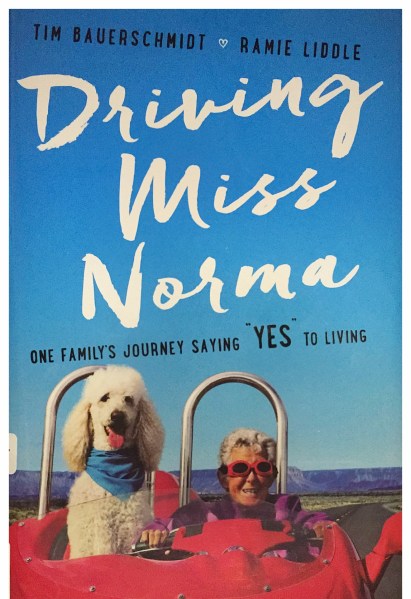
Driving Miss Norma - a book cover

Driving Miss Norma tells the story of Norma Bauerschmidt, a WWII WAVE veteran, wife, and mother. She was still in good health at 90 years of age, until she was diagnosed with cancer.

Her doctor recommended surgery to be followed by chemotherapy, and warned her the treatment and recovery would be long and difficult. She told him no, she would rather “hit the road” with her son and daughter-in-law and enjoy her life, seeing and doing things she had not had a chance to do before. And her doctor agreed, saying that is just what he would do.

Tim, her son, and Ramie, his wife, had already been living a nomadic life, travelling the country with their standard poodle Ringo in an Airstream travel  trailer they parked in campgrounds and  Walmart parking lots. They enjoyed travelling, seeing new places, meeting new people. They wondered how adding a 90 year old woman to their wandering lifestyle would work.

By the time they completed arrangements for Norma to join them, she was already frail, and as her illness progressed she needed even more attention and care. Tim and Ramie soon realized that this might be more difficult and complex than they imagined.

In the book, co-written by Tim and Ramie, they tell their stories also; the mid-life challenge of caring for aging parents, making end of life decisions and plans, and coping with parents’ death and  their subsequent grief. Having chosen not to have children, the role of caregivers was foreign to them, and one they had to painstakingly embrace and navigate.

By coincidence, Ramie had recently read the book Being Mortal  “a critical examination of end-of-life medical care.” Until then she had not thought much about the subject. But when she finished the book

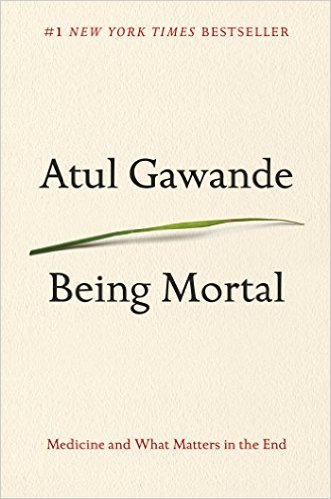
Atul Gawande- Being Mortal-book cover
This book caused Norma’s daughter-in-law Ramie to being thinking about end of life issues in a new way

“I knew my life had changed. The way I looked at the end of life had been flipped upside down and backward. I knew now it was time to have those tough conversations.”

(I reviewed this book at this link)

As they travelled, Ramie began writing about their adventures and posting on Facebook to close friends and family. She thought that other people might also be interested so she started a Page, Driving Miss Norma. They attracted a handful of followers initially, as she expected.

up close look at a hot air balloon
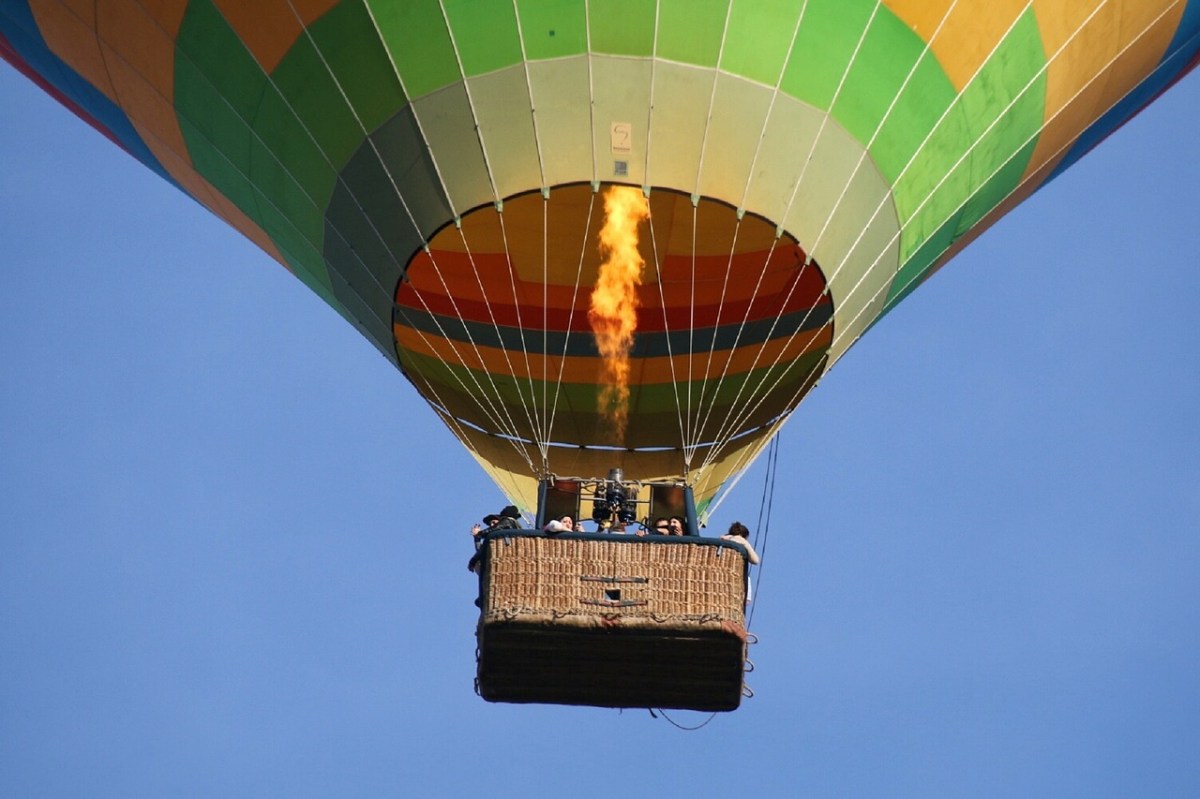
Norma went on her first and only hot air balloon ride (complimentary stock photo from Pixabay)

But after Norma’s story was reported on the Good News Network, followed by a CBS Evening News Story , the Page began adding  followers by the thousands.

The were alarmed, even fearful, of what they perceived as an intrusion on their privacy. Until now, they had deliberately avoided media in their isolated lifestyle. Then they began noticing how Norma’s story was resonating with people in a way they had not expected.

“We had suddenly and dramatically found ourselves in the middle of an international conversation about the meaning of life, illness, dying and love. We were learning on the fly how to open ourselves to holding so much raw emotion.”

Her story opened their lives to new people and situations they never imagined would happen. Rather than being a burden, Norma’s growing fame became the vehicle for them to grow closer to her, each other, and a whole new set of friends all over the country and the world.

“We had the support of people all over the world and that was breathing new energy into our days. Here were so many people pouring out their deepest fears, losses, and desires to us. They told us of their caregiving struggles. They shared with us their innermost desires- to make peace with their recently deceased father, to tell someone “I love you.”

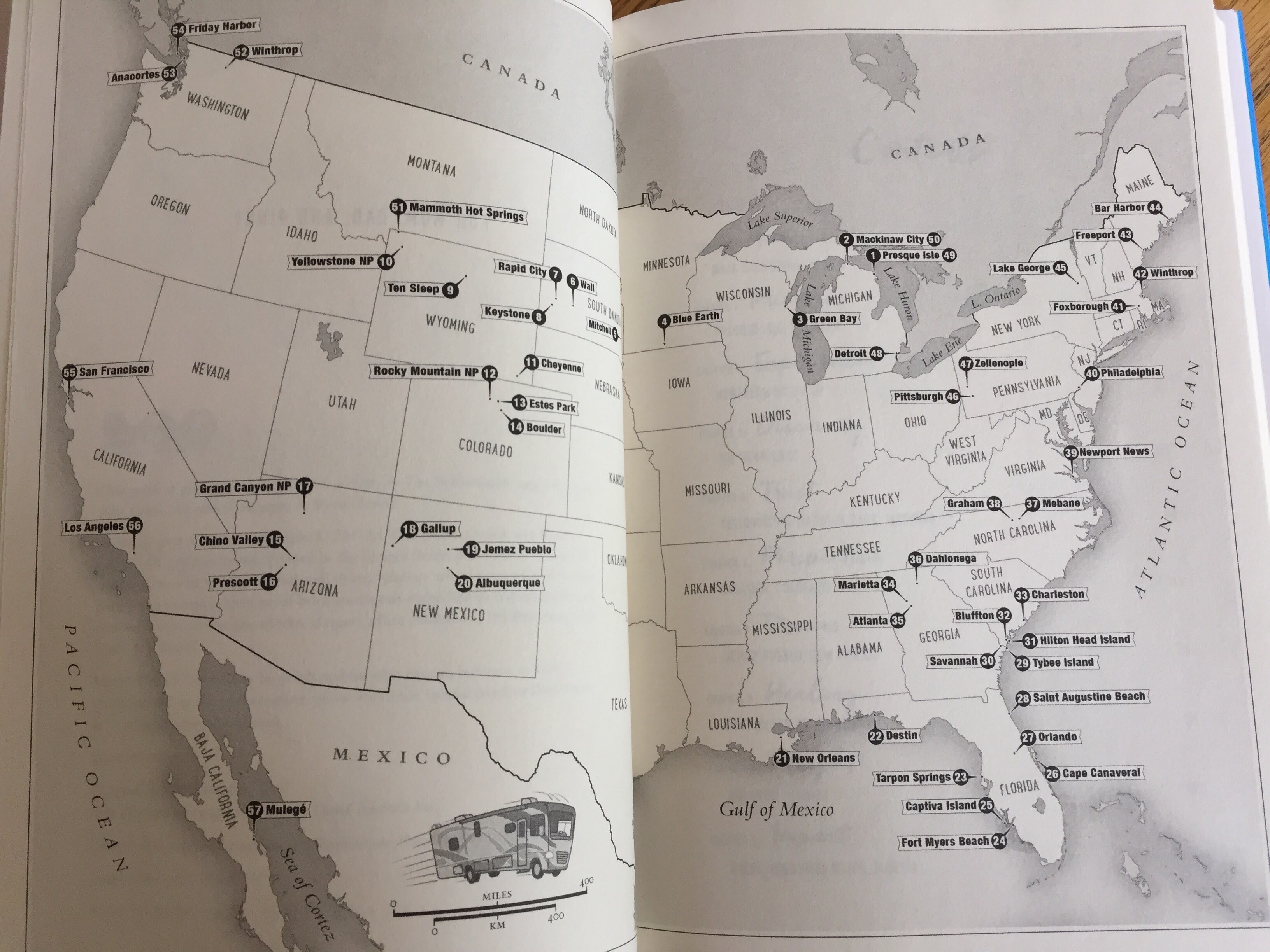
Throughout the story Tim and Ramie share about the places Norma visited (see map), people she met, from the common to famous, the foods she tried, sometimes for the first time, and activities she tried, also many for the first time, like riding a horse. They and the new friends they made shared food, fun, love, and laughter.

map of the United States
Norma visited all the sites marked on this map

But they also touch on the serious issues we all deal with sooner or later- aging, frailty, complex illness, terminal illness, end of life decisions, palliative care, death, and grief. They learned some important lessons about human relationships which they illustrate beautifully in their transparent writing.

“We learned how to greet people with open minds and open hearts…the lines that separate people into different boxes-religion and politics and race and age-blurred and faded and eventually disappeared. We got to see the truth in people, including in Norma: her glow, her tenacity, her joy, and her confidence.”

Tim and Ramie wrote the book after Norma’s death. They each took turns writing different chapters, and Ramie took all the photographs that illustrate it. But in a way Norma herself wrote the book, since it was the way she faced the final months of her life that produced the lessons her family learned and share with us in this book.

Norma kept a journal during their travels and after she died Tim and Ramie, with close friends, read it, and were somewhat surprised at what she wrote. Or rather, what she didn’t write.

“She did not write about cancer or fame- the two big themes of the trip for us. She did not write about the fear of dying or illness at all. Instead, she talked about life, living, and the things that brought her happiness:a sturdy wheelchair, mama and baby goats, a good hair perm, and her trusty sidekick Ringo.”

I feel sad that Norma’s trip did not bring her though my town so I could have met her. But there will be “Normas” in my life that I will meet, and perhaps someday I will be a Norma myself. When that happens I hope I remember the lessons this book teaches.

“Joy begets joy, love begets love, peace begets peace.”

You can continue to follow Tim and Ramie on Facebook where they are still

Driving Miss Norma

2 DOCS TALK reflected on Norma’s decision to forgo cancer treatment in this podcast

Do You Want a Long Lifespan? Or a Long Healthspan?

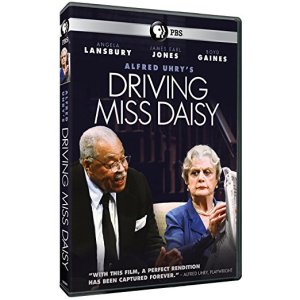
Driving Miss Daisy was  a Pulitzer Prize-winning play brought to television starring DRIVING MISS DAISY DVD

Angela Lansbury and

James Earl Jones .

Now available as a DVD or

watch online.

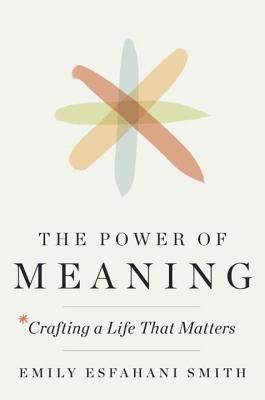
The Power of Meaning: Crafting a Life That Matters

 by Emily Esfahani Smith

“In a culture obsessed with happiness, this wise, stirring book points the way toward a richer, more satisfying life.”
To explore how we can craft lives of meaning, Emily Esfahani Smith considers an array of sources–from psychologists, sociologists, philosophers, and neuroscientists to figures in literature and history.
Drawing on this research, Smith shows us how cultivating connections to others, identifying and working toward a purpose, telling stories about our place in the world, and seeking out mystery can immeasurably deepen our lives.
She explores how we might begin to build a culture that leaves space for introspection and awe, cultivates a sense of community, and imbues our lives with meaning.Inspiring and story-driven, The Power of Meaning will strike a profound chord in anyone seeking a life that matters.
Support Independent Bookstores - Visit IndieBound.org

About the Author

Emily Esfahani Smith’s  writing has appeared in the Wall Street Journal, New York Times, The Atlantic, TIME, and other publications. She is also an instructor in positive psychology at the University of Pennsylvania, as well as an editor at the Stanford University Hoover Institution, where she manages the Ben Franklin Circles project.

Drs. Paul and Lucy Kalanithi reflected on their experience facing terminal illness in this review-

When Breath Becomes Air- reflections from Dr. Lucy Kalanithi

exploring the HEART of health through reading

Dr. Aletha