This post talks aboit giving, how and why. It contrasts the self-awareness of generosity, illustrated through characters like George Bailey from “It’s a Wonderful Life” and Ebenezer Scrooge from “A Christmas Carol.” Both highlight life’s impact through generosity.
updated December 20, 2025
“Watch out! Don’t do your good deeds publicly, to be admired by others, for you will lose the reward from your Father in heaven.
When you give to someone in need, don’t do as the hypocrites do—to call attention to their acts of charity! ….they have received all the reward they will ever get.
But when you give to someone in need, don’t let your left hand know what your right hand is doing.
Give your gifts in private, and your Father, who sees everything, will reward you.”
Have you ever made a charitable donation online or by mail, where they asked you to check a box “make my donation anonymous”? is that what the Bible means by “giving gifts in private”.
And be rewarded?
The Bible scripture passage quoted above, from Jesus’ Sermon on the Mount, seems to tell us we should give in secret, not letting anyone else know.
But Bible scholars interpret it less literally. Considering it in the context of the whole sermon, they suggest we shouldn’t give just to impress people nor brag about what we give, not that it always has to be secretive (although sometimes it should be.)
Giving from the Left or Right
I don’t think Jesus was making a political statement here. Nor was he just using hyperbole, an exaggerated statement or claim not meant to be taken literally. But I do think he was using it to make a point.
Because not knowing one side of one’s body is a real thing.
Hemispatial Neglect
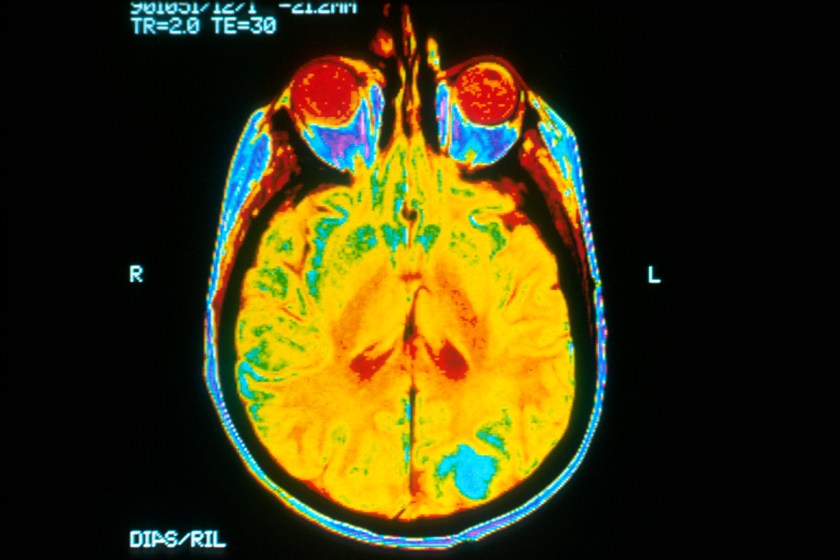
People with the syndrome of hemispatial neglect experience reduced awareness of stimuli on one side of space. This may occur after damage to the brain due to a stroke or trauma.
People with hemispatial neglect are often unaware of their condition. Friends or relatives might suggest they look to their neglected side but that instruction misunderstands the problem they have with navigating the space around them… people are not aware that something is missing, so why would they seek it out?
A single image of a human brain using a magnetic resonance imaging (MRI) machine.
Source: Dr. Leon Kaufman. University Of California, San Francisco
Creator: Unknown Photographer
used courtesy National Cancer Institute
So imagine not knowing what’s on the left side of your body. Well, that’s how generous we should be; give (as if) we don’t know what we gave.
(Obviously, if we take that too literally, and waste our money,we limit our ability to be generous; we still need to be financially prudent. )
The man who didn’t know what he had given
Every year at Christmas time a classic movie makes its way to network television and streaming services. Like many famous movies, the script was adapted from a book, or rather a short story titled “The Greatest Gift”.
George was a man who had a good life until things started going wrong, so badly that he concluded his life had been a failure and he had never done anything right or good in his entire life. He even contemplated suicide.
That is until a mystery “person” came along and showed him how the world would have been without George’s life and good deeds. Poverty, crime, unemployment, alcohol abuse, and even deaths would have occurred had it not been for George’s life. And he had no idea!
His left hand didn’t know what his right hand had done.
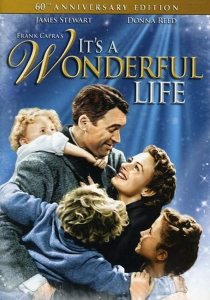
Of course you know I’m talking about George Bailey from the classic movie It’s a Wonderful Life, released in January 1947, nominated for 5 Academy Awards, and considered one of the best films ever made. But most people like it because it’s a feel-good movie that can make you laugh and cry.
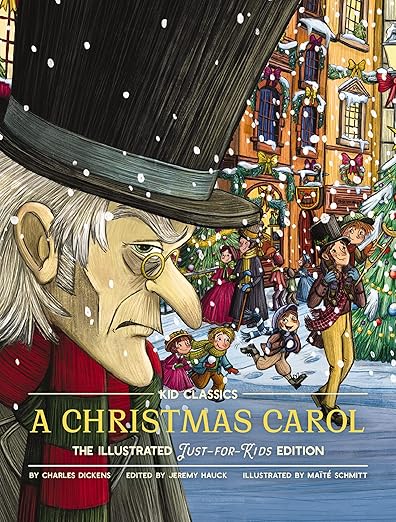
Of course, Ebenezer Scrooge of Charles Dickens’ A Christmas Carol didn’t have George’s problem. He knew exactly what he had done to help others-nothing!
It took dying (almost) and three scary visitors to show Ebenezer how stingy his hands had been, never giving anything away, and convincing him that generosity was better than miserliness and loneliness. At the end of the story, both of his hands were busy passing out food and gifts to strangers, friends, and family.
Here is a post about Charles Dickens, a renowned English writer, of “A Christmas Carol” and “The Pickwick Papers.” His storytelling introduced terms like Pickwickian syndrome, reflecting his influence on culture and health. Dickens also advocated for children’s hospitals through powerful speeches, merging his literary talent with social responsibility .
Therefore, because God is so generous to us, we’re to be lavishly generous to others. Who has been “lavishly generous” to you?
Sharing the HEART of generosity and giving
I’d love for you to follow this blog. I share information and inspiration to help you transform challenges into opportunities for learning and growth.
Add your name to the subscribe box to be notified of new posts by email. Click the link to read the post and browse other content. It’s that simple. No spam.
I enjoy seeing who is new to Watercress Words. When you subscribe, I will visit your blog or website. Thanks and see you next time.
Prioritizing essential health habits like quality sleep, nutritious eating, meaningful connections, giving, physical and mental activity, and authentic conversation promotes well-being. Implementing these strategies fosters a fulfilling and healthier lifestyle.
updated October 29, 2025
Do you spend more time than you want dealing with clutter? Do you organize only to find you still don’t have enough room for your belongings?
If so, maybe you need to discard stuff, not organize it better. This process goes by different names—decluttering, simplifying, minimalism—with the goal of less stress, more peace, and more time to enjoy activities that truly give us pleasure and satisfaction.
Sometimes we need to simplify our daily habits. Do you ever feel you’ve been busy all day, and didn’t accomplish anything you really wanted to do? Maybe decluttering, simplifying, and changing our daily routine will create a more satisfying -and healthier- life.
7 Health Habits We Need
Here are some habits we often neglect or fail to prioritize, but medical professionals recognize as vital to optimal health and well-being. I’ve illustrated each with a link to an affiliate service or product that you might find helpful (and through which you can help support this blog), but feel free to develop your own ideas on how to make these a consistent part of your life.
Sleep
Too many of us treat sleep like a luxury or a waste of time rather than as the necessity that it is. Some of us need more quality sleep; many people are chronically tired due to undiagnosed sleep disorders such as obstructive sleep apnea which aren’t recognized without medical evaluation.
Eating
We need to eat nutritious food- a whole food, plant-based diet with fresh vegetables and fruits, beans, legumes, whole grains, lean meats, dairy- anything that isn’t processed or full of unnecessary sugar or excessive fat.
In this post I review Dr. George E. Guthrie’s book, “Eat Plants Feel Whole,” where he highlights the transformative power of a whole-food, plant-based diet in combating chronic diseases. Dr. Guthrie, a renowned family physician, emphasizes the addictive nature of processed foods and advocates for a shift towards plant-powered nutrition to improve overall health and…
We need to spend more time with our family and friends, keeping in touch physically and emotionally. Parents and children connect when they read together. Family vacations create connections through shared activities and memories. Children benefit when grandparents actively participate in their lives.
Visiting this local museum with my toddler grandson was a treat for both of us.
I talk about my visit to WOW! Children’s Museum dedicated to engaging children and families in creative learning experiences. This bright, colorful interactive museum is in Lafayette, Colorado, near Denver .
“We specialize in highly interactive programs for small groups that give each child an opportunity to explore art, science, and culture.”
Giving
We need to cultivate generosity and give more, whether it’s our money, time, talent, or possessions. Every community offers ample opportunities to volunteer and serve others.
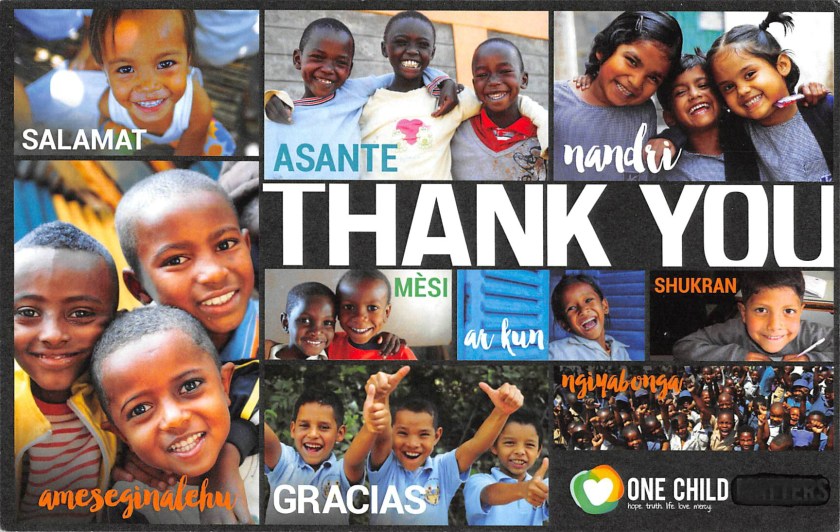
My husband and I have supported children through ONE CHILD for 30 years.
Physical activity
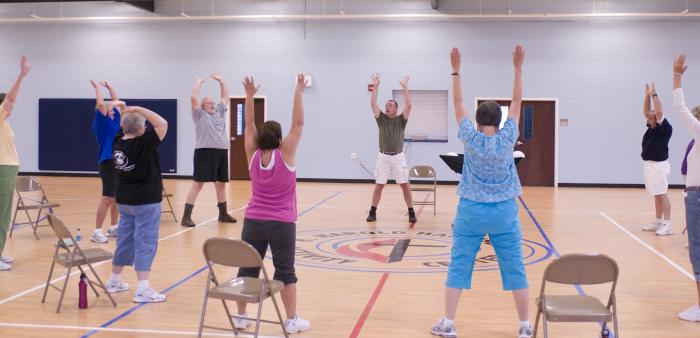
We need to move more often, including sports, exercise, chores, walking, even standing up more than we sit.
We believe bookstores are essential to a healthy culture and they are dedicated to the common good.
Bookshop.org donates a portion of every sale to independent bookstores.
photo by Dr. Aletha, in a bookstore
Conversation
We need to communicate with others often and authentically. Social media, phone calls, text, and email messages substitute when necessary, but they shouldn’t replace face-to-face time with others.
Book clubs, hobby groups, classes, and church groups offer safe spaces to share ideas and learn from one another.
Conversation over coffee can be therapeutic. graphic from the Lightstock collection of stock photos, graphics, and other media, an affiliate link
In this post I review the book “How to Listen So People Will Talk” by Becky Harling. She emphasizes the importance of listening in effective communication. The author, a certified John Maxwell speaker and coach, provides practical tips, including asking questions, showing empathy, and using body language. The book addresses listening through conflict and enhancing…
What will you gain by including _____ habit in your life? What will you lose if you don’t?
What is your next step to getting there? How will you know you have arrived?
Come back to this post and leave a comment anytime.
Exploring the HEART of healthy habits
Another healthy habit suggestion-follow this blog!
I’d love for you to follow this blog. I share information and inspiration to help you transform challenges into opportunities for learning and growth.
Add your name to the subscribe box to be notified of new posts by email. Click the link to read the post and browse other content. It’s that simple. No spam.
I enjoy seeing who is new to Watercress Words. When you subscribe, I will visit your blog or website. Thanks and see you next time.














 watercress words by Dr Aletha