How to Pay for Medical Care: A Guide for Americans

In this post I review how people pay for their healthcare. In the U.S., medical care financing includes employer-provided insurance, Medicaid, Medicare, the Affordable Care Act, and COBRA. Eligibility for these programs varies based on income, age, and employment status. Additional financial assistance exists through Medicare Savings Programs and nonprofit organizations, helping manage medical bills and related expenses.

This information is current as of the date of original publication or update. It may have changed by the time you read this. I invite you to fact-check what you read here.

This information is not intended for diagnosis or treatment. Before making health decisions, discuss with your physician or other qualified healthcare provider to decide what is right for you.

This content is for your “information and inspiration”, and does not imply my endorsement or recommendation.

How do you pay for your medical care?

We do not have “socialized” medicine or “universal” health care in the United States —or do we?

The government may not directly pay for healthcare but it is involved through taxes we pay and for tax deductions available for insurance premiums and certain medical expenses. Most people still pay out of pocket for at least some if not most of their healthcare.

Multiple sources confirm that at least half of the population is eligible for health insurance coverage through an employer. The rest may be eligible for coverage through one or more options discussed below.

Healthcare payment options

Government programs can help pay for medical care. Depending on the program, you may also be eligible for help with vision and dental care. Your income, age, employment status, and qualifying health issues will determine your eligibility. These programs include:

Medicaid and the Children’s Health Insurance Program (CHIP)

You may qualify for Medicaid or long-term, depending on your situation. These are both joint ventures of the federal and state governments so eligibility may differ depending on where you live. They may even have different names. In my state, Oklahoma, it’s called SoonerCare.

Unfortunately, Medicaid funding is in jeopardy due to proposed cuts in funding by Congress. Americans living in rural communities throughout the country could see their access to health care diminish if Congress changes eligibility for Medicaid or significantly reduces its federal funding.

Medicare

Everyone is eligible for Medicare at the age 65 years, and sometimes younger if you have a permanent disability. It may also depend on whether or not you are still covered under an employer-provided plan.

The Affordable Care Act (ACA) / Health Insurance Marketplace

This is still sometimes referred to as ObamaCare since Congress passed the act when he was president. The current president has said he intends to end it but so far it is still law. This basically covers people who don’t have insurance through an employer or qualify for Medicare.

Premiums for marketplace plans may increase if federal subsidies are allowed to expire.

Consolidated Omnibus Budget Reconciliation Act

You may think you have never heard of this but it is better known as COBRA. (yes, pronounced like the snake.) If you have a “qualifying life event” and are no longer employed, you may be able to continue on your employer’s insurance plan.

The catch is, you have to pay for it. Paying for this type of plan can be quite expensive, but may be necessary if you have medical issues that can’t be delayed. If you will soon start a new job offering a health plan it may be worth considering this temporarily.

Learn how these programs work, find out if you are eligible, and see how to apply.

Veterans and Military Healthcare

Those currently serving in the Armed Forces and their dependents can receive healthcare through the Tricare program of the Department of Defense.

Military Veterans can receive care through hospitals and clinics of the Veterans Administration Health systems. Dependents of some veterans, usually those with service-connected disabilities may be eligible for CHAMPVA-Civilian Health and Medical Plan.
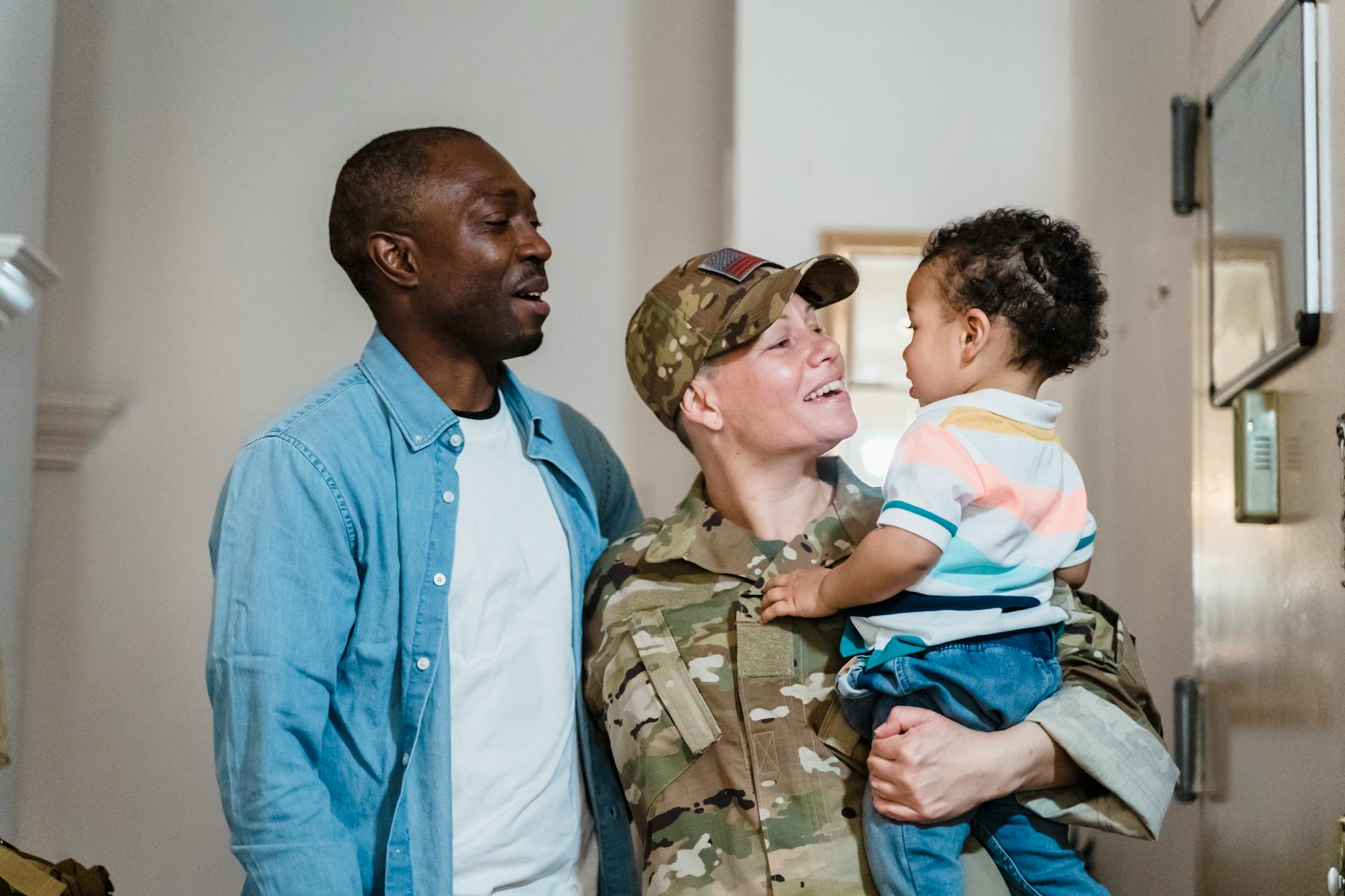
Photo by George Pak on Pexels.com

Help with medical bills beyond insurance

Medicare Savings Programs

There are 4 Medicare Savings Programs that may be able to help with Part A and Part B premiums, deductibles, coinsurance, and copayments. You’ll apply for Medicare Savings Programs through your state. When you apply, your state determines which program(s) you qualify for. Even if you don’t think you qualify, you should still apply.

Medicare Extra Help

This program can help you pay Medicare Part D costs that cover prescription drugs. Find out if you qualify for Extra Help and apply.

Financial Assistance Programs

If you still need help with medical bills after health insurance or Medicaid payments have been applied, a financial assistance program may assist you with the remaining costs. In most cases, you can apply through a doctor or hospital where you are seeking medical treatment.

Learn more about these options here.
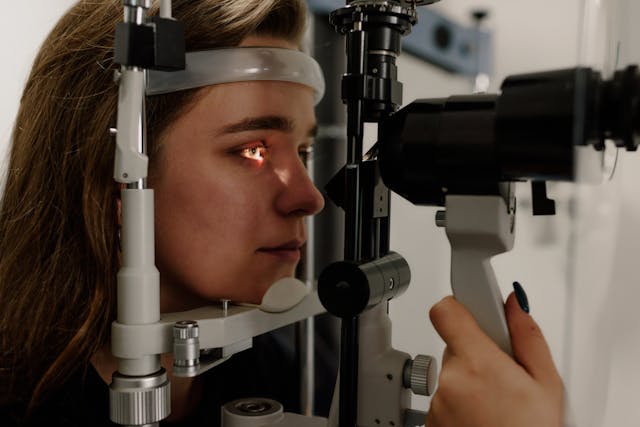
Some non-profit medical facilities provide medical care free or at a reduced price. Patient advocacy organizations for various chronic conditions may offer financial assistance.  

Get help paying medical bills through debt management

Despite using insurance and extra sources of help you may find yourself forced to deplete savings. You may owe more money than your budget allows you to pay regularly. You are in debt.

You may be able to get help paying your medical bills with a debt management plan. This involves a payment schedule that a credit counselor develops based on your situation.

When you pay, your money is deposited into an account with the credit counseling organization, which then pays your debt. You may be able to get lower interest rates and certain fees waived to help make it easier to pay off your medical debt. 

Learn more about debt management and how it works.

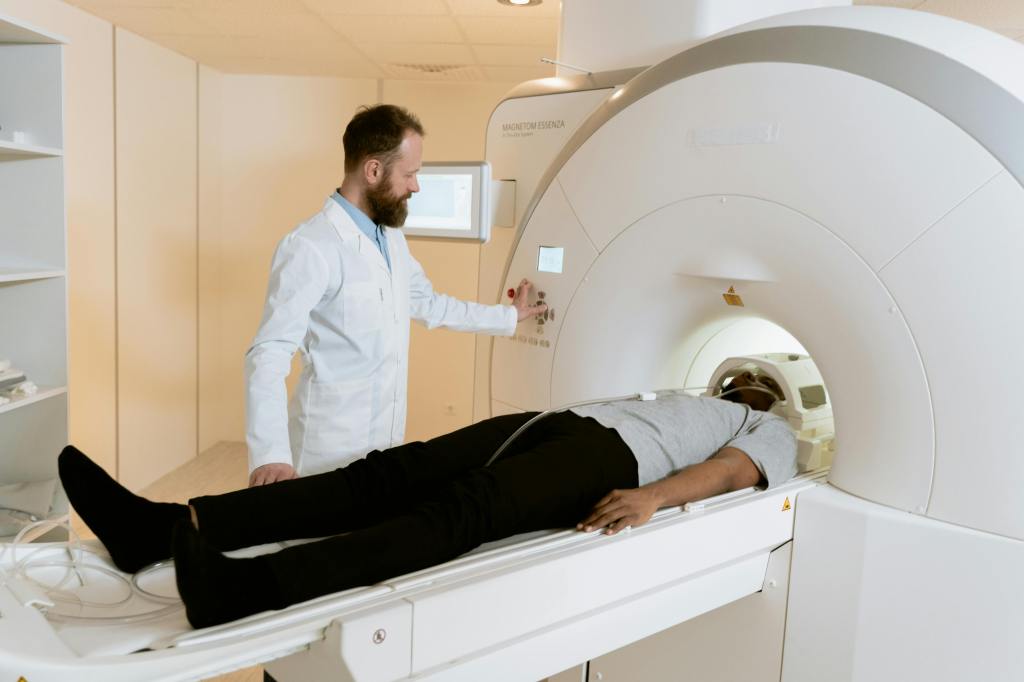
The Pexels images in this post are for illustration only and do not depict real medical situations.

Exploring the HEART of Health

I hope you learned something here that helps you or someone else. Please forward it to a friend or share on social media.

In another piece, I will discuss obtaining medicines and vaccines.

I’d love for you to follow this blog. I share information and inspiration to help you turn health challenges into health opportunities.

Add your name to the subscribe box to be notified of new posts by email. Click the link to read the post and browse other content. It’s that simple. No spam.

I enjoy seeing who is new to Watercress Words. When you subscribe, I will visit your blog or website. Thanks and see you next time.

Medical stethoscope and heart on a textured background

Dr Aletha

Improving health with 7 life elements

7 ways to improve your health #MakeHealthPrimary#UCR

On this blog we explore the HEART of HEALTH

Many years ago Bruce Larson wrote,

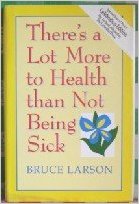
“There’s a Lot More to Health Than Not Being Sick .”


He proposed health is not just the opposite of un-health, disease, illness, informity- and I agree.

There's a Lot More to Health than Not Being Sick by Bruce Larson

I have seen this proven in the lives of countless patients.

I have treated patients who did not have a diagnosed disease, but yet did not feel or act healthy. Other patients who had a long list of ailments still managed to live active, healthy lives.

Defining Health

The WHO, World Health Organization, says

“Health is a state of complete physical, mental and social well-being and not merely the absence of disease or infirmity.”

(The bibliographic citation for this definition is: Preamble to the Constitution of WHO as adopted by the International Health Conference, New York, 19 June – 22 July 1946; signed on 22 July 1946 by the representatives of 61 States (Official Records of WHO, no. 2, p. 100) and entered into force on 7 April 1948. The definition has not been amended since 1948.)

Improving health with 7 life elements- watercresswords.com

Health in 7 Dimensions

I recently discovered a definition of health that includes those points but goes even further. The University of California, Riverside, Human Resources department promotes wellness among its staff and students with a Seven Dimensions of Wellness program.

This program considers aspects of life which you might not think impact  health but do significantly affect wellbeing, or the lack of.

Let’s look at  their 7 points which I’m going to expand with my own thoughts.

Social Wellness- relating to and connecting  with other people in our world.

This includes family, friends, co-workers, neighbors, even strangers.

Loneliness is  a significant health problem: it contributes to ill health, and even risk of dying prematurely.

The New York Times health writer Jane Brody reviewed medical studies that show

Social interaction is critical for mental and physical healthstatue of 3 men dancing and playing instruments

Emotional Wellness- understanding our feelings and coping with life challenges.

Emotionally well people understand that feeling angry, sad, fearful or stressed will happen, and are able to not let those feelings cripple them. They use the times of  hope, love, joy and happiness to build a reserve on which to draw in difficult times.

Spiritual Wellness – what brings, peace, harmony, and purpose to our lives.

Our sense of ethics, morals, right, and wrong is usually based on what we believe to be true and meaningful,  woman with hands bowed in prayerand likely involves faith and support for an organized belief system or religion. Without belief in something, our lives can drift aimlessly and we can fall into restlessness, doubt our purpose, and lose hope for the future.



MOTHER TERESA-COME BE MY LIGHT a book cover
The saint, Mother Teresa, lived her life committed to the purpose she felt called to do- take care of the poor, sick, and suffering people in India.

Environmental Wellness – how you feel about where you live and work.

Whether it’s your own home, your neighborhood, city, country, or the world, your environment can make you feel safe and protected , or can make you feel uncomfortable and insecure, depending on the quality of the air, water, and physical surroundings.

Where you live often determines your access to basic services and goods necessary for health and wellness, what doctors call the social determinants of health  such as

  • doctor’s and dentist’s offices
  • hospitals
  • pharmacies
  • grocery stores that sell nutritious food

as well as access to schools, church, jobs, entertainment.

sign on an urgent care clinic

Environment may even change our genetic makeup. According to an article shared at Smithsonian.com

“A team of researchers from Northwestern University led by anthropology professor Thom McDade have shown that DNA can also be modified by your environment during childhood. What’s more, the authors conclude in the journal Proceedings of the National Academy of Sciences, those modifications can affect how or when you develop certain illnesses during adulthood.”

Occupational Wellness- finding personal fulfillment from our jobs or our chosen career .

Feeling that we are contributing to the society we live in, whether it’s through employment, voluntary service, or nurturing a family unit can give us a sense of accomplishment and self-worth.

When you realize that we often spend the majority of our waking hours at work, you can see why work has a major impact on our health. In my medical practice, I frequently encounter patients with job problems that impact their health.  This includes

  • physical demands, exposure to dangerous substances, environments, and situations
  • time demands, shift work, long hours, lack of time off
  • job insecurity due to uncertain employer stability, unclear job expectations, inadequate training
  • interpersonal conflicts with supervisors, other employees, clients, customers

These can lead to

  • physical injuries
  • fatigue, sleep deprivation
  • feelings of stress, anxiety, depression

Read about how a bad work environment may be worse than being unemployed in this CNN report.

 Bad work environment-bad for your health

drawing of a man reading a book which hides his face

Intellectual Wellness- opening  our minds to new ideas and experiences in order to increase our knowledge and skills

Whether through formal education in a school or through individual learning pursuits , keeping our minds active seems to be a key to remaining fit and active as we age, and may even slow or prevent the onset of dementia, as recommended by the Alzheimer’s Association. 

Stay Mentally Active.

THE SPIRIT OF LEARNING IS A LASTING FRONTIER
plaque in front of the Bizzell Library, at the University of Oklahoma

 “THE SPIRIT OF

LEARNING IS

A LASTING

FRONTIER.”

Physical Wellness-  the ability to maintain a healthy quality of life that allows us to get through our daily activities without undue fatigue or physical stress.

These dimensions of health aren’t linear so much as they are circular-one leads to another. Addressing our physical health makes the other 6 easier to accomplish. In this category we would consider

  • weight management
  • physical activity
  • avoiding substances like tobacco, alcohol, illicit drugs
  • adequate quality sleep

WHO’s “Prerequisites for Health”

The World Health Organization later expanded their health definition .

They wrote, “To reach a state of complete physical, mental and social well-being, an individual  must be able

  • to identify and to realize aspirations,
  • to satisfy needs, and
  • to change or cope with the environment.

Health is a resource for everyday life, not the objective of living.

Health is a positive concept emphasizing social and personal resources, as well as physical capacities.”

I encourage you to read Rev. Larson’s book; There's a Lot More to Health than Not Being Sick by Bruce Larsonit’s vintage but still challenging and inspirational.

Explore the 7 Dimensions of Wellness page and the other information the University of California, Riverside offers to their employees and to us, and for which I thank them.


Now think about which of the 7 dimensions you need to work on, devote more attention to, or change, to reach your optimal state of wellness. 

I’m certainly going to look harder at my own life to see where I need to make changes. Here are some questions to consider.

When was the last time I read a book about something I didn’t already know about?

How can I make more time for social activities with friends and family?

Is my job a source of intellectual stimulation and satisfaction, or does it drain my emotional and physical energy?

GOALS written on a sheet of paper
What new goals will help me achieve the health i want?

Are there habits I need to change to improve my physical well-being-lose weight, quit smoking, eat more nutritious foods?

Do I make time for goal setting, self-assessment,  meditation, nurturing and practicing my faith?

Who do I need to forgive, and what situations do I need to lay aside and move on?

I would love for you to leave a comment or send me a message if you just want me to know. 

Here are some other posts that might inspire you in your exploration.

Health is Primary
Health is Primary, a program committed to improving the health care system and patients’ health

7 surprising reasons to be smoke free

6 steps to losing weight and gaining hope

Use your phone to get fit

Expert advice to sleep well every night