Head into the flu season with these 6 tips

We should all take influenza and COVID-19 seriously; consider my suggestions, talk to your personal doctor, keep up with recommendations from your local public health professionals, and do your part to keep your family and community well.

Influenza and Coronavirus

When I first published this post, I didn’t know these basic recommendations help fight another serious infectious respiratory disease-COVID-19 due to the SARS-CoV-2.

1. If you think you have the “flu”, remember it could be something else.

To many people “the flu” is any respiratory illness characterized by fever, cough, congestion, fatigue, and aches. That term has become so nonspecific even we doctors use it that way. But flu should refer to influenza,  one of many viruses that cause respiratory illness. The other major ones are the COVID-19 virus and RSV (respiratory syncytial virus).

Several other viruses cause mild respiratory illnesses  such as

  • rhinosinusitis, aka “colds”, upper respiratory infections-URIs,
  • bronchitis,
  • pharyngitis (sore throat)

Pneumonia is a respiratory illness caused by several viruses and bacteria and less commonly fungi. I’m not discussing those in this post.
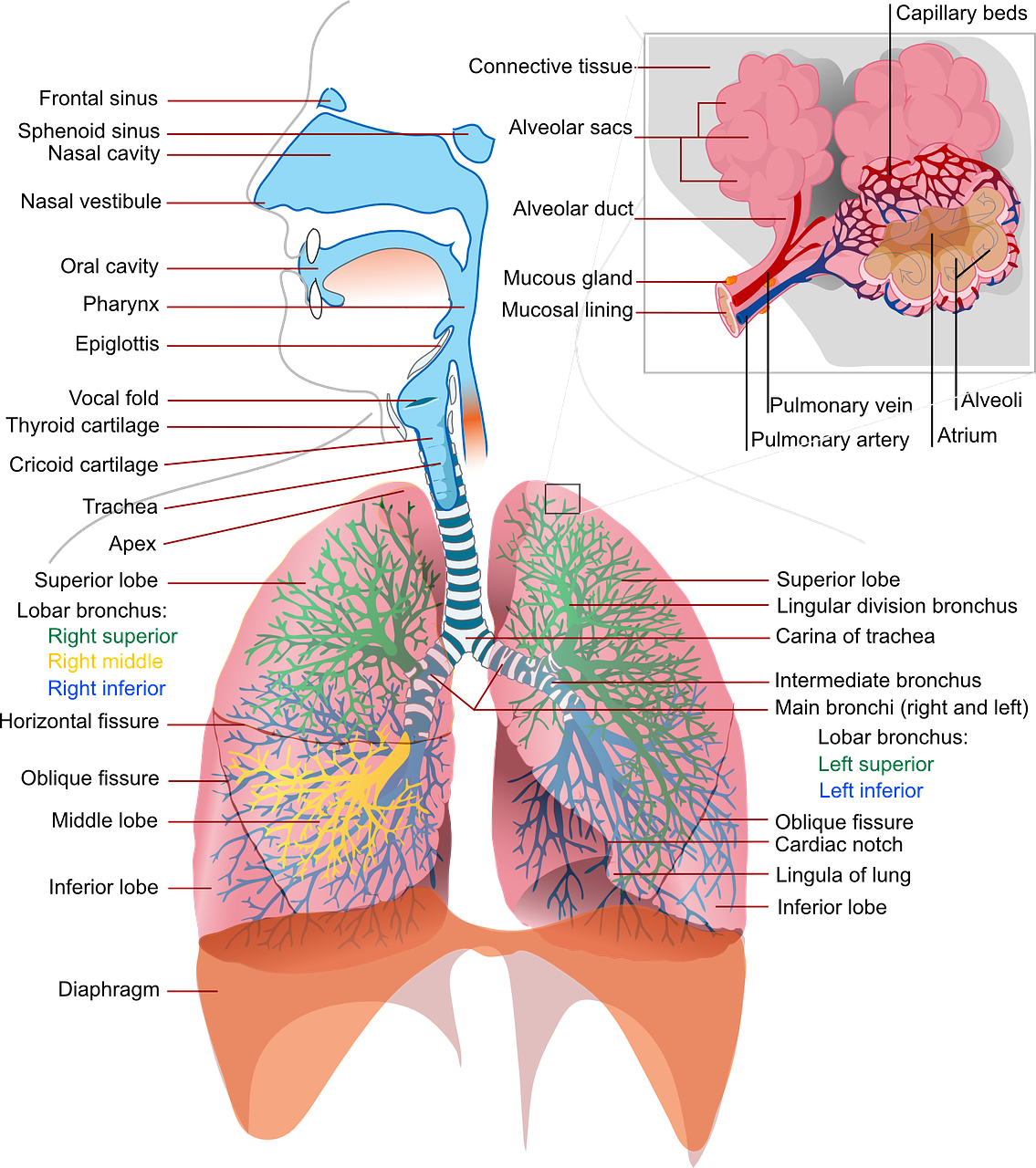
The human respiratory system
The respiratory tract including the nose, sinuses, mouth, throat, trachea, bronchi in blue and the lungs (pink). Infections can involve the breathing organs from the nose all the way down to the lungs. (photo complimentary from Pixabay)

2. If your doctor thinks you have influenza or COVID, take it seriously .

Before the  “rapid flu” test, we doctors diagnosed influenza by the characteristic symptoms,  exam, and knowing there was an outbreak in the community. The test is helpful for confirmation but like the COVID test may be negative depending on when the test occurs.

3. The best way to prevent influenza is by vaccination.

The World Health Organization (WHO), Centers for Disease Control and Prevention(CDC) , the National Foundation for Infectious Disease and other reputable medical organizations recommend vaccination against influenza.

People refuse vaccination because they believe it is ineffective, unnecessary, dangerous, toxic, unnatural, subversive, and who knows what else.  I don’t think I or anyone else are going to change their minds.

My family and I always get vaccinations which have successfully protected us without side effects or adverse reactions. There are risks, just like there are with any medical procedure, or lots of other things we do in life. In this case, we have decided the benefit outweighs the risk.

If you don’t want a “flu shot”, discuss it with your doctor before saying no. Your doctor can explain any concerning information you have heard and offer reassurance Please listen.

4. Stay away from others if you are sick.

It’s not a coincidence that influenza outbreaks coincide with the American holiday season (approximately November through January). So to protect us all,

  • Stay home if you are sick, and ask your family, co-workers, and employees to do the same.
  • Cover your nose and mouth when coughing or sneezing; use your sleeve, not your hand.
  • Keep your hands away from your eyes, nose, and mouth.
  • Wash your hands frequently, thoroughly, and long enough.
  • Wash frequently touched surfaces with disinfectant.
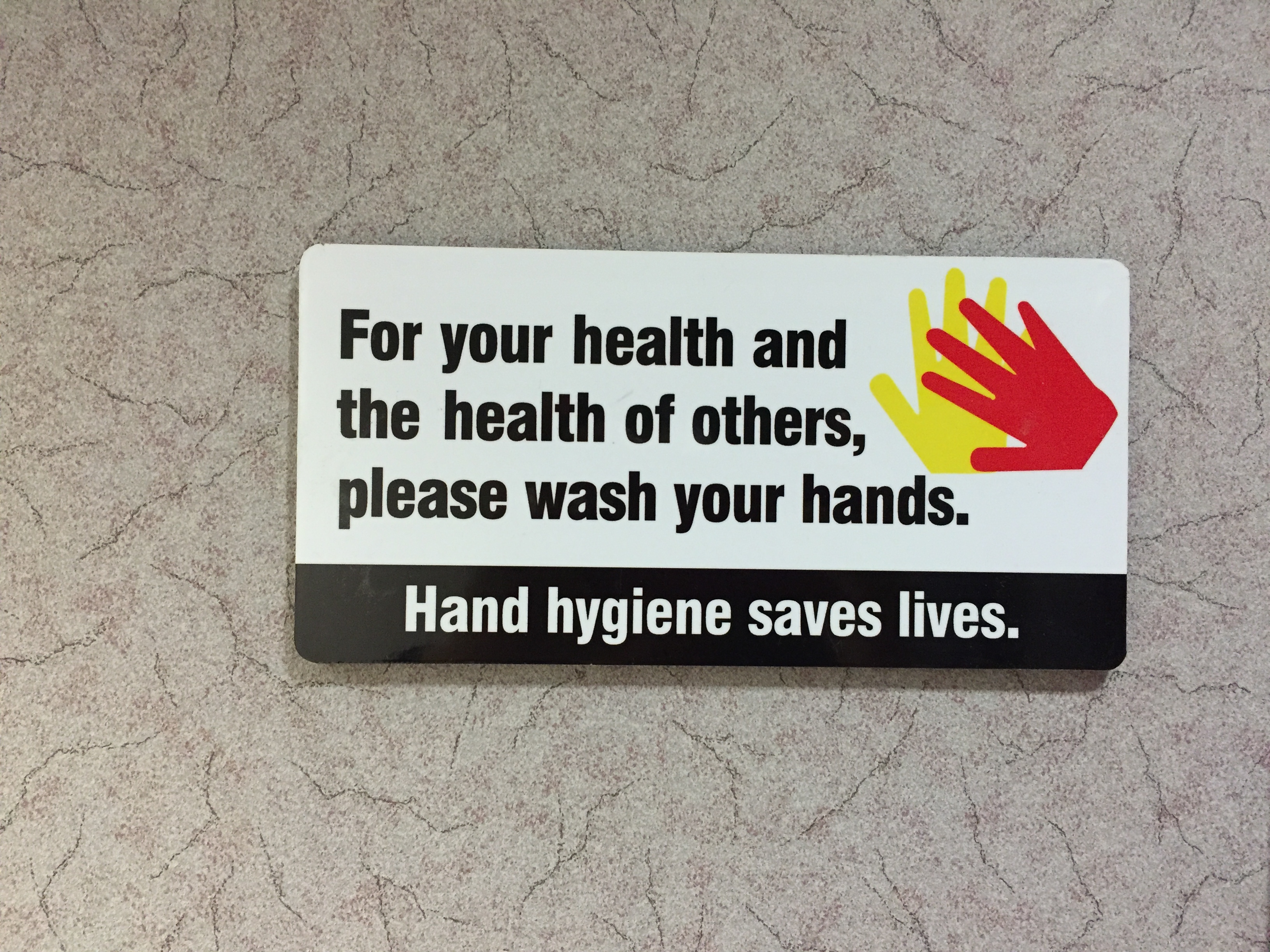
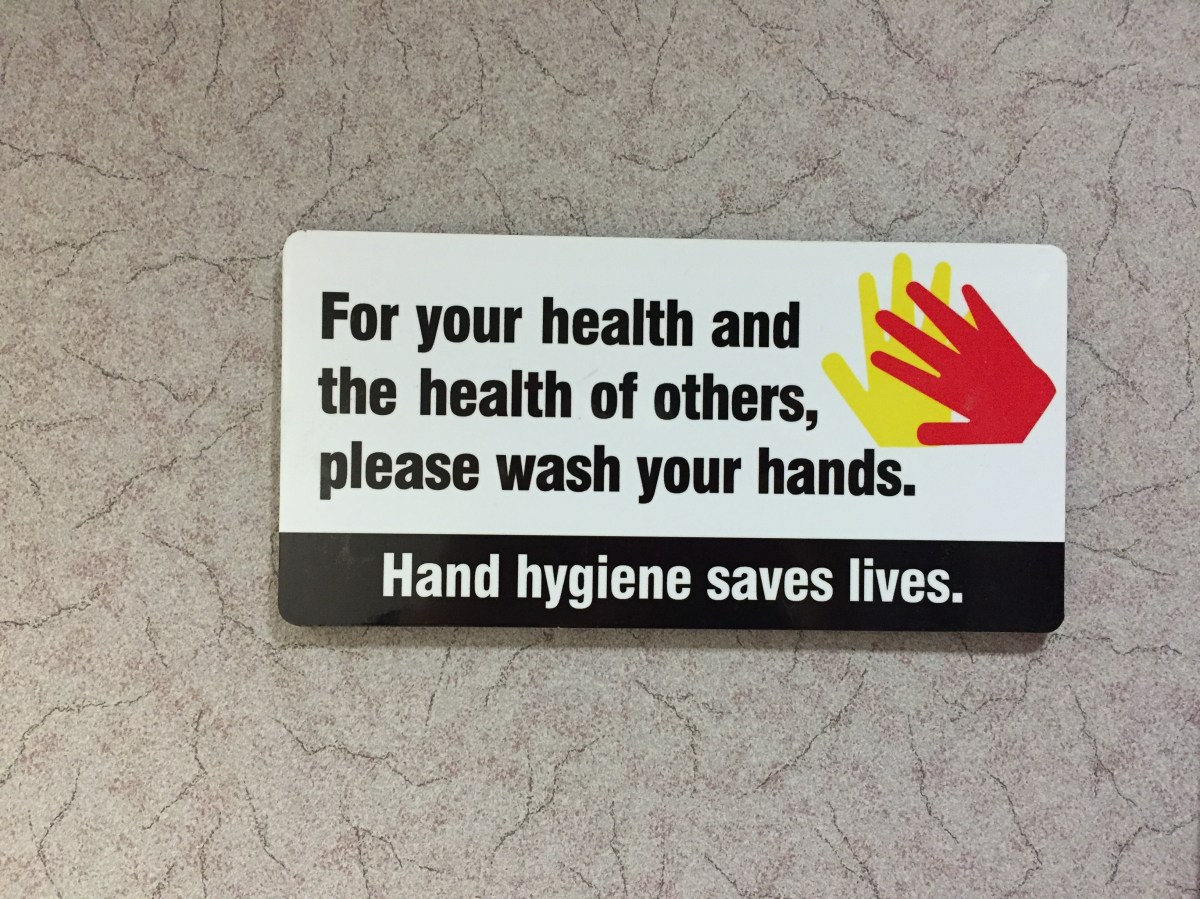
Hand hygiene saves lives.
a common sight now in public restrooms

5. If you get sick, don’t ask your doctor for an antibiotic.

Antibiotics attack bacteria. Influenza and 99% of all respiratory illnesses are due to viruses.

There are influenza antiviral drugs that will “shorten the duration and severity of symptoms” by 1-2 days if started early. The effectiveness is uncertain for an illness that will resolve within 10-14 days regardless. But if it gets you back to school or work a day earlier, it may be worth the cost-they are not cheap drugs.

For COVID, the antivirals minimize the chance of the illness becoming severe, especially for high-risk people.

Otherwise, the treatment is“symptomatic” or “supportive” care for the milder respiratory infections.

  • Rest; eat and drink as normally as possible; extra fluids if running a fever 
  • Non-prescription cough/congestion /pain/fever meds

Acetaminophen for aches and fever

Lozenges for sore throat, cough, and congestion

Breathing moist air using a humidifier helps with cough and congestion.

(The previous are affiliate links. )

6. Influenza and COVID complications

People die from complications of influenza, and infants, young children and the elderly have the most significant risk. The most common fatal complication is bacterial pneumonia, an infection in the lung. Influenza can also attack the nervous system causing brain inflammation (encephalitis and/or meningitis) and paralysis in the form of Guillain-Barre syndrome.
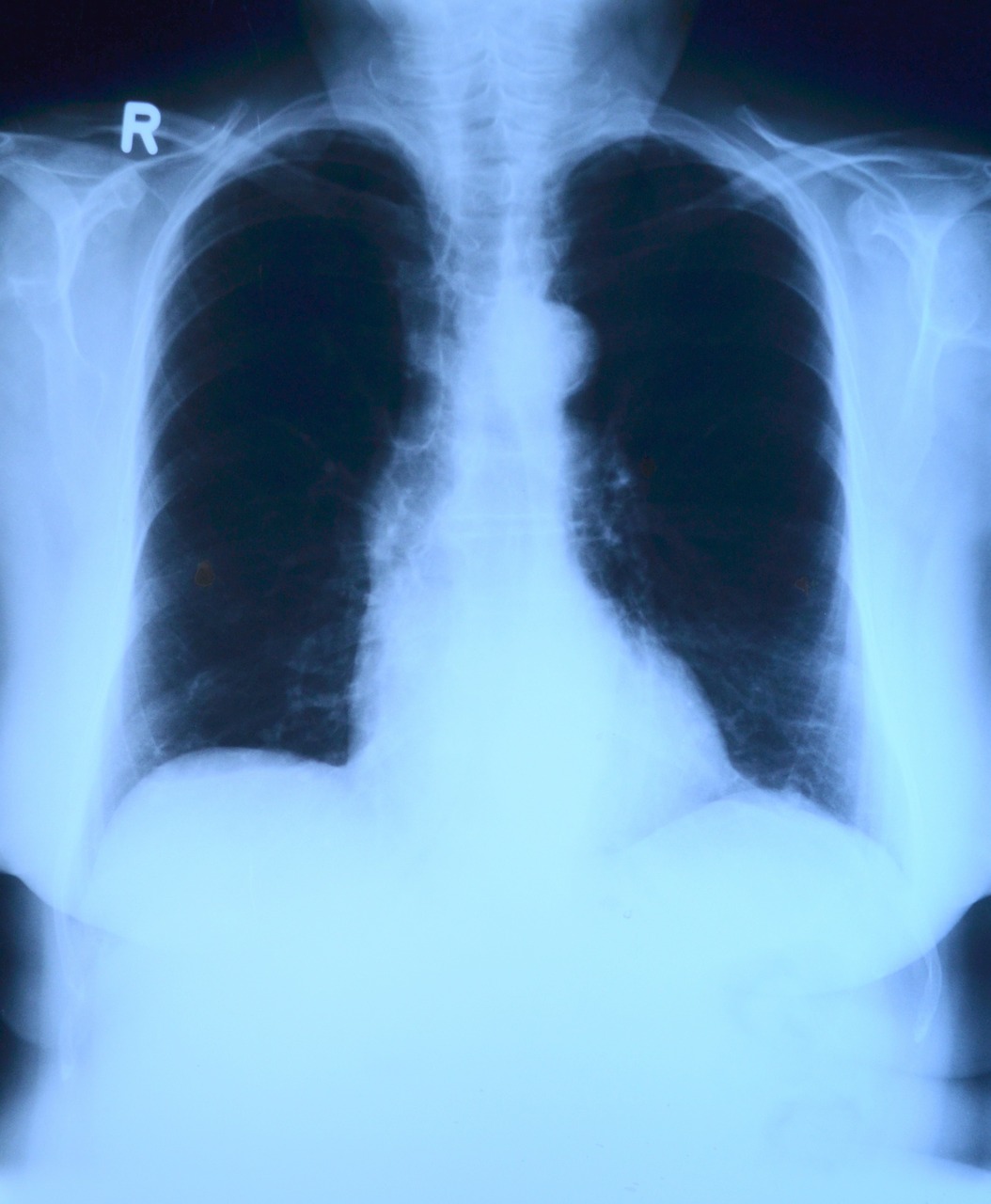
an xray of healthy lungs with no signs of pneumonia.
Healthy lungs with no signs of pneumonia.

Persons with chronic illnesses like diabetes, lung disorders, depressed immune systems, and cancer are at greater risk of complications and should always consult a physician if feeling ill. If you don’t know if you fall into that category, ask your doctor.

what you really need to know

We should all take influenza and COVID-19 seriously; consider my suggestions, talk to your personal doctor, keep up with recommendations from your local public health professionals, and do your part to keep your family and community well.

Here are some previous posts about infections.

Get Smart About Antibiotics

“Most common infections, such as colds, flu, most sore throats, bronchitis, and many sinus and ear infections, are caused by viruses and do not respond to antibiotic treatment. “

6 smart facts about antibiotics

“You may think of antibiotics as safe, harmless drugs with no potential for serious effects.  Usually, antibiotics are well tolerated and safe. But serious side effects are possible, though infrequent.”

Sorting out sinusitis

“If you have a bacterial sinus infection with more than mild symptoms, an antibiotic may relieve symptoms and help you recover sooner. “

Exploring the HEART of health

I’d love for you to follow this blog. I share information and inspiration to help you turn health challenges into health opportunities.

Add your name to the subscribe box to be notified of new posts by email. Click the link to read the post and browse other content. It’s that simple. No spam.

I enjoy seeing who is new to Watercress Words. When you subscribe, I will visit your blog or website. Thanks and see you next time.

(This and other posts on this blog contain affiliate links that may pay a small commission to this blog, while you pay nothing extra, but only if you click, look, and make a purchase. Quite a deal for us both. )

Medical stethoscope and heart on a textured background

Dr Aletha

Pandemic: Tracking Contagions, from Cholera to Ebola and Beyond-a book review

Author Sonia Shah’s book “Pandemic” explores infection spread and urges awareness of infectious diseases, emphasizing the importance of vaccinations amidst rising global health threats. This post reviews this informative book.

Influenza has arrived in the United States with some areas already experiencing epidemics. We pretty much expect this to happen in the winter despite wide availability of influenza vaccine.

But other diseases that haven’t been seen much in the past 20 years are making a comeback all over the world. The number of measles cases continues to climb, with 5 countries accounting for half of the world’s victims- Congo, Liberia, Madagascar, Somalia and Ukraine.

In 2019 the United States almost lost its measles elimination status because of a nearly year-long measles outbreak in New York, with the greatest number of measles cases since 1992. The New York State Department of Health declared the outbreak over in October, and the Centers for Disease Control and Prevention announced it would maintain the country’s elimination status.

And in a part of the world that conjures up images of a tropical island with sunny skies and pristine beaches, Samoan children are dying of measles due to increasingly low vaccination levels, currently only 31%. Over 5,100 measles cases have been reported since the outbreak, with 74 recorded in a recent 24-hour period alone, according to Samoa’s government. 

The low vaccination rate this year was caused in part by distrust of vaccinations that spread last year after two infants died after a vaccine error- nurses incorrectly mixed vaccines with another medicine. The accident compounded the worldwide spread of misinformation about vaccines. 

The anti-vaccination movement made the list of the World Health Organization’s top threats to global health in 2019

CBS NEWS

I don’t know if anyone has suggested it , but it seems we may be entering a pandemic of measles. Here is a review of a book explaining what that means.

Pandemic by Sonia Shah

Sonia Shah , a science journalist, has built a career  writing about medical science. She explains the “what”  of her book in the subtitle-

Tracking contagions from cholera, to Ebola, and beyond

And she answers the “why” in the introduction-

“By telling the stories of new pathogens through the lens of a historical pandemic, I could show both how new pathogens emerge and spread, and how a pathogen that had used the same pathways had already caused a pandemic.”

Let me back up and define some terms.

Pathogen– any disease producing agent, but especially referring to a living  microscopic organism, such as a virus, bacteria, or  parasite; this includes the organisms that cause Lyme disease, Ebola, West Nile, HIV, bird flu, even the common cold

Epidemic– the rapid spread of infectious disease to a large number of people in a given population within a short period of time, usually two weeks or less.

Pandemic– a disease outbreak that spreads throughout a country, continent, or the world, as opposed to an epidemic, which is localized.

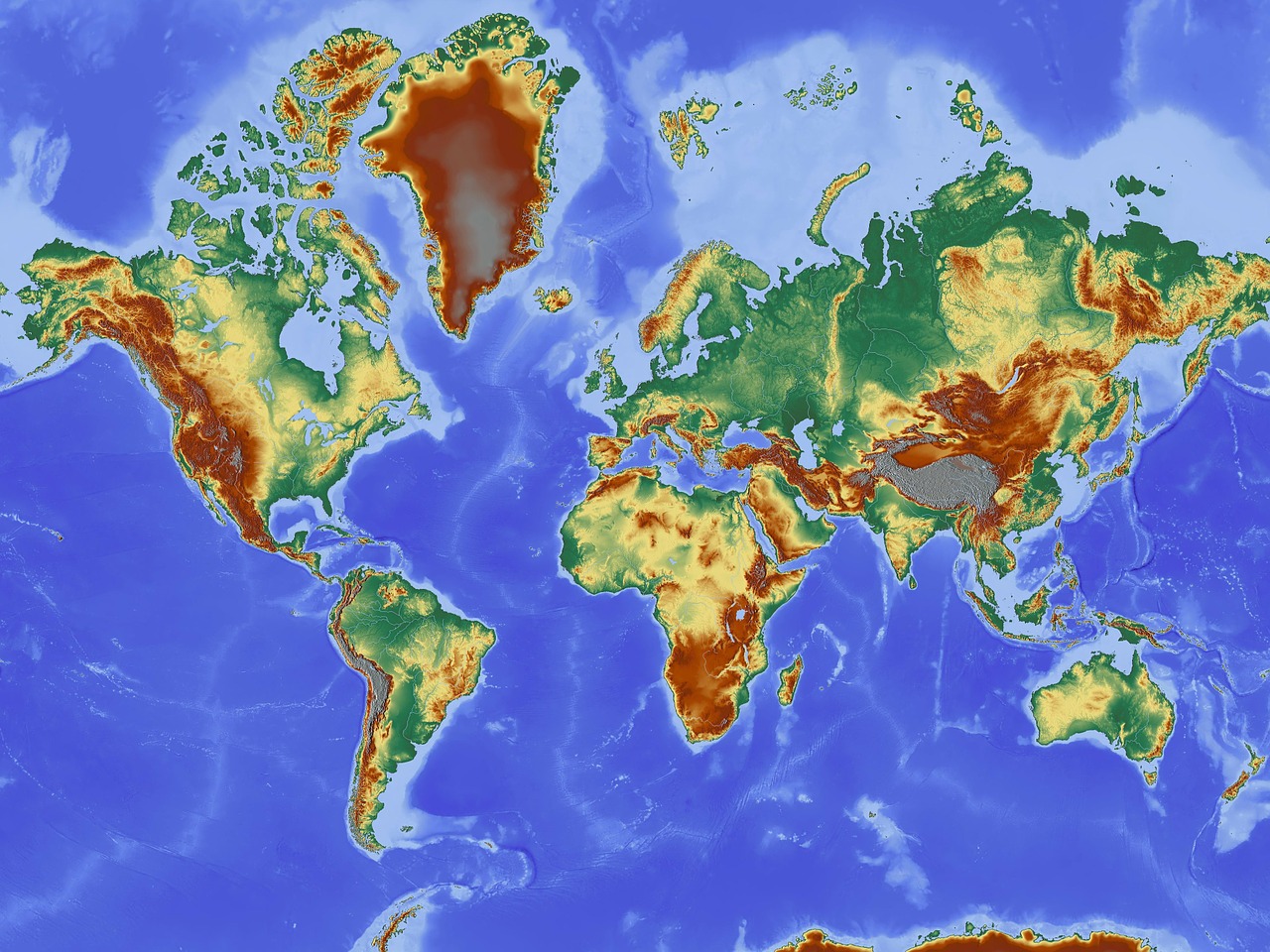
map of the world
In a pandemic, an infectious disease may spread all around the world.

Why infectious disease still matters

With healthcare focus on chronic diseases like heart disease, diabetes, cancer, and dementia, even physicians can get lulled into thinking that infectious disease has been conquered and no long a serious medical threat. This book reminded me that is not the case.

Ms. Shah recounts the history of cholera, which has caused epidemics on every continent except Antarctica, focussing on the epidemics which devastated London, New York City, and more recently Haiti.

Cholera is rare in the United States now, but in the past it has been deadly here and throughout the world. Cholera, an infection due to a bacteria Vibrio cholerae causes severe uncontrollable diarrhea which quickly renders its victims helpless, dehydrated and critically ill. The bacteria lives in and is spread by contaminated water, but for many years physicians did not know this; and even when some doctors recognized this, others refused to believe it. Thus the opportunity to control it and prevent thousands of deaths was delayed .

bacteria under the microscope
photo of the Vibrio cholera bacteria under a microscope; used courtesy of CDC/ Dr. William A. Clark

how disease spreads

The author explains how cholera and other infectious diseases cause so much human suffering by detailing “How disease spreads” in these  chapter titles.

Locomotion– Humans and pathogens travelling from place to place spreads disease.

Filth-Waste management and in some cases mis-management, leads to contamination of drinking water by human waste.

Crowds-People living in crowded slums creates perfect conditions to spread disease person to person.

Corruption– Public officials and business people who place profit and power above public health.

Blame No one willing to take responsibility for making hard choices, and too willing to blame someone else.

Ms. Shah uses examples from her personal life, like her annual family trips to India to visit relatives who lived in less than clean and sanitary neighborhoods. She also shares her and her sons’ battle with skin infections due to  MRSA, a form of staph (staphylococcal) that is resistant to many antibiotics and can be difficult to eradicate.

Pandemic includes extensive footnotes and a glossary of terms used in the book.

If you like history, current events, medical science, or just want to be more knowledgeable about why we should be concerned about infections , antibiotic resistance and vaccine phobia, you should read this book.

Here are other resources about how infections spread and how they can be stopped

For a visual lesson on how pandemics occur, watch this video.Warning: it is rather graphic. 

“How Pandemics Spread”

created by Mark Honigsbaum and animated by Patrick Blower 


When Germs Travel: Six major epidemics that have invaded America since 1900 and the fears they have unleashed

by Howard Markel

“Medical historian and pediatrician Howard Markel, author of Quarantine! tells the story of six epidemics that broke out during the two great waves of immigration to the United States—from 1880 through 1924, and from 1965 to the present—and shows how federal legislation closed the gates to newcomers for almost forty-one years out of fear that these new people would alter the social, political, economic, and even genetic face of the nation.”  (quote from Goodreads)

 At this link read how Dr. Gretchen LaSalle

blows the whistle on anti-vax false claims

an excerpt-

“Vaccines are recommended for personal health and required for the greater good. To protect those who can’t be vaccinated and to preserve the health of our communities, many vaccines are required for school entry. If you choose to participate in the community (ie, attend school), you have a duty not to harm those you come into contact with. And if you can’t make that decision for yourself, sometimes the states have to step in and make that decision for you. But still, you always have the choice to keep your kids out of school. The consequence for you is that you are now in charge of educating your own children. The consequence for your child is that their health is at risk and they are deprived of socialization and interaction with their peers. But, hey. You always have a choice! “

exploring the HEART of preventing disease

I’d love for you to follow this blog. I share information and inspiration to help you turn health challenges into health opportunities.

Add your name to the subscribe box to be notified of new posts by email. Click the link to read the post and browse other content. It’s that simple. No spam.

I enjoy seeing who is new to Watercress Words. When you subscribe, I will visit your blog or website. Thanks and see you next time.

Dr. Aletha