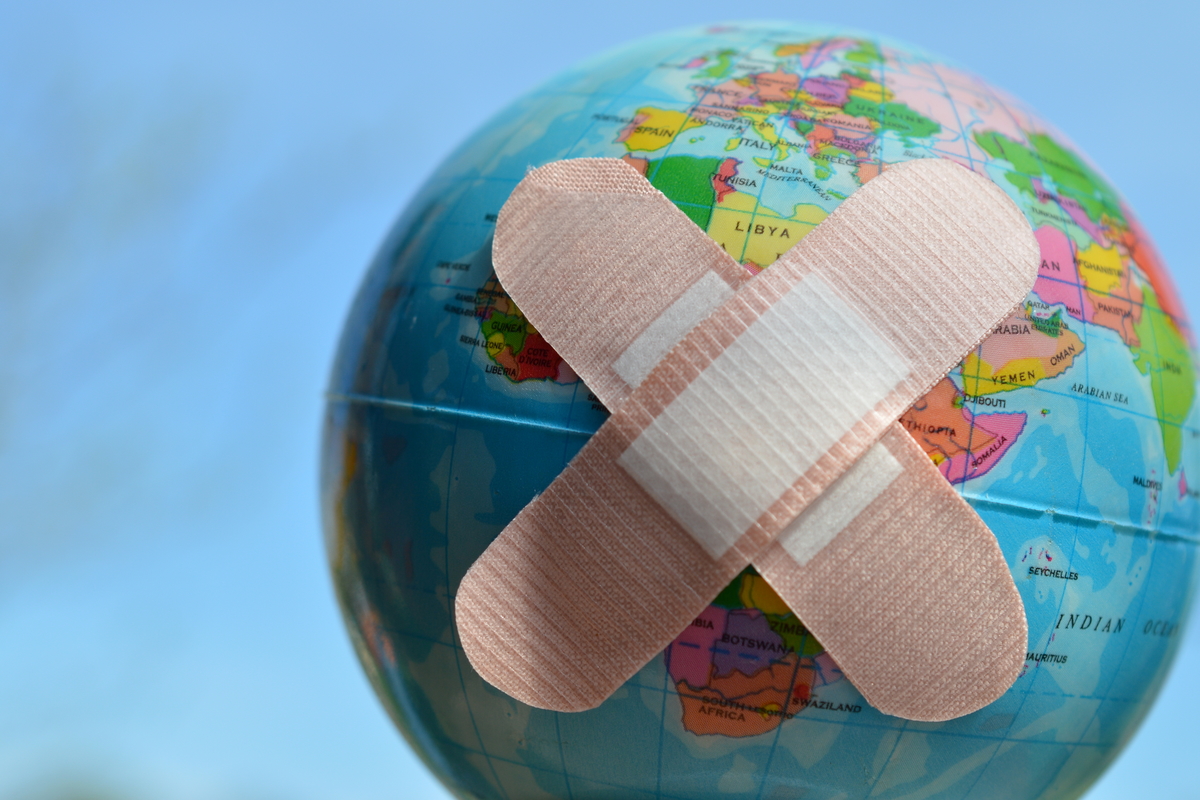
Influenza has arrived in the United States with some areas already experiencing epidemics. We pretty much expect this to happen in the winter despite wide availability of influenza vaccine.
But other diseases that haven’t been seen much in the past 20 years are making a comeback all over the world. The number of measles cases continues to climb, with 5 countries accounting for half of the world’s victims- Congo, Liberia, Madagascar, Somalia and Ukraine.
In 2019 the United States almost lost its measles elimination status because of a nearly year-long measles outbreak in New York, with the greatest number of measles cases since 1992. The New York State Department of Health declared the outbreak over in October, and the Centers for Disease Control and Prevention announced it would maintain the country’s elimination status.
And in a part of the world that conjures up images of a tropical island with sunny skies and pristine beaches, Samoan children are dying of measles due to increasingly low vaccination levels, currently only 31%. Over 5,100 measles cases have been reported since the outbreak, with 74 recorded in a recent 24-hour period alone, according to Samoa’s government.
The low vaccination rate this year was caused in part by distrust of vaccinations that spread last year after two infants died after a vaccine error- nurses incorrectly mixed vaccines with another medicine. The accident compounded the worldwide spread of misinformation about vaccines.
The anti-vaccination movement made the list of the World Health Organization’s top threats to global health in 2019.
CBS NEWS
I don’t know if anyone has suggested it , but it seems we may be entering a pandemic of measles. Here is a review of a book explaining what that means.
Pandemic by Sonia Shah
Sonia Shah , a science journalist, has built a career writing about medical science. She explains the “what” of her book in the subtitle-
Tracking contagions from cholera, to Ebola, and beyond
And she answers the “why” in the introduction-
“By telling the stories of new pathogens through the lens of a historical pandemic, I could show both how new pathogens emerge and spread, and how a pathogen that had used the same pathways had already caused a pandemic.”
Let me back up and define some terms.
Pathogen– any disease producing agent, but especially referring to a living microscopic organism, such as a virus, bacteria, or parasite; this includes the organisms that cause Lyme disease, Ebola, West Nile, HIV, bird flu, even the common cold
Epidemic– the rapid spread of infectious disease to a large number of people in a given population within a short period of time, usually two weeks or less.
Pandemic– a disease outbreak that spreads throughout a country, continent, or the world, as opposed to an epidemic, which is localized.
Why infectious disease still matters
With healthcare focus on chronic diseases like heart disease, diabetes, cancer, and dementia, even physicians can get lulled into thinking that infectious disease has been conquered and no long a serious medical threat. This book reminded me that is not the case.
Ms. Shah recounts the history of cholera, which has caused epidemics on every continent except Antarctica, focussing on the epidemics which devastated London, New York City, and more recently Haiti.
Cholera is rare in the United States now, but in the past it has been deadly here and throughout the world. Cholera, an infection due to a bacteria Vibrio cholerae causes severe uncontrollable diarrhea which quickly renders its victims helpless, dehydrated and critically ill. The bacteria lives in and is spread by contaminated water, but for many years physicians did not know this; and even when some doctors recognized this, others refused to believe it. Thus the opportunity to control it and prevent thousands of deaths was delayed .
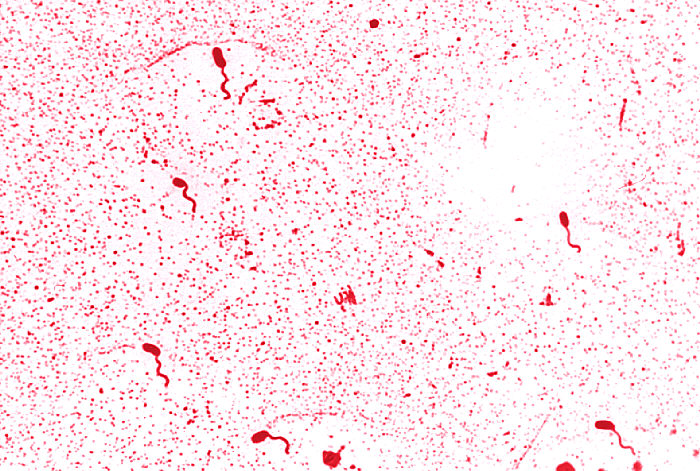
how disease spreads
The author explains how cholera and other infectious diseases cause so much human suffering by detailing “How disease spreads” in these chapter titles.
Locomotion– Humans and pathogens travelling from place to place spreads disease.
Filth-Waste management and in some cases mis-management, leads to contamination of drinking water by human waste.
Crowds-People living in crowded slums creates perfect conditions to spread disease person to person.
Corruption– Public officials and business people who place profit and power above public health.
Blame No one willing to take responsibility for making hard choices, and too willing to blame someone else.
Ms. Shah uses examples from her personal life, like her annual family trips to India to visit relatives who lived in less than clean and sanitary neighborhoods. She also shares her and her sons’ battle with skin infections due to MRSA, a form of staph (staphylococcal) that is resistant to many antibiotics and can be difficult to eradicate.
Pandemic includes extensive footnotes and a glossary of terms used in the book.
If you like history, current events, medical science, or just want to be more knowledgeable about why we should be concerned about infections , antibiotic resistance and vaccine phobia, you should read this book.
Here are other resources about how infections spread and how they can be stopped
For a visual lesson on how pandemics occur, watch this video.Warning: it is rather graphic.
“How Pandemics Spread”
created by Mark Honigsbaum and animated by Patrick Blower
When Germs Travel: Six major epidemics that have invaded America since 1900 and the fears they have unleashed
“Medical historian and pediatrician Howard Markel, author of Quarantine! tells the story of six epidemics that broke out during the two great waves of immigration to the United States—from 1880 through 1924, and from 1965 to the present—and shows how federal legislation closed the gates to newcomers for almost forty-one years out of fear that these new people would alter the social, political, economic, and even genetic face of the nation.” (quote from Goodreads)
At this link read how Dr. Gretchen LaSalle
blows the whistle on anti-vax false claims
an excerpt-
“Vaccines are recommended for personal health and required for the greater good. To protect those who can’t be vaccinated and to preserve the health of our communities, many vaccines are required for school entry. If you choose to participate in the community (ie, attend school), you have a duty not to harm those you come into contact with. And if you can’t make that decision for yourself, sometimes the states have to step in and make that decision for you. But still, you always have the choice to keep your kids out of school. The consequence for you is that you are now in charge of educating your own children. The consequence for your child is that their health is at risk and they are deprived of socialization and interaction with their peers. But, hey. You always have a choice! “
exploring the HEART of preventing disease
I’d love for you to follow this blog. I share information and inspiration to help you transform challenges into opportunities for learning and growth.
Add your name to the subscribe box to be notified of new posts by email. Click the link to read the post and browse other content. It’s that simple. No spam.
I enjoy seeing who is new to Watercress Words. When you subscribe, I will visit your blog or website. Thanks and see you next time.


 watercress words by Dr Aletha