
Welcome December: Facts, Feelings, and Festivities

December is the final month of the year, originally the tenth in the Roman calendar. It features significant holidays like Hanukkah, Christmas, and New Year’s Eve. December also marks important dates such as Pearl Harbor Remembrance Day and Medicare open enrollment. The month transitions into winter or summer, depending on one’s location.

December, is the twelfth and last month of the year, at least in the Julian and Gregorian calendars. The name comes from the Latin word for ten, decem, because it was originally the tenth month of the year in the early Roman calendar.

December Holidays

Today in much of the world, December is synonymous with holidays, including these observances. Conveniently, they keep the same date every year.

  • Hanukkah, December 8
  • Christmas, December 25
  • Boxing Day, December 26
  • Kwanza begins, December 26
Peace on earth will come to stay, when we live Christmas every day.
graphic from LIGHTSTOCK.COM, affiliate link

December 7-Pearl Harbor Remembrance Day

The United States remembers December 7 as Pearl Harbor Day.

On this day in 1941, Japanese planes dropped bombs on American ships at Pearl Harbor, Hawaii, prompting the United States to declare war and enter World War II with the other Allied nations. The war lasted another four years, finalized by a nuclear bomb dropped on Hiroshima, Japan.

This photo is of the USS Arizona Memorial, where many of the crew members still lie at rest in the water below.
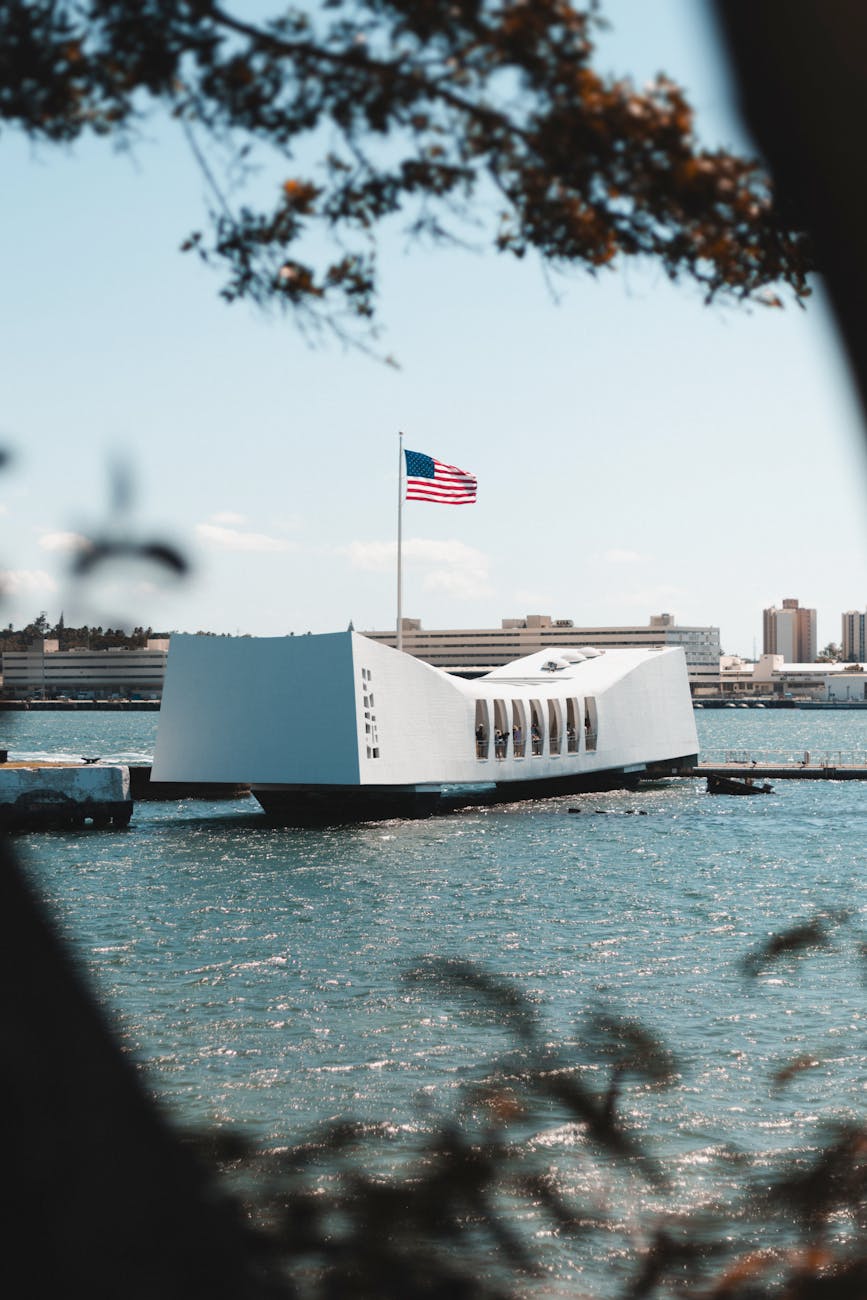
Photo by Tim Mossholder on Pexels.com

Medicare Enrollment

December 7 has another meaning. It is the open enrollment deadline for Medicare, one of the U.S. government’s healthcare plans.

Medicare is health insurance for people 65 or older. You may be eligible to get Medicare earlier if you have a disability, End-Stage Renal Disease (ESRD), or ALS ( Lou Gehrig’s disease). 

Some people get Medicare automatically, others have to actively sign up — it depends if you start getting retirement or disability benefits from Social Security before you turn 65. 

Medicare health plans provide 

Part A (Hospital Insurance) and Part B (Medical Insurance) benefits to people with Medicare. These plans are generally offered by private companies that contract with Medicare. They include Medicare Advantage Plans (Part C), Medicare Cost Plans, and Program of All-inclusive Care for the Elderly (PACE).

Even if you are already on Medicare, you need to check your coverage to make sure it is still right for you. If not, you will need to change by December 7.

Download the Medicare Handbook here.

Colorado winter vacation, photo by Dr. Aletha

The Winter or Summer Solstices

Whether you are entering winter or summer depends on where in the world you live.

Where I live, in the northern hemisphere, winter begins on December 21, the winter solstice. We call it the “shortest” day of the year because it has the least daylight hours of any day of the year.

After that date, the amount of daily sunlight gradually increases until June, when we welcome the summer solstice, which is the “longest” day of the year. South of the equator, you get to enter winter.

Seasonal Affective Disorder

In seasonal affective disorder, people feel down and depressed in the winter months.(affiliate link)

Researchers believe this is due to changes in circadian rhythms due to seasonal changes in the length of daylight. People with seasonal affective disorder feel better using artificial morning light to realign their circadian rhythm with their sleep-wake cycle.

Learn more in this previous blog article.

Understanding Seasonal Affective Disorder (SAD): Symptoms and Treatments

This new post shares information about Seasonal Affective Disorder (SAD) affecting many individuals as daylight hours decrease, causing depressive symptoms that vary between winter and summer patterns. Treatment options include light therapy, psychotherapy, antidepressants, and vitamin D supplements. It’s essential to seek help from healthcare providers if experiencing signs of SAD, which can impact mood…

Keep reading

December 31-New Year’s Eve

Is New Year’s Eve its own holiday, or just the “eve” of a holiday? Unlike Christmas Eve, it falls in a different month and year.

Or could you say it’s 364 days late in the same year?

New Zealand is one of the first places on Earth to enter a new year. The island nation sits just west of the International Date Line, the boundary where one day becomes the next.

In this map, the International Dateline is the black line along the far right margin. It runs through the Pacific Ocean. Down in the far right corner, in yellow, are the islands that comprise New Zealand.

created by Zviad Kelenjeridze, used by Creative Commons License

By the time a new year arrives in Oklahoma, much of the rest of the world has already been celebrating for several hours. When does a New Year arrive where you live?

From Resolve to Renewal

Instead of “resolutions” for the new year, consider reviewing your life, see what you need and want to change, then make goals and create plans to achieve them.

It may sound easy but can be more difficult than you think. We may not see the changes that need to be made. We don’t always tell ourselves the truth about what we need to do to make it happen.

Questions to get you started-

  • What do you want to accomplish this year?
  • What makes this important to you?
  • What will you gain by doing this?
  • What will you lose if you don’t?
  • Who could support me in accomplishing this goal?

Enlisting the aid of a trusted person, such as a friend, teacher, pastor, counselor, mentor, or coach, is worth the time and expense. Choose someone who will respect your viewpoint and choices, yet give you honest feedback and hold you accountable.

Learn more about Professional Coaching

Everyone should evaluate their health periodically; it is key to everything else in life. This past post gives you ideas to pursue.

Which health habit is important to you now?

7 Essential Health Habits for a Satisfying Life

Prioritizing essential health habits like quality sleep, nutritious eating, meaningful connections, giving, physical and mental activity, and authentic conversation promotes well-being. Implementing these strategies fosters a fulfilling and healthier lifestyle.

Keep reading

Exploring the HEART of health

I’d love for you to follow this blog. I share information and inspiration to help you turn health challenges into health opportunities.

Add your name to the subscribe box to be notified of new posts by email. Click the link to read the post and browse other content. It’s that simple. No spam.

I enjoy seeing who is new to Watercress Words. When you subscribe, I will visit your blog or website. Thanks and see you next time.

please help support this blog; consider starting with the cost of a beverage

Choose an amount

$5.00
$25.00
$50.00

Or whatever works for you

$

I welcome and appreciate your support, it helps fund this blog and share the HEART of health all over the world.

Excess funds are donated to health related charities.
Dr. Aletha

Donate
Keeping Christmas is good.But sharing it with others is even bettter. words on a background of white packages with red ribbon.

Happy Holidays,

Dr. Aletha

Navigating November Changes: Sleep, Insurance, and Elections

In November, significant changes will occur in the United States, impacting our health and daily routines. Daylight Saving Time ends on November 2, leading to shorter days. Health insurance enrollments for Medicare and Marketplace plans open, while state and local elections on November 4 will influence community health resources and services. Anticipating these changes helps us plan ahead and avoid feeling stressed.

Updated November 8, 2025

Change often seems to happen slowly, especially when we want something quickly. Sometimes change happens suddenly and dramatically, like when the world was plunged into a viral pandemic six years ago.

Some notable changes will happen in November, at least in the United States, and they can have a direct effect on our individual and collective health.

  • Time- from Daylight Saving to Standard
  • Healthcare-changing Medicare, ACA, or employer-sponsored health plans
  • Elections-Voters choose among candidates to fill multiple federal, state, and local offices

Daylight Saving Time ends on November 2

In most of the United States and Canada, we will resume standard time on Sunday, November 2 at 2 AM. Unless you’re awake at that time, you’ll probably want to change your clocks before going to bed Saturday night. (Although many clocks change automatically now.)

That means sunsets will come even earlier than they have been, and there will be fewer daylight hours until the first day of winter, December 21. If you live south of the equator, you welcome more sunshine instead.

Some people may not feel any different as far as sleep and sleepiness due to the change. For most people, “falling back” is less disruptive to sleep than “springing forward.”

Here are some tips to help you adjust to the new day-night schedule of light and dark.

Night before and morning of

  1. Keep your regular bedtime the night before — treat the clock change like a normal night of sleep so you preserve your circadian rhythm.
  2. Avoid a late bedtime because of the “extra” hour — going to bed much later undermines the benefit of the gained hour.
  3. Wake at your usual time on Monday even if you feel rested; consistent wake times anchor sleep timing and help adjust quickly.

Gradual schedule shift if you’re sensitive

  1. Shift sleep-wake by 15–30 minutes for 2–3 days before if you know you’re sensitive to schedule changes.
  2. Split the difference after the change by keeping the new clock time but nudging bedtime slightly earlier for a few nights.

Use light strategically

  1. Get bright morning light as soon as practical after waking to advance circadian timing and reduce morning grogginess.
  2. Dim evening light and avoid screens 60–90 minutes before bed to encourage melatonin production and earlier sleep onset.
Photo by Ketut Subiyanto on Pexels.com

Health Insurance Enrollment for 2025

Many people have a chance to change their health insurance in November.

Medicare is available to anyone at age 65 and certain other people. Enrollees can make changes from October 15 to December 7.

Medicare Advantage Plans (Part C)Medicare CostPlans,Demonstrations/Pilots, and Program of All-inclusive Care for the Elderly (PACE).

If you aren’t eligible for Medicare or an employer-sponsored insurance plan, you may get coverage through the Health Insurance Marketplace, with open enrollment starting November 1 through January 15.

If you are covered by an employer-sponsored health plan, you may be required to sign up for next year’s coverage, especially if you want to change coverage options. Otherwise, you may automatically be enrolled into the same plan.

Whatever plan you choose, you should carefully evaluate options, especially out-of-pocket costs. In a previous post, I reported on the problem of medical debt, due to unexpected expenses not covered by insurance.

Your out-of-pocket medical expenses may increase with a less expensive insurance plan if it requires higher deductibles and co-pays than a plan with higher premiums. You should consider the cost of anticipated health care as you choose coverage.

How to Pay for Medical Care: A Guide for Americans

In this post I review how people pay for their healthcare. In the U.S., medical care financing includes employer-provided insurance, Medicaid, Medicare, the Affordable Care Act, and COBRA. Eligibility for these programs varies based on income, age, and employment status. Additional financial assistance exists through Medicare Savings Programs and nonprofit organizations, helping manage medical bills…

Keep reading

November 4-United States Elections

You may think this is not an election year. That is correct as far as federal elections, as for President, Senators, and Representatives.

However, many state and local elections will be held on Tuesday November 4. These include elections of governors, state supreme court justices, attorneys general, and other state offices.

These elections cover a mix of executive, legislative, judicial, and local offices. Special elections may also be held to fill vacancies in Congress.

New York City, the most populous city in the United States, will elect a new mayor in 2025.
Photo by Dr. Aletha

Several major U.S. cities will elect mayors this year, including.

  • New York City
  • Charlotte
  • Seattle
  • Boston
  • Detroit
  • Albuquerque
  • Atlanta
  • Miami
  • Minneapolis
  • Cleveland
  • Cincinnati
  • Pittsburgh
  • Saint Paul
  • Greensboro
  • Jersey City
  • Durham
  • Buffalo
  • Toledo

(This list was compiled with the use of AI)

📌 Note: Election dates and contests can vary by locality. It’s always best to check with your local election office for the most accurate and up-to-date information.

You can also find election information at Ballotpedia.

Notable results

On November 4, voters elected Mikie Sherrill as governor of New Jersey (the first woman Democrat to hold that office).

Abigail Spanberger is the first woman elected governor of Virginia.

Michelle Wu was reelected mayor of Boston, Massachusetts. She was the first woman elected to that office in 2021.

Zohran Mamdani, a relative newcomer to politics and self-described “democratic socialist”, was elected mayor of New York City, the largest city in the United States.

Boston Massachusetts elects a new mayor in 2025. photo by Dr. Aletha

How Voting Affects Your Health

State and local governments play a vital role in our communities by funding, organizing, and regulating essential health services. State health departments set public health policies, direct disease prevention programs, and manage emergency responses.

Some local governments operate health departments and clinics that provide direct care like vaccinations, maternal health services, and screenings. They also monitor water quality, food safety, and environmental hazards, keeping us safer. 

Since elected officials oversee these services, voting in local elections directly impacts the quality and availability of care. Local leaders decide budgets for hospitals, mental health programs, and emergency medical services, and they influence partnerships with schools, nonprofits, and first responders.

When we vote, we choose the decision-makers who determine how resources are allocated, which programs are prioritized, and how quickly communities can respond to crises. Thus, local elections shape the health systems that touch our lives every day—making participation vital for strong, resilient communities. 

Navigating Your Changes

  1. What changes do you anticipate this month, or before year-end?
  2. What will these changes mean for you?
  3. What do you need to know and do now to be ready?

Exploring the HEART of Health

I’d love for you to follow this blog. I share information and inspiration to help you turn health challenges into health opportunities.

Add your name to the subscribe box to be notified of new posts by email. Click the link to read the post and browse other content. It’s that simple. No spam.

I enjoy seeing who is new to Watercress Words. When you subscribe, I will visit your blog or website. Thanks and see you next time.

Dr. Aletha