
Only 4 Years Ago?
I had forgotten about a post I had written in 2021 until I came across it while doing blog updates. I wrote it for National Doctors’ Day, March 30, 2021. We were in a worldwide viral pandemic due to SARS-CoV-2. It seems longer than four years ago.
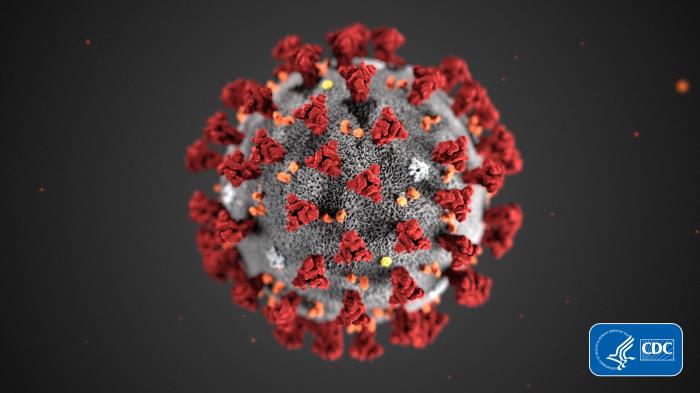
How Physicians Confronted a Pandemic
Physicians quickly became a source of information to their patients. Those who weren’t already active online began social media sites offering information and inspiration to other physicians and the public.
I and other physician bloggers devoted blog posts to education about COVID-19 and updates on the government’s response, which often were based on partisan politics, not evidence-based science.
In the original post, I shared some of the physician writers I knew. As I reviewed it, I wondered what they are doing now. I found out, and am sharing it with you now.
Paul Lynch,M.D.
Anesthesia/pain management
Dr. Lynch, a pain management specialist, traveled to New York City early in the pandemic to treat critically ill patients with COVID-19. He regularly documented his experience on his YouTube channel.
He caught COVID-19 himself, developing a serious case requiring hospitalization. After a severe illness, he recovered and returned home to Arizona where he had a pain management practice.
In one of his videos, he said
Today was a very good day we helped a lot of people we didn’t lose any one of the unit at least on our side of the unit and made a difference.
I talked to lots of family members and prayed with some family members and did the best I could to encourage and keep our patients alive ,
but if I’m honest today was the first day that I felt scared several people have asked me are you scared and I generally have not been scared.
I’ve just kind of felt like God told me I should be here and so I’m here.
Dr. Paul Lynch
Confronting chronic pain
Now Dr. Lynch has turned his attention to the vital issue of chronic pain, which frustrates both patients and their physicians. He has founded US Pain where he is CEO. In a news release he said
For years, chronic pain has been widely misunderstood and frequently misdiagnosed, leading to ineffective care and poor outcomes. Millions of people suffer from chronic pain, and they often feel unheard and alone.
We believe pain management should be different. At US Pain, we are dedicated to a holistic, patient-first methodology that combines a better approach to chronic pain care, along with mental health services, and substance abuse treatment, all aimed at promoting dignity and quality of life.
We understand that chronic pain is not merely a symptom, but a complex condition requiring a comprehensive, multidimensional approach.”
Dr. Paul Lynch
Rebecca Shadowen, M.D.
Infectious Disease
I first learned of Dr. Shadowen from reading about her in the news. As an Infectious Disease specialist, she was at the forefront of managing COVID-19 in her community.
Unfortunately, that also put her at great risk of contracting the virus herself, which she did. She developed a severe illness and succumbed to the virus she fought so hard against.
In her community, Dr. Shadowen was an advocate for public health measures which were not always well received. She died after contracting a severe COVID-19 infection, having continued her advocacy even from her hospital bed.
From her obituary
Dr. Rebecca Dawn “Hunt” Shadowen, age 62, died September 11, 2020 at the Medical Center Bowling Green after a four-month illness due to COVID-19.
She moved to Bowling Green, KY in July 1989 where she worked as an Infectious Disease Specialist up until the time of her death. She worked with the Bowling Green-Warren County CORONAVIRUS work group.
She enjoyed helping patients with their health problems and working with the doctors, nurses, and staff of the hospitals in Bowling Green and the surrounding counties in South Central Kentucky. She enjoyed helping teach medical students and residents of the Medical Center of Bowling Green and helping them with various research projects.
She had been an active medical educator for her region, continuing in clinical publications, investigational new drugs, and holds teaching affiliations at three universities.
In 2011 she was awarded “outstanding woman of achievement in health and science” by the Bowling Green Human Rights Commission. She was a member of Broadway United Methodist Church where she enjoyed attending.
The family appreciates the prayers and support given on her behalf during these past four difficult months. She is survived by her husband David and her two children Kathryn and Jesse Shadowen.
In lieu of flowers, donations may be made to the Dr. Rebecca Shadowen Research and Education Fund c/o Medical Center Health Foundation.

Rosalind Mitchell, M.D.,
Emergency Medicine
Deborah Mitchell Burton, M.D.
Pediatric Otolaryngology
I learned about Dr. Rosalind Mitchell from her sister, Dr. Debby Burton, whose blog I followed. Both of their specialities made them at risk of COVID-19, especially working in the ER.
In January of 2021, Dr. Debby Mitchell Burton announced her sister’s death in a Facebook post. Roz, as her family and friends called her, died of COVID-19 complications.
According to her obituary, Dr. Rosalind Mitchell started as an ER physician in Arizona working with the Indian Health Services.
Besides practicing, she owned and ran a restaurant and an anti-aging medical spa. She bred and showed championship ChowChow dogs and later raised beautiful chickens.
After moving to New Mexico, she became the Medical Director of Bright Haven, the regenerative medical spa she founded.
Rosalind was an avid lover of the outdoors and routinely participated in downhill skiing, cross country skiing, cycling and hiking. Her first love, however, was gardening; playing in the dirt always made her extremely happy.
The family requested planting trees in her memory.
Dr. Debby Mitchell has since retired from medical practice, but still writes and shares on her blog Dr Momma Says. And she’s writing a book
I am now embarking on a new journey as an author! My debut middle-grade mystery novel is in the editing phase.
With a strong female lead, it intends to encourage girl empowerment as well as expose middle and high school students to a wide variety of healthcare careers.
Dr. Debby

Melissa Welby, M.D.,
With her psychiatric expertise and experience, Dr. Welby offered practical advice about managing the stress of the pandemic, especially in the early days when it was all so new and unknown.
Psychiatry
“At the start of the pandemic, the majority of physicians were unfamiliar with how to use telepsychiatry, yet needed to quickly pivot so they could continue to provide care for their patients. Dr. Welby volunteered her time to privately consult and lead groups for CT physicians.
She taught many physicians how to implement telepsychiatry and educated on laws and best practices for how to provide remote care.”
How to stay positive during quarantine
On her blog she shared
Despite the limitations that come with stay-at-home orders, the range of possibilities for entertaining and enjoyable distractions are vast.
Although life balance is always important, it is now essential in order to maintain our mental health during and after the pandemic. Let’s have some fun while trying to stay positive during quarantine.
Dr. Melissa Welby
Dr. Welby continues to practice psychiatry, lecture, write, and is active on social media. On her blog she provides education to help people choose actions that support their mental well-being.


The Doctors Kudji
A mother-daughter duo made history by both graduating from medical school in 2020. At the start of the pandemic, they were starting residencies through the LSU Health System.
Cynthia Kudji Sylvester, M.D.
Family Medicine
Dr. Cynthia Kudji Sylvester is a family medicine doctor in Decatur, Alabama and is affiliated with Athens-Limestone Hospital. She received her medical degree from the University of Medicine & Health Sciences St. Kitts .
Originally from Ghana, she had wanted to be a physician since childhood. Her plans were put on hold until she had a daughter who also wanted to be a doctor. So they went to medical school at the same time.
Jasmine Kudji, M.D.
Internal Medicine- Pediatrics
Since graduating from medical school, she has been working as a pediatric resident in the Tulane-Ochsner program in New Orleans, LA. She is active on Instagram, documenting her career journey.
I aspire to do outpatient pediatrics but am open to expanding my practice to include inpatient work as well.
My goal is to effect change in and become a pillar of my community as I promote equity in access to care.
Dr. Jasmine Kudji on LinkedIn

Laurent Duvernay-Tardif, M.D.
Physician and Professional Football Player
Laurent Duvernay-Tardif played college football at McGill University in Canada, where he also attended medical school. In May 2018, he achieved one of his greatest accomplishments by graduating with a doctorate in medicine.
His commitment to medicine prompted him, during the COVID-19 pandemic, to assist in long-term care facilities in Montreal. For his efforts, he was made a Knight of the Order of Quebec in 2019.
Laurent Tardif’s professional football career began when the Kansas City Chiefs selected him in the sixth round of the 2014 NFL Draft. This made him just the tenth player from a Canadian university to be drafted into the NFL.

What I witnessed in the emergency room could directly help me when it came to playing football and being in a high-stress environment. It helped me optimize my performance on the field.
But ultimately, working in the medical field helped me define myself as more than a football player.
Dr. Duvernay-Tardif
By his second season, he had secured a starting position as the right guard, and his contributions were instrumental in the Chiefs’ victory in Super Bowl LIV. He continued playing football after he earned his medical degree. He retired from the NFL in 2023.
Now he presents keynote talks on personal growth, resiliency, wellness, mindfulness, and leadership.
Aletha Cress Oglesby, M.D.
Family Medicine
Since you’re reading this, you know I’m still writing a blog and have for 10 years. When I started I never imagined I’d be writing this long.

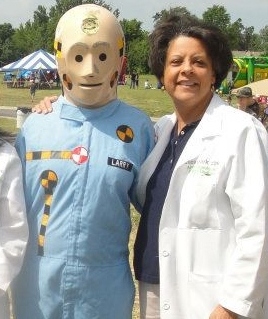
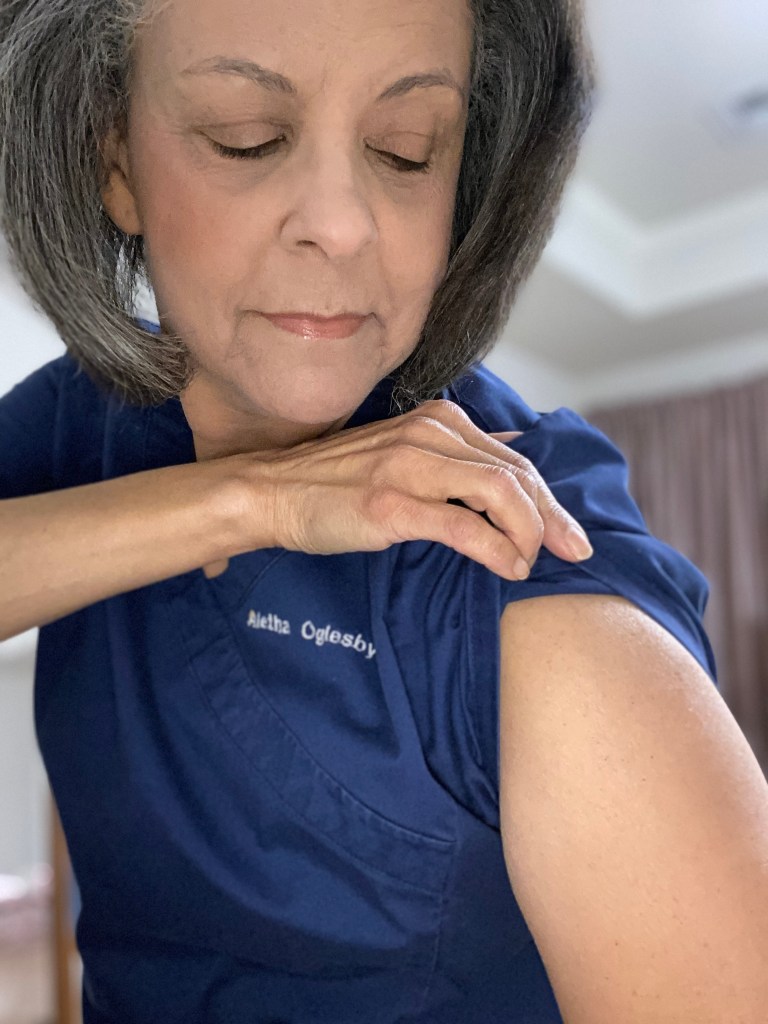
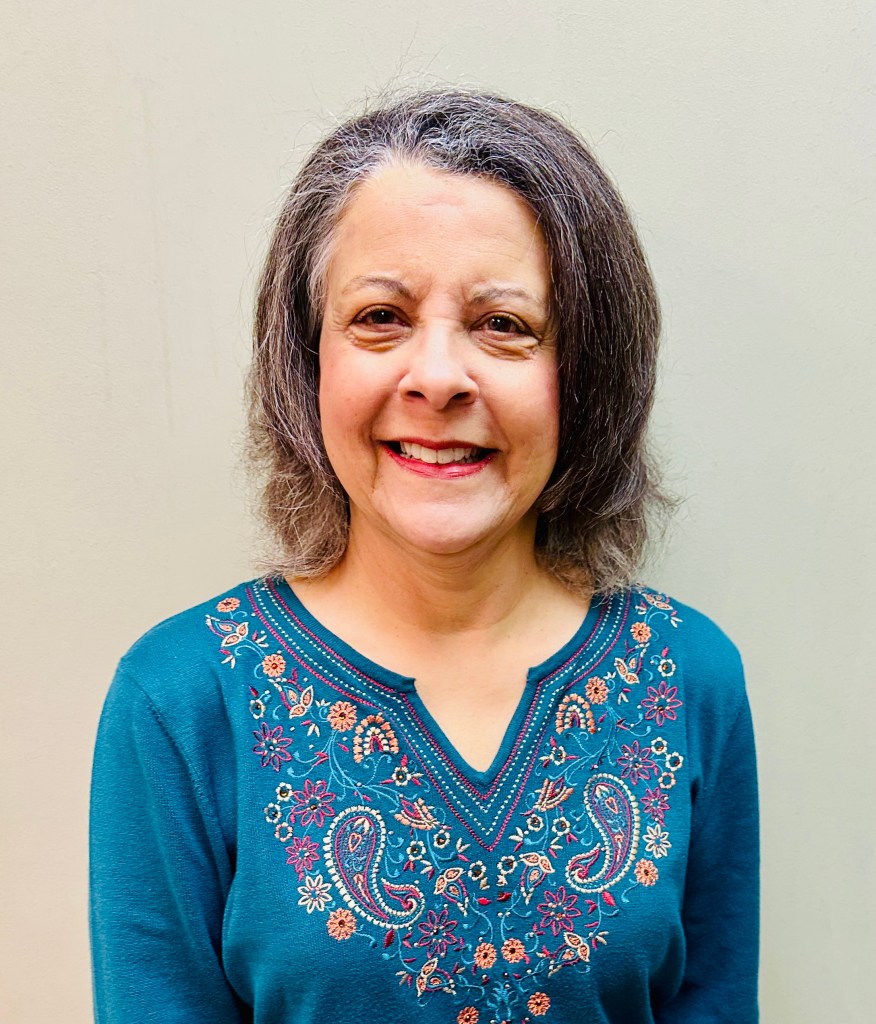
I retired from medical practice in September 2022, but not due to the pandemic. The pandemic made me more committed to working with patients.
Now I use my family medicine knowledge and experience for health and wellness coaching, something I rarely had time to do in practice.
As a health coach, I partner with clients to create personalized plans for health, wholeness, and well-being. I guide them in identifying needs, removing barriers, and taking action.
When people LIVE WELL, they can fulfill their passions, potential, and purpose.
For reflection
As you’ve read this, I wonder how the pandemic affected your attitude and interactions with healthcare providers.
- Is your doctor still practicing? If so, what changes do you notice in their office routine or practice style?
- How did the pandemic affect your attitude toward health and healthcare?
- How will you respond in case of another pandemic?
Image and Content Sources
Some of the illustrative images in this post are from the LIGHTSTOCK.COM collection, an affiliate link. Consider Lightstock for your photo and graphic needs. When you access their quality media, you help this blog inform and inspire us to discover the HEART of health.
The photos are not directly connected to the featured physicians. Their stories are based on publicly shared content found at the hyperlinks.
This post is for information and does not imply affiliation or endorsement.

exploring the HEARTS of physicians
I’d love for you to follow this blog. I share information and inspiration to help you transform challenges into opportunities for learning and growth.
Add your name to the subscribe box to be notified of new posts by email. Click the link to read the post and browse other content. It’s that simple. No spam.
I enjoy seeing who is new to Watercress Words. When you subscribe, I will visit your blog or website. Thanks and see you next time.
Dr. Aletha
- About Dr. Aletha
- How to Use this Site
- Make Your Life Easier
- Search by Category
- Share the HEART of health
- my Reader Rewards Club
- RoboForm Password Manager
A review of a book about other healthcare workers during the pandemic
The Helpers-a book review
“The Helpers” by Kathy Gilsinan focuses on the untold stories of pandemic heroes. It sheds light on ordinary people who demonstrated extraordinary courage and selflessness during the chaotic times of the SARS-CoV-2 pandemic. The book also highlights the government’s flawed response, emphasizing the resilience and unity of the people despite political divisions.





 watercress words by Dr Aletha