A college graduate receives a gift certificate for a book, choosing a technical manual for his engineering career. This post reflects on the need for coping mechanisms for life’s stressors, sharing five essential steps to manage stress and strain. These steps include maintaining a routine, seeking social support, focusing on the positive, staying active, and nurturing one’s inner self.
As a college graduation gift, I gave a friend’s son a gift certificate to a bookstore. He has earned a mechanical engineering degree and will work as a rocket structural engineer.
He sent me a nice handwritten thank you note (which few people do these days) and said he plans to use it to buy a book that other structural engineers recommend. The book is Roark’s Formulas for Stress and Strain.
Wouldn’t it be nice if there were a “formula” for handling the stress and strain of life?
Many health issues would resolve or be easier to manage if life stressors would just go away. Three-fourths of the patients treated by primary care physicians have problems aggravated by emotional, social, or behavioral issues.
No quick fix to stress and strain
Life’s interruptions and disruptions won’t disappear, but you can make them less of a strain on your time, energy, and resources. There’s usually no quick fix but 5 steps can lessen their impact.
I learned the value of these steps when I dealt with the stress of a foot fracture that required surgery to correct and a longer convalescence than I expected. For someone who is used to being active, the prolonged inactivity stressed me both physically and emotionally. These 5 steps were already a part of my life, but consciously choosing them helped me cope with what would otherwise cause frustration and sadness.
5 steps to Manage Life’s Stress and Strain
1. Create and maintain a routine and schedule.
Having a plan for your time helps you feel more in control of your life. Resist the tendency to become socially isolated or avoid activities you usually enjoy.
Times of crisis, loss, or illness may leave you feeling disconnected and adrift, but having a schedule provides structure and connection. When you are busy, you are less likely to feel overwhelmed and hopeless.
2. Recognizing and reaching out to social supports
Your family and friends are your first line of support during times of stress and duress. It’s nice if we don’t have to ask for their support, but their lives are busy too, so don’t be hesitant to ask for help if you need it. If they don’t call you, call them.
Conversation over coffee can be therapeutic. graphic from the Lightstock collection( affiliate link)
Other sources for help include your healthcare professionals; don’t be embarrassed to share that you need social and emotional support. Your doctor can help you identify and get connected with community resources.
Look for help from your or your spouse’s job, your religious community, organizations you belong to, your school, and online resources for support- educational sites, forums, and support groups. Although not as personal as face-to-face support, these are helpful if you are physically isolated or mobility is difficult.
3. Reframe by refocusing on the positive rather than the negative.
Recognizing and emphasizing the positive in life makes the problems less overwhelming and distressing. Look for something to be grateful for, or that brings a little joy into your day. It may be as simple as flowers blooming in your yard, your favorite tea and sweet, or a funny story in a magazine.
Balloons are nice, too.
Remembering and observing happy events, occasions, and celebrations can also be sources of renewed joy.
Norma, a woman facing terminal illness, reframed her crisis by finding joy in small things, like jigsaw puzzles, new foods, and a “good perm”. Read more about her at
Physical activity doesn’t have to be a chore, boring, or expensive. Many things can be done at home or in your neighborhood-walking, bicycling, cardio, yoga. If exercise isn’t your thing, try dancing, gardening, and swimming.
If your physical mobility is limited, try something stimulating mentally- sewing, crafts, games, puzzles, writing, and cooking are just a few possibilities.
5. Nurture your inner self
Sometimes we need to withdraw from outward activities and stimulation for times of quiet rest and reflection.
You may find help from mindfulness, meditation, prayer, devotional reading, music, journaling, or a combination of these approaches.
I use the breathing exercises on my Fitbit App to relax and unwind after a long day.
Many people find using their phones a convenient way to read and meditate on the Bible. And it’s easy to do so with the Dwell Bible App.
With Dwell you can listen to and read the Bible and special devotional offerings for Advent, Lent, and throughout the year.
These affiliate links may help you deal with stress and strain. (At no extra cost to you, purchases through this link help me fund this blog.)
My Reader Rewards Club is a great way to earn free books and Bibles for yourself, friends, and family! Your journey to earning free faith-based products starts HERE. (When you sign up through these links, I can earn free books too.)
As a member, you’ll have access to inspiring literature, Bibles, special promotional offers, and much more. Earning points is easy—you’ll receive 25 points just for signing up!
You’re likely reading this post on a computer, tablet, or mobile phone, so you visit sites that require a password. How do you remember them all? You don’t have to if you use RoboForm Password Manager.
My husband introduced me to RoboForm years ago and I am glad he did. I have used it continually to remember my passwords so I don’t have to. It syncs to both my computer and my phone so my passwords are always available. It will even generate passwords for me.
If computer problems cause you stress, you may find help from my husband’s tech blog. He’s a computer guy with years of professional experience and he’s now sharing tips at
I’d love for you to follow this blog. I share information and inspiration to help you transform challenges into opportunities for learning and growth.
Add your name to the subscribe box to be notified of new posts by email. Click the link to read the post and browse other content. It’s that simple. No spam.
I enjoy seeing who is new to Watercress Words. When you subscribe, I will visit your blog or website. Thanks and see you next time.
Dr. Aletha
Use these links to share the heart of health wherever you connect.
Team USA, managed by the US Olympic Committee, is a federally chartered nonprofit corporation without federal financial support. The world-class Olympic Training facility in Colorado Springs houses both Olympic and Paralympic athletes. The tour highlights the importance of physical activity, provides guidelines for optimal health, and shares winning attitudes. The facility is open for visits.
“a federally chartered nonprofit corporation and does not receive federal financial support (other than for select Paralympic military programs). Unlike most other nations, the United States does not have a sports ministry.”
USOC
“The USOC has two primary responsibilities in its oversight of Olympic and Paralympic sport in the United States.
to generate resources in support of its mission, which is to help American athletes achieve sustained competitive excellence.
to ensure organizational resources are wisely and effectively used to that end.”
A visit to Team USA in Colorado Springs
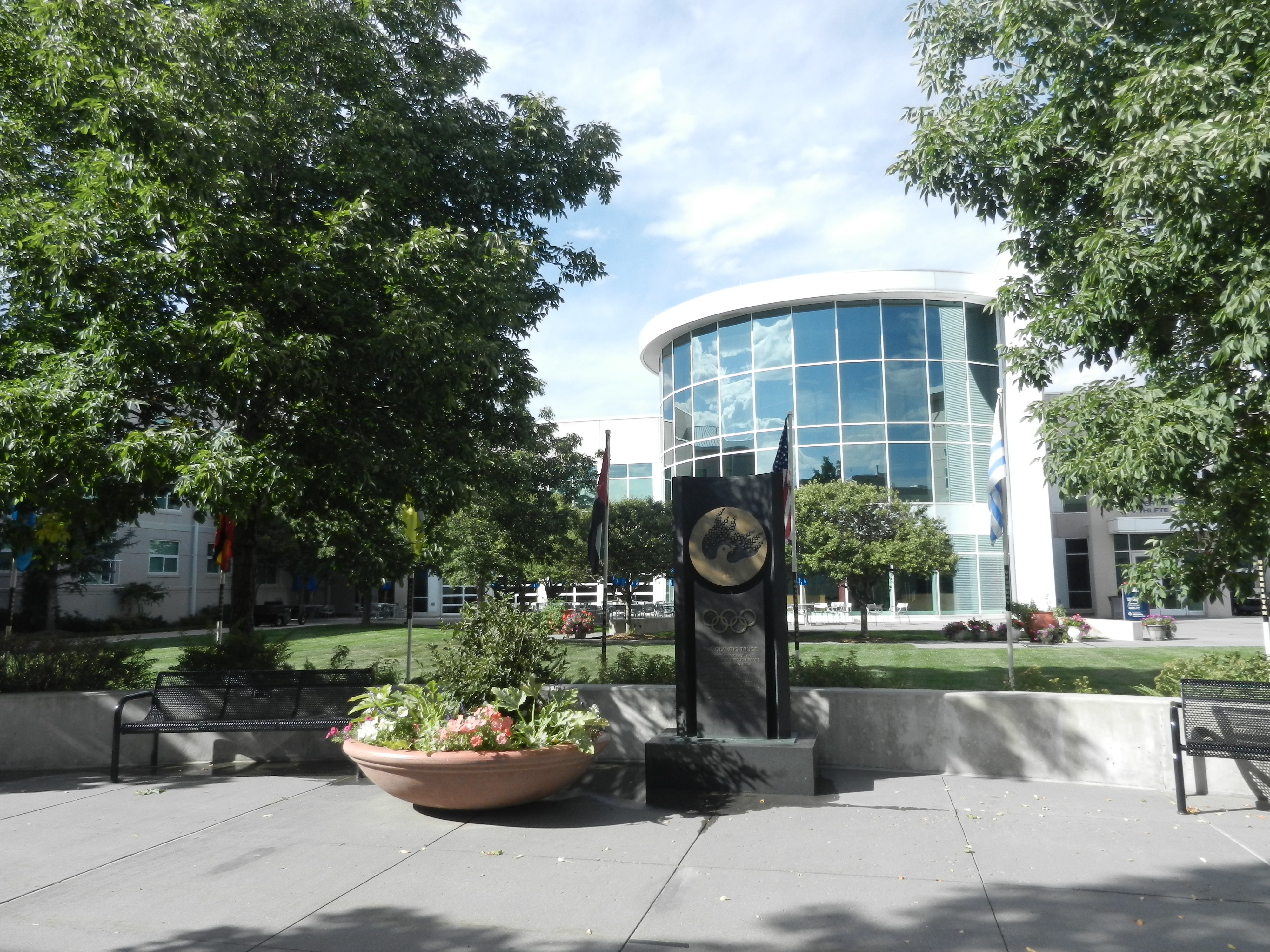
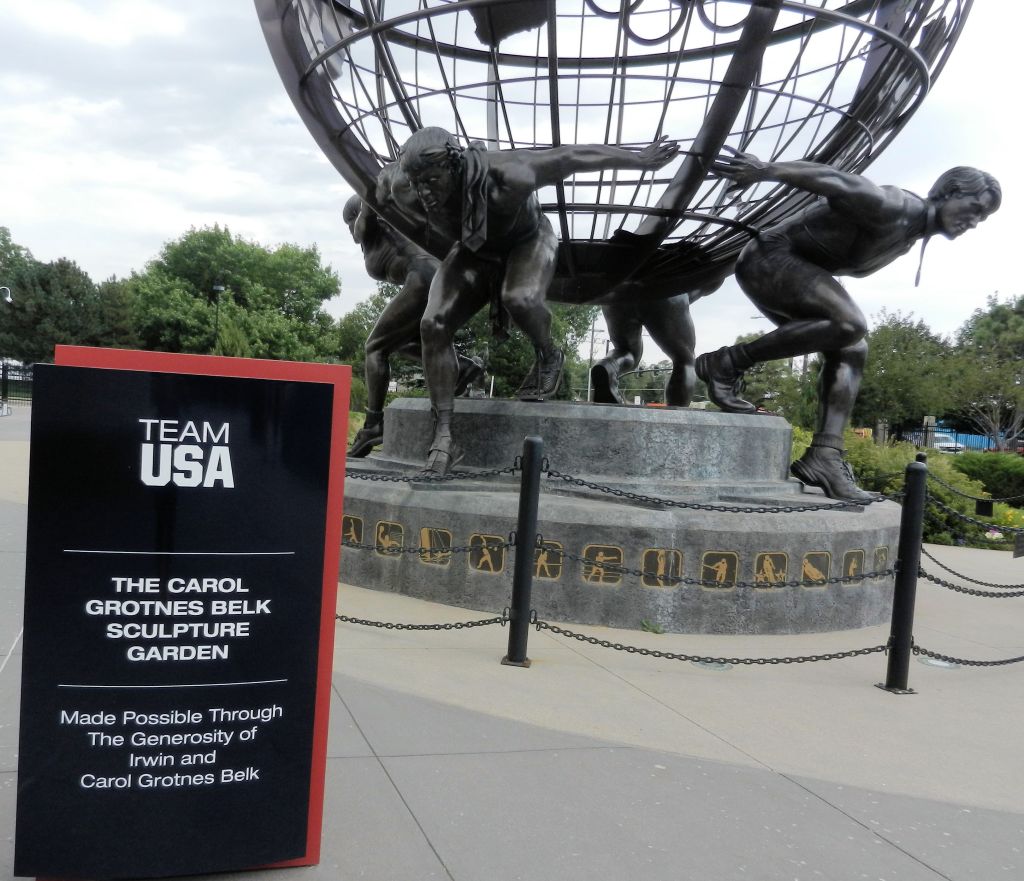
I toured the United States Olympic Training facility in Colorado Springs, Colorado. Both Olympic and Paralympic athletes train and live here. The facilities are state-of-the-art, modern, and open for visits and tours.
In this post I’m sharing my tour with you.
brief history of the Olympic Games
As much as I admire the elite athletes who comprise the Olympic team, the Paralympic athletes captivate my imagination.
These athletes compete with, not despite, significant physical impairments. Many of them play and compete in physically demanding sports without full use of their arms and legs; some don’t even have all of their arms and legs.
Lessons for sports and life
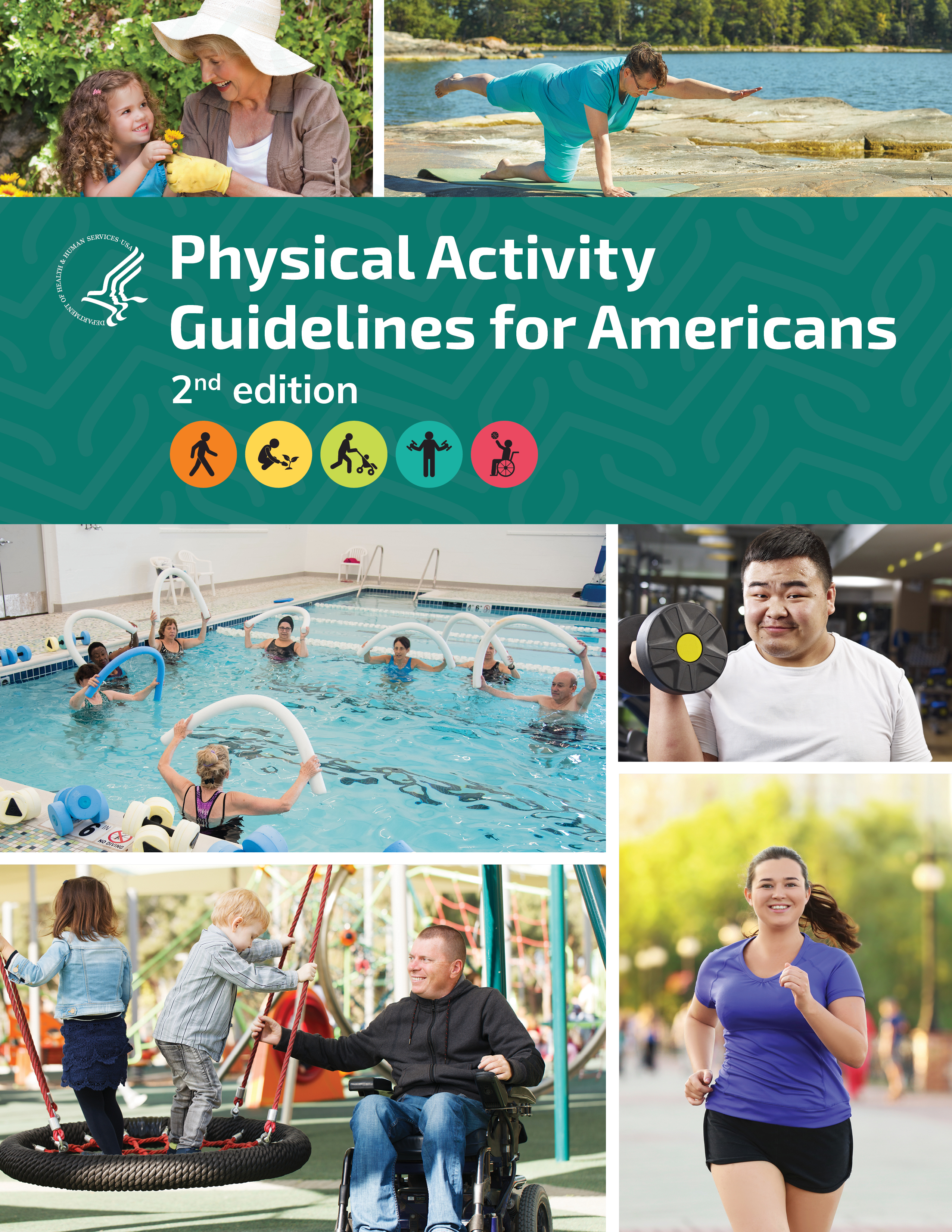
As we walked around the complex on a guided tour, I was reminded of the importance of physical activity for our physical and mental health. Although there is conflicting advice on preventive health, all experts agree that physical activity is vital to achieving and maintaining optimal health and well-being.
click the image to access and download a copy of the guidelines
Adults caring for children this age should encourage active play (light, moderate, or vigorous intensity) and aim for at least 3 hours per day.
Each day, youth ages 6 through 17 need at least 60 minutes of moderate-to-vigorous activity to attain the most health benefits from physical activity.
To attain the most health benefits from physical activity, adults need at least 150 to 300 minutes of moderate-intensity aerobic activity, like brisk walking or fast dancing, each week. Adults also need muscle-strengthening activity, like lifting weights or doing push-ups, at least 2 days each week.
The first key guideline for adults is to move more and sit less.
New evidence shows that physical activity has immediate health benefits
We now know that any amount of physical activity has some health benefits. Americans can benefit from small amounts of moderate-to-vigorous physical activity throughout the day.
Medical studies show that exercise can prevent or improve many chronic health conditions and lack of exercise contributes to many diseases.
Physical activity may reduce the risk of cancers of the breast, colon, uterus, prostate and pancreas.
Regular exercise may help prevent diabetes and heart disease.
Exercise relieves joint and back pain due to arthritis.
Depression is improved with physical activity .
Winning Attitudes
As we walked through the USA Shooting area I picked up a flyer titled “Winning Attitudes”, which I’m sharing with you along with my photos.
I hope they will encourage you to develop a “winning attitude” in all areas of your life.
lesson 1
Become excited, confident, and enthusiastic about your goals.
lesson 2
True confidence is based on the thoroughness of preparation.
lesson 3
Winners have the ability to look inside themselves and find that special dream.
lesson 4
Winners focus on solutions, not problems.
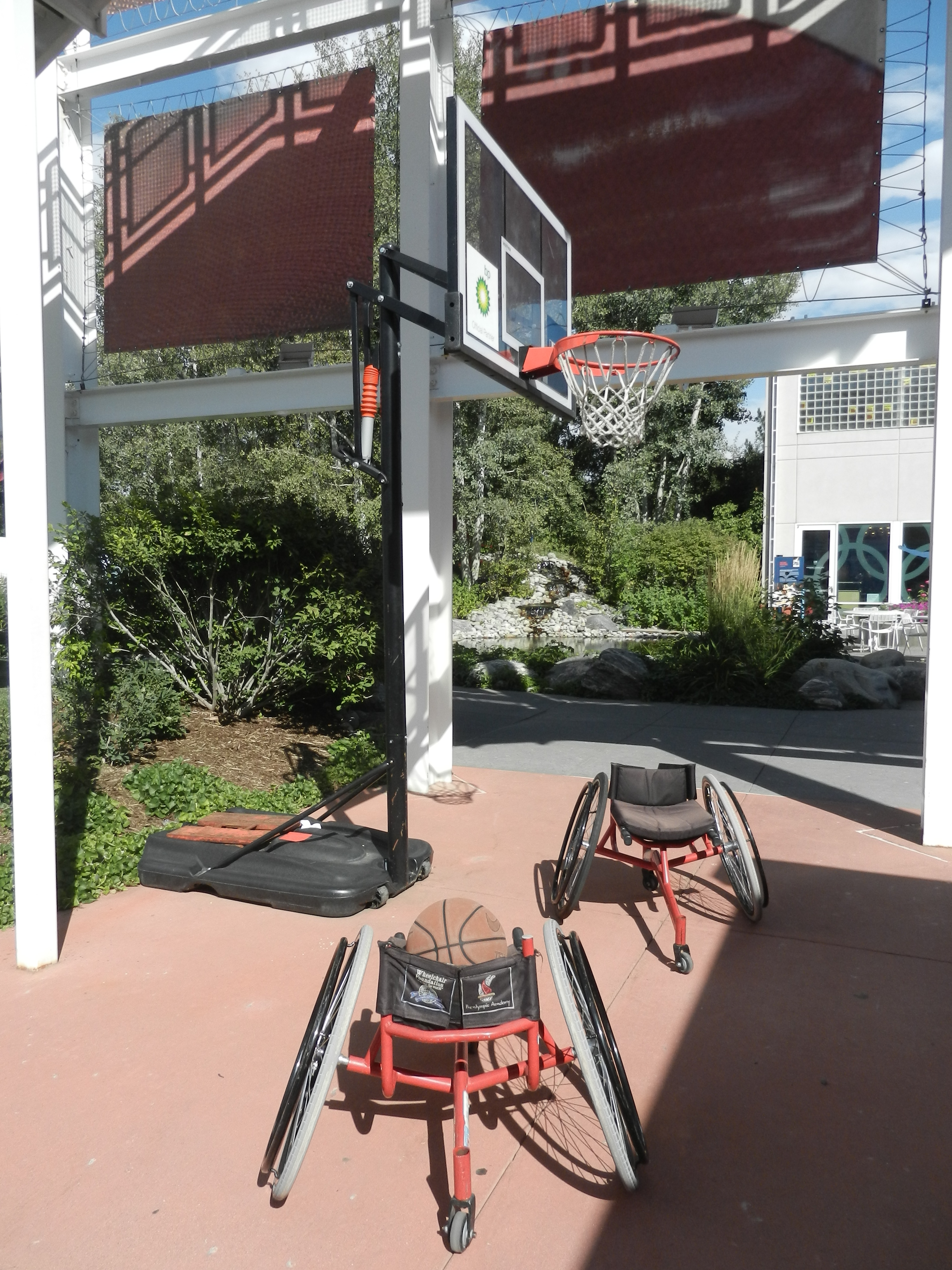
wheelchairs adapted for playing
lesson 5
Winners have positive attitudes in all elements of their lives. The more you think about, talk about, and write about a thing happening, the greater the certainty of that thing happening.
on display in the Hall of Fame
lesson 6
Goals should identify minimum performance levels. They should never limit your performance.
a real “olympic sized” swimming pool
lesson 7
Real winners are champions in life, not just in sports.
Runner Tyson Gay and gymnast Mary Lou Retton in the Hall of Fame
lesson 8
Missing a goal means setting another goal to strive for.
multi use gymnasium
lesson 9
A champion constantly learns and improves.
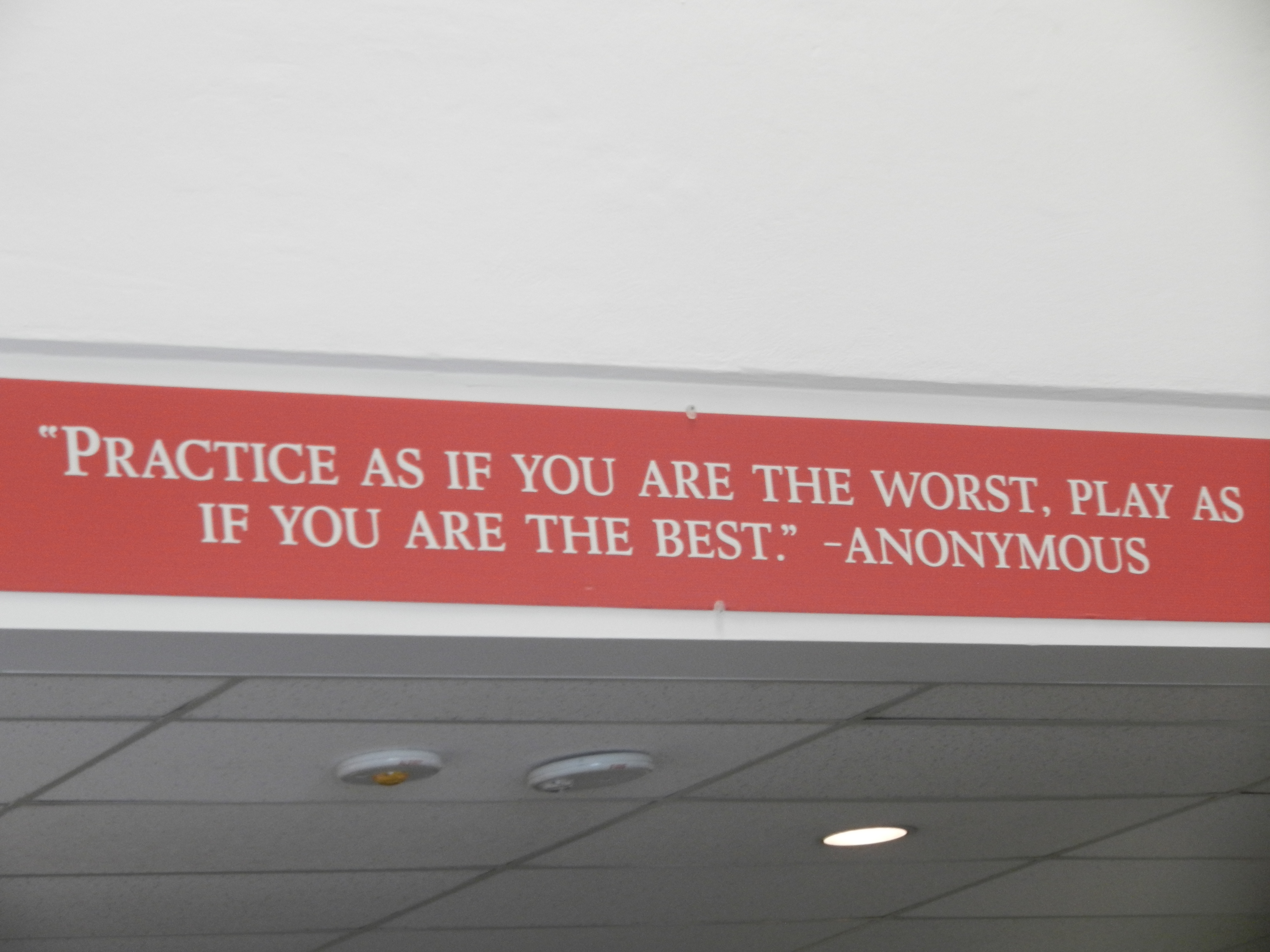
words to train by and live by
lesson 10
Champions are willing to risk a little in the short run to gain an advantage in the long run.
lesson 11
Winners have the ability to look inside themselves and find that special dream.
lesson 12
Excellence is achieved only through constant pursuit.
passing the torch
lesson 13
A champion constantly learns and improves .
The athletes live, eat, and sleep here.
lesson 14
Real winners are champions in life, not just sports.
lesson 15
Don’t just achieve your goals; strive to exceed your goals.
Are YOU a CHAMPION?
Which of these “winning attitudes” do you live by?
Which might you adopt?
sharing the HEART of champions
I hope you enjoyed this tour through the Olympic Complex. If you go to Colorado Springs, be sure and visit.
I’d love for you to follow this blog. I share information and inspiration to help you transform challenges into opportunities for learning and growth.
Add your name to the subscribe box to be notified of new posts by email. Click the link to read the post and browse other content. It’s that simple. No spam.
I enjoy seeing who is new to Watercress Words. When you subscribe, I will visit your blog or website. Thanks and see you next time.
Dr. Aletha
Use these links to share the heart of health wherever you connect.


























 watercress words by Dr Aletha