
updated January 29, 2026
Do you feel heard after leaving your doctor’s office? Do you feel you understand what the doctor said to you?
Surveys suggest doctors and patients often fail to communicate effectively, so public and private medical organizations have implemented programs to improve “patient engagement”. But what exactly does that mean?
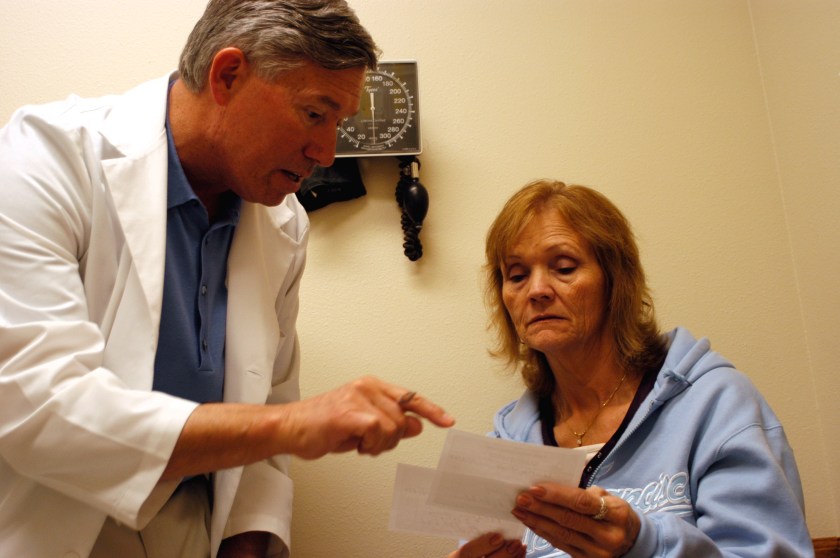
A failure to communicate
Patients may feel that doctors ignore their questions, dismiss their concerns, don’t listen to them, don’t spend enough time with them, and don’t use language they can understand.
Physicians wonder why patients withhold important health information, fail to follow up with recommendations, and don’t ask questions or express their concerns.
The main problem with health care communication is that it involves people- and people frequently communicate poorly, and sometimes not at all. It never will be perfect. But we can do better.
So what is true patient engagement anyway?
Dr. Rob Lamberts writes
“Engagement is about interaction, listening, and learning in relationship to another person.”
Barbara Ficarra, R.N., puts it this way:
“Patient engagement is a connection between patient, caregiver and health care provider.
Patients and their families are empowered and they are active in health care decisions.
Those patients and consumers who choose to be actively involved and in charge of their health work together with their health care providers to successfully reach their health goals and needs. “
Why try to communicate better?
To make healthcare interactions more effective, efficient, and empowering, doctors and patients need to develop skills that may differ from what they have done in the past.
Communication is a connection allowing access between persons

From Connection to Communication
If we try to start exchanging information, thoughts, and feelings before we connect, it is likely to be unsatisfactory.
For example- think about a recent retail service experience – one that worked and one that didn’t. Perhaps it was a call to customer service for a phone service problem. Or maybe you spoke with a salesperson at a car dealership.
Whatever the situation, and outcome, you probably rated it more favorably if you felt connected with the person helping you.
When I called my medical insurance carrier to resolve some unpaid claims I dreaded the call, expecting a difficult unpleasant conversation.
But the representative was professional, efficient, and confident. She started immediately by telling me her name and position, then asked me my name.
Next, she accessed and reviewed my account, giving me feedback about what she found. Then we started working on my problem and continued until it was resolved.
I was surprised to have the situation taken care of efficiently. And in doing so, I felt empowered.
In dealing with others be willing to be frank , flexible, and forgiving.
Connection-Who
Customer service depends on connecting, and that usually starts with knowing who you are dealing with. The first item we exchange in any human interaction is usually our name.

You should learn your doctor’s name and credentials- MD, D.O., and specialty- internal medicine, cardiology, psychiatry, etc., what kind of doctor are they?
What is this doctor’s role in your care? Is this doctor primary or a consultant, and what issues are each managing? (especially in a hospital situation)
Tell your doctor what name you prefer to be called if it’s different than the name on file. Your doctor should know who is your legal next of kin or who has POA (power of attorney if applicable)
Introduce other family and friends and identify the primary contact person; this first level of receiving and giving information, is especially important in the hospital setting. This will create continuity as the doctor speaks to the same person every day.
If you take a friend or relative to your doctor’s office with you, make sure they understand what their role is. Your family’s insights and observations provide helpful information to supplement what your doctor learns from you. They can help you remember and understand answers and instructions. But this isn’t a time for them to discuss their own medical issues with the doctor.
Connection-Where
Where you interact with your doctor is important as interaction may be quite different in a private office setting vs an urgent care clinic vs an emergency room vs in a hospital. But general principles apply to all settings.
Approaching others with generosity, grace, and gratitude makes it easier to connect.

Ideally it should be as comfortable as possible, private, and quiet, so you can hear and see each other well.
Friendly greetings are fine anytime you encounter your doctor, but discussions of personal medical information don’t belong in the hallway, elevator, or cafeteria. Likewise, if you run into your doctor at church or the grocery, just say hello.
Connection-How
Come to an office visit prepared. If you have test results, previous medical records, xrays, etc. bring them with you or request they be sent. With electronic medical records, this is quicker and more efficient for medical offices.
An up-to-date list of all medications you take is a must- include names, dosage, and how often taken; better yet, bring the meds with you. Include non-prescription drugs, supplements, vitamins.
Turn off your phone.
Ask the office how long the appointment is for, realizing that it will only be an estimate; it will depend on what you and the doctor end up discussing and what you need.
Showing up on time helps the office keep to their schedule and shows the doctor you are serious about your care and respectful of other patients’ time.
(If the office is consistently poor at time management, address it respectfully; sometimes it is best to move on if this continues to be an issue that bothers you.)
Most hospitals and clinics have abandoned paper charts for computers, using electronic health or medical records- EHRs or EMRs. Computer use in the exam room or bedside has changed the dynamic between doctors and patients in ways that were unexpected and challenging. Here is the link to a post I did addressing the issue of
Electronic Health Records- Challenges and Changes

The Value of Connection
Connecting with your physician depends on acknowledging feelings- worry, fear, despair, hope, relief, anger, resentment, frustration. Give feedback respectfully; if anything about your care is not as expected, or doesn’t seem appropriate, or you just don’t understand something, speak up.
Expressing feelings honestly and respectfully, and listening with empathy and respect can build trust and a connection for effective information exchange – communication.
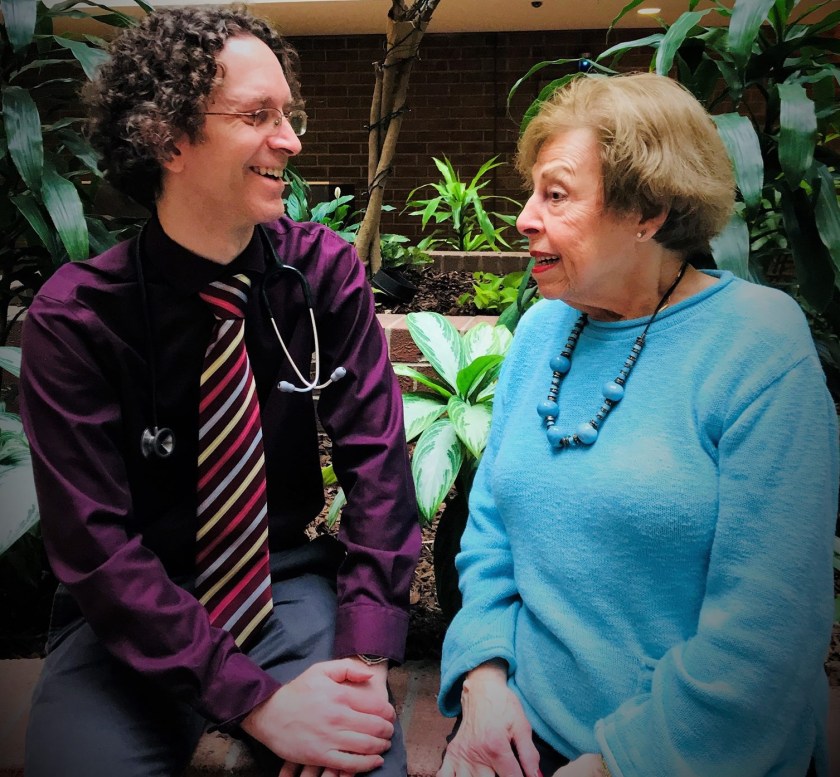
Dr. Jonathan Weinkle discusses connection and relationships in his book
HEALING PEOPLE NOT PATIENTS: Creating Authentic Relationships in Modern Healthcare
which I reviewed at this link.
Awareness and Application
Considering your interactions with your primary health care practioner, how do you rate the effectiveness of the communication? How satisfied are you with this?
What is the best aspect of your communication? What is the worst?
How will you use these ideas to maintain or improve the quality of your interactions with this and other providers?
Exploring the HEART of Communication
You can connect with me on social media using the links in the sidebar.
I’d love for you to follow this blog. I share information and inspiration to help you transform challenges into opportunities for learning and growth.
Add your name to the subscribe box to be notified of new posts by email. Click the link to read the post and browse other content. It’s that simple. No spam.
I enjoy seeing who is new to Watercress Words. When you subscribe, I will visit your blog or website. Thanks and see you next time.
Dr. Aletha
Explore this Site
- About Dr. Aletha
- How to Use this Site
- Make Your Life Easier
- Search by Category
- Share the HEART of health
- my Reader Rewards Club
- RoboForm Password Manager

 watercress words by Dr Aletha