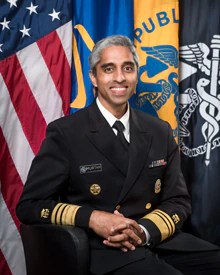
Before the end of his term as Surgeon General this year, Dr. Vivek Murthy issued an advisory about alcohol and its association with cancer. Known as the “Nation’s Doctor”, the Surgeon General informs Americans about the best scientific information available on how to improve their health and reduce the risk of illness and injury.
President Trump has appointed two physicians to become the new Surgeon General. The first nomination was withdrawn and the second is pending Senate confirmation.
In this post I explain what Dr. Murthy wanted Americans to know about the risk of alcohol drinking so we can make wise decisions about our personal alcohol use.
Alcohol-Leading Preventable Cause of Cancer
Alcohol use is common—in 2019-2020, 72% of U.S. adults reported they consumed one or more drinks per week. But less than half of U.S. adults are aware of the relationship between alcohol consumption and cancer risk.
The direct link between alcohol use and cancer was first established in the late 1980s, and evidence for this link has strengthened over time.
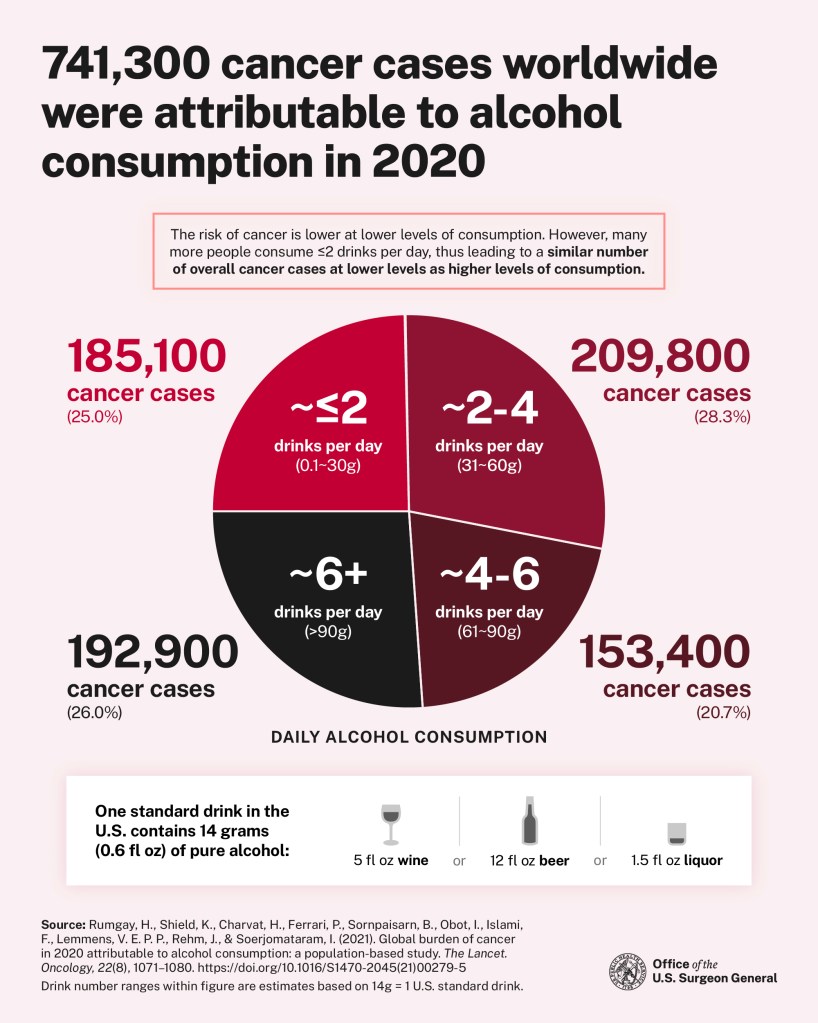
The risk of cancer is greater with larger amounts of daily alcohol consumption. However, since most people drink small or moderate amounts, there are many alcohol related cases in these groups.
The three leading preventable causes of cancer in the United States are tobacco use, obesity, and alcohol drinking.
Alcohol and Cancer Risk Advisory
How Alcohol Can Cause Cancer
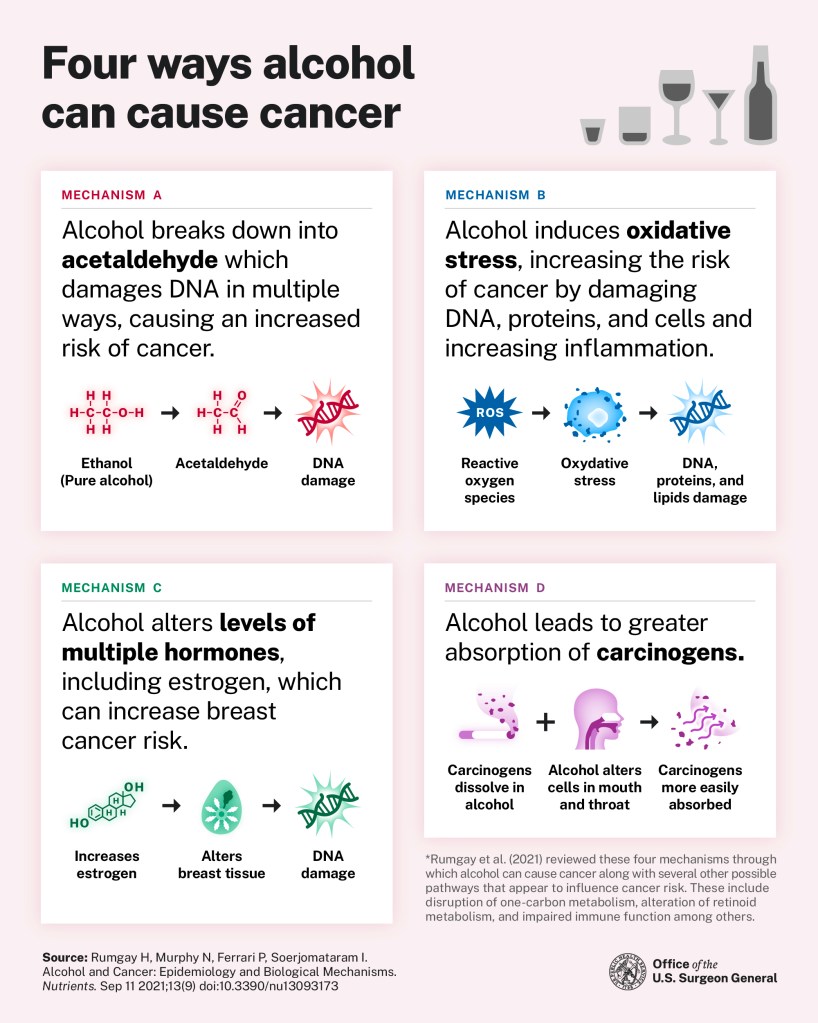
First, alcohol breaks down into acetaldehyde in the body. Acetaldehyde causes cancer by binding to and damaging DNA. When DNA is damaged, a cell can grow uncontrollably and create a cancerous tumor.
Second, alcohol creates “oxidative stress”, which increases inflammation and can damage DNA, proteins, and lipids in the body through a process called oxidation.
Third, alcohol alters hormone levels (including estrogen), which play a role in breast cancer.
Fourth, carcinogens from other sources, especially particles of tobacco smoke, can dissolve in alcohol, making it easier for them to be absorbed into the body, increasing the risk for mouth and throat cancers.
The best-established evidence is on the first two pathways of acetaldehyde and inflammation.
Hormonal regulation and alcohol as a solvent are widely thought to be important pathways for carcinogenesis but are not yet fully understood.
Research also continues on other possible mechanisms, including folate deficiency.
Men and Women are at Risk from Alcohol
Alcohol Associated Cancers
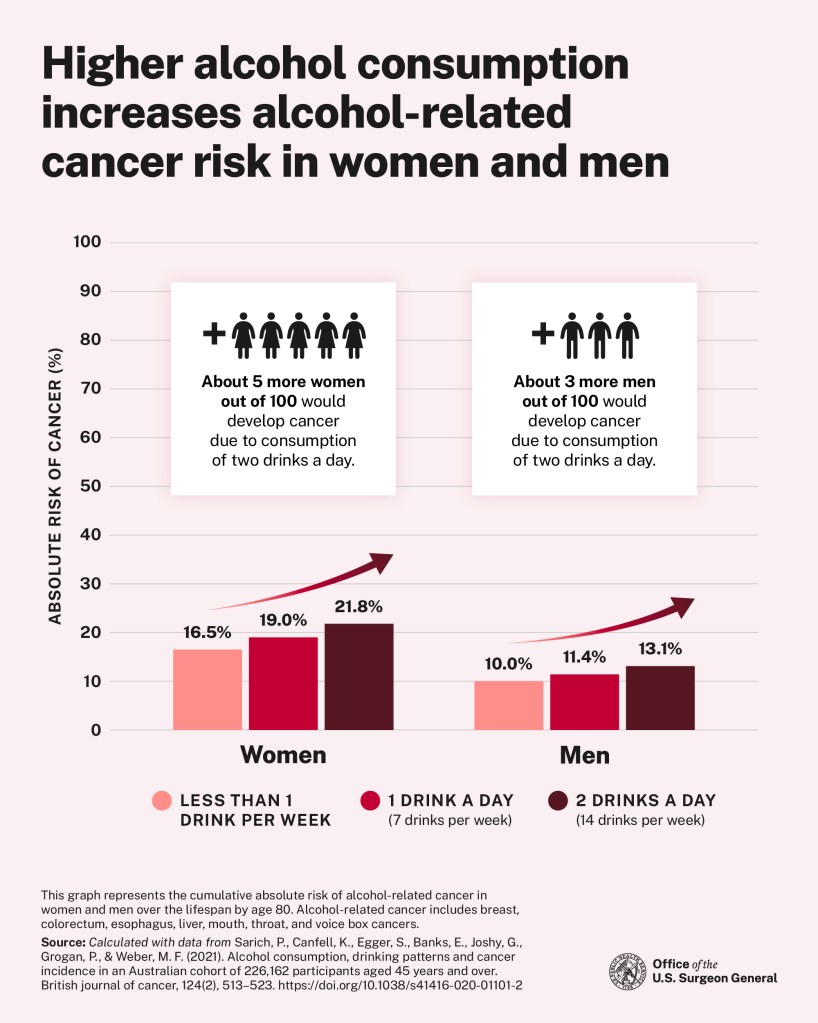
Alcohol drinking contributes to at least seven cancers, all of which are among the most common. These include cancers of the mouth and throat, the larynx (voice box), the esophagus, colon and rectum, liver, and breast in women.
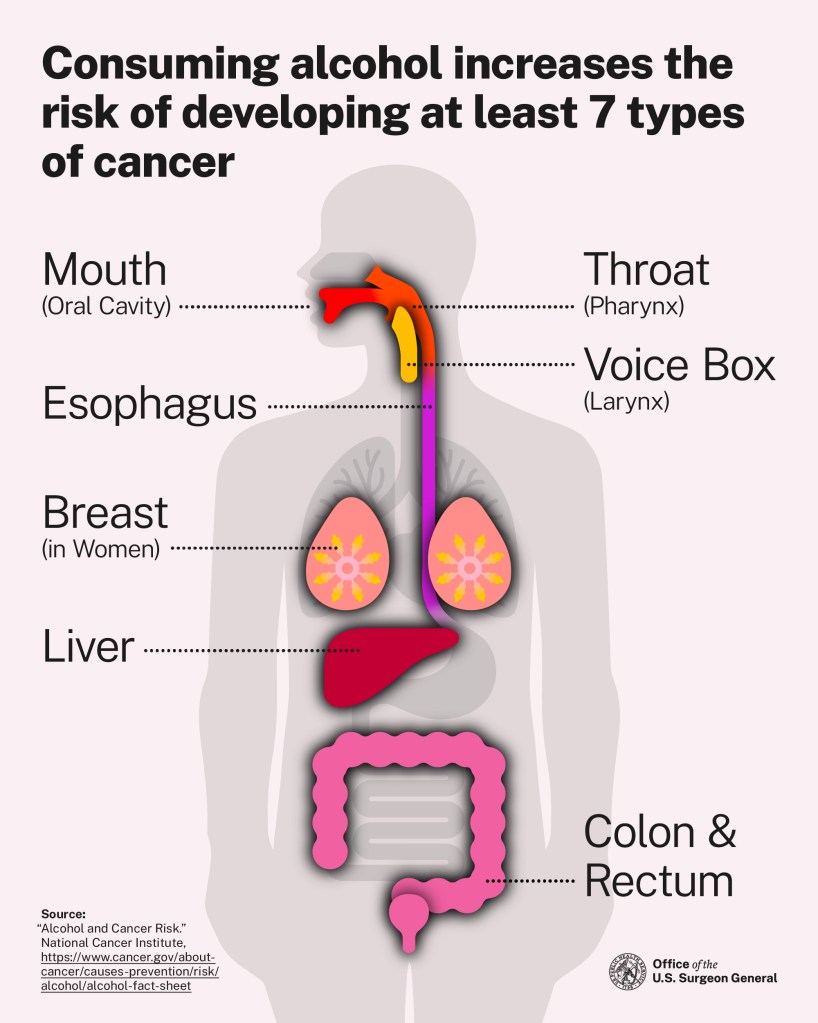
Recommendations to Lower the Risk of Alcohol Related Cancer
The only way to completely eliminate the risk of cancer from alcohol use is to refrain from drinking alcohol. However, no one suggests we should make it illegal to make, sell, or drink alcohol.
The United States tried that in the early 20th century in what was known as Prohibition. But even laws did not stop the flow of alcohol so the law was repealed.
Now the emphasis is on education so people know the risk and make informed decisions about their alcohol use. There are warning labels on bottles of alcohol, for other health-related risks.
In the U.S., pursuant to 27 U.S.C. 215, every alcoholic beverage sold in the United States must currently have the following health warning label: “GOVERNMENT WARNING: (1) According to the Surgeon General, women should not drink alcoholic beverages during pregnancy because of the risk of birth defects. (2) Consumption of alcoholic beverages impairs your ability to drive a car or operate machinery, and may cause health problems.”
This label statement has remained unchanged since its inception in 1988.The power to change the label statement lies with Congress.
Given the conclusive evidence on the cancer risk from alcohol consumption, the Surgeon General recommends an update to the Surgeon General’s warning label for alcohol-containing beverages to include a cancer risk warning.
What you can do to lower your cancer risk
People who are already at increased risk of certain cancers will want to consider their alcohol use carefully. For example, people with a family history of colon cancer may want to drink minimal amounts, if at all.
Women who have had breast cancer may want to refrain from any alcohol use. Talk to your doctor about your cancer risk factors and any behaviors that put you at increased risk.
Assess your drinking behavior and the need for change at this link
RETHINKING DRINKING
You can read the full advisory and find other resources at this link from HHS.
Alcohol and Cancer Risk
Information about breast cancer in a previous post

Observing Breast Cancer Awareness
In October, awareness of breast cancer is highlighted. This common cancer affects both women and men, with various types identified. Risk factors include age, genetics, and lifestyle. Early detection and preventive measures can significantly improve outcomes, emphasizing the need for education and support during Breast Cancer Awareness Month.
Keep reading
This blog post discusses how to apply statistics to understand risk.
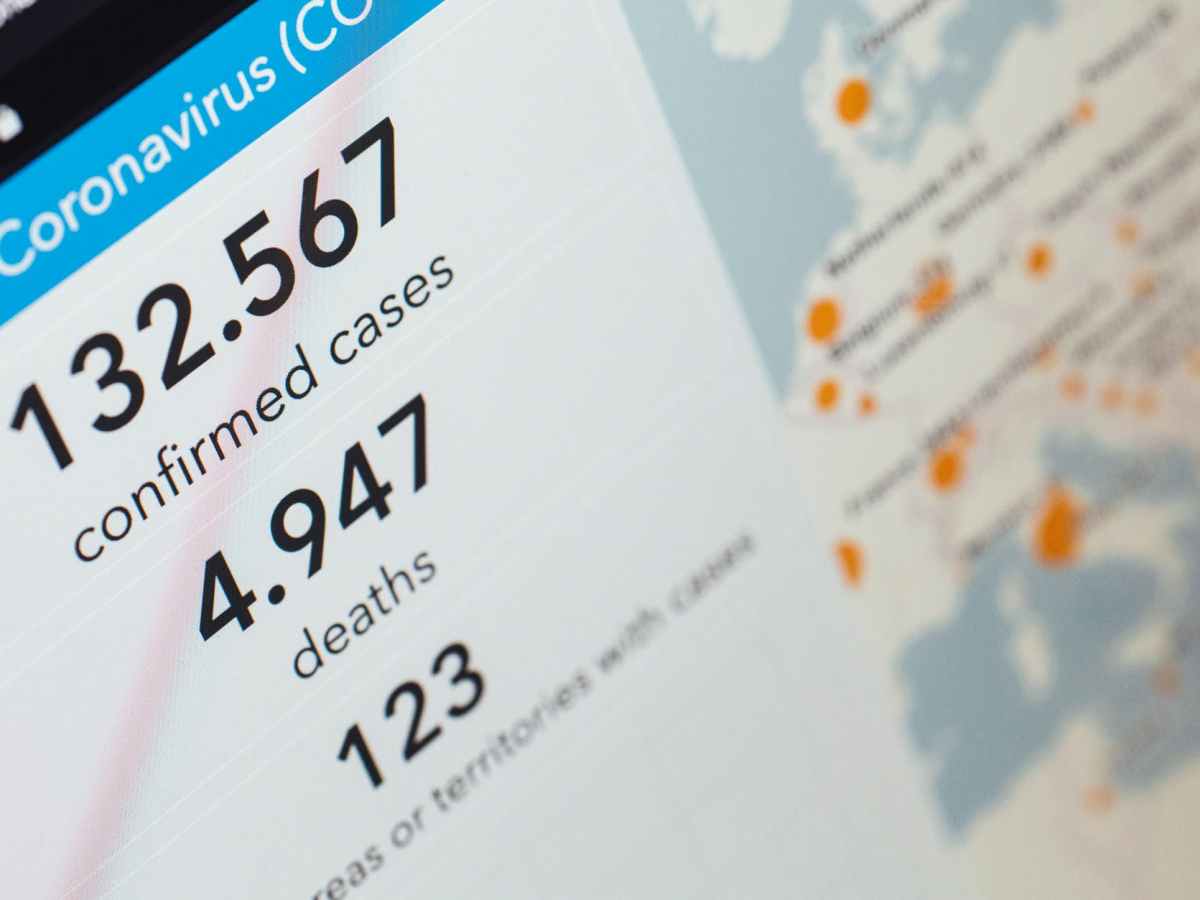
5 steps to understand statistics about health risks
The article discusses the role of statistics in understanding health outcomes, particularly in breast cancer and COVID-19. It highlights the importance of epidemiology in guiding medical decisions and emphasizes the need for clear communication of data to prevent misinformation. Understanding statistics can lead to better health choices and disease prevention.
Keep reading
Post Images
The graphics in this post are from the HHS website, Office of the Surgeon General.
A post about the former Surgeon General

Dr. Murthy’s Parting Prescription
In this post I review outgoing U.S. Surgeon General Dr. Vivek Murthy’s “Parting Prescription for America” . He reminds us of the importance of rebuilding community through relationships, service, and purpose. The erosion of community leads to disconnection and poor health. Dr. Murthy advocates for a cultural shift towards fulfillment and connection as a path…
Exploring the HEART of health
I’d love for you to follow this blog. I share information and inspiration to help you transform challenges into opportunities for learning and growth.
Add your name to the subscribe box to be notified of new posts by email. Click the link to read the post and browse other content. It’s that simple. No spam.
I enjoy seeing who is new to Watercress Words. When you subscribe, I will visit your blog or website. Thanks and see you next time.
Dr. Aletha
- About Dr. Aletha
- How to Use this Site
- Make Your Life Easier
- Search by Category
- Share the HEART of health
- my Reader Rewards Club
- RoboForm Password Manager








 watercress words by Dr Aletha