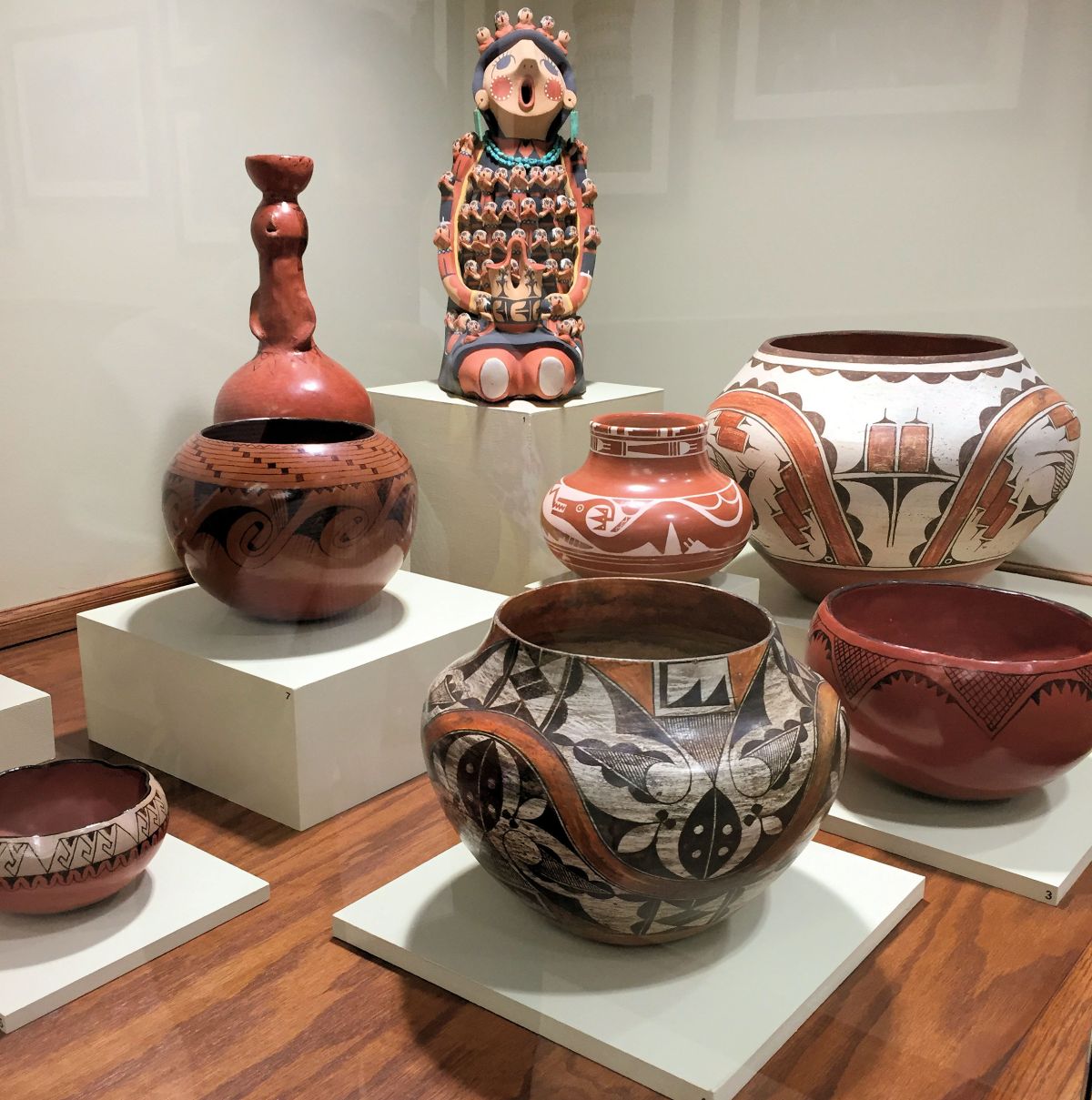
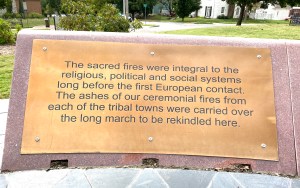
In 1889, after two years on the Trail of Tears, the Locvpokv Muscogee Creeks arrived in Indian Territory and placed ashes from their ancestral fires at the base of an oak tree a few miles from the Arkansas River.
Tulsa
This “Council Oak” designated the new village of the Locvpokv, which they called Talasi or “Old Town”. Subsequent white settlers mispronounced the word, eventually creating a new name, Tulsa.
Indian Territory merged with Oklahoma Territory to create the State of Oklahoma, and Tulsa, my hometown, is now its second-largest city. Native Americans and their culture played an important role in developing this city and still do.
Today, the original oak holds court in the Council Oak Park where tribal members still hold commemorative ceremonies. The grounds feature an ethnobotanical garden displaying plants that Creek Indians used for food, fiber, ceremonial and medicinal purposes.
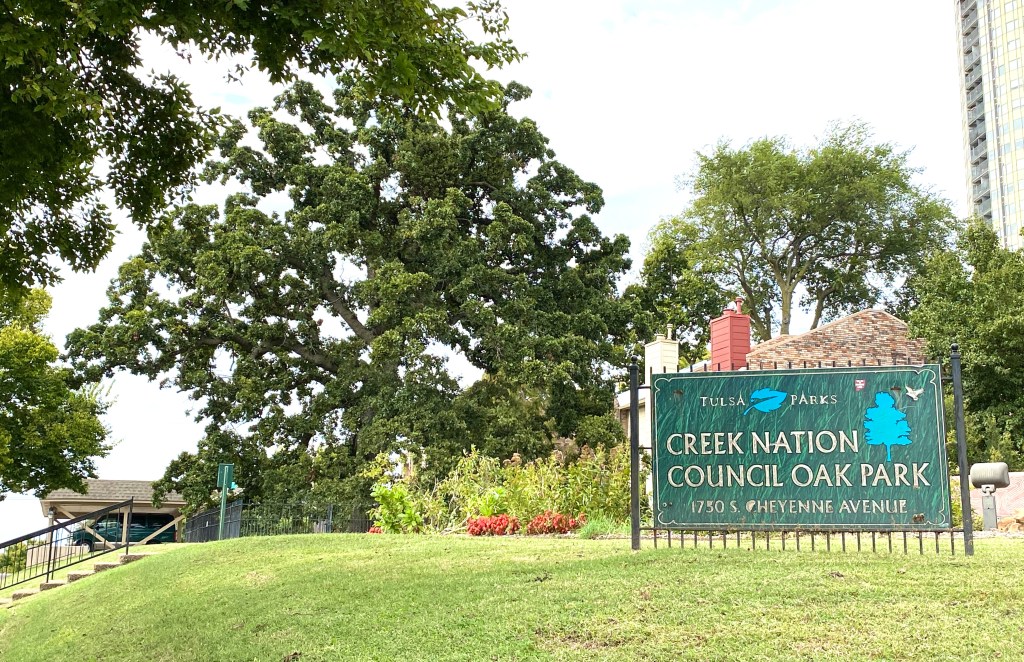
Listed in the National Register of Historic Places since 1976, Creek Council Oak Park is protected and preserved by Oklahoma Historic Preservation zoning.
Native Americans
Knowing that indigenous Americans understood and used plants in various ways, I wondered if and how they might have used watercress. Watercress came to this continent from Europe and is now well established.
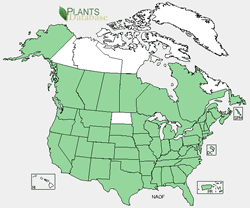
The U.S. Geological Survey, USGS, considers watercress a “nonindigenous aquatic species” or NAS. It is native to Eurasia and Asia and was introduced to North America by cultivation and dispersed by wind, water, and animals. Characteristics include
- fast-growing, perennial herb
- aquatic-cold lakes and slow-moving streams
- grows “floating or prostrate in mud”
- most abundant in summer and autumn
- flowers March to October
“Watercress: nutritional and medicinal“
Fortunately, I didn’t have to look far. I found an answer in a newspaper published in Tahlequah, Oklahoma, about 60 miles from Tulsa.
In a March 15, 2021 article, reporter Lindsey Bark published an interview with Cherokee Nation citizen Melissa Lewis, who gathers watercress each year to use in dishes such as smoothies and pesto.
Melissa praises watercress as tasty and nutritious. Since it is an aquatic plant, she finds it in local springs away from farming and ranching areas where the water might be contaminated with chemicals and bacteria.
“It’s (watercress) in the family that has other things like wasabi and mustards. They all have that same chemical that’s sulphur-like that gives it that spicy taste.”
Melissa Lewis
In this video watch Melissa gather watercress growing in a local stream.
Watercress-“a desirable weed”
I found another source far west, virtually, in California. In the Tehachapi News. Writer Jon Hammond reviews the history, ecology, and dietary features of watercress.
Watercress (Nasturtium officinale) can be found throughout creeks in Kern County, the Bakersfield California Metropolitan area. Caliente Creek has Watercress growing along its banks in countless places, as does Walker Basin Creek. Tehachapi Creek, Sycamore Creek, and Oak Creek also host Watercress in their upper reaches, where at least a little water typically flows year-round.
Jon says he learned to eat watercress from The Nuwä, the Tehachapi Indian people also known as Kawaiisu or Paiute, who called Watercress by the name poh-oh-pah-toor, meaning “in the water.”Nuwä people ate Watercress raw, often with salt, or boiled and mixed with bacon and eaten inside a tortilla.
According to Jon, watercress has small rounded spade-like leaves and produces pretty white flowers. Although some references claim that once these flowers appear, the leaves become bitter, he has eaten flowering watercress that did not taste bitter.
He explains watercress can be used in many ways, including in green salads, though it can be quite peppery. The sharpness disappears after cooking, and it is used in soups, roasts, omelets, pesto, and green smoothies.
Of all the invasive plants that humans have inflicted on the environment of North America in the past 400 years, it’s hard to think of one more benign and potentially as useful as Watercress. This plant has been nurturing humans for centuries, and you can grow your own or buy it from a grocery store and try some time-tested recipes.
Jon Hammond
Watercress- a multifaceted plant food
In my watercress posts, I’ve used references from the U.S. Department of Agriculture, USDA, website. I also find info from another government agency, the Department of the Interior, or DOI.
The information is much the same but looks at watercress from a somewhat different angle.
While the agriculture department focuses on farming, food, and nutrition, the interior department focuses on the environment, wildlife, and geology.
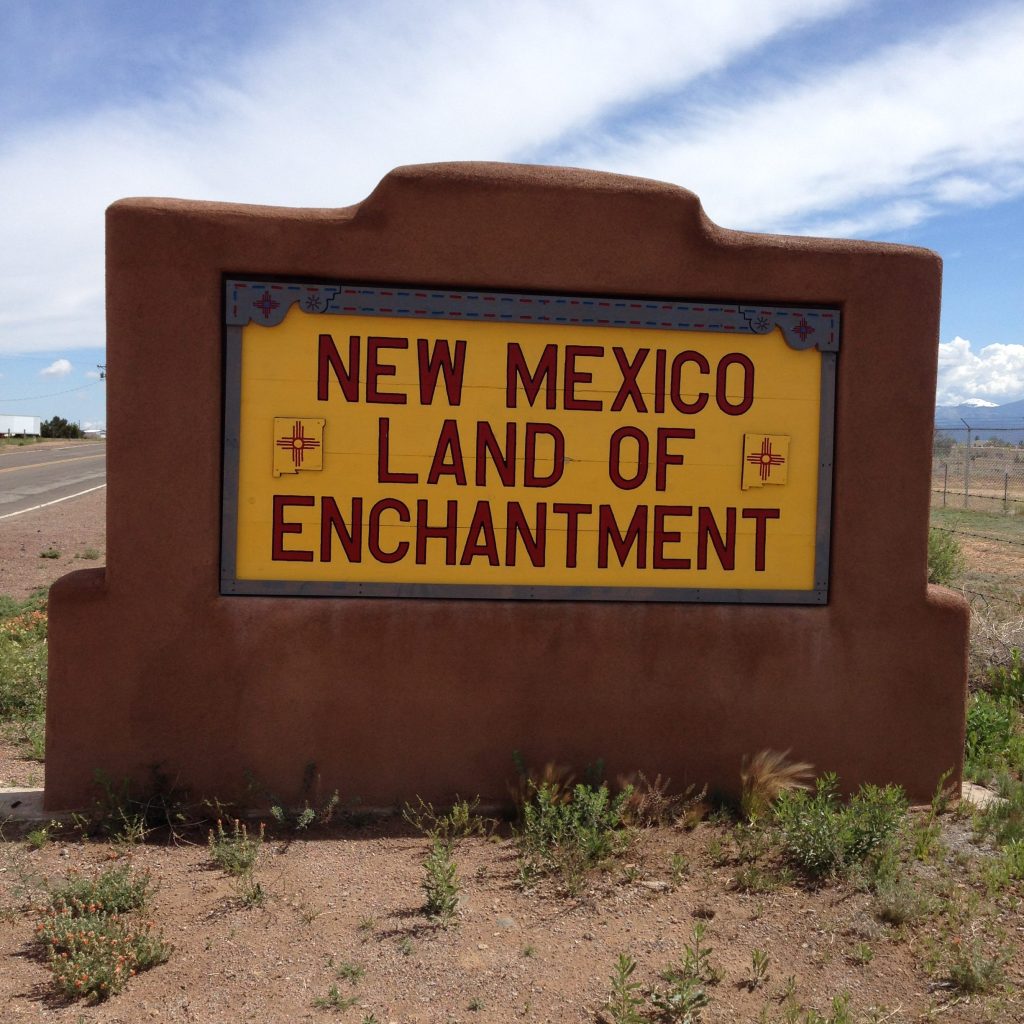
Deb Haaland-first Native American DOI Secretary
Deb Haaland made history when President Biden appointed her as Secretary of the Department of the Interior, an office in his cabinet. She is a member of the Pueblo of Laguna and a 35th-generation New Mexican. Since the DOI includes the Department of Indian Affairs, her appointment is fitting.
Secretary Haaland’s story is fascinating in several ways-
- Her father was a 30-year combat Marine who was awarded the Silver Star Medal for saving six lives in Vietnam; he is buried in Arlington Cemetery
- Her mother is a Navy veteran who served as a federal employee for 25 years at the Bureau of Indian Affairs
- She used food stamps at times as a single parent, lived paycheck-to-paycheck, and struggled to put herself through college
- At 28 years old, she enrolled and earned an English degree at the University of New Mexico (UNM) and later earned her J.D. from UNM Law School.
- She ran her own small business producing and canning Pueblo Salsa
- She became the first Native American woman to be elected to lead a State Party
- She was one of the first Native American women to serve in Congress, where she focused on environmental justice, climate change, missing and murdered indigenous women, and family-friendly policies.

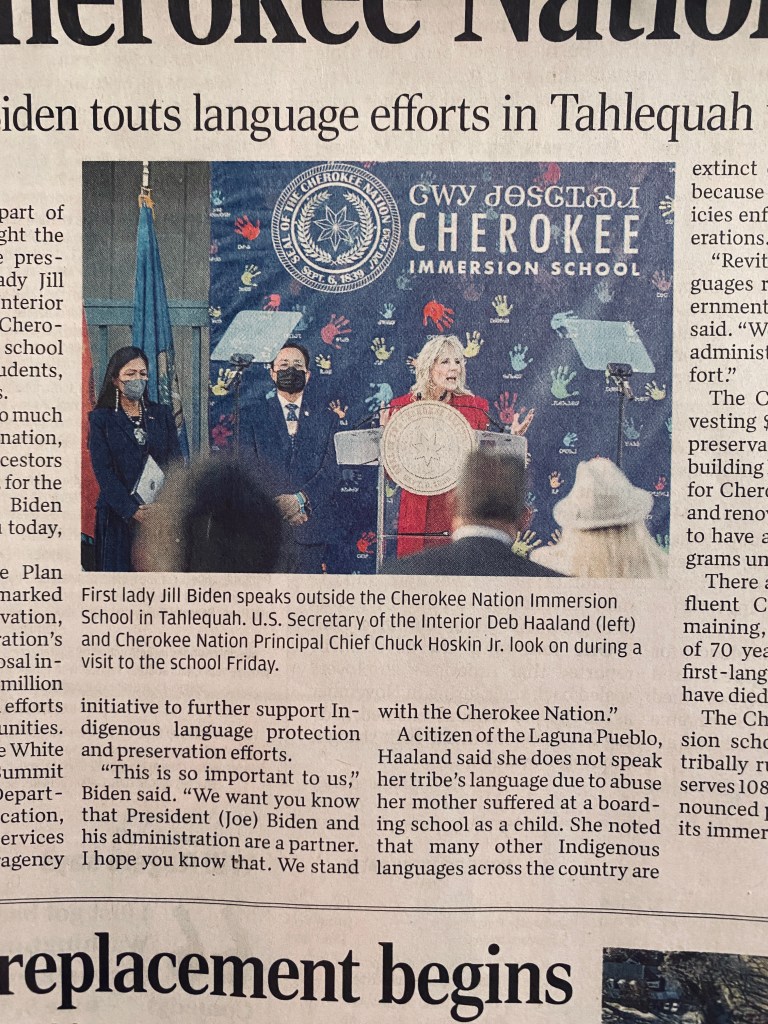
Secretary Haaland accompanied First Lady Jill Biden to Tahlequah, Oklahoma to visit the Cherokee Nation Immersion School. The school seeks to preserve the native Cherokee language by ensuring that young people learn to speak and write it.
You may enjoy exploring these resources about watercress and other plants.
The Rich History and Flavor of Native American Recipes
The Wild and Native Foods We Should Be Eating
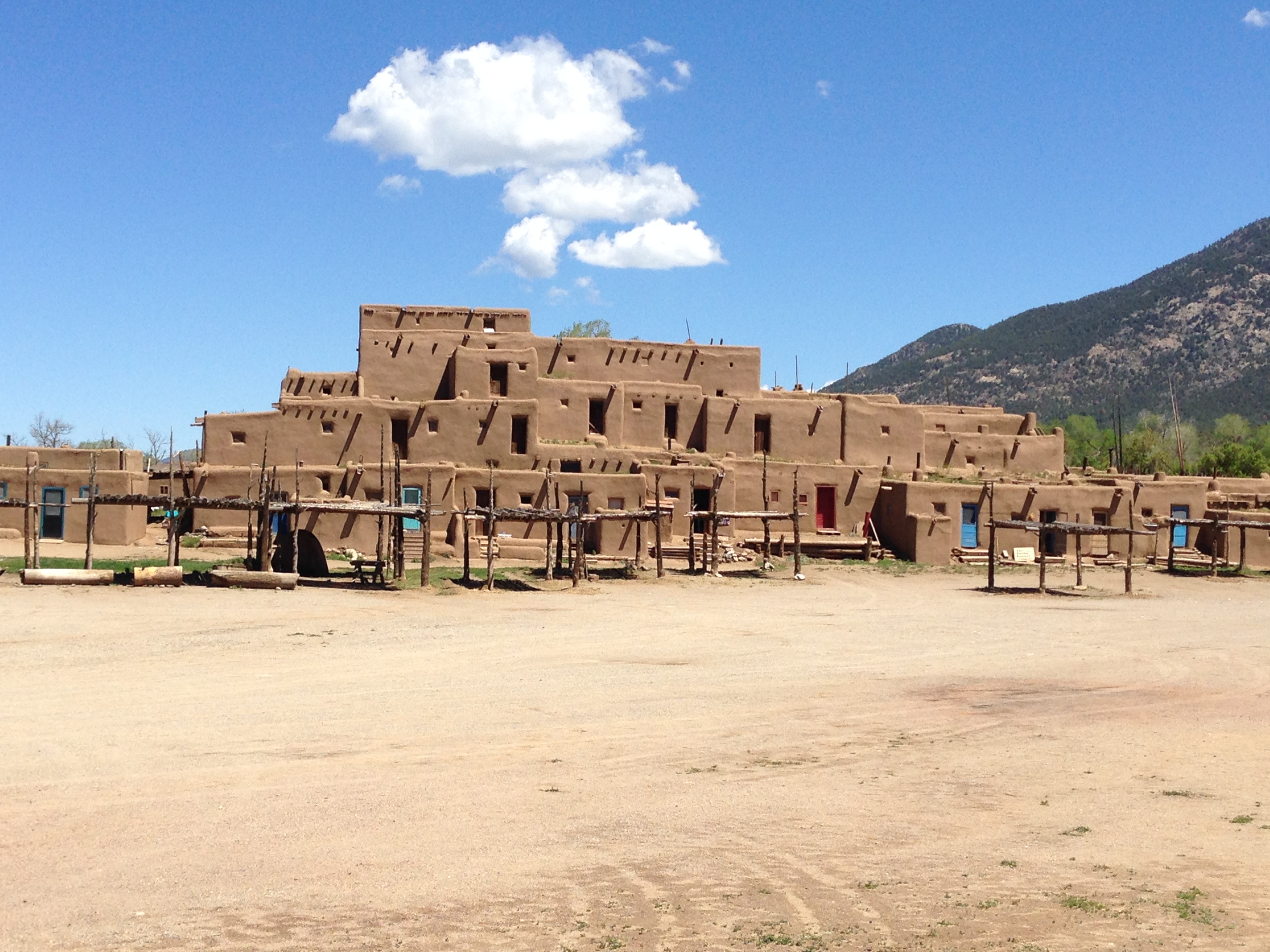
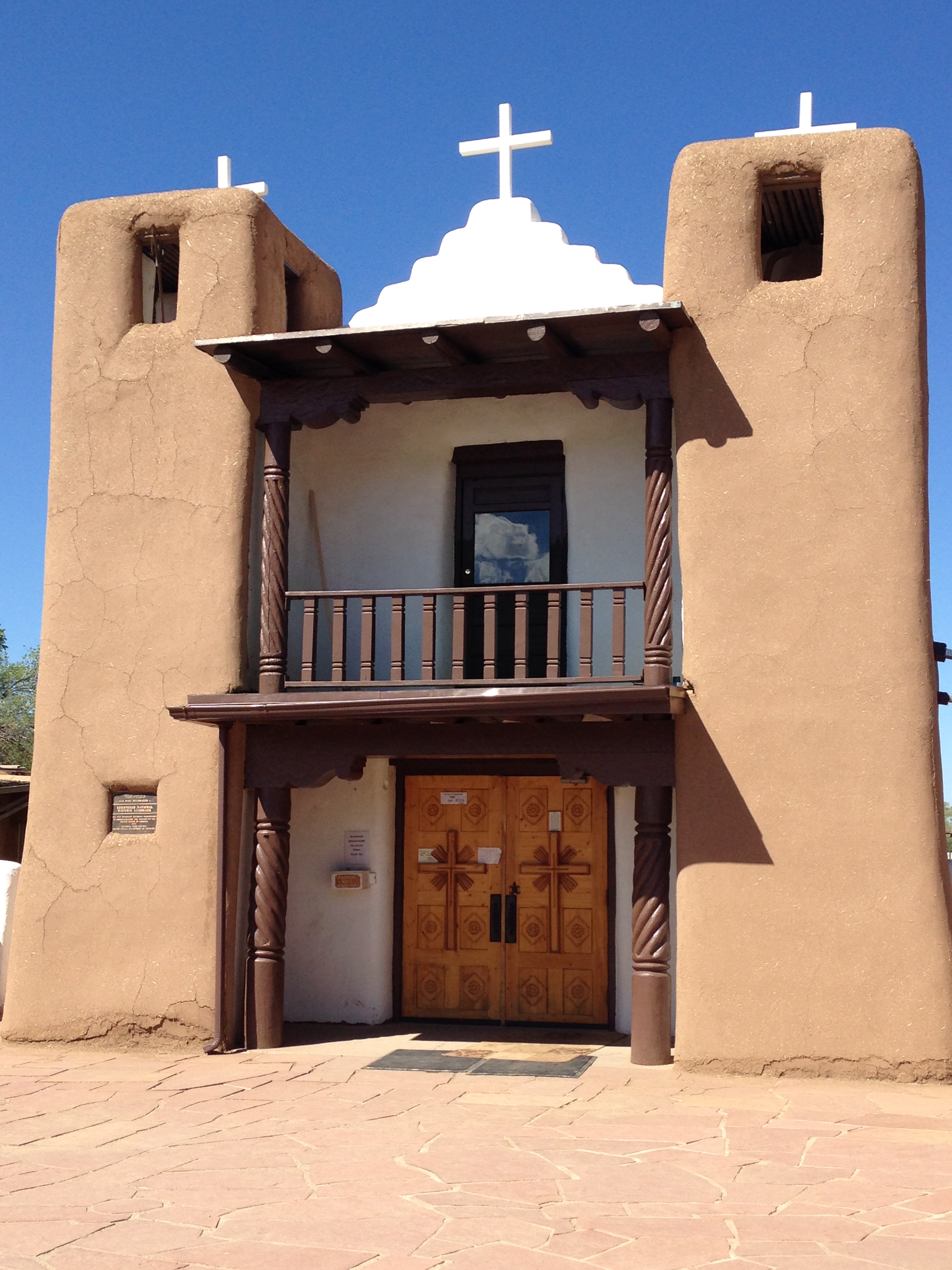
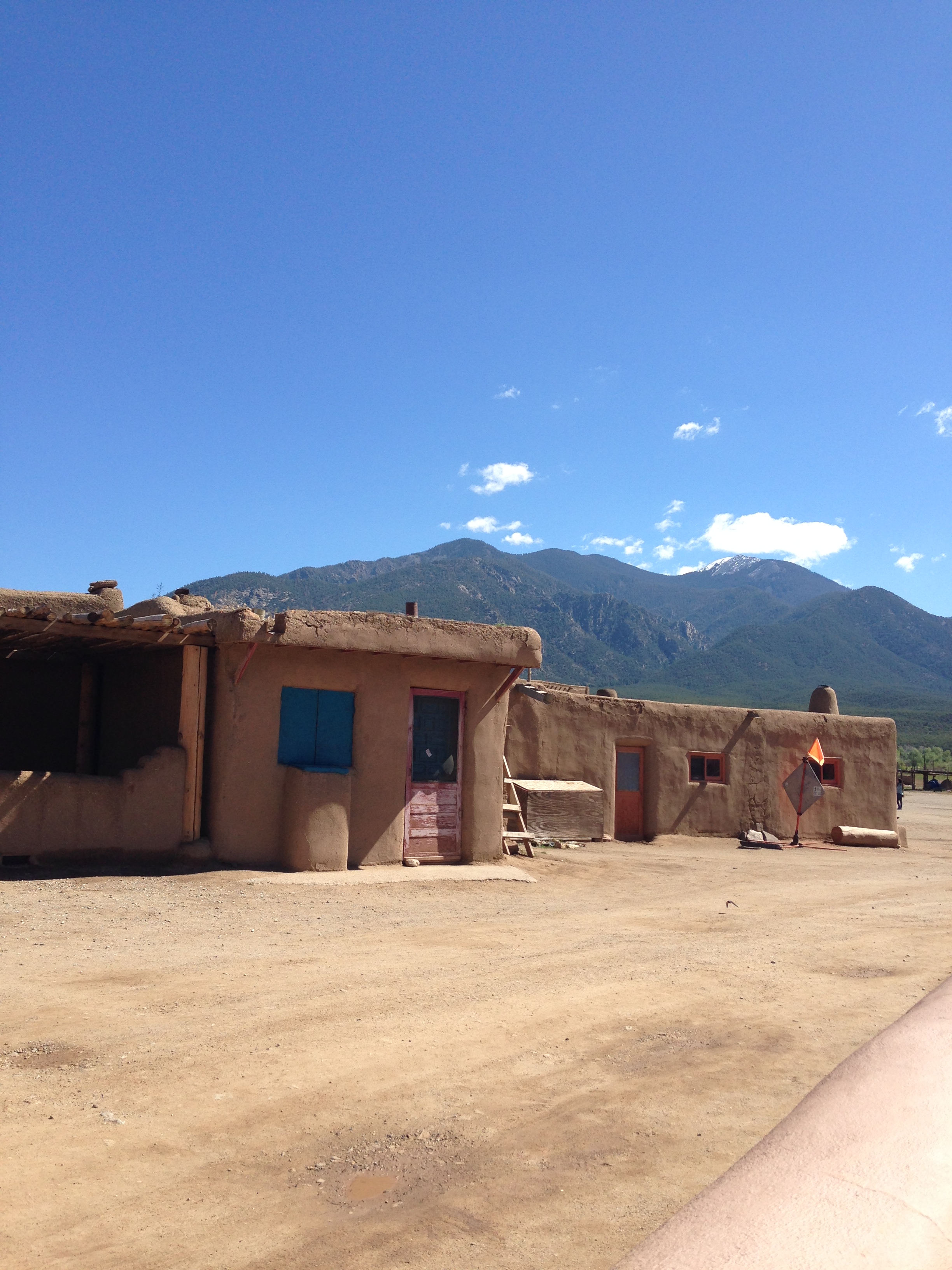
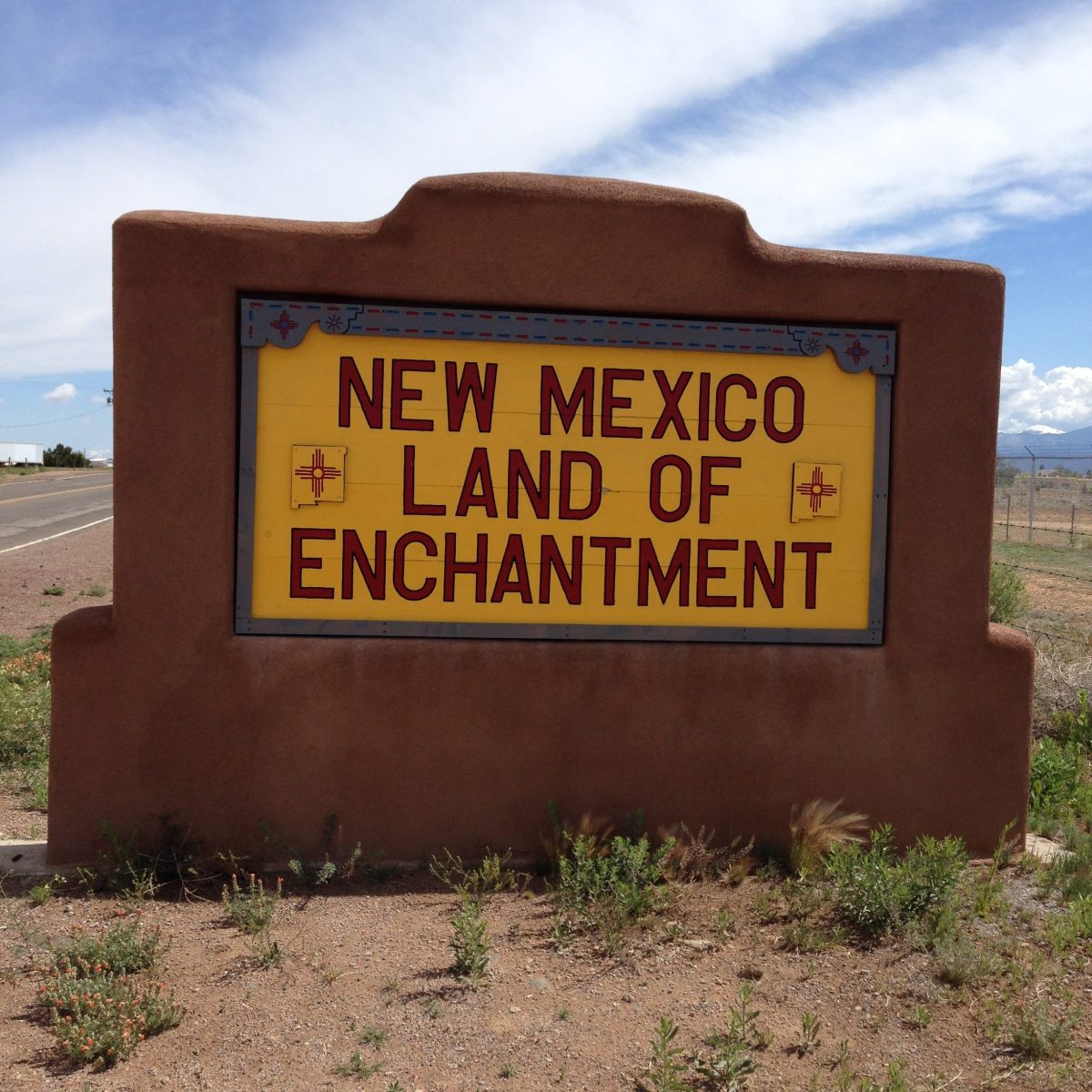
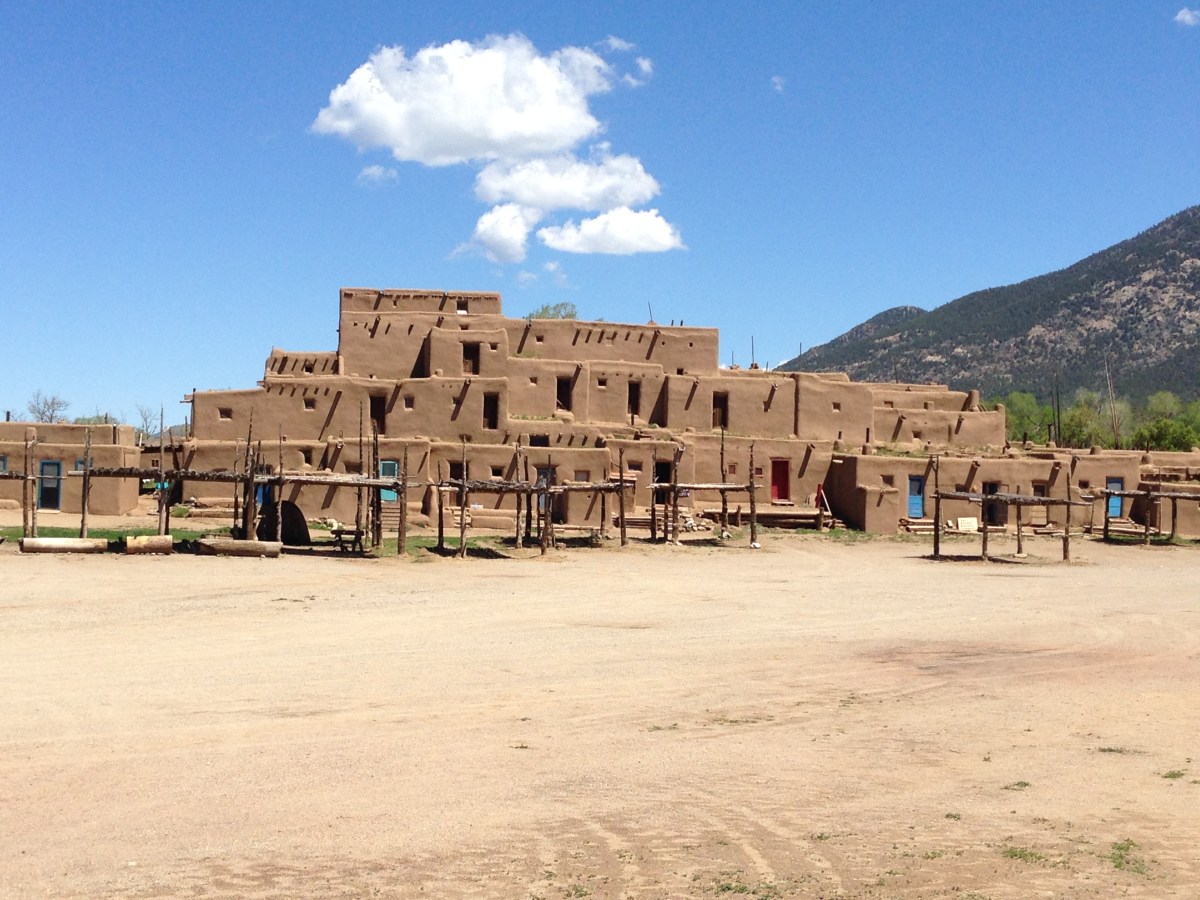
We visited the Taos Pueblo in northeastern New Mexico.
Exploring the HEART of watercress
I hope you will take the time to explore Native American culture where you live; if it’s anywhere in North, Central, or South America you’ll likely find some aspect of their rich culture and traditions.
I’d love for you to follow this blog. I share information and inspiration to help you transform challenges into opportunities for learning and growth.
Add your name to the subscribe box to be notified of new posts by email. Click the link to read the post and browse other content. It’s that simple. No spam.
I enjoy seeing who is new to Watercress Words. When you subscribe, I will visit your blog or website. Thanks and see you next time.
Dr. Aletha

- About Dr. Aletha
- How to Use this Site
- Make Your Life Easier
- Search by Category
- Share the HEART of health
- my Reader Rewards Club
- RoboForm Password Manager





 watercress words by Dr Aletha