Public Health Under Fire: HHS and CDC Tensions Explained

In this post I review HHS Secretary Robert Kennedy Jr. at the Senate Finance Committee regarding his dismissal of CDC Director Dr. Susan Monarez and concerns over his anti-vaccine stance. This culminated in resignations from senior CDC officials alarmed by political interference affecting scientific integrity and public health safety.

updated September 20. 2025

This information is current as of the date of original publication or update. It may have changed by the time you read this. I invite you to fact-check what you read here.

This information is not intended for diagnosis or treatment. Before making health decisions, discuss with your physician or other qualified healthcare provider to decide what is right for you.

Kennedy visits the Senate

On September 4, 2025, HHS Secretary Robert Kennedy Jr. appeared before the Senate Finance Committee and was heatedly questioned about several issues. Most of his testimony centered around his firing of the newly confirmed CDC Director Dr. Susan Monarez.

He was also grilled on his seeming lack of support for vaccination as an important public health measure. They questioned why he appointed several antivaccine scientists to the Advisory Committee on Vaccines. Even the Republican Senators who had voted for his appointment expressed frustration with his leadership.

In this post I explain some of what lead to this confrontation.

Trump appoints a CDC Director

After being without a CDC Director since he took office in January 2025, President Trump and the Senate confirmed Dr. Susan Monarez. This is the first time in history that a CDC Director needed Senate approval.

President Trump posted this on social media about his choice for CDC director.

“Dr. Monarez brings decades of experience championing Innovation, Transparency, and strong Public Health Systems. She has a Ph.D. from the University of Wisconsin, and PostDoctoral training in Microbiology and Immunology at Stanford University School of Medicine.

“As an incredible mother and dedicated public servant, Dr. Monarez understands the importance of protecting our children, our communities, and our future. Americans have lost confidence in the CDC due to political bias and disastrous mismanagement.

Dr. Monarez will work closely with our GREAT Secretary of Health and Human Services, Robert Kennedy Jr. Together, they will prioritize Accountability, High Standards, and Disease Prevention to finally address the Chronic Disease Epidemic and, MAKE AMERICA HEALTHY AGAIN!”

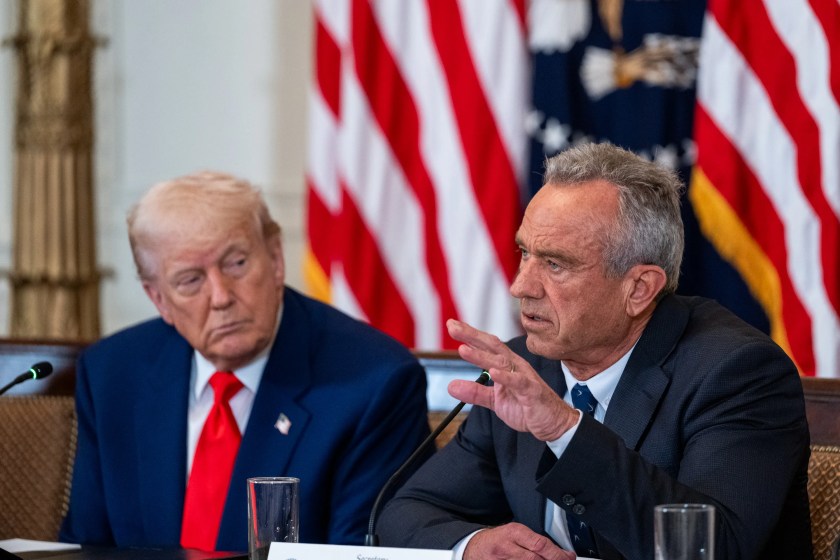
President Trump and Secretary Kennedy at the MAHA commission meeting

That was in July 2025. Something changed by late August.

I share this article published by KFF Health News. It was written by Dr. Celine Gounder, a physician and medical journalist who specializes in infectious diseases and global health. She was a member of the COVID-19 Advisory Board of President Joe Biden.

(I have edited the article slightly for length.)

Senior CDC Officials Resign After Dr. Monarez’s Ouster, Citing Concerns Over Scientific Independence

Written by Dr. Céline Gounder August 29, 2025

Four senior officials with the CDC, Centers for Disease Control and Prevention, announced their resignations in recent days, citing what they described as growing political interference in the agency’s scientific work, particularly regarding vaccines.

Two of them — Dr. Debra Houry, the CDC’s chief science and medical officer, and Dr. Demetre Daskalakis, who led the National Center for Immunization and Respiratory Diseases — stepped down on Aug. 27, hours after the White House announced the firing of CDC Director Susan Monarez.

Dr. Monarez, confirmed by the Senate in late July, was removed less than a month into her tenure.

White House spokesperson Kush Desai said Monarez “was not aligned with the President’s agenda of Making America Healthy Again.” Monarez’s attorneys argue that the dismissal is unlawful, as only the apresident can remove a Senate-confirmed director.

On Aug. 28, Jim O’Neill, the deputy secretary of the Department of Health and Human Services, was chosen to serve as acting CDC director. In an internal email sent to CDC staffers Secretary Robert F. Kennedy Jr. confirmed O’Neill as the acting CDC director without addressing Monarez’s departure. 

“I am committed to working with you to restore trust, transparency, and credibility to the CDC,” Kennedy told CDC employees, later writing that

“President Trump and I are aligned on the commonsense vision for the CDC: Strengthen the public health infrastructure by returning to its core mission of protecting Americans from communicable diseases by investing in innovation to prevent, detect, and respond to future threats.”

HHS Secretary Robert Kennedy, Jr.

Concern for Vaccine Policy

Houry and Daskalakis said they had become increasingly uneasy about how vaccine policy was being handled. Both pointed to preparations for the Advisory Committee on Immunization Practices, ACIP, meeting, which recommends vaccine schedules.

Houry said they feared “some decisions had been made before there was even the data or the science to support those. We are scientists, and that was concerning to us.”

Daskalakis added that he was “very concerned that there’s going to be an attempt to relitigate vaccines that have already had clear recommendations with science that has been vetted,” which he warned could undermine public trust. “If you can’t attack access, then why not attack trust? And that’s what I think the playbook is,” he said.

“there’s going to be an attempt to relitigate vaccines that have already had clear recommendations with science that has been vetted,

If you can’t attack access, then why not attack trust? And that’s what I think the playbook is,”

Dr. Demetre Daskalakis

Lack of communication and transparency

Both officials cited instances in which evidence reviews were altered or withdrawn. A CDC analysis of thimerosal, a vaccine preservative, was briefly posted before being taken down at the HHS’ direction.

“If there’s something that doesn’t line up with the recommendations, then that information will be taken down, and it’s not there for the public to see for openness and transparency,” Houry said.

The two also criticized the lack of direct communication between CDC scientists and HHS leadership. Daskalakis said his team was never invited to brief Kennedy on measles and COVID-19.

When asked about Kennedy’s calls for “radical transparency,” Houry and Daskalakis learned about changes to the COVID-19 vaccine schedule for children through social media, not through internal channels.

“The radical transparency manifested itself by a Twitter post, which is how Dr. Houry and I learned that the secretary had mandated the change in the children’s vaccine schedule for COVID,” Daskalakis recalled.

“What is the background that led to that decision? And we were denied access to that information. So, I don’t think that that’s radically transparent,” Daskalakis said.

CBS News and KFF Health News reached out to HHS for comment on some of the allegations made by Houry and Daskalakis but did not immediately hear back.

Scientists Raise An Alarm for Public Health

Both officials said they had no jobs lined up when they resigned. Houry described the decision as an effort to raise the alarm about the direction of the agency.

“For us, this was really sending out a bat signal,” Houry said. “We were the very senior scientists and career leaders at CDC. We thought this was the time to stand together and try to do what we could to raise the alarm around public health in our country.”

Daskalakis said remaining at the CDC under current conditions would have made them complicit in what he called the “weaponization” of public health.

“The safety has already been compromised. … We are flying blind in the U.S. already. If we continued … we would be complicit and would be facilitating the ability to go from flying blind to actively harming people,” he said.

Houry emphasized the severity of the moment by noting that she left without a backup plan.

“My leaving without a job was really just showing how dire the circumstances had become,” Houry said.

Daskalakis said his decision was also shaped by his medical oath.

“As a physician, I take the Hippocratic oath: First, do no harm. I am seeing ideology permeating science in a way that is going to harm children and adults. … I think we are seeing things that are happening that are making our country less prepared to be able to respond to the everyday pathogens … but also … to the next big thing.”

Both also expressed concerns about their personal safety in the current climate.

“The environment we live in … stoked by misinformation, especially from people considered by some to be health authorities, makes me worried for all of us in public health,” Daskalakis said. “I am concerned, but that’s part of our job … to be brave and continue to speak the truth even when we are outside of the CDC.”

Photo by Photo By: Kaboompics.com on Pexels.com

Gun Violence-Another Public Health Issue

The resignations came weeks after a shooting outside the CDC’s Atlanta headquarters, which law enforcement linked to COVID misinformation.

Houry said the White House response to the shooting was muted. Kennedy toured the site but later gave an interview expressing distrust of experts.

“That was after the attack. It was based on COVID misinformation. So this is when we were trying to build trust,” she said.

Daskalakis added that while Kennedy later described mass shootings as a public health crisis, he believed the secretary should address misinformation as a root cause.

“The misinformation about the COVID-19 vaccine — that has been documented by the Georgia Bureau of Investigation” as the reason for the CDC shooting. “I would really recommend that the secretary actually do take his own advice and actually address the core problem that led to that shooting as well,” he said.

He also noted that the CDC’s gun violence prevention programs had been sharply reduced. “We talk about violence as a public health problem.

It is, and there’s things we can do to prevent it. Unfortunately, the majority of that program, the staff are terminated,” he said.

“We talk about violence as a public health problem.
It is, and there’s things we can do to prevent it. Unfortunately, the majority of that program, the staff are terminated,”

Dr. Daskalakis

The firings and resignations have sparked calls for oversight. Independent Sen. Bernie Sanders of Vermont called for a bipartisan investigation, Democratic Sen. Patty Murray of Washington urged Kennedy’s removal, and Republican Sen. Bill Cassidy of Louisiana — who voted to confirm Kennedy’s appointment as HHS secretary — said the developments would “require oversight.”

The events come as the FDA narrowed eligibility for updated COVID-19 vaccines to older adults and people with risk factors for severe COVID.

KFF Health News is a national newsroom that produces in-depth journalism about health issues and is one of the core operating programs at KFF—an independent source of health policy research, polling, and journalism. Learn more about KFF.

Subscribe to KFF Health News’ free Morning Briefing.

This article first appeared on KFF Health News and is republished here under a Creative Commons Attribution-NoDerivatives 4.0 International License.

Dr. Monarez Speaks to the Senate

On September 17, 2025, “She testified that she was ousted last month because she refused to cede to Health Secretary Robert F. Kennedy Jr.’s demands to pre-approve vaccine recommendations for the public and fire career scientists.

“He just wanted blanket approval,” Monarez told members of the Senate Committee on Health, Education, Labor and Pensions on Wednesday. “Even under pressure, I could not replace evidence with ideology.”

Monarez described a string of events that she said eventually led to her dismissal, culminating with a “tense” meeting in late August when she clashed with Kennedy over his plans for an influential CDC committee that issues recommendations on vaccines.”

Read the full report from NPR at this link

Ousted CDC director testifies she was fired for resisting pressure from RFK Jr.

Learn about the CDC

I hope you will take the time to learn more about the Centers for Disease Control and Prevention. According to the website, the

  • CDC is the nation’s leading science-based, data-driven, service organization that protects the public’s health.
  • CDC puts science into action to help children stay healthy so they can grow and learn; to help families, businesses, and communities fight disease and stay strong; and to protect the public’s health.

The professionals at the CDC cannot do their job alone. They need the support of elected and appointed government officials and the people they serve.

Health and safety threats are often new and unpredictable, like a viral pandemic or natural disaster, and multiple agencies need to work together to successfully manage threats. Cooperation and support are needed. Blaming and accusations are unproductive and unprofessional and contribute to lack of trust by the people they serve.

Post Graphics

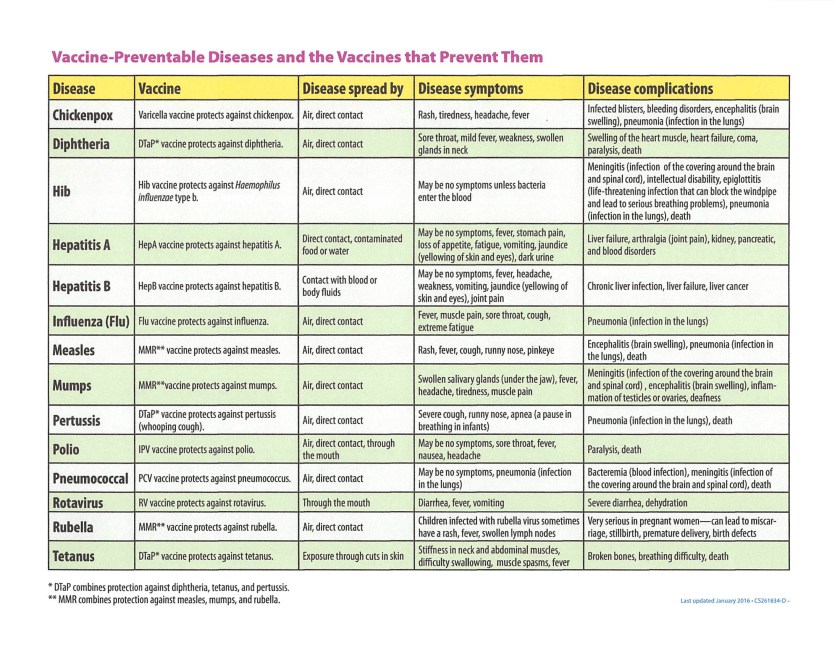
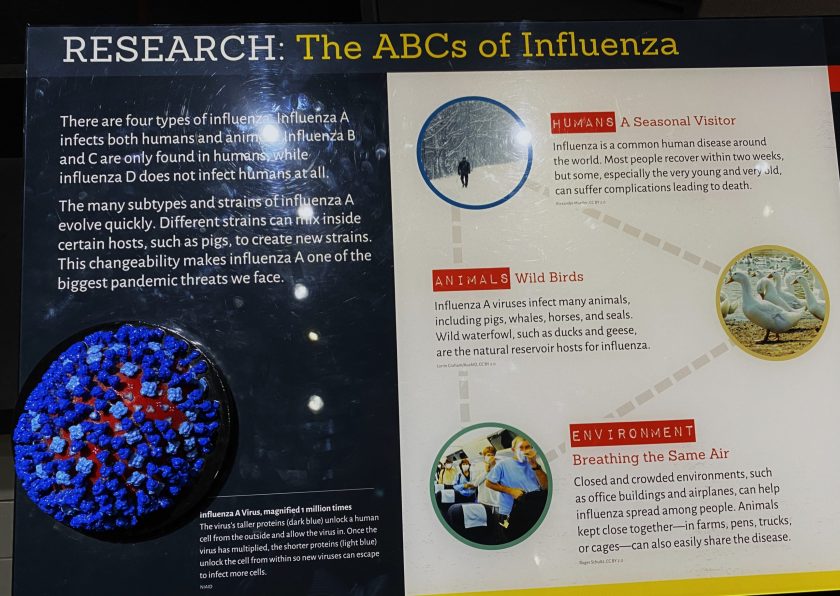
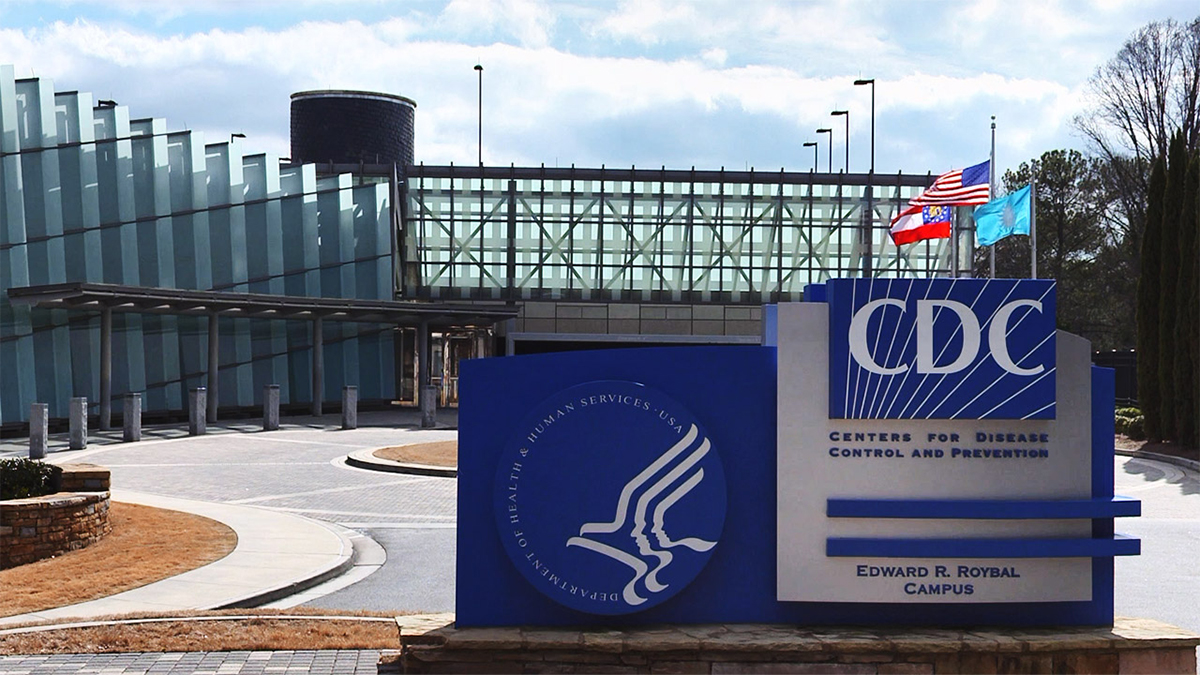
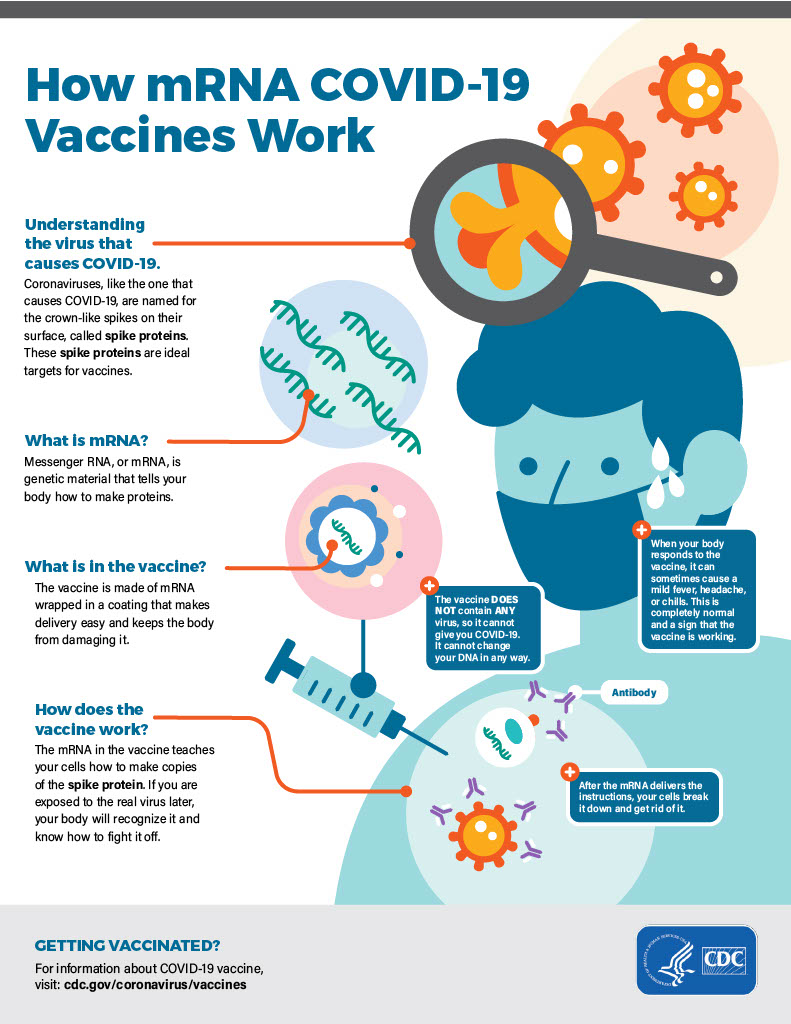
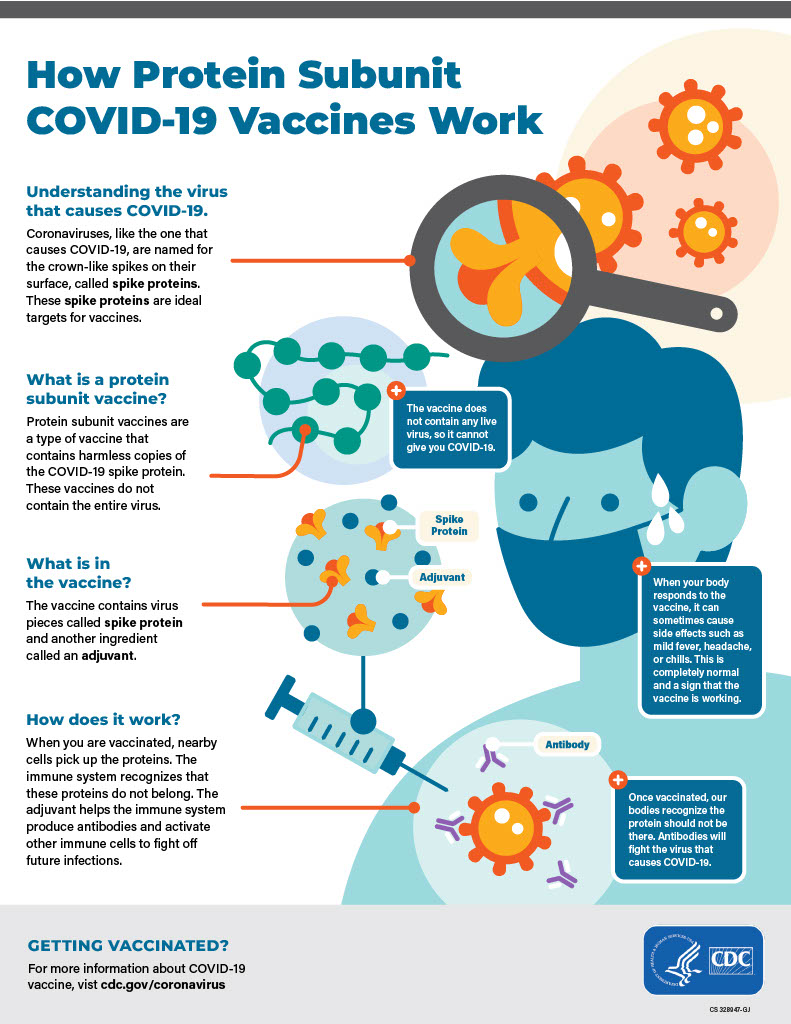
The two graphics about vaccines are currently on the CDC website. The cover photo of CDC headquarters is also on the site.

Exploring the HEART of Health

I’d love for you to follow this blog. I share information and inspiration to help you turn health challenges into health opportunities.

Add your name to the subscribe box to be notified of new posts by email. Click the link to read the post and browse other content. It’s that simple. No spam.

I enjoy seeing who is new to Watercress Words. When you subscribe, I will visit your blog or website. Thanks and see you next time.

Medical stethoscope and heart on a textured background

Dr Aletha

Why COVID-19 and other infections are not “just a virus”

Unless you haven’t listened to any news for the past 8 weeks, you are well aware of the “challenge” the whole world has been confronting over what some do call “just a virus”; and you know that it has caused much critical illness and death, leading to “public” and private anxiety.

View post to subscribe to site newsletter.

” In a very short period, health care and society have been severely challenged by yet another emerging virus. Preventing transmission and slowing the rate of new infections are the primary goals.

However, the concern of COVID-19 causing critical illness and death is at the core of public anxiety.”

JAMA, March 11, 2020 “Care for Critically Ill Patients with COVID-19”
“just a virus”

You’ve probably visited your doctor or your child’s doctor for an acute illness that started suddenly or over a few days. Likely the symptoms included some combination of

  • fever and/or chills
  • sore throat, runny nose, and/or sneezing
  • cough
  • joint and/or muscle aches
  • vomiting with or without diarrhea
  • rash
  • redness with or without drainage from the eyes
  • headache and a general miserable feeling
This illustration depicted a 3D computer-generated rendering of a whole influenza (flu) virus with a light grey surface membrane, set against a white background. The virus’ surface proteins, hemagglutinin (HA) and neuraminidase (NA), were depicted in light and dark blue, respectively. HA is a trimer, which is comprised of three subunits, while NA is a tetramer, which is comprised of four subunits, with a head region resembling a 4-leaf clover. CDC/ Douglas Jordan, public domain

And you were probably told that you or your child had “a virus”,or viral infection, followed by one or more of the following phrases-

  • there is no treatment but it will go away
  • the treatment will not cure it, but it will help the symptoms
  • it has to run it’s course
  • it resolves without treatment
  • you caught it from someone else
  • it is contagious
  • the symptoms will go away, but it stays in your body
  • you may get it again
  • you won’t get it again
  • there is a vaccine to prevent this
  • there is no vaccine to prevent this
This image depicted a Centers for Disease Control and Prevention (CDC) scientist interacting with her Caliper LifeSciences’ Zephyr Molecular Biology Workstation, working with samples to be tested using a real-time PCR machine, known as a themocycler (see PHIL 22904), in order to identify the various types of poliovirus contained therein. The data from this analysis is stored in a computer, while the software further analyzes the data before being reviewed by a scientist. The themocycler can vary the temperature, which is important, for PCR requires multiple test rounds at different temperatures. In the instrument, viral RNA is copied into DNA and then the DNA is amplified. Specific probes bind to the DNA, in order to determine what type of polio present. One hundred ten labs around the world can run this assay, and can tell if an isolate contains polio, or not, and if so, what kind.CDC/ Holly Patrick, MS, MPH

And finally, you may have heard a phrase I hope you never hear, and I hope we doctors never use again-

“It’s JUST a virus.”

Why it’s never “just a virus”

The quote at the beginning of this post is from an article in the Journal of the AMA . Unless you haven’t listened to any news for the past 8 weeks, you are well aware of the “challenge” the whole world has been confronting over what some do call “just a virus”; and you know that it has caused much critical illness and death, leading to “public” and private anxiety.

But we shouldn’t have been surprised. Viruses have been around probably as long as humans have, we just didn’t know much about them until the past century or so. After all, viruses are made of genetic material DNA or RNA, like us and animals; when viral DNA/RNA invades our bodies and enters our cells, they start reproducing (replicating), causing disease. (This is a simplified explanation of what viruses do.)

Transmission electron microscopic image of an isolate from the first U.S. case of COVID-19, formerly known as 2019-nCoV. The spherical viral particles, colorized blue, contain cross-sections through the viral genome, seen as black dots.CDC/ Hannah A Bullock; Azaibi Tamin
How do doctors know it’s a virus?

Until fairly recently, viral infections were diagnosed by typical symptoms and characteristic physical exam findings, especially fever and rash, and many are still diagnosed that way. Then laboratory scientists developed tests for some viruses, which help confirm the diagnosis , important when a treatment is available. The tests can also be used to know if someone is or is not already immune to a disease, if a vaccine is available.

So what infections are caused by viruses?

Lots of them are, but fortunately most are not nearly as serious as the novel coronavirus that causes COVID-19, or the 2 previous coronavirus outbreaks, SARS and MERS. You’re probably quite familiar with some of them. Here’s what I think is an easy to understand way to categorize them.

This illustration provides a 3-dimensional (3D) graphical representation of a tightly packed, icosahedral, poliovirus particle that consists of 60-copies each of capsid polypeptides, designated as pink VP1 (viral protein1), green VP2, purple VP3, and though not shown here, VP4. This particle was composed of units of four capsid polypeptides, which interact in groups of five, resulting in a viral particle that has, what is referred to as 5-fold (pentameric), and 12-fold symmetry. Note the deep canyon on the capsid’s surface surrounding the apex of each pentamer of the virus. The canyon, together with the pentamer apex, is used as the site for capsid binding to cellular receptors.CDC/ Sarah Poser

categories of viral infections

This is how they behave without previous vaccination or treatment (when available) .This is not an exhaustive list, just some of the most common. These all spread person to person.

Short duration, followed by life-long immunity
  • measles
  • mumps
  • rubella
  • polio
  • hepatitis A
Short duration, followed by short-lived immunity
  • RSV- respiratory syncytial virus
  • influenza
  • rhinovirus (common cold)
  • coronavirus
Persistent infection, life-long carrier of virus, virus inactive at times, not always passed to other people
  • HSV-herpes simplex virus
  • VZ-varicella/zoster (chicken pox-shingles)
Persistent infection, life-long carrier of virus, virus always active and can be passed to other people
  • HIV/AIDS-human immunodeficiency virus
  • Hepatitis B
  • Hepatitis C
  • HPV-human papilloma virus
Viruses that spread from animals to humans
  • Avian influenza
  • Rabies
  • West Nile virus
Viruses that spread from animals to humans-and sometimes then to other humans
  • yellow fever
  • coronavirus
  • Ebola
Centers for Disease Control and Prevention (CDC) activated its Emergency Operations Center (EOC) to assist public health partners in responding to the coronavirus disease 2019 (COVID-19) outbreak first identified in Wuhan, China.
How serious are viral infections?

How serious a viral infection is depends on how you want to define “serious”. Even a “mild” illness can be a major problem if it’s you or your family that is sick. With a mild illness, you still may feel too sick to work or go to school, which you should not do anyway, so not to transmit it to other people.

The above classification is quite simplified, a framework for looking at infections that you’ve probably heard of. They range from the common cold, with no risk of death, to HIV/AIDS and rabies, which are always fatal without treatment.

People with the short duration infections usually recover but some carry risk of progressing into life threatening respiratory events, due to RSV, influenza, and now the coronaviruses. Polio frequently left its victims paralyzed for life and measles can cause permanent deafness.

The herpes virus and VZ virus cause recurrent outbreaks of painful skin sores. . Hepatitis B and C viruses can lead to chronic liver disease and liver cancer. HPV causes benign warts but also cancer of the cervix.

This illustration, created at the Centers for Disease Control and Prevention (CDC), reveals ultrastructural morphology exhibited by coronaviruses. Note the spikes that adorn the outer surface of the virus, which impart the look of a corona surrounding the virion, when viewed electron microscopically. In this view, the protein particles E, S, and M, also located on the outer surface of the particle, have all been labeled as well. A novel coronavirus, named Severe Acute Respiratory Syndrome coronavirus 2 (SARS-CoV-2), was identified as the cause of an outbreak of respiratory illness first detected in Wuhan, China in 2019. The illness caused by this virus has been named coronavirus disease 2019 (COVID-19).CDC/ Alissa Eckert, MS; Dan Higgins, MAMS
“the challenge of emerging virus”

I hope that we all learn from this pandemic. I hope both physicians and patients take viral infections more seriously and appreciate the complexity and challenge they represent. We share something important with them-DNA, the genetic material that creates health as well as disease. Viruses aren’t static; like us they change and adapt.

We have vaccines that can dramatically reduce our risk of getting several of these diseases and I hope more people will use them. We have a few drugs which combat these diseases; fortunately some have been life saving, like those for HIV/AIDs.

Healthy lifestyles offer protection against infections of all kinds but we frequently overlook their value. You may be tired of hearing them but they include

  • hand washing- often and thoroughly
  • cleaning and disinfecting frequently touched surfaces
  • water and sanitation facilities
  • safe food handling and cooking practices
  • wise sexual practices
  • staying home when sick
  • limiting contact with animals and preventing insect bites
  • immunization

sharing the HEART of health

For this post I reviewed sections of the textbook Fenner and White’s Medical Virology, Fifth Edition , made available online free at ScienceDirect.com specifically to help medical professionals navigate the COVID-19 challenge.

You might want to check out some less technical references at these links.

Overview of Viral Infections

Viral Infection

Except for the cover photo, the pictures in the post are from the Centers for Disease Control and Prevention website, and are in the public domain.

Dr. Aletha