How watercress is like a tomato

Like tomatoes, watercress is used as a fresh salad vegetable or in cooked dishes. And like tomatoes, watercress has a dual identity.

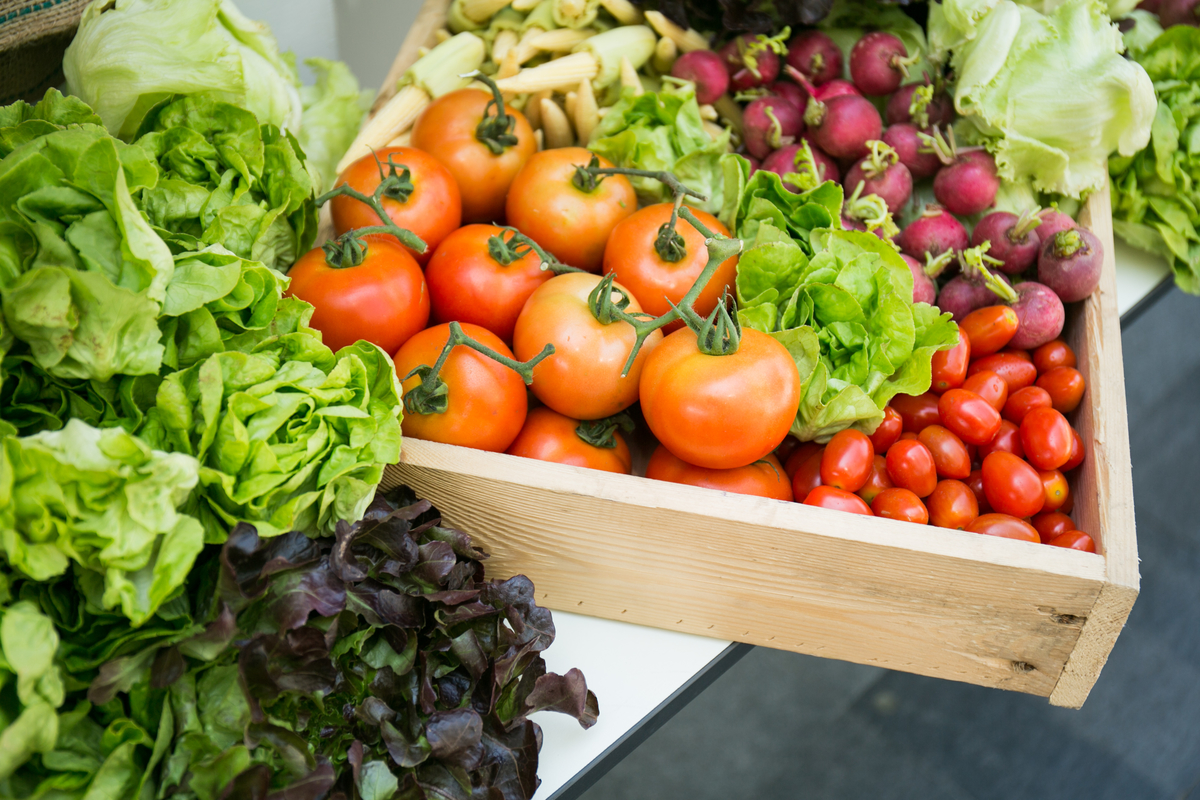
We all know a tomato is a vegetable. We cook it in soups, stews, and chili. We pair it with leafy green vegetables in salads. Cookbooks list it with other vegetable recipes

But plant science categorizes tomatoes as fruit.  Anything that grows on a plant and is the means by which that plant gets its seeds out into the world is a fruit. Another way to say it is

“the usually edible reproductive body of a seed plant; especially : one having a sweet pulp.”

Merriam-Webster.com
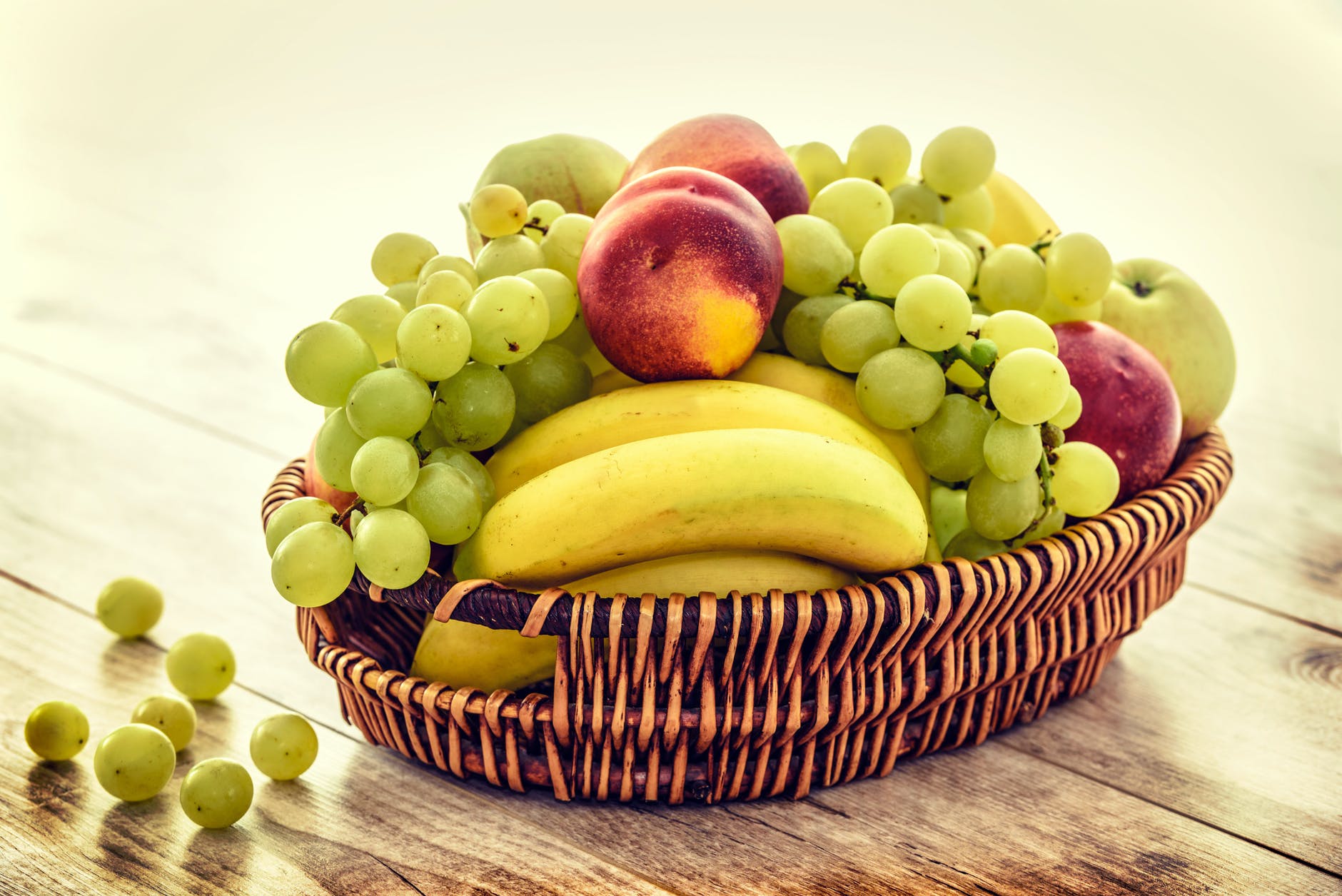
Photo by PhotoMIX Company on Pexels.com

A banana is an elongated, edible fruit – botanically a berry – produced by several kinds of large herbaceous flowering plants in the genus Musa.

“not a dessert”

But the most convincing reason to call a tomato a fruit, is because the Supreme Court said so.

In 1893, the high court ruled on whether imported tomatoes should be taxed under the Tariff Act of 1883, which only applied to vegetables and not fruits.

Although both sides cited dictionary definitions of the two words, the court sided unanimously with the vegetable lobby although acknowledging the scientific fact.

Justice Horace Grey summed up the argument succinctly:

“Botanically speaking, tomatoes are the fruit of a vine, just as are cucumbers, squashes, beans, and peas,”

“But in the common language of the people … all these are vegetables which are grown in kitchen gardens, and which, whether eaten cooked or raw, are, like potatoes, carrots, parsnips, turnips, beets, cauliflower, cabbage, celery, and lettuce, usually served at dinner in, with, or after the soup, fish, or meats which constitute the principal part of the repast, and not, like fruits generally, as dessert.”

Justice Horace Grey

A young African woman with a crate of tomatoes on her head
photo of a young woman in Madagascar carrying a box of tomatoes on her head
by Bob Birkbeck, LIGHTSTOCK.COM

We usually find fruits sweeter than vegetables. Botanically speaking, any part of a plant that develops from the ovary of a flowering plant is a fruit, while all other parts of the plant are considered vegetables.

But tomatoes as well as cucumbers, avocados, olives, green peppers, pumpkin, and zucchini are technically fruits, even if they are used as vegetables in meals.

So how is watercress like a tomato?

Watercress is a vegetable-a green, leafy, cruciferous vegetable. Part of the Cruciferae or Brassicaceae family, it is related to other vegetables like cabbage, Brussels sprouts, broccoli, cauliflower, and radish.The watercress plant does produce fruit, but we don’t eat them.

Like tomatoes, watercress is used as a fresh salad vegetable or in cooked dishes.

Versatile watercress can be enjoyed as a salad vegetable, in soups and smoothies, in cooked dishes such as stir-fries, sauces for pasta,on pizza, and fish dishes.

According to the U.S. Fish and Wildlife Service, watercress has
  • Stems succulent, hollow, and much branched, 1 to many, 4–25 in. long, rooting at nodes.
  • Leaves pinnately divided; leaflets 3–7, oval to egg-shaped, entire to wavy-edged.
  • Flowers small(6 mm, diameter) in terminal clusters, white.
  • Sepals, erect, green, about 3 mm long;
  • petals white,about 4 mm long and 4 long stamens (male part) attached near their bases to the filaments.
  • Ovary about 3 mm long, style short, stigma with two lobes.
  • Fruits borne on spreading pedicels and slightly curved upward. The double row of seeds in each half of the siliqua is a well-marked character. (Siliqua is a narrow elongated seed capsule peculiar to the family Cruciferae.)
    The valves of the ripe siliqua beaded; seeds suborbicular and compressed, with 25 alveoli on each side of the testa(protective outer layer).

I have no training in botany so I understand little of this, but I surmise that the fruit of the watercress has to do with reproduction, since other “fruits” have seeds. But I don’t think we can call watercress a fruit.

a drawing of a nastutium plant-watercress
But like tomatoes, watercress has a dual identity; watercress is a vegetable, but it is also an herb.

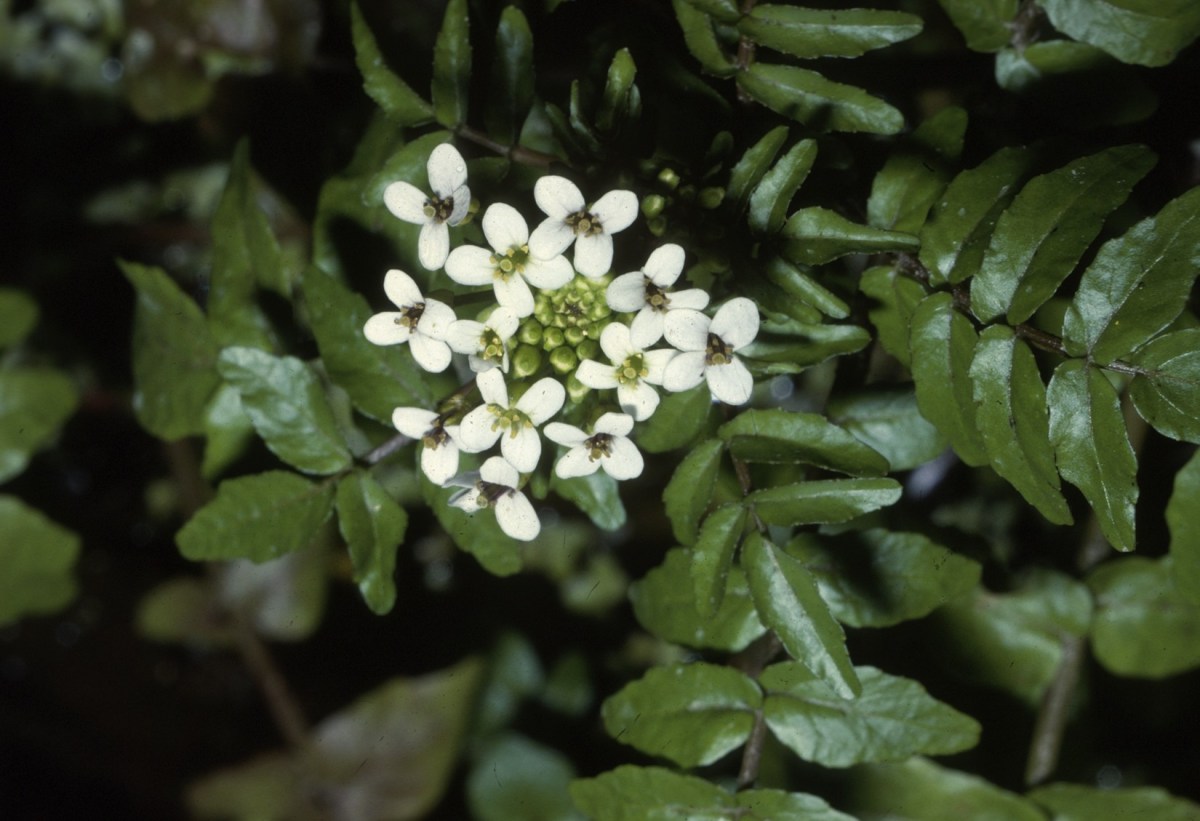
Watercress is an aquatic or semi-aquatic perennial herb with bright white flowers that resemble the shape of a cross; hence, an old name (Cruciferae) for the mustard family, to which watercress belongs.

Watercress by Dave Moore
Nasturtium officinale W.T. Aiton - watercress NAOF

Watercress is a

  • freshwater, aquatic flowering plant
  • an invasive weed
  • a cruciferous vegetable
  • a perenniel herb with nutritional and medicinal properties

Learn more about herbs here
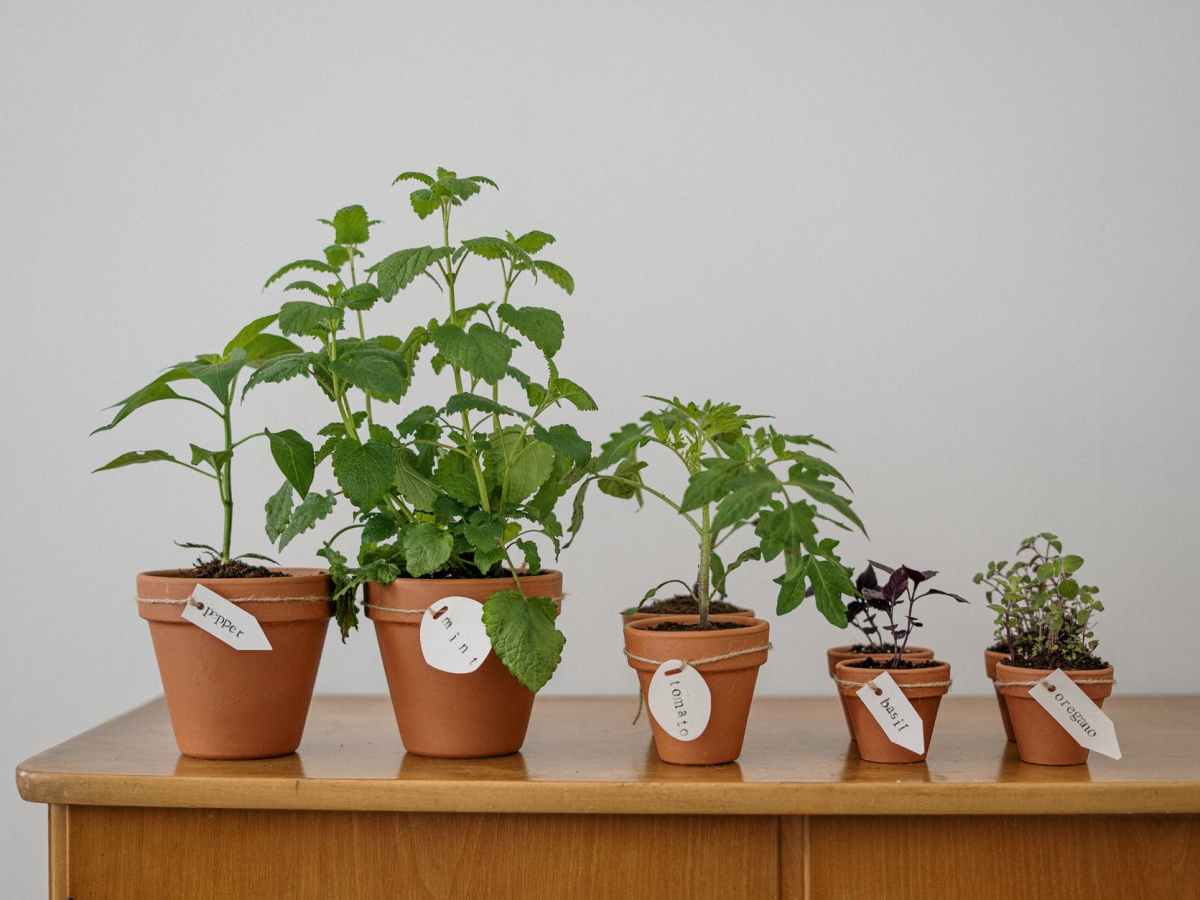
Watercress and other Herbs

An herb comes from the green leaf of a plant. In American English the H is silent.
And an apple is still a fruit Dr.Aletha

Watercress- from tasty to toxic; and a book recommendation

Fascioliasis is found in all continents except Antarctica, in over 70 countries,  especially where there are sheep or cattle. People usually become infected by eating raw watercress or other water plants contaminated with immature parasite larvae.

View post to subscribe to site newsletter.

In casual reading, I rarely find mention of watercress in any context, so it’s startling when I do. The most recent popped up in a memoir about Bruce Murray, a New Zealand soldier who had escaped a German POW camp in World War II. After almost encountering a small camp of enemy soldiers, he took cover in the only hiding place he could find-a swamp.

He decided to sit tight, confident the soldiers would move on. They didn’t. His food was soon exhausted, so he was reduced to eating some sort of watercress and a palm-like weed that grew nearby.. which with the swamp water he was forced to drink kept him going.

By the 5th day, half delirious, he walked into the German campsite..they delivered him back to the POW camp.

It took days to recover from the severe gastroenteritis he’d contracted from the swamp

written by Doug Gold

watercress- an aquatic species

In another watercress post, my references came from the U.S. Department of Agriculture, USDA, website. In this post I pulled from another government agency, the Department of the Interior, or DOI. The information is much the same, but looks at watercress from a somewhat different angle.

While the agriculture department’s focus is on farming, food, and nutrition, the interior department focuses on the environment , wildlife, and geology.

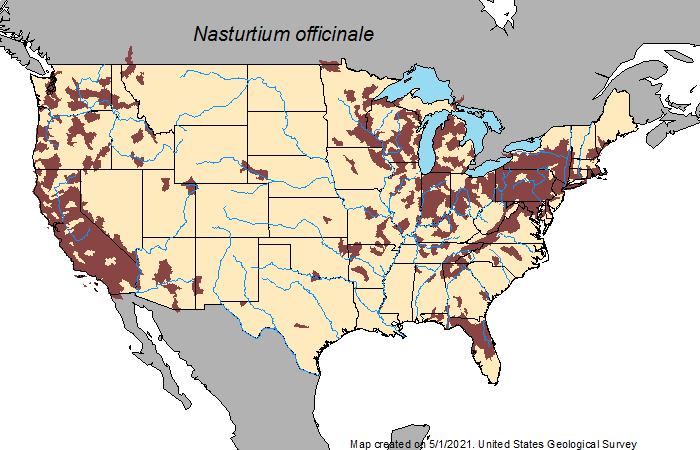
The U.S. Geological Survey, USGS, considers watercress a “nonindigenous aquatic species” or NAS. It is native to Eurasia and Asia and introduced to North America by cultivation and dispersed by wind, water, and animals. Characteristics include

  • fast growing, perennial herb
  • aquatic-cold lakes and slow moving streams
  • grows “floating or prostrate in mud”
  • most abundant in summer and autumn
  • flowers March to October
U.S. map showing distribution of Nasturtium officinale
dark areas represent significant presence of watercress

Bruce encountered watercress while being held prisoner in eastern Europe, but watercress has migrated to North America.

Nasturium officinale is
  • a perennial herb that grows at the water’s surface along the edges of cold lakes and reservoirs, and along slow-moving streams and rivers
  • may be a noxious weed or invasive. In arid regions of western states, it can alter function and block streams.

Watercress is
  • an edible green with a peppery flavor that is commonly used in salads, as a garnish, or cooked, and which
  • contains significant amounts of iron, calcium and folic acid, in addition to vitamins A and C.
  • Many benefits from eating watercress are claimed, such as that it acts as a mild stimulant, a source of phytochemicals and antioxidants, a diuretic, an expectorant, and a digestive aid. It may also have cancer-suppressing properties, and is widely believed to help defend against lung cancer. 

In Bruce’s case, watercress kept him from starving.

But watercress can be toxic, causing illness. Bruce developed a gastroenteritis -abdominal cramping, diarrhea, vomiting-which might have been due to a variety of bacteria, parasites, or viruses contaminating the water. But he may have had a case of

Fascioliasis

Fascioliasis is a parasitic infection typically caused by Fasciola hepatica, which is also known as “the common liver fluke” or “the sheep liver fluke.”

Fascioliasis is found in all continents except Antarctica, in over 70 countries,  especially where there are sheep or cattle. People usually become infected by eating raw watercress or other water plants contaminated with immature parasite larvae.

The young worms move through the intestinal wall, the abdominal cavity, and the liver tissue, into the bile ducts, where they develop into mature adult flukes that produce eggs. The pathology typically is most pronounced in the bile ducts and liver.

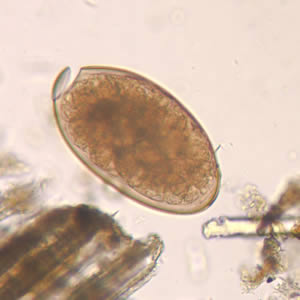
Fasciola hepatica egg in an unstained wet mount (400x magnification): F. hepatica eggs are broadly ellipsoidal, operculated, and measure 130–150 μm by 60–90 μm. (CDC Photo: DPDx)

Fasciola hepatica egg in an unstained wet mount (400x magnification): F. hepatica eggs are broadly ellipsoidal, operculated, and measure 130–150 μm by 60–90 μm. (CDC Photo: DPDx)

 Fasciola infection is both treatable and preventable.No vaccine is available to protect people against Fasciola infection.

In some areas of the world where fascioliasis is found (endemic), special control programs are in place or are planned. Strict control of the growth and sale of watercress and other edible water plants is important.

Individual people can protect themselves by not eating raw watercress and other water plants, especially from Fasciola-endemic grazing areas. As always, travelers to areas with poor sanitation should avoid food and water that might be contaminated (tainted). Vegetables grown in fields that might have been irrigated with polluted water should be thoroughly cooked, as should viscera from potentially infected animals.

The NOTE THROUGH the WIRE

The incredible true story of a prisoner of war and a resistance heroine

Food poisoning from watercress and swamp water were not the only hazards Bruce Murray faced as an Allied POW in Nazi controlled Europe; despite brutal treatment at the hands of sadistic guards, inadequate food, and inclement weather , he risked execution if caught assisting local partisan resistance fighters.

One such resistance fighter was a young woman, Josefine Lobnik, who worked as a courier for the underground resistance movement., passing documents and weapons . Despite the threat of torture and death if caught, she was determined to fight to free her country from enemy occupation which had already caused her family to lose everything.

Author Doug Gold writes about his wife’s parents, telling the story of how the war and their mutual determination to fight the horrors of Nazi aggression brought them together against all odds. Unfortunately, neither of them lived to see their story brought to life.

I could not put this book down and I think you will find it equally engageing. It is an almost unbelievable love story and tribute to all who are willing to risk everything for the sake of democracy and decency. I would recommend it even if it did not mention watercress.

Praised as an “unforgettable love story” by Heather Morris, New York Times bestselling author of The Tattooist of Auschwitz, this is the real-life, unlikely romance between a resistance fighter and prisoner of war set in World War II Europe.

Amazon

exploring the HEART of health

Dr. Aletha