updated March 7, 2025
If you live somewhere that observes Daylight Saving Time, you may notice a disruption in your sleep for a few days after we “spring forward” in March and when we “fall back” to standard time in November.
Like jet lag from travel, these time changes can interrupt our sleep schedule for a few days. And if you already have trouble sleeping, it’s even more of a problem.
Here’s a review of what sleep professionals recommend to help. But for persistent or severe problems, see your own doctor to get started.
This information is current as of the date of original publication or update but may have changed by the time you read this. Do not use this information for diagnosis or treatment purposes. Before making health decisions, discuss with a qualified healthcare professional.
This content is for your “information and inspiration”, and does not imply my endorsement or recommendation.
(Affiliate links are used in this post. You don’t pay more to shop through these links; this blog may earn a small commission, which funds its existence. )
What is Chronic Insomnia?
Most of us have trouble sleeping occasionally, but if you persistently have difficulty with sleep, you may have a medical condition associated with sleep disturbances. These include
- sleep apnea
- restless legs syndrome
- depression and/or anxiety
- post-traumatic stress disorder
Some people have true chronic insomnia, meaning persistent sleep difficulty not due to some other cause. There are various criteria to diagnose chronic insomnia but in general include
- difficulty falling or staying asleep
- at least 3 nights per week for at least 1-3 months
- with impairment of daytime function, such as fatigue/sleepiness, poor concentration, irritability, school or work dysfunction

How can you sleep better with chronic insomnia?
The first step for chronic or occasional insomnia is to identify and treat any underlying medical issues that cause poor sleep. In addition to the ones mentioned above these include
- painful conditions
- heartburn (gastroesophageal reflux)
- congestive heart failure
- lung diseases like asthma cause nighttime breathing difficulty
- menopausal night sweats
Sleep specialists recommend non-drug management of chronic insomnia and reserve sleep medications for more resistant cases.
Sleep meds were one of the 7 drugs that are overused in my previous post.

(Read more about Ernest Hemingway’s preserved Florida home at this post)
Hemingway’s study- chaos and creativity
Behaviors for better sleep
Experts recommend sleep hygiene , basically lifestyle changes, as the initial treatment. Some people have developed bad habits in regards to sleep that need to be unlearned and new behaviors put in place.
For optimal sleep, you should
- Engage in regular exercise- moderate intensity , tai chi , yoga and low-impact aerobic exercise
- Avoid evening large meals
- Limit caffeine, tobacco, and alcohol
- Use the bedroom only to sleep and for sex
- Maintain a regular bedtime-awake schedule
- Avoid daytime naps
- Avoid distracting stimuli at bedtime-watching television, using electronic devices, talking on the phone
- Stay in bed only while sleep
Dim the lights for better sleep
The light from electronic devices- clocks, thermostats, televisions, monitors-can disturb your sleep even after you turn off your phone and tablets. This light can be blocked by stick on light blocking covers than can block out the majority of it.
Light from my clock made it hard for me to fall asleep before I discovered these products. With them I fall asleep easier, and can fall back asleep if I wake up.
Maintaining a regular schedule helps to set or reset your sleep/wake cycle. So go to bed at the same time every night and wake up at the same time every morning.
However, if you can’t sleep, rather than lie in bed awake, you should get up, do a non-stimulating activity, then return to bed when sleepy.

If you have persistent sleep loss, consider more intensive therapy by a professional.
Cognitive behavior therapy for insomnia , CBT-I, significantly improves chronic insomnia and daytime functioning and is recommended as first-line therapy.
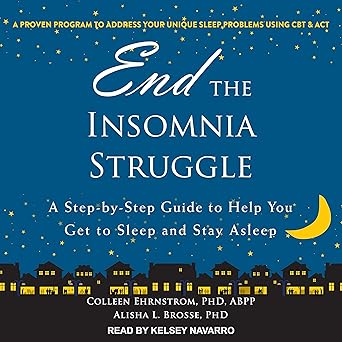
CBT-I combines cognitive therapy with sleep restriction, relaxation training, and stimulus control.
Treatment typically requires 5-8 sessions conducted by a health professional trained in its use. Patients need to participate by keeping a sleep diary and writing down daily thoughts in a journal while continuing with the sleep hygiene practices mentioned above.
SleepPhones
Natural Sleep Aid Created By A Doctor. A family physician created SleepPhones to help patients fall asleep faster and stay asleep longer without resorting to drugs.(affiliate link)
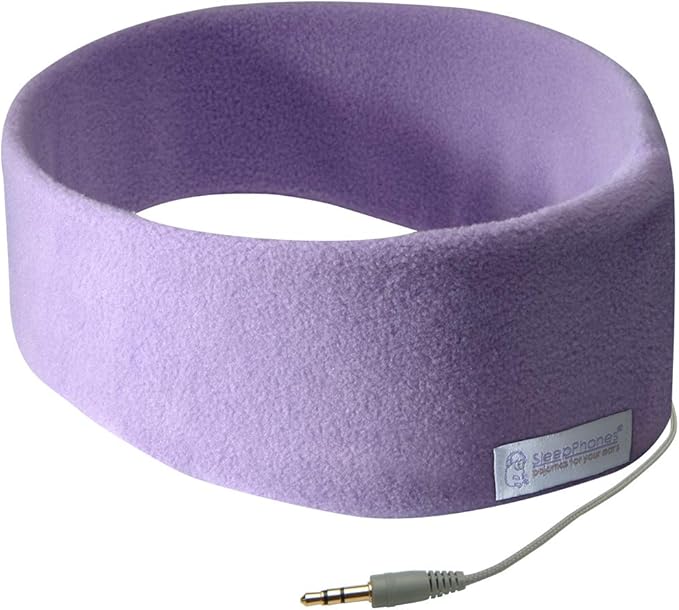
SleepPhone
Manage stress, learn to relax
If you have occasional trouble sleeping due to stress, relaxation techniques can help you. Techniques include meditation, yoga, imagery, abdominal breathing and muscle relaxation techniques. These can reduce tension and anxious thoughts that inhibit sleep onset and maintenance.
5 steps to manage stress and strain
A college graduate receives a gift certificate for a book, choosing a technical manual for his engineering career. This post reflects on the need for coping mechanisms for life’s stressors, sharing five essential steps to manage stress and strain. These steps include maintaining a routine, seeking social support, focusing on the positive, staying active, and…

exploring the HEART of healthy sleep
I’d love for you to follow this blog. I share information and inspiration to help you transform challenges into opportunities for learning and growth.
Add your name to the subscribe box to be notified of new posts by email. Click the link to read the post and browse other content. It’s that simple. No spam.
I enjoy seeing who is new to Watercress Words. When you subscribe, I will visit your blog or website. Thanks and see you next time.
Dr. Aletha
- About Dr. Aletha
- How to Use this Site
- Make Your Life Easier
- Search by Category
- Share the HEART of health
- my Reader Rewards Club
- RoboForm Password Manager
The cover image of this post was created by JetPackAI available with WordPress.
Use these links to share the heart of health wherever you connect.


 watercress words by Dr Aletha
Thank you for sharing these science-based tips for getting a sufficient amount of healthy sleep. It’s such an important foundation for good health.
Thank you for sharing this post in the Talent-Sharing Tuesdays Link-Up 41.
Carol
http://www.scribblingboomer.com
LikeLike
You’re welcome Carol. I know from personal experience what a difference adequate sleep can make to one’s well being. When I was still practicing I encouraged my patients to make sleep a priority.
LikeLike
This is great info. So helpful for a common problem. Thank you for sharing!
LikeLiked by 1 person
You’re welcome, Marielle, I appreciate that.
LikeLike
Thank you, Dr. Aletha – A helpful post for this common problem. We will feature your post on the next Blogger’s Pit Stop to help more bloggers.
Kathleen
LikeLike
That’s wonderful Kathleen, I hope it does. Especially now, sleep can be elusive, but we need it all the more.
LikeLike
********************************************************
Thank you for sharing at #OverTheMoon. Pinned and shared. Have a lovely week. I hope to see you at next week’s party too! Please stay safe and healthy. Come party with us at Over The Moon! Catapult your content Over The Moon! @marilyn_lesniak @EclecticRedBarn
********************************************************
LikeLike
Thanks for posting — these are great tips and it also reminds us that we need to actively do things to help encourage and foster our deep sleep and rest rather than just expecting that we will automatically be able to sleep well. .
LikeLike
That’s an excellent point Paige. Sleep is not a passive activity, our brains are active during sleep; some experts belief that the brain repairs itself during sleep and this doesn’t happen when sleep is disrupted. Thanks for adding your insight.
LikeLike
Thank you so much for sharing this insightful post through #senisal. I suffer from sleep apnea and do use a sleep apnea machine, which does help, but from time to time, approximately once every week or two, I may have a night of tossing and turning until the early hours of the morning. I am at a loss why this happens and what triggers it.
LikeLike
You’re welcome Esme. I understand your dilemma. I too use a CPAP machine and while I sleep well most nights ,occasionally I have a restless night. For me, it’s usually if I get off my usual routine, like staying up too late, or having a troubling day. You might try keeping an activity/sleep diary for a few weeks to see if there is a pattern. Or perhaps talk to your doctor, especially if this is a new thing, or if you’ve never achieved consistently good sleep. Keep trying, and let me know what happens.
LikeLiked by 1 person
Aletha, thanks for your response. Good info, and I will just do that and keep a log. I do have a high demanding day time job, many times, long and extended hours and then still trying to keep my blog active and going.
LikeLike
That’s too bad Dee, I hope you have found some ways to help.
LikeLike
I’m so glad to see this advice on getting a good night’s sleep, especially after the comments on my recent “Why am I so tired?” post. I had no idea that sleep problems were so common–at least among us mid-lifers. Thanks for sharing this on #BloggingGrandmothersLinkParty. I will share on social media as well.
LikeLike
Thanks Christie. Yes, they are common, even in younger people. I believe much of it is lifestyle related, but many are medical issues also.
LikeLike