5 spring health risks you need to prepare for now

With more hours of sunlight and warmer weather you may spend more time outdoors.While that may mean greater fitness from the physical activity, you will be at risk of several outdoor injuries. Be proactive and prevent warm weather ailments with these tips.

Remember it’s Spring forward to Daylight Saving Time

Most of the United States changes to Daylight Saving Time on the second Sunday of March every year

So you will either be going to bed an hour later than usual, or awakening an hour earlier.

sleep

Either way, your body will tell the difference until your sleep cycle adjusts; I know mine always does.  WebMD offers these tips to make the change easier.

If getting a good night’s sleep is a persistent problem for you, check out the information I shared in this post.

Expert advice to sleep well every night


We welcome the  first day of Spring  in the northern hemisphere, with the occurrence of the vernal equinox which occurs around March 20 every year.

This link to The Weather Channel explains what the vernal equinox means.

graphic of the earth explaining equinox and solstice
original source not known


With more hours of sunlight and warmer weather you may spend more time outdoors.While that may mean greater fitness from the physical activity, you will be at risk of several outdoor injuries. Be proactive and prevent warm weather ailments with these tips.

insect bites and stings

Protect yourself against mosquitoes and other insects.

5 insect repellents to keep you safe this summer


sun exposure

Protect your skin with  sunscreen while you’re outside.

(These are affiliate links placed here for your convenience. This blog can earn a commission from sales from these links. This does not imply endorsement of these products.)


blisters and other wounds

Protecting your feet.

Whether walking, jogging,  gardening, or sports, our feet can take a beating from outdoor activity.

You probably don’t worry much about blisters- until you get one. Then the pain can inhibit walking, or even  wearing a shoe.

At worst, blisters can become chronic wounds, get infected, and threaten limbs in susceptible persons like those with diabetes or poor blood flow.

Ways to prevent blisters include-

  • Proper fitting shoes, not too tight or too loose
  • Breaking shoes in before activity likely to cause a blister, like running, dancing, long walks, sports
  • Wearing absorbent cushioned socks, perhaps 2 pair together
  • Applying protective padding over pressure points on the feet. Even plain paper tape can accomplish this, according to this study published in the New York Times.


I own and wear several pairs of Skechers sports shoes. (affiliate link)


environmental allergies

What to do about seasonal allergies

Often called “hay fever”, allergic rhinitis doesn’t cause a fever but it can make us miserable with its characteristic symptoms-

  • runny nose, sneezing, congestion
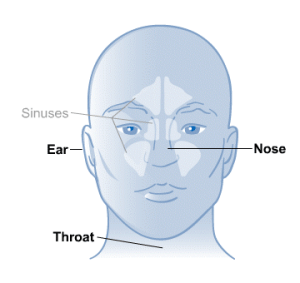
diagram of the nose and sinuses
Allergies commonly affect the nose, throat, sinuses, ears, and eyes.
  • scratchy, itchy, or tickly throat
  • cough
  • ear itching and pressure
  • watery, itchy, red eyes
  • Even those  people who have these symptoms year round may have seasonal exacerbations, usually spring and fall.

    Here is information about allergy management from the American College of Allergy to discuss with your doctor.

    Seasonal Allergies

    exploring the HEART of health this spring

    Thank you for  viewing  the advertisements and using the affiliate links  that fund this blog; with your  help, we can grow, reach more people, and support worthy causes that bring health and wholeness to people around the world.


    Dr. Aletha

     

    5 spring health risks you need to prepare for now- watercresswords.com

    Watercress: Nutrition and Recipes from The Book of Greens

    This article explores the health benefits and culinary uses of watercress, a nutrient-rich green, alongside the cookbook “The Book of Greens” by Jenn Louis and Kathleen Squires. It highlights various greens, recipes, and cooking techniques while emphasizing the nutritional value and historical significance of watercress.

    Despite the name, this blog isn’t about watercress but is like watercress-unique, peppery, bright, and nutritious. And as a physician blogger, I want to know more about the health benefits (and possible dangers) of watercress.

    (I also find watercress intriguing because it is from the plant family Cress- also my family name. )

    In my research about watercress, I found an intriguing book,

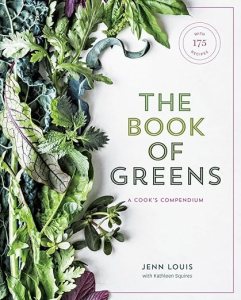
    The Book of Greens-a Cook’s Compendium

    “A cook’s compendium of 40 varieties, from Arugula to Watercress, with more than 175 recipes” 

    Jenn Louis-co-author

    Jenn Louis has competed on Bravo’s “Top Chef Masters,” was named one of Food & Wine’s “Best New Chefs,” and has earned two nominations for the James Beard Foundation Award of Best Chef: Northwest.

    Her debut cookbook, Pasta By Hand published in 2015, was nominated for an IACP from the International Association of Culinary Professionals and this, her second book, debuted in April 2017 and won an IACP award. The book was also nominated for a James Beard Award.

    She has owned and operated three restaurants and a catering business in Portland, Oregon. Jenn is actively involved with nonprofits including World Central Kitchen, Alex’s Lemonade and Share Our Strength.

    Kathleen Squires-co-author

    Kathleen Squires is a food and travel writer from New York City. She has coauthored The Coolhaus Ice Cream Book, The Quick Six Fix, and The Journey, which won an IACP award.

    The Book of Greens

    The Book of Greens is about 40 different varieties of greens; some you probably already know and use-

    • arugula
    • bok choy
    • Brussels sprouts
    • cabbage
    • kale
    • lettuces
    • spinach

    Others are less known and used, at least to me-

    • agretti
    • chickweed
    • mache
    • mizuna
    • seaweed
    • succulents
    • wild and foraged greens
    Greens are a superfood because they are so nutritious, are inexpensive to grow, and come in many varieties with a broad diversity of flavors and textures. Jenn Louis

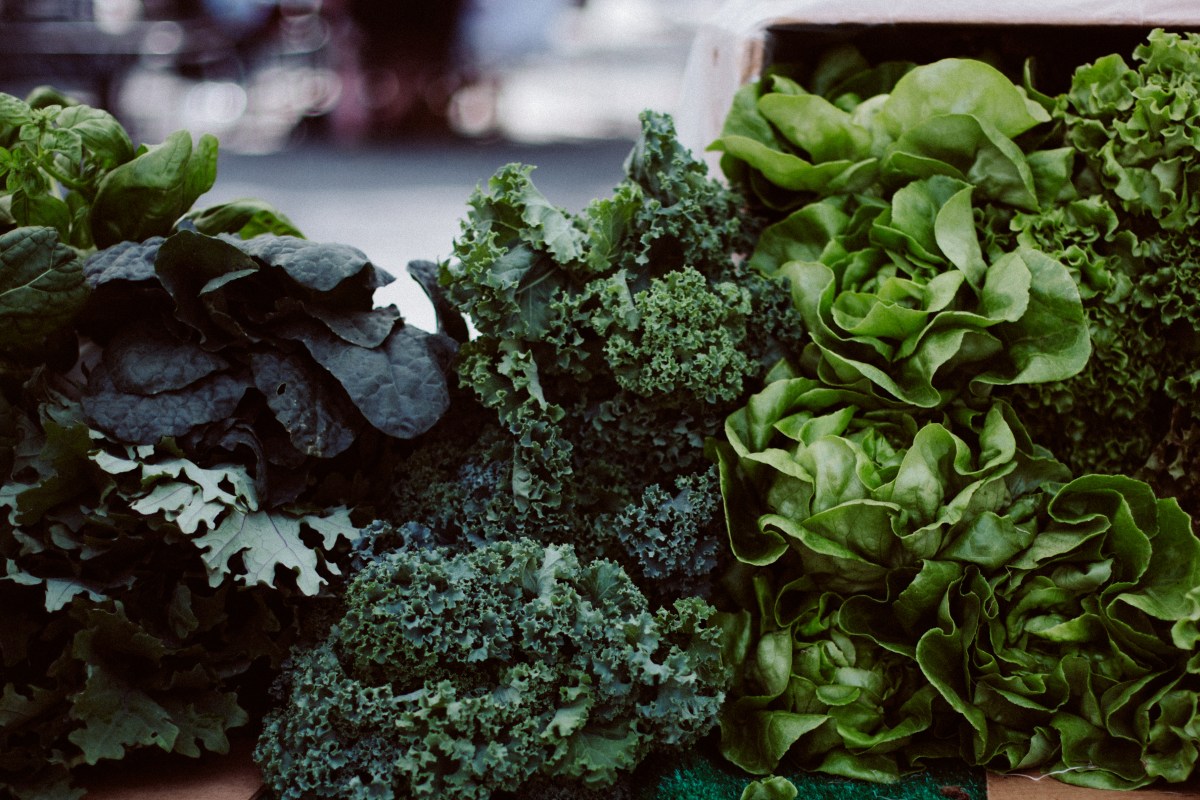
    green leafy vegetables
    image from LIGHTSTOCK.COM, stock photo site, an affiliate link

    What’s in The Book of Greens?

    This book is a cookbook, not a textbook on greens, so it features recipes, some simple, some complicated, but all incorporating some variety of greens. She starts by covering some cooking basics as it applies to greens-

    • How to buy greens-fresh, in small quantities
    • How to prepare-clean and handle them gently
    • How to cook-which methods work best for each variety
    • Storage of greens
    • Tools to use in prep and cooking
    • Notes on common ingredients used in cooking greens-oils, spices, salts, stocks, vinegars
    • Seasons-when to buy

    Watercress basics –Nasturtium officinale

    an ultrapeppery, strong-stemmed green, one of the oldest documented greens, dating back to ancient Greece, Rome, and Persia page 271
    • most often used in salads and sandwiches, and pureed as a soup
    • used in sandwiches for British afternoon tea
    • prescribed by Hippocrates (an ancient Greece physician, considered the father of medicine)
    • used by Captain Cook’s crew to prevent scurvy

    This last point was likely due to its Vitamin C content; a deficiency causes the disease scurvy. It also is rich in other vitamins- A, B, E, K, and the minerals calcium, phosphorus, potassium, and manganese. Some experts call it the most nutrient-rich vegetable.

    Nasturtium officinale W.T. Aiton - watercress NAOF
    Nasturtium officinale W.T. Aiton – watercress NAOF

    How to use watercress

    Watercress grows in the spring and fall in North America. She calls it a tender green which can be eaten raw or cooked. Best cooking methods are

    • lightly sauteed
    • wilted in soups
    • quickly steamed
    • quickly stir-fried over very high heat

    Watercress recipes in this book

    • Chicken and pork belly paella with watercress
    • Slow-roasted pork tonnato with watercress and tomatoes
    • Watercress soup with creme fraiche and za’atar

    Wild watercress-Nasturtium microphyllium

    This watercress relative grows wild, rather than cultivated. It has a “more intense peppery and piquant flavor.” It grows in any watery terraine-streams, lakes, ponds. (Edible wild greens must be chosen carefully, so as not to confuse them with poisonous plants.)

    Photos by Ed Anderson

    In addition to the authors, the photographer, Ed Anderson, deserves special recognition. His photos of the greens and the finished recipes make this a “coffee table book”, even if you never try a single recipe.

    Another post on this blog that features watercress

    Exploring the HEART of Health

    I’d love for you to follow this blog. I share information and inspiration to help you transform challenges into opportunities for learning and growth.

    Add your name to the subscribe box to be notified of new posts by email. Click the link to read the post and browse other content. It’s that simple. No spam.

    I enjoy seeing who is new to Watercress Words. When you subscribe, I will visit your blog or website. Thanks and see you next time.

    Dr. Aletha