As a family physician, I explore the HEART of HEALTH in my work, recreation, community, and through writing. My blog, Watercress Words, informs and inspires us to live in health. I believe we can turn our health challenges into healthy opportunities. When we do, we can share the HEART of health with our families, communities, and the world. Come explore and share with me.
16 So we do not lose heart. Though our outer selfis wasting away, our inner self is being renewed day by day.17 For this light momentary affliction is preparing for us an eternal weight of glory beyond all comparison,18 as we look not to the things that are seen but to the things that are unseen. For the things that are seen are transient, but the things that are unseen are eternal. (English Standard Version)
If you read this blog regularly or even occasionally, you know that I like to write updates on topics I’ve covered. This is one update I would rather not need to share with you.
This past week, Swift, the groom in this video, died from the cancer that he has so bravely endured for several years. Abbi, above a bride, is now a young widow.
Please keep her and their families in your thoughts and prayers.
Weekend words is a regular feature of watercress words. At the end of the work week we take a break from exploring strictly medical topics to read words of faith, hope and lovefrom the Bible and other carefully selected sources.
Disclosure:
This blog gains no financial benefit from any charitable organization mentioned here. I recommend you investigate before donating anywhere. Affiliate links will be identified.
Use these links to share the heart of health wherever you connect.
If you like history, current events, medical science, or just want to be more knowledgeable about why we should be concerned about infections , antibiotic resistance and vaccine phobia, you should read this book.
update July 25, 2020
When I read and reviewed this book almost 4 years ago, I thought it was only for historical interest. I never imagined you and I would live during and hopefully through a pandemic. I now know that assumption was false; this COVID-19 pandemic is not over, and even when it is, it likely will not be the last.
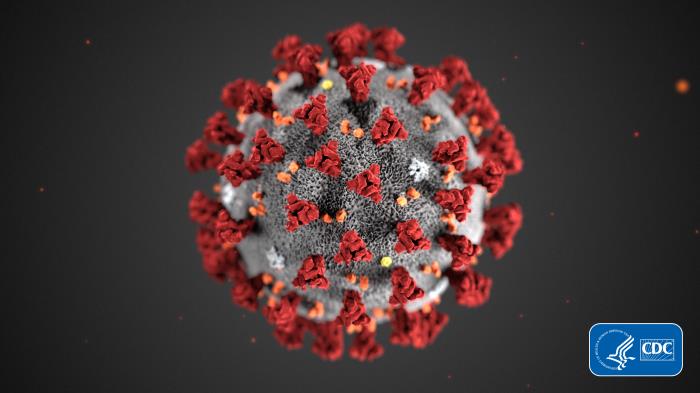
The world has now spent the majority of this year dealing with a COVID-19 pandemic producing grim statistics.
Sonia Shah is a science journalist, not a scientist or physician, who has built a career writing about medical science. She explains the “what” of her book in the subtitle-
Tracking contagions from cholera, to Ebola, and beyond
And she answers the “why” in the introduction-
“By telling the stories of new pathogens through the lens of a historical pandemic, I could show both how new pathogens emerge and spread, and how a pathogen that had used the same pathways had already caused a pandemic.”
What is a pandemic?
Let me back up and define some terms. (And tell you this post uses affiliate links for your convenience and to fund this blog’s mission)
Pathogen– any disease producing agent, but especially referring to a living microscopic organism, such as a virus, bacteria, or parasite; this includes the organisms that cause Lyme disease, Ebola, West Nile, HIV, bird flu, even the common cold
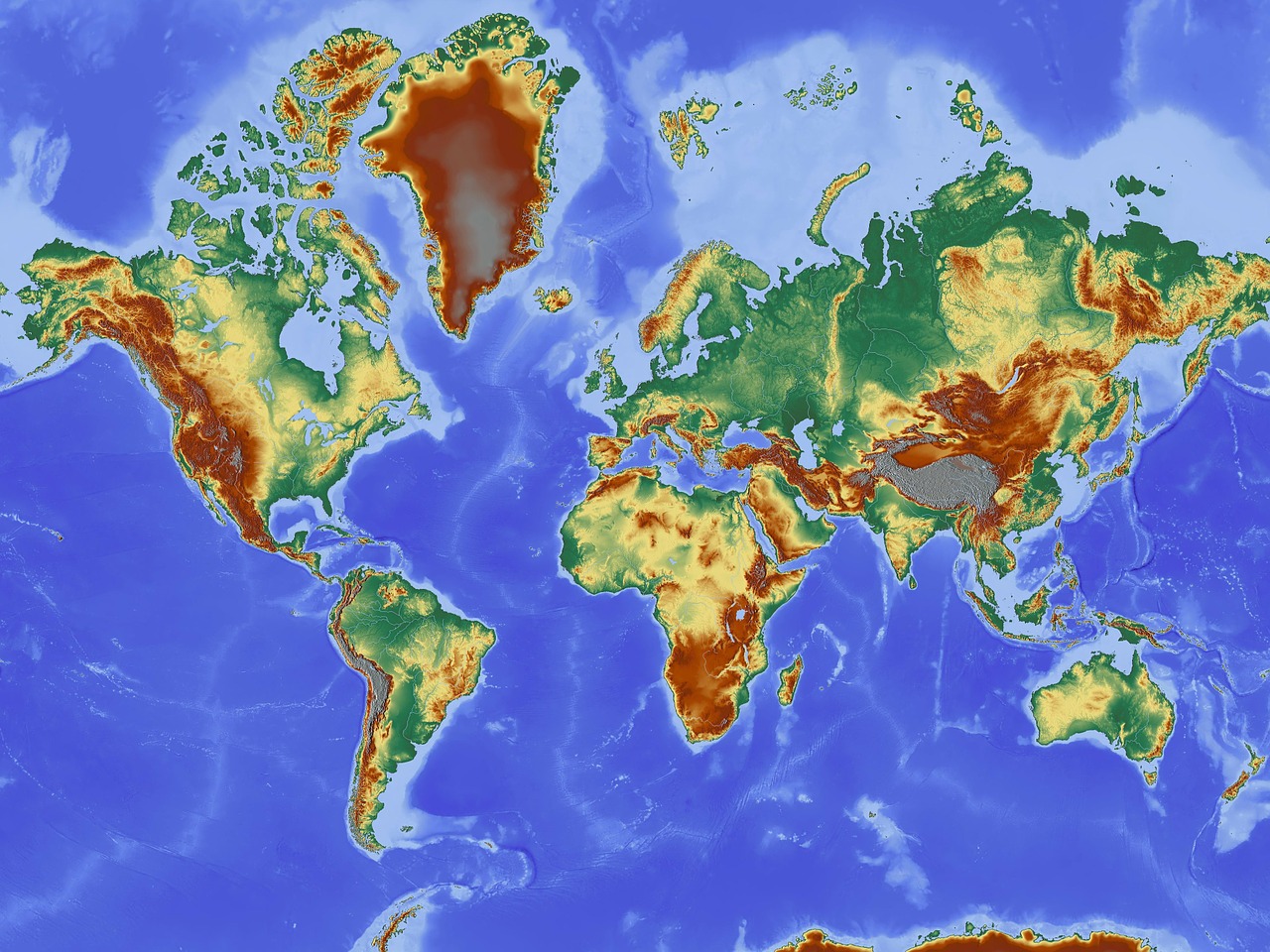
Pandemic– a disease outbreak that spreads throughout a country, continent, or the world, as opposed to an epidemic, which is localized.
In a pandemic, an infectious disease may spread all around the world.
With current focus on chronic diseases like heart disease, diabetes, cancer, and dementia, physicians and patients can get lulled into thinking that infectious disease has been conquered and no long a serious medical threat. This book reminded me that is not the case.
Cholera- a historic pandemic
Ms. Shah recounts the history of cholera, which has caused epidemics on every continent except Antarctica, focussing on the epidemics which devastated London, New York City, and more recently Haiti.
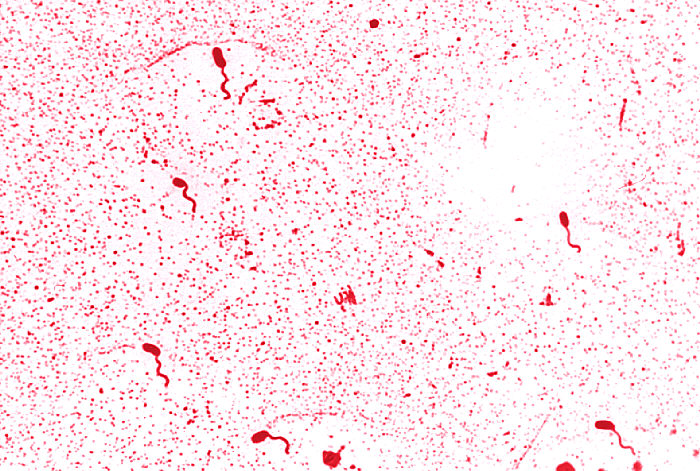
Cholera is little known in the United States now, but in the past it has been deadly both here and throughout the world. Cholera, an infection due to a bacteria Vibrio cholerae causes severe uncontrollable diarrhea which quickly renders its victims helpless, dehydrated and critically ill. The bacteria lives in and is spread by contaminated water, but for many years physicians did not know this; and even when some doctors proposed this as the method of spread, others refused to believe it. Thus the opportunity to control it and prevent thousands of deaths was delayed .
photo of the Vibrio cholera bacteria under a microscope; used courtesy of CDC/ Dr. William A. Clark
How pandemics spread
The author explains how cholera and other infectious diseases cause so much human suffering by detailing “How disease spreads” in these chapter titles
Locomotion– Humans and pathogens travelling from place to place spreads disease.
Filth-Waste management and in some cases mis-management, leads to contamination of drinking water by human waste.
Crowds-People living in crowded slums creates perfect conditions to spread disease person to person.
Corruption– Public officials and business people who place profit and power above public health.
Blame No one willing to take responsibility for making hard choices, and too willing to blame someone else.
Ms. Shah uses examples from her personal life, like her annual family trips to India to visit relatives who lived in less than clean and sanitary neighborhoods. She also shares her and her sons’ battle with skin infections due to MRSA, a form of staph (staphylococcal) that is resistant to many antibiotics and can be difficult to eradicate.
Pandemic includes extensive footnotes and a glossary of terms used in the book.
If you like history, current events, medical science, or just want to be more knowledgeable about why we should be concerned about infections , antibiotic resistance and vaccine phobia, you should read this book.
Other resources that address the risk of global spread of infections.
For a visual lesson on how pandemics occur, watch this video.Warning: it is rather graphic.
“Medical historian and pediatrician Howard Markel, author of Quarantine! tells the story of six epidemics that broke out during the two great waves of immigration to the United States—from 1880 through 1924, and from 1965 to the present—and shows how federal legislation closed the gates to newcomers for almost forty-one years out of fear that these new people would alter the social, political, economic, and even genetic face of the nation.” (quote from Goodreads)
Dr. Larry Brilliant talks pandemics
Lawrence “Larry” Brilliant is an American epidemiologist, technologist, philanthropist, and author, notable for his 1973 – 1976 work with the World Health Organization, helping to successfully eradicate smallpox.
In this recent TED interview, he discusses COVID-19 , how we’re doing so far, where we’re going, and what we should do to get there
Unless you haven’t listened to any news for the past 8 weeks, you are well aware of the “challenge” the whole world has been confronting over what some do call “just a virus”; and you know that it has caused much critical illness and death, leading to “public” and private anxiety.
Use these links to share the heart of health wherever you connect.








 watercress words by Dr Aletha