Lent, in the Christian church, is a period of penitential preparation for Easter.
In Western churches it begins on Ash Wednesday, six and a half weeks before Easter, and provides a 40-day period for fasting and abstinence (Sundays are excluded), in imitation of Jesus Christ’s fasting in the wilderness before he began his public ministry.
In Eastern churches Lent begins on the Monday of the seventh week before Easter and ends on the Friday that is nine days before Easter. This 40-day “Great Lent” includes Saturdays and Sundays as relaxed fast days.
So I turned to the Lord God and pleaded with him in prayer and fasting. I also wore rough burlap and sprinkled myself with ashes.
Daniel chapter 9, verse 3, NLT
Holy Bible, New Living Translation, copyright © 1996, 2004, 2015 by Tyndale House Foundation. Used by permission of Tyndale House Publishers, Inc., Carol Stream, Illinois 60188. All rights reserved.

exploring and sharing the HEART of health
I’d love for you to follow this blog. I share information and inspiration to help you transform challenges into opportunities for learning and growth.
Add your name to the subscribe box to be notified of new posts by email. Click the link to read the post and browse other content. It’s that simple. No spam.
I enjoy seeing who is new to Watercress Words. When you subscribe, I will visit your blog or website. Thanks and see you next time.
Dr. Aletha
- About Dr. Aletha
- How to Use this Site
- Make Your Life Easier
- Search by Category
- Share the HEART of health
- my Reader Rewards Club
- RoboForm Password Manager

Posts to read and share as you observe Lent
words for Lent – Good news
And before anyone can go and tell them, they must be sent. As the Scriptures say, “How wonderful it is to see someone coming to tell good news!”Messiah selections from the New Testament
Keep reading
a word for Lent – Glory
Even though Messiah tells the story of Jesus, whose birth, life, and death are recorded in the Bible’s New Testament, many of the lyrics come from the Old Testament, like this passage today from Psalms.
Keep reading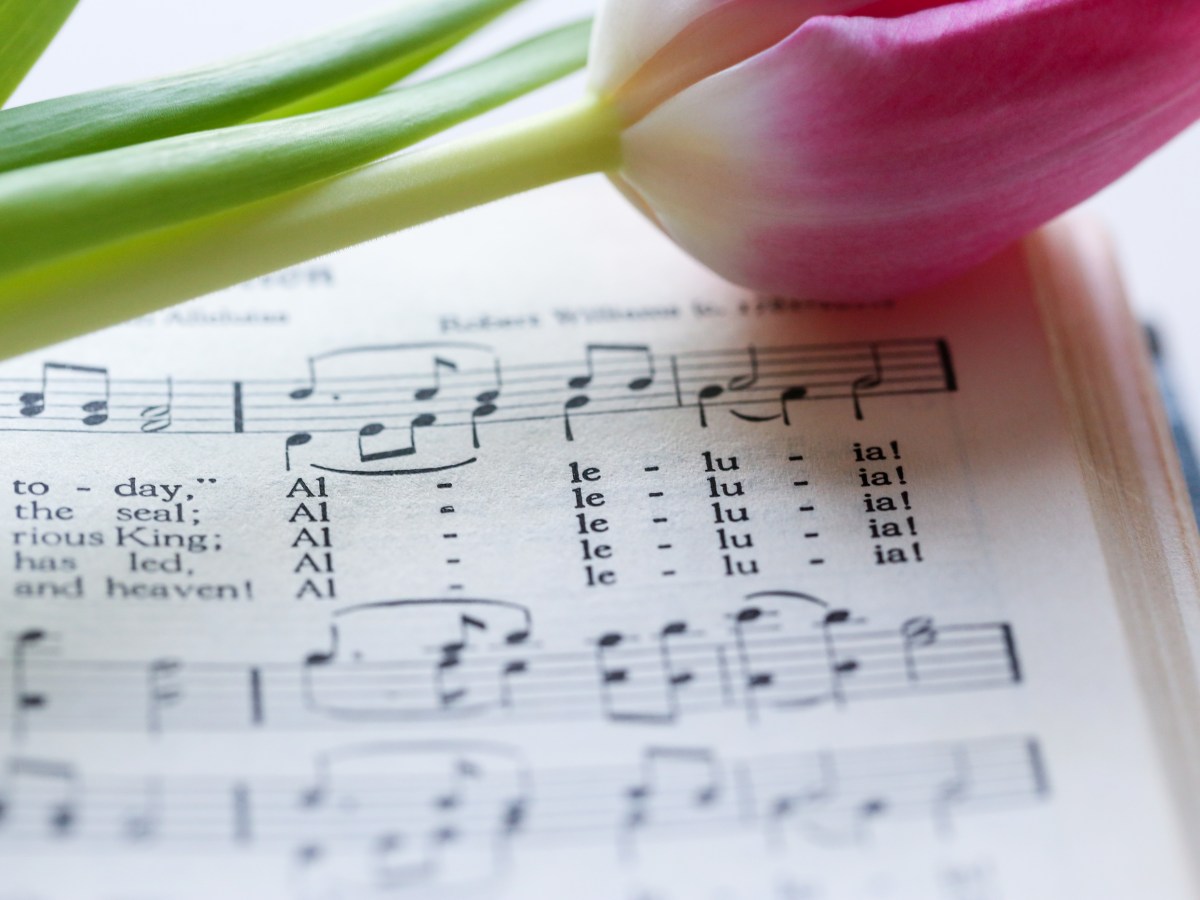
a word for Lent – Alleluia
Often referred to as the Hallelujah Chorus, this passage is the most recognized part of Handel’s Messiah. If you have ever attended a live performance of Messiah, you probably stood during the singing of the Hallelujah Chorus.
Keep reading
Sorrow-a word for Lent
Charles Jennens gave George Handel the lyrics to Messiah, verses primarily from Isaiah, Psalms, Paul’s letters to the early church, and Revelation.
Keep reading






 watercress words by Dr Aletha