updated July 18, 2024
The Helpers
Profiles from the Front Lines of the Pandemic
by Kathy Gilsinan
The test of a whole person is whether you can keep showing up when you’ve lost faith entirely.
I thought The Helpers would be a feel-good story about the heroes of the SARS-CoV-2 pandemic. It is a story about the heroes of the pandemic, but it didn’t make me feel good. And, as I learned in the book, they don’t like to be called heroes.
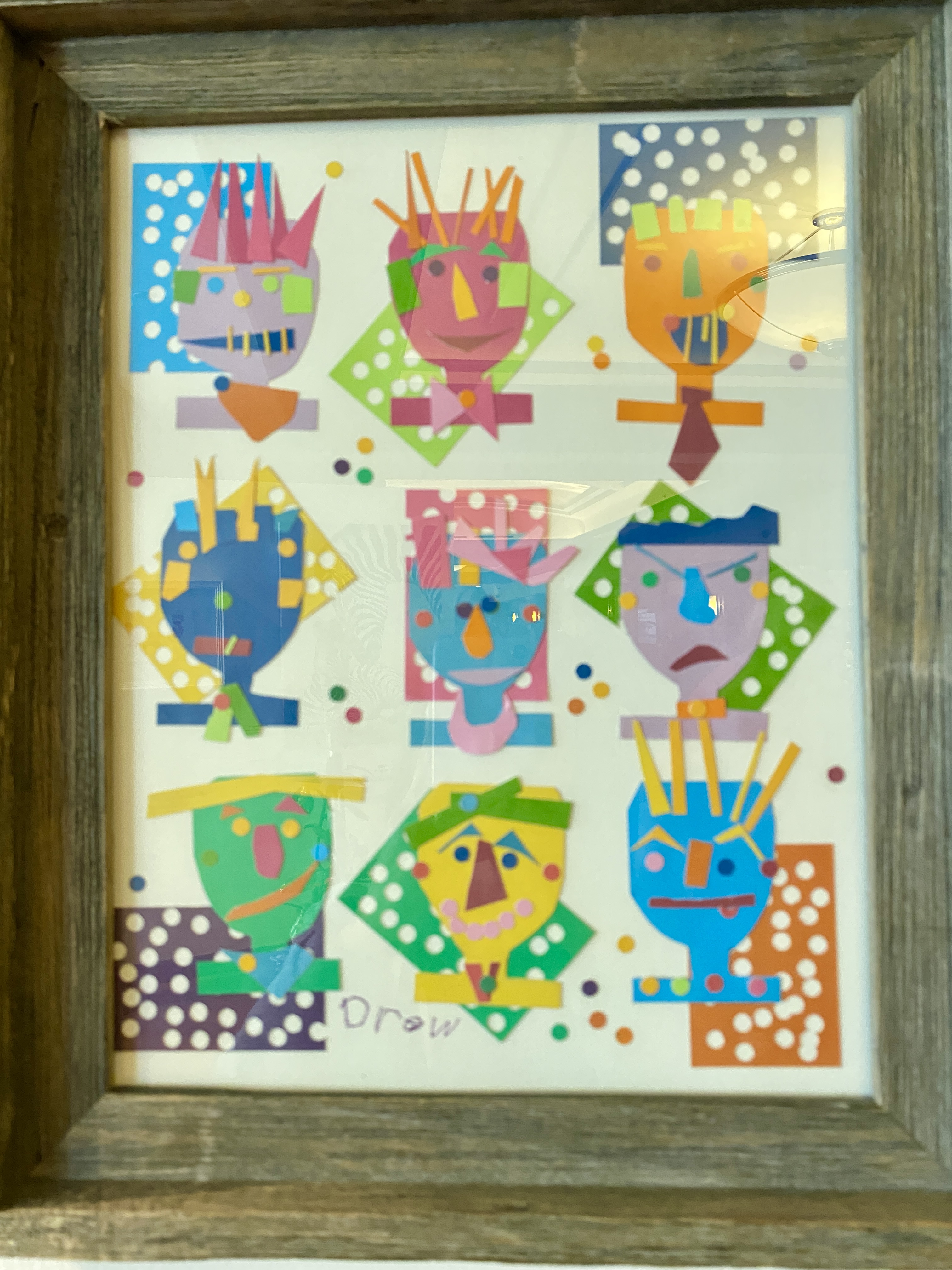
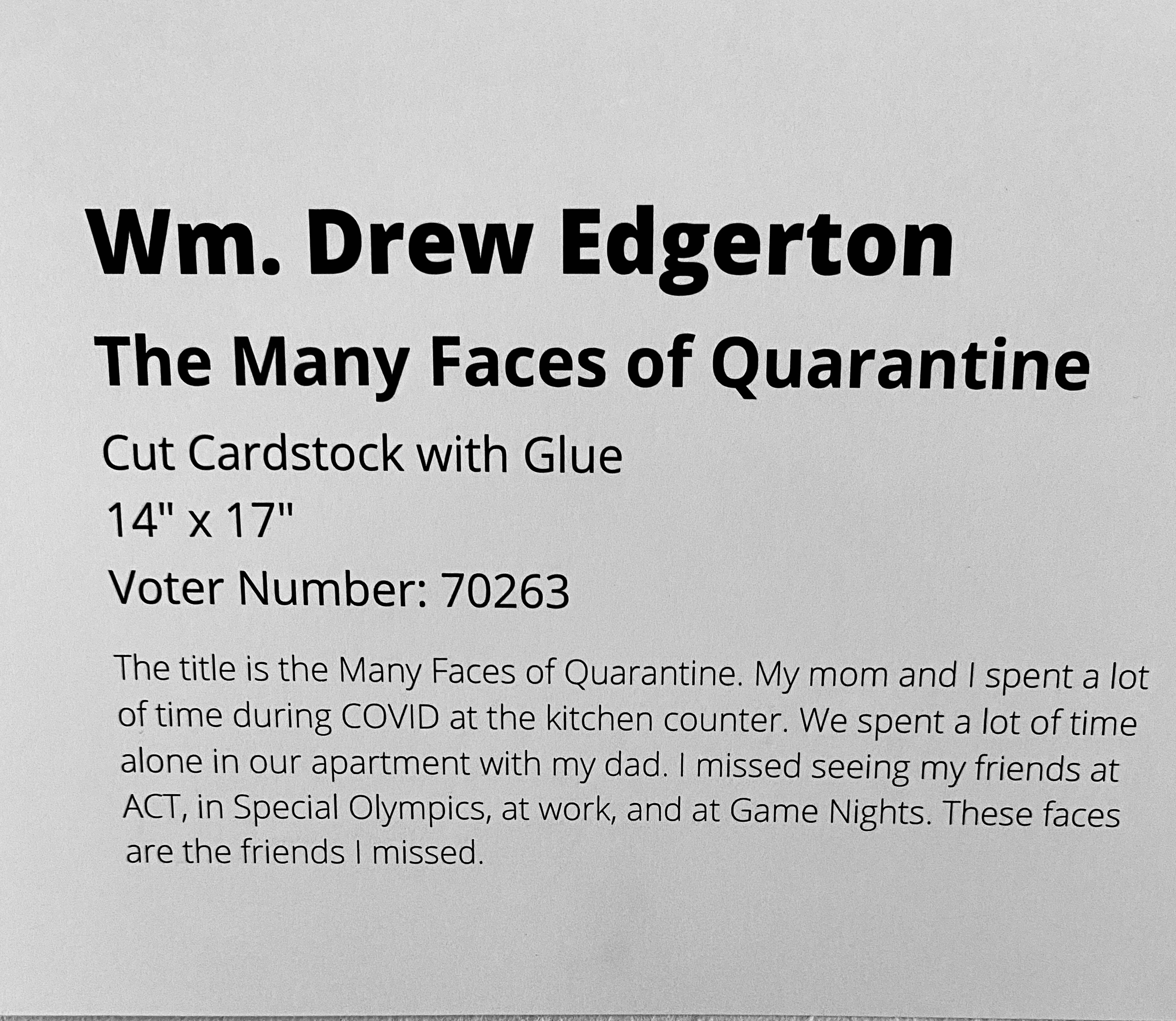
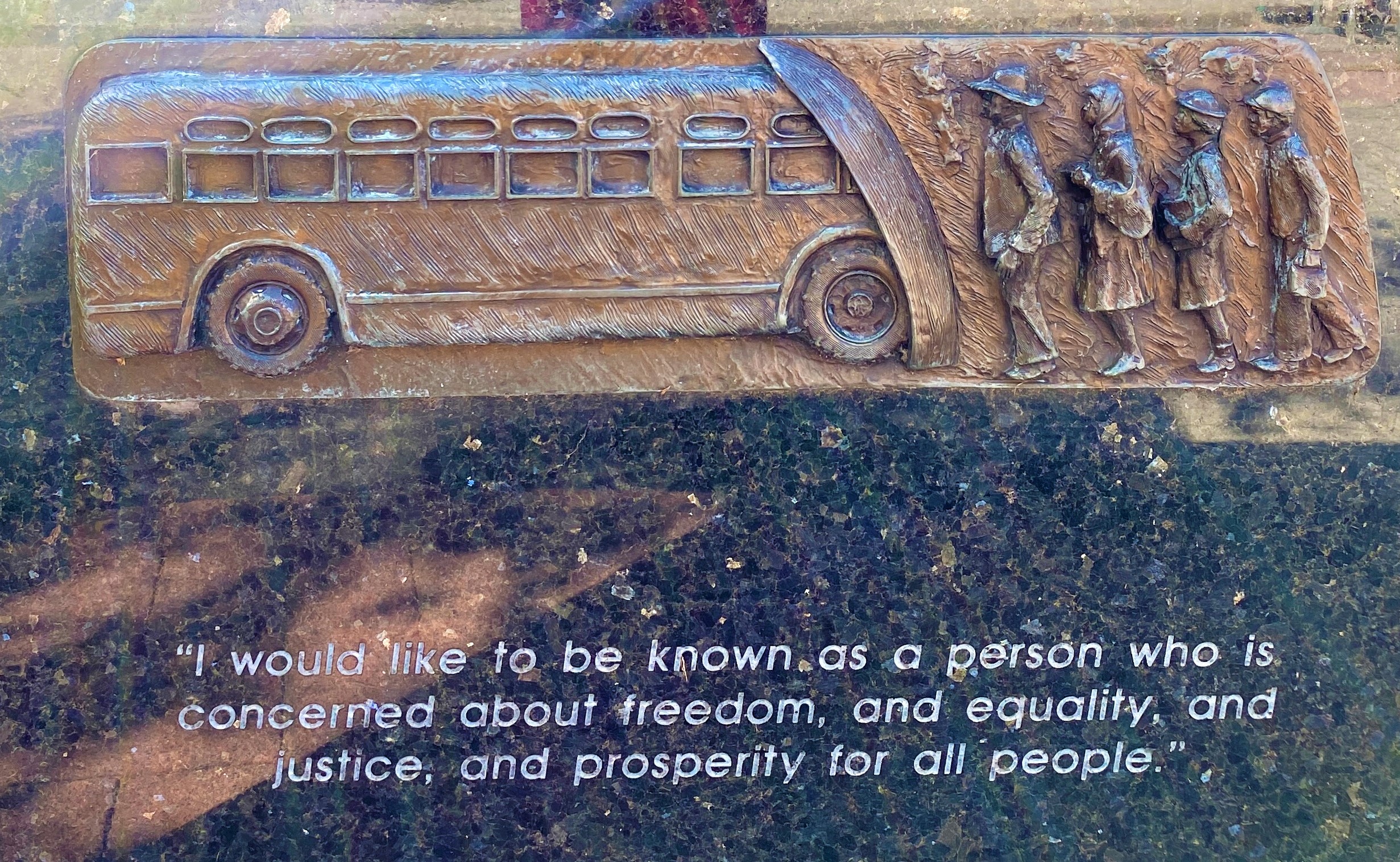
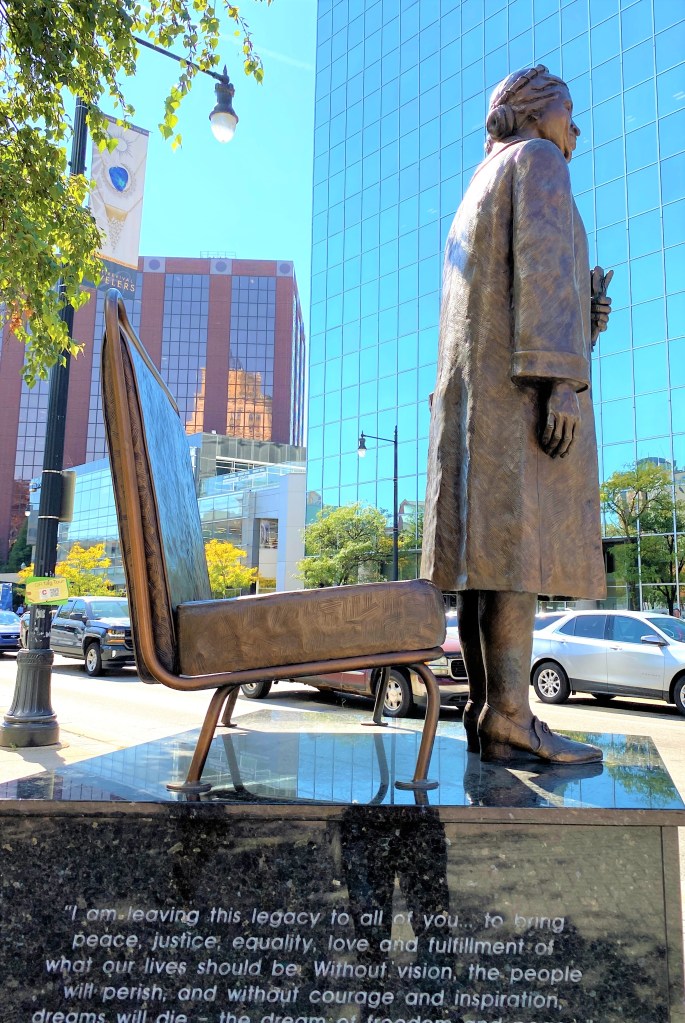
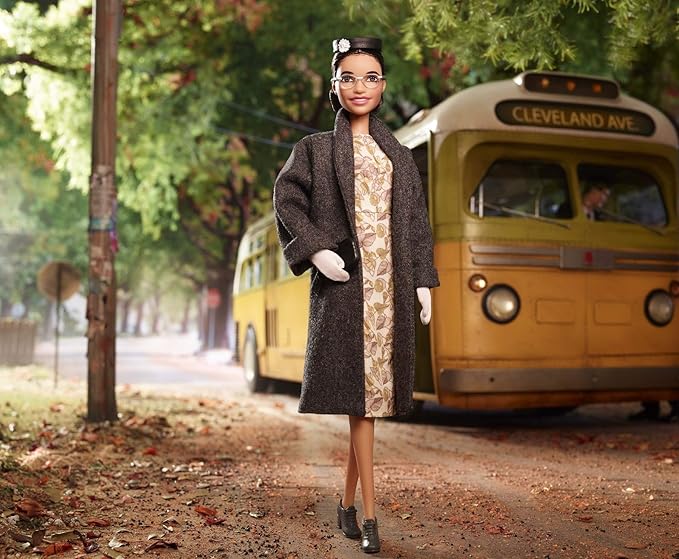
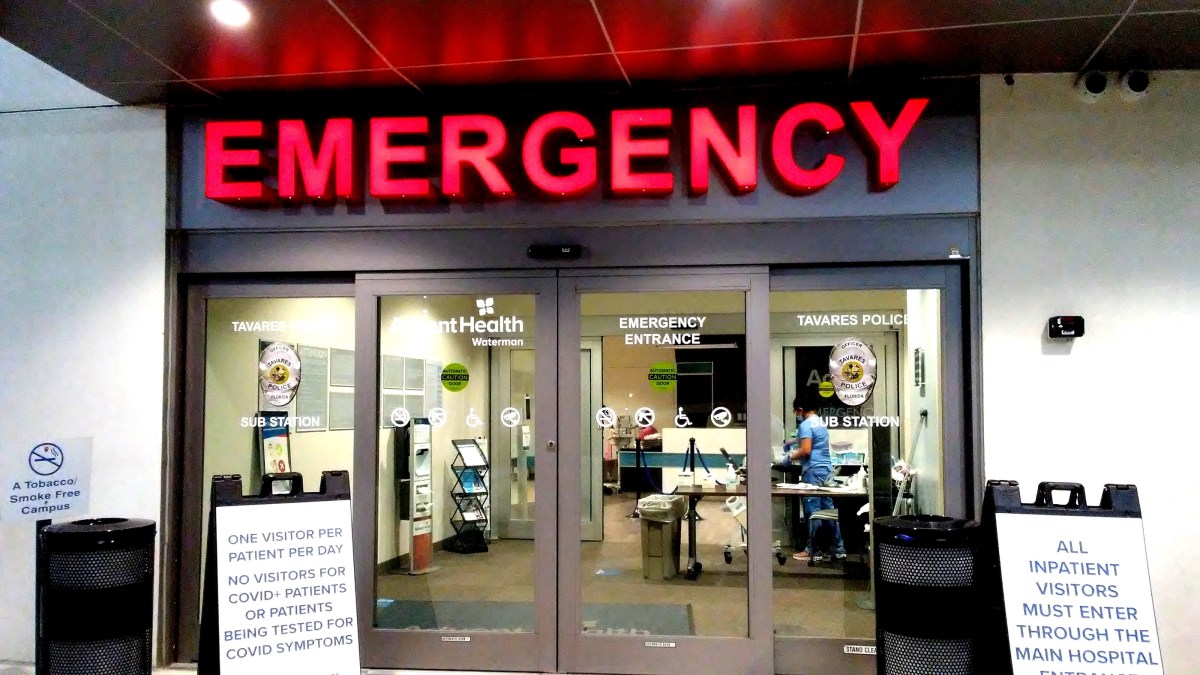
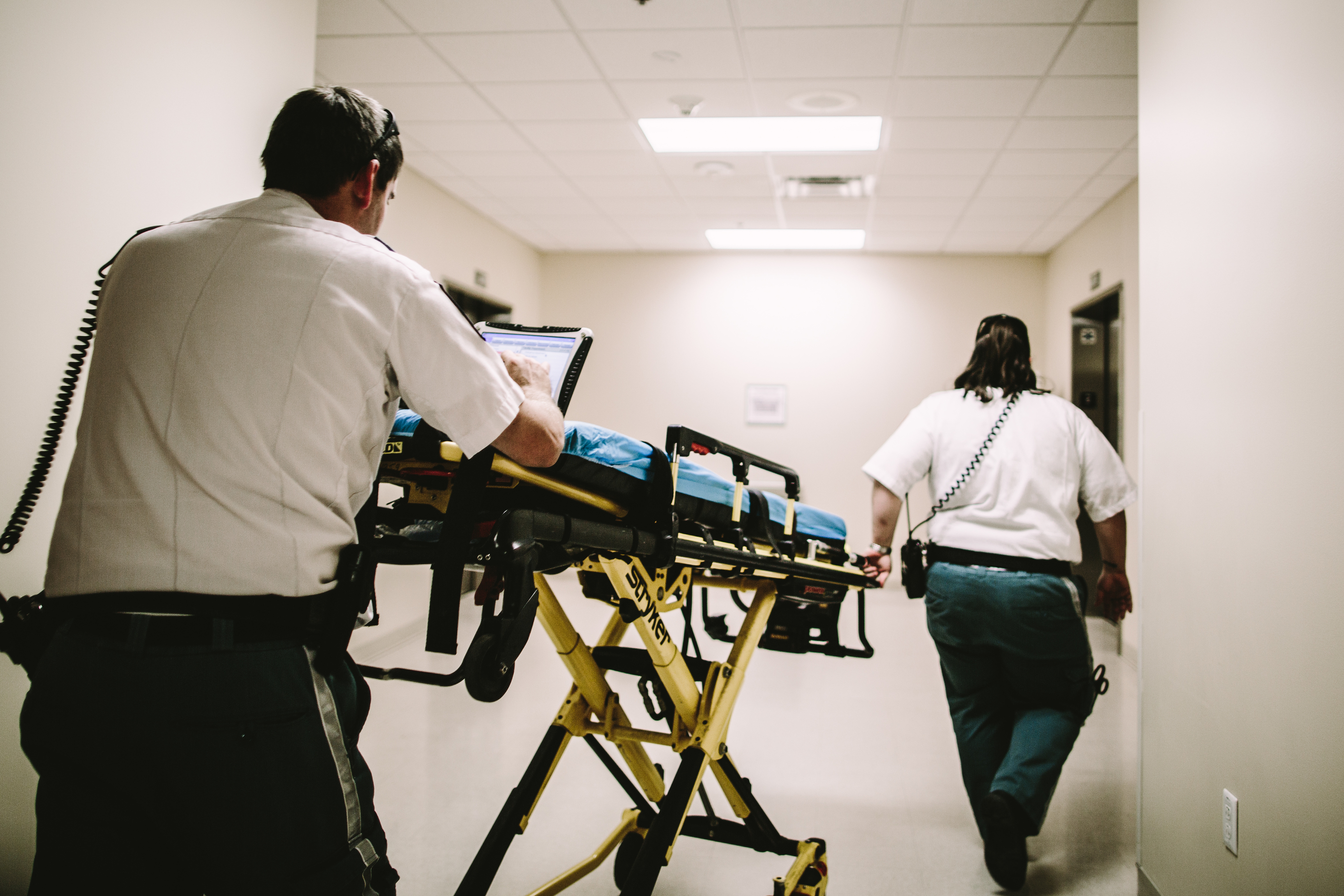
(Note: I chose the photos in this post to illustrate the book’s message, they do not appear in the book, and are not affiliated with the author. There are affiliate links in this post, used to generate funds to pay expenses. )
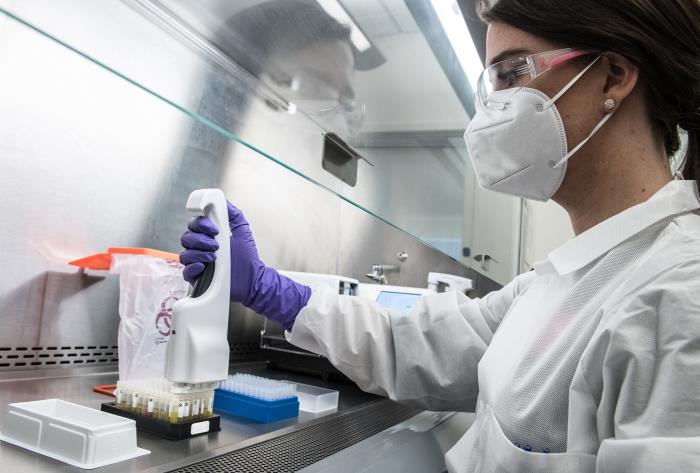
I should have known that. As a primary care physician, I didn’t know I was an “essential worker” until the COVID-19 pandemic. Despite the so-called lockdown, I still went to my clinic every day, although we cared for some patients virtually. I didn’t feel like a hero, I was just doing my job. And so were they.
Who were the Helpers?
Published March 1, 2022, The Helpers tells the story of the SARS-CoV-2 pandemic through the eyes and hands of eight people who truly lived it on the front line, those whose “stubborn spirits” drove them to help others-
- a son in a Vietnamese immigrant family, caregiver to two parents and brother to a physician who is trying to keep herself and her family well
- a semi-retired divorced paramedic from Colorado who is devoted to his work, so much so that he and a co-worker drive across the country in an ambulance to volunteer to help with the pandemic in New York City
- a Latina ICU nurse who lives with her extended family in a small apartment and fears she will bring the virus home to them; besides fighting the virus, she crusades for more of everything that she and the other nurses need-tests, ventilators, and especially PPE, which they now have to reuse
- the CEO of a small ventilator manufacturing company in Seattle, whose company tries to increase production from hundreds a year to tens of thousands, by partnering with an unlikely source
- a scientist who has been researching mRNA vaccines at Moderna for 10 years, developing a “vaccine in search of a virus” and thinks she has found it in SARS-CoV2
- a biracial chef in Louisville Kentucky who finds herself jobless, so channels her knowledge into creating a neighborhood meal service for others who need help feeding their families
- a young critical care physician, who wonders if, when, and how she will ration ventilators if necessary
- and a funeral director, whose facility soon has more bodies than spaces to put them, and for the first time in his career must turn families away.
Listen to an excerpt from Audible
Starting from the pandemic’s quiet beginning late in 2019 through the vaccine distribution in early 2021, the author unfolds how the pandemic impacted their lives, their families, and communities. Despite being front-line workers, they suffered the same things others did-isolation, loss of jobs and income, demanding work schedules under pressure; and for some, infection, hospitalization, intubation, and death. From their stories, we watch their lives intertwine with each other and the virus that stalked their daily lives.
And who didn’t Help
Parallel with their stories, Ms. Gilsinan looks at the government’s response to the pandemic, a picture that is not flattering. She starkly points out the delays, misplaced priorities, and partisanship that made the response less successful than it could have been, and cost needless lives.
“even when their elected leadership and public institutions fail them; they chase down the resources to save lives while politicians bicker and buck-pass and evade responsibility.”

I said this book didn’t make me feel good, but it did make me proud- proud of the people this book introduced me too, and to all of us who faced this virus together. As Ms. Gilsinan wrote
“The Helpers isn’t a partisan morality tale. The virus further polarized a deeply politically divided country, but it didn’t care which side its victims fell on…and no one is worried about anyone’s party affiliation in the ICU or the food pantry. Even at our most divided, our country is so much bigger and better than our politics.”
Kathy Gilsinan-author of The Helpers
Kathy Gilsinan is a contributing writer at the Atlantic, where she has reported on national security and contributed to its extensive and acclaimed coronavirus coverage. She lives in St. Louis, Missouri.
The Helpers is available from Bookshop.org.
Bookshop.org is an online bookstore that financially supports local, independent bookstores.
We believe bookstores are essential to a healthy culture and they are dedicated to the common good.
Bookshop.org donates a portion of every sale to independent bookstores.
exploring the HEART of health in a pandemic
As a NetGalley reviewer, I received a complimentary digital copy of this book and agreed to write a review.
I have been fully vaccinated for COVID-19 based on my age and medical status, and I hope you are too, unless medically unwise.
Thank you for reading this post. Please follow this blog and me on social media.
I share information and inspiration to help you transform challenges into opportunities for learning and growth.
Add your name to the subscribe box to be notified of new posts by email. Click the link to read the post and browse other content. It’s that simple. No spam.
I enjoy seeing who is new to Watercress Words. When you subscribe, I will visit your blog or website. Thanks and see you next time.

On a trip, I visited a local art exhibit and found this interesting piece.