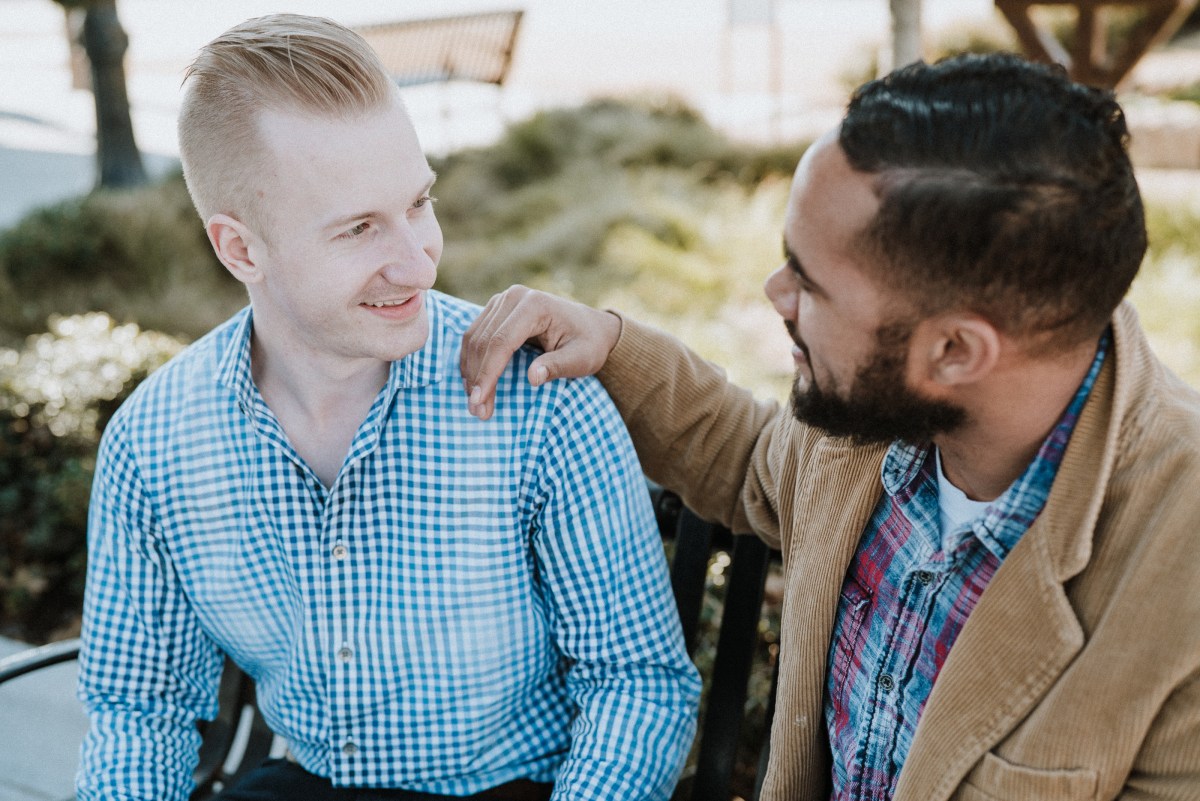
How to Listen So People Will Talk-a book review

In this post I review the book “How to Listen So People Will Talk” by Becky Harling. She emphasizes the importance of listening in effective communication. The author, a certified John Maxwell speaker and coach, provides practical tips, including asking questions, showing empathy, and using body language. The book addresses listening through conflict and enhancing interpersonal relationships
and virtual communication.

updated August 7, 2025

How to Listen So People Will Talk: Build Stronger Communication and Deeper Connections

By Becky Harling

Published in 2017 by Bethany House Publishers

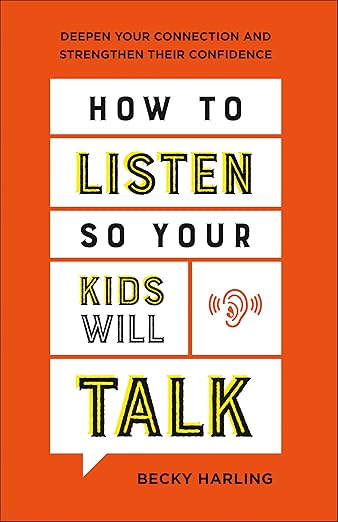
When I searched for this book online, I typed How to Talk so People Will Listen into my browser. And it turns out, there is a book by that title.
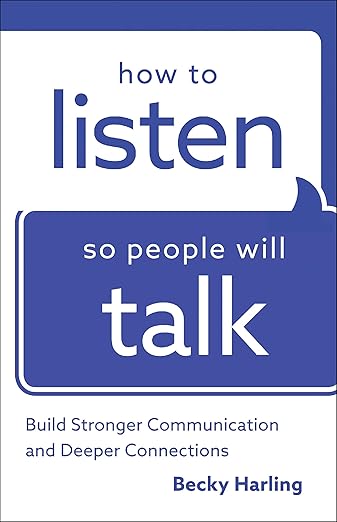
But my faux pas illustrates why we need to read this book. Most of us would rather talk than listen. Or in the case of social media, post instead of read.

Let the wise listen

Proverbs 1:5

Becky Harling-speaker, coach, trainer

Becky Harling is a certified John Maxwell speaker, coach, and trainer. From reading this book, I am convinced she knows more about communication than most of us.

She and her husband Steve pastored churches for many years. Now they travel internationally speaking on spiritual growth, leadership, communication, and world missions.

She quotes Maxwell in the book, along with several other names I recognize-Maya Angelou, Dietrich Bonhoeffer, Dale Carnegie, and Dee Brestin; the Mayo Clinic and Psychology Today; and Jesus.

I appreciate authors who realize they don’t have the definitive word on anything and seek out others’ viewpoints. Literally, the first words in the book are from the Bible, Proverbs 1:5

Let the wise listen and add to their learning.

Proverbs 1:5

two males talking, books on a table beside them

Listen by keeping your mouth shut.

Becky’s advice can be summarized in four words-keep your mouth shut. Fortunately for readers, she says it in a much nicer way.

Most of us listen to others so they will listen to us. She wants us to listen to people say things we may not want to hear or may not like or that make us uncomfortable.

Listen effectively

  • Ask great questions. (She points out that Jesus was a master at this.)
  • Don’t be a fixer.
  • Show empathy (which doesn’t mean sharing what happened to you.)
  • Validate feelings.
  • Use body language to show interest.
  • Don’t be distracted.

Sounds easy, right? If you think you’re doing well at listening, test yourself with the exercises she includes at the end of each chapter.

First, read one or two suggested scriptures, then ask yourself some pertinent questions, and then do real-life practice. She calls these “biblically based, practical listening skills.” I think you will find them not so easy.

“Listening is like a muscle. The more we develop and train, the stronger our skills will become and the more effective we’ll become.”

two women, talking, sitting across a table, with coffee and open Bibles

Listening through conflict

I think the most helpful chapter was the one titled Practical Principles for Listening in Conflict. One tip-listen to agree.

She also discusses how to avoid conflict and three rules for dealing with a toxic person. She warns-don’t stay in a physically abusive relationship.

Listening to those who matter

I expected Becky’s book to be “10 quick and easy steps to perfect communication”. It was not.

Becky addresses interpersonal communication between family, friends, coworkers, and neighbors since those are the people we have the most difficulty listening to, but most need to listen to.

“We are never able to go back and retrieve lost moments, so be attentive. Eliminate distractions that are robbing your ability to listen. Offer your full presence to those you love. “

Listening on social media…

Although Becky does not address it, I think these principles can apply to virtual communication. These communication methods may lack visual clues, so using listening techniques such as questions, validation, and empathy can make these conversations more productive.

man looking at a phone screen

Listening to connect

I’m afraid Becky’s plan will not be popular with those who talk only to promote their personal agenda without regard to others’ feelings or opinions. To her, talking is definitely a partnership not a performance.

This book will be a valuable resource for those who want to create a new standard of listening to understand, affirm, and build relationships.

Beckly includes a Notes section at the end listing references for each chapter, both print and online sources.
Disclaimer

The book links are affiliate links , as are the photo links-their use helps fund this blog and sharing the HEART of health around the world.

I received a digital copy of this book from NetGalley in exchange for a review. Find my other NetGalley reviews on the website.

NETGALLEY MEMBER PROFESSIONAL READER

Exploring the HEART of listening

How are your listening skills? Do you listen to talk, or listen to learn?

Becky suggests asking great questions to get great answers. Here are some to try. (These are not necessarily in the book.)

  1. What is making your life interesting now?
  2. What would you like to change about your life right now?
  3. What would you like to change about the world right now?

Follow these up with questions probing the reason they answered that way. Remember, you’re asking to understand, not to debate.

I’d love for you to follow this blog. I share information and inspiration to help you transform challenges into opportunities for learning and growth.

Add your name to the subscribe box to be notified of new posts by email. Click the link to read the post and browse other content. It’s that simple. No spam.

I enjoy seeing who is new to Watercress Words. When you subscribe, I will visit your blog or website. Thanks and see you next time.

Dr. Aletha

Post Images

The photos I used in this post are from Lightstock.com-photos, videos, graphics, design elements -try free for 14 days

cheesy-free faith-focused stock photos

Lightstock-quality photos and graphics site- here. 

(This is an affiliate link)

I Found My Tribe-a book review

“I Found My Tribe” by Ruth Fitzmaurice is a poignant memoir about finding community and support in the face of her husband’s motor neuron disease. Ruth navigates the complexities of caregiving, friendship, and longing for a different life, offering a glimpse into the challenges and resilience of her family.

I Found My Tribe

a memoir by Ruth Fitzmaurice

According to several definitions, a tribe is a group of people who share a common culture, linked by language, customs, traditions, geography, and often ancestry.

The author, Ruth Fitzmaurice, had two tribes that fit these descriptions. One was her family consisting of her filmmaker husband Simon and their five children. The other was her friends-specifically those friends who share a common culture- women whose husbands have serious chronic, disabling illnesses or injuries.

Her husband Simon Fitzmaurice developed motor neuron disease, called MND in the book. Besides Ireland (the Republic) they also lived in Australia and England before settling permanently in Greystones, Co. Wicklow, on the east coast of Ireland, on the Irish Sea.

Image by Klaus Hausmann from Pixabay

Other Americans may be as ignorant about Irish geography as I am. They will recognize MND by another name, amyotrophic lateral sclerosis, ALS, the motor neuron disease that bears the name of a famous victim, American baseball player Lou Gehrig. English theoretical physicist Stephen Hawking is almost as well known for his motor neuron disease as he was for his scientific achievements.

I have personally known three people who were afflicted with this disease so understand the devastation it causes to the person as well as the family. It is one of the cruelest diseases, taking someone from an active productive life to complete helplessness within months to a few years.

Tragic Wives Swimming Club

Swimming is one of Ruth’s favorite ways to cope with the stress of caring for her children and husband, and since her friends swim with her, she calls her tribe the Tragic Wives’ Swimming Club. But these are no leisurely swims at the local YWCA. No these are nighttime swims in the cold and choppy waters in an Irish Sea cove at Greystones.

“There is a secret society of the hurt. We harbour pain skilfully under smiles. Observe a subtle strain behind the eyes. A certain tension in the jaw muscles. We gather on a stony beach that may as well be a deserted car park. We swap pain silently like illegal contraband.”

Image by Fred T. from Pixabay

In this memoir Ruth sways from the complexities of her life to the mundane, from acting stoic to distraught, from feeling in control to helpless; we feel what she feels as she navigates her fragile existence, torn between love for her husband but longing for him to be truly present in her life. Even her children say they wish their real dad was there, all the while loving him as he is.

Ruth does not explain the Irish healthcare system which according to my research is a public-private system, different from what Americans have. Ruth just tells us about the regular assortment of home health nurses, therapists, social workers, and caregivers assigned to Simon, some of whom are more satisfactory than others. In a comparable situation, Americans might envy such entitlement, but Ruth shows it comes at a cost-loss of privacy and autonomy.

“Illness by its nature is disorderly. A public system swoops in to serve and take good care. Doesn’t it? They are all super nice and speak in loud voices. Meetings are very important to them. …Plans must be written down. It’s called a Care Plan. I may sound bitter but mostly I feel bemused.”

Image by KiraHundeDog from Pixabay

Although Simon died in 2017 (having written his own memoir), Ruth’s book doesn’t end there, it really doesn’t end. She didn’t tell her story chronologically, because it isn’t so much a narrative as it is a catharsis- how she reacted, felt, and coped with her unexpected life. After reading it, I left wanting to know more about this woman and her family.

“Some good days at the cove start off feeling bad. It’s warmer than we thought and nobody else is here. This beach is ours. We will collect stones for Dadda (Simon). I only wish we could hand the whole cove to Simon so he could put it in his pocket. It starts lashing rain…we are whooping and laughing and climbing and swimming. Sorry souls do what they can to survive, so just go with it. I dare you.”    

Follow this link to watch a video of Ruth, listen to her read from the book, and read an excerpt.

I found my tribe at the cove in Greystones

My house is full of strangers because my husband has motor neuron disease, but my secret all-year swim club saves me


The illustrative photos in this post are from Pixabay and are not affiliated with the author or the book.

I received a complimentary ebook of this title from NetGalley in exchange for writing a review. My reviews also appear on Amazon and Barnes and Noble. This blog post has affiliate links.

Professional Reader
Reviews Published

Perhaps I will also read Simon’s memoir someday.

It’s Not Yet Dark: A Memoir

a memoir by Simon Fitzmaurice

Despite losing almost all motor functions, thanks to miraculous technology, he continued to work, raise his five children, and write this astonishing memoir. It’s Not Yet Dark is a journey into a life that, though brutally compromised, was lived more fully than most, revealing the potent power of love, art, and the human spirit.

Written using an eye-gaze computer, this is an unforgettable book about relationships and family, what connects and separates us, and ultimately, what it means to be alive. (from Amazon)

What is motor neuron disease?

The motor neuron diseases (MNDs) are a group of progressive neurological disorders that destroy motor neurons, the cells that control skeletal muscle activity such as walking, breathing, speaking, and swallowing. This group includes diseases such as amyotrophic lateral sclerosis, progressive bulbar palsy, primary lateral sclerosis, progressive muscular atrophy, spinal muscular atrophy, Kennedy’s disease, and post-polio syndrome. More information at

Motor Neuron Diseases

exploring the HEART of health in books

I’d love for you to follow this blog. I share information and inspiration to help you transform challenges into opportunities for learning and growth.

Add your name to the subscribe box to be notified of new posts by email. Click the link to read the post and browse other content. It’s that simple. No spam.

I enjoy seeing who is new to Watercress Words. When you subscribe, I will visit your blog or website. Thanks and see you next time.

Please share this post with your friends and followers and invite them to follow too. It’s more fun to explore together.

an open book with pages folded to make a heart

Dr Aletha