Supporting Veterans with Poppies | The American Legion’s Mission

National Poppy Day in the United States commemorates the service and sacrifice of veterans, symbolized by the poppy flower. Lt. Col. John McCrae’s iconic poem “In Flanders Fields” inspired the tradition, and the American Legion Auxiliary distributes paper poppies in exchange for donations to support veterans.

updated May 24, 2024


The Friday of Memorial Day weekend is observed as  National Poppy DayIn the United States,  the last Monday in May is Memorial Day, now a holiday weekend.

Another American remembrance day features poppies -Veterans Day, always observed on the 11th day of the 11th month, November.

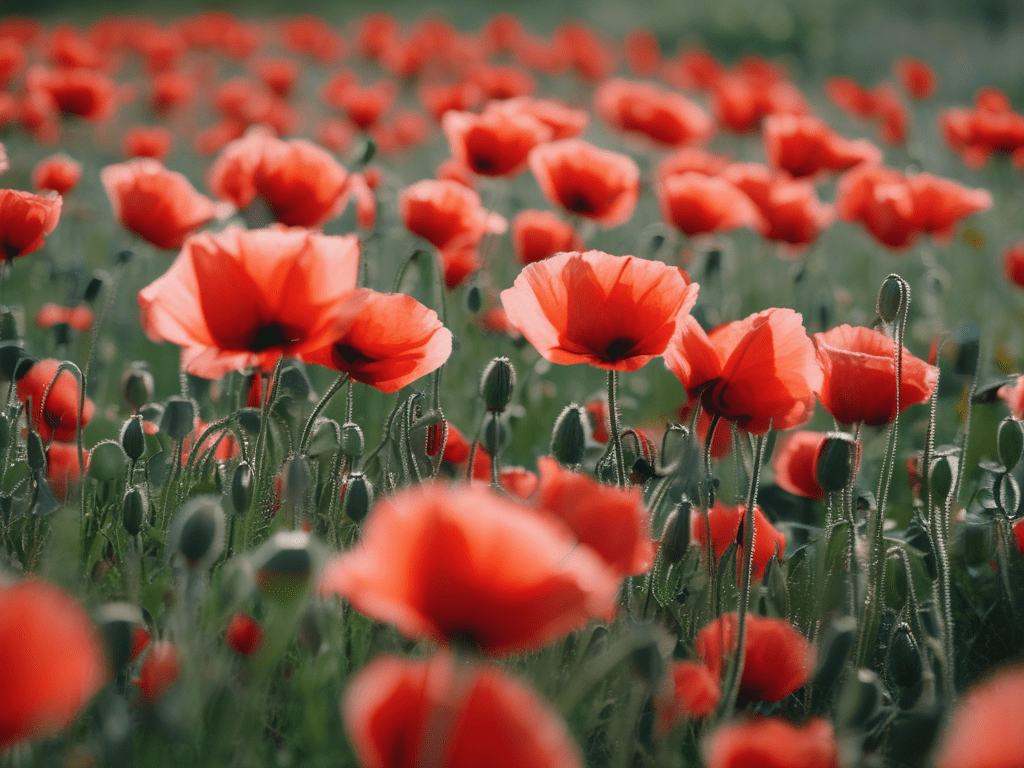
In the early 1920s the American Legion Auxiliary adopted the poppy as the American Legion Family’s memorial flower. The poppy, a simple red flower, symbolizes the service and sacrifice of veterans of World War I and veterans in other eras.

ALA members distribute millions of paper poppies annually across the country in exchange for donations used to assist disabled and hospitalized veterans in our communities.
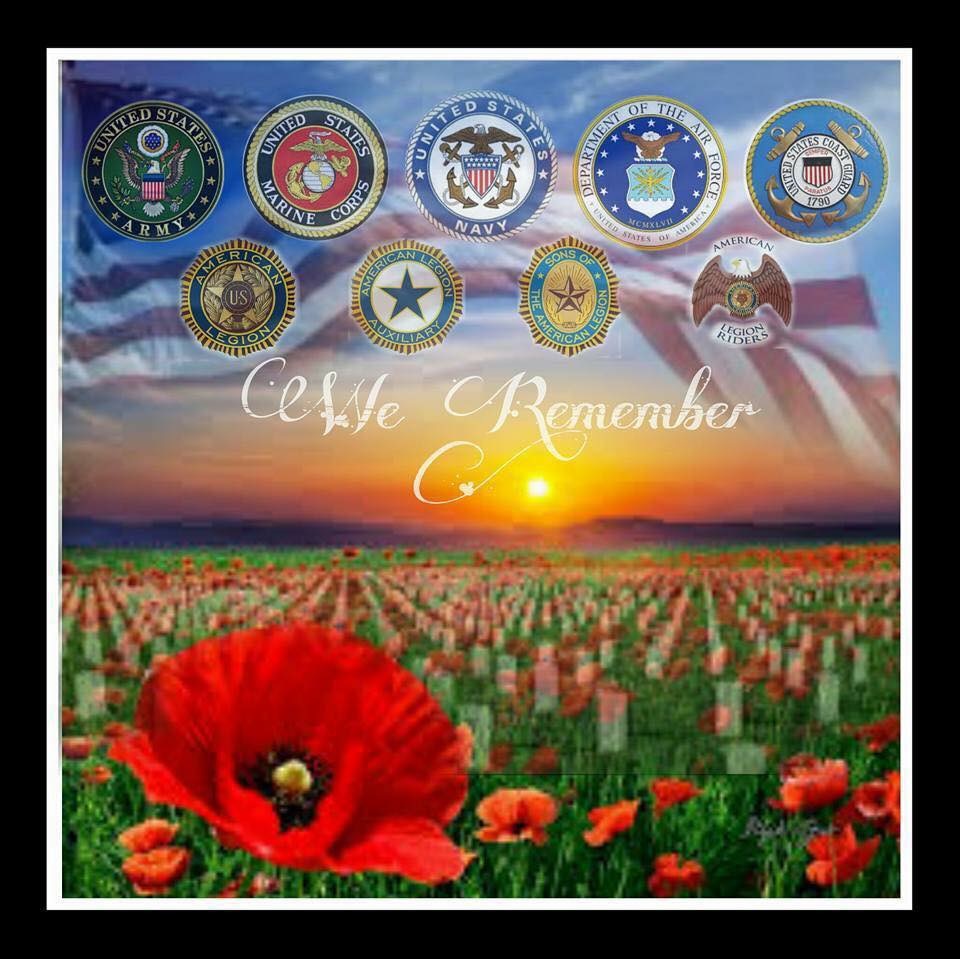
armed forces emblems over a field of poppies

Why poppies?

I love the story of the poppies because it has a medical connection.

In the battlefields of Belgium during World War I, poppies grew wild amid the ravages of war. The overturned soils of battle covered the poppy seeds,  allowing them to grow and forever serve as a reminder of the bloodshed of war.

Out of this conflict came a poem, associated with poppies.


In Flanders Fields

The now-iconic poem, In Flanders Fields, was written by a military physician, Lt. Col. John McCrae.

Originally from Canada, Dr. McCrae was an English and math teacher, and a poet, before he attended medical school. He moved to England where he was practicing when World War I broke out. He was called to serve as a brigade surgeon.

I suspect that as a physician, he was deeply pained by treating the wounded and losing those he could not save.

“In April 1915, McCrae was stationed in the trenches near Ypres, Belgium, in an area known as Flanders, during the bloody Second Battle of Ypres.

Amid the tragic warfare, McCrae’s friend, twenty-two-year-old Lieutenant Alexis Helmer, was killed by artillery fire and buried in a makeshift grave.

The following day, Dr. McCrae, after seeing the field of makeshift graves blooming with wild poppies, wrote his famous poem “In Flanders Field,” which would be the second to last poem he would ever write.”

(from John McCrae at poets.org)

Listen to Leonard Cohen recite In Flanders Fields

In Flanders Fields

by Dr. John McCrae, 1872 -1918

In Flanders fields the poppies blow
Between the crosses, row on row, 
That mark our place, and in the sky, 
The larks, still bravely singing, fly, 
Scarce heard amid the guns below. 

We are the dead; short days ago
We lived, felt dawn, saw sunset glow, 
Loved and were loved, and now we lie
In Flanders fields. 

Take up our quarrel with the foe! 
To you from failing hands we throw
The torch; be yours to hold it high! 
If ye break faith with us who die
We shall not sleep, though poppies grow
In Flanders fields.

This poem is in the public domain.


The poppy is the official state flower of California.  Read

All About Poppies. 
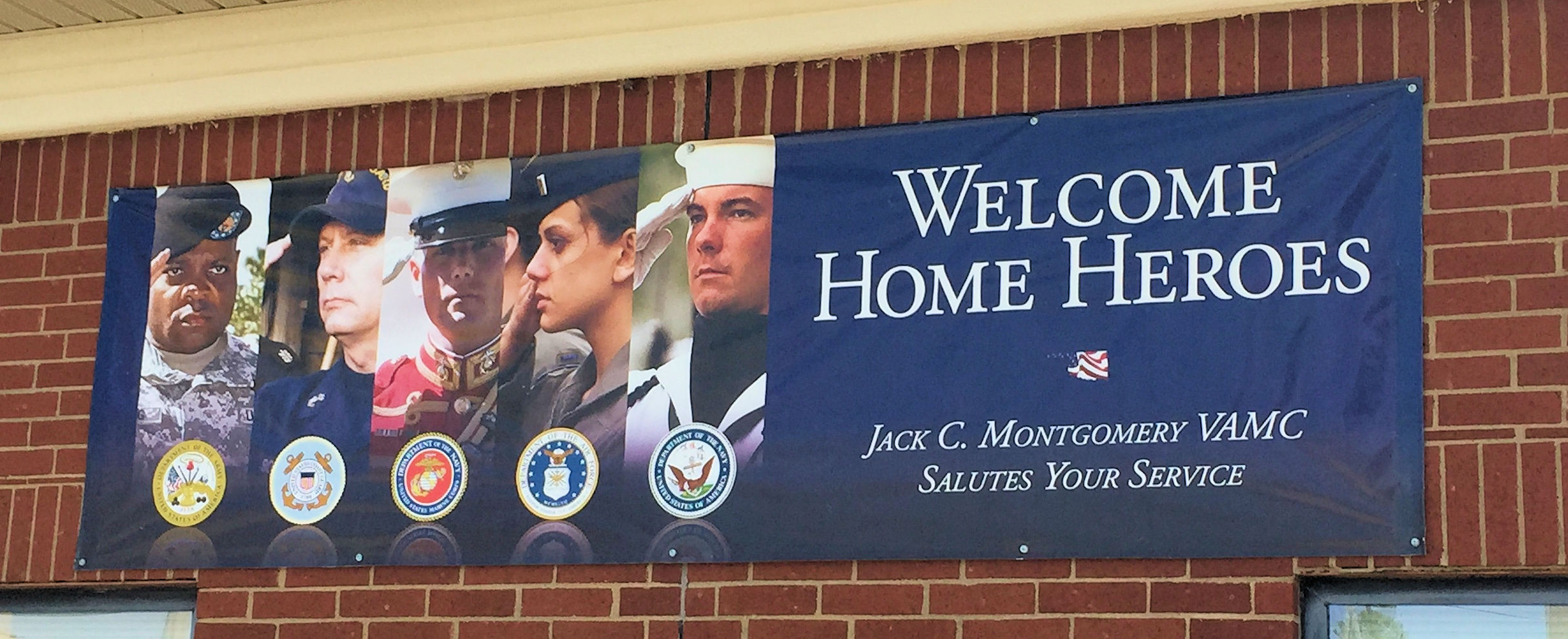
Welcome Home Heroes- military sign
Thanks to the support of generous donors like you, The American Legion can continue to provide much-needed assistance to our veterans, service members and their families.

You can help veterans by donating at this link.

(This is not an affiliate link, this blog receives no commission.)

The American Legion Auxiliary Foundation

sharing the HEART of honoring service and sacrifice

I’d love for you to follow this blog. I share information and inspiration to help you transform challenges into opportunities for learning and growth.

Add your name to the subscribe box to be notified of new posts by email. Click the link to read the post and browse other content. It’s that simple. No spam.

I enjoy seeing who is new to Watercress Words. When you subscribe, I will visit your blog or website. Thanks and see you next time.


Dr. Aletha

What Patients Say, What Doctors Hear- a book review

What Patients Say, What Doctors Hear helps patients understand the complexity of what physicians do in our encounters with patients and how that impacts our subsequent decision making and treatment decisions.

What Patients Say, What Doctors Hear

by Danielle Ofri, M.D. , an associate professor of medicine at the New York University School of Medicine and staff physician at New York’s Bellevue Hospital .  The book is published by Beacon Press

“What patients say and what doctors hear can be two very dissimilar things. The reverse is also quite true: what doctors say and what patients hear can be radically different. ”

I am so convinced of the truth of these two statements, that I have written several blog posts about physician-patient communication. So when I learned of a book that delves into this subject in detail, I knew I needed to read it; I was not disappointed.

As a physician, this was not an easy book to read; Dr. Ofri does not hesitate to tell us physicians what we need to do better in our communication with our patients.

But she also makes it plain to patients that you have a role and a vested stake in communicating your concerns, questions, and even grievances to the physicians who care for you; that without such information, your physicians cannot provide optimal diagnosis and treatment for you.

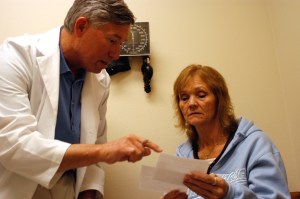
doctor talking to a woman
photo compliments American Academy of Family Physicians

Dr. Ofri bases her conclusions on her own encounters with patients over 20+ years of practice, interviews with other doctors and patients, and published research on communication. In her book she explains

  • How the uniqueness and complexity of the physician-patient relationship impacts their communication
  • Why patients’ less satisfactory encounters with the medical system are often due to poor communication, rather than lack of caring and competence, but can lead to lawsuits
  • Why patients’ unfamiliarity of medical terms can hinder communication , and how differences in use of words between doctors and patients, and even between doctors can lead to misunderstanding

For example, Dr. Ofri relates an incident when she was still a medical student working in the hospital and came across the term “expired” to refer to a patient who had died. She had never heard the word used this way. Then years later, when she was an attending physician, she was confused when an intern from a southern state reported to her that a patient had passed during the previous night. Passed what?, she thought. In some areas of our country,  “passed” is commonly used to mean someone has died, but Dr. Ofri had never heard this.

Dr. Ofri discusses the placebo effect of medicines and treatments, and how expectations affect response to treatment. (The placebo effect means responding to  a treatment that contains no active medical substance.  Interestingly, placebo treatments “work”.)

She details the many reasons patients have difficulty adhering to doctors’ recommended treatment plans, such as cost, inconvenience, distance, and other factors unrelated to not understanding the seriousness of their condition, as one might suppose.

I was intrigued by the story of a hospital in The Netherlands which hired a woman to be the “Chief Listening Officer.” Her only duty was to listen to patients talk about their complaints or grievances  about their care, not to fix or solve problems, but just to listen. And it was successful; once patients felt they had been heard, they had no desire to pursue legal action and felt more satisfied with their care.

She also relates a program called Sorry Works!, a way to handle medical errors with mediation rather than lawsuits, also a successful program.

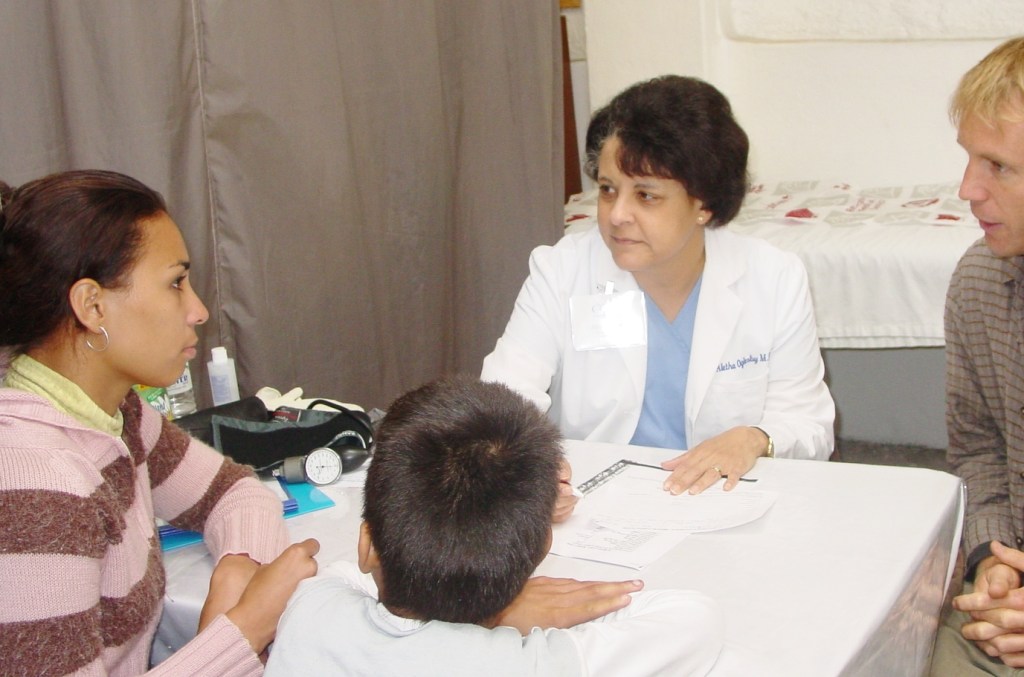
Dr. Aletha talking to a mother and her son
Talking to a patient through an interpreter makes communication extra challenging. (photo from a volunteer medical trip to Ecuador)


What Patients Say, What Doctors Hear  helps  patients understand the complexity of what physicians do in our encounters with patients and how that impacts our subsequent decision making and treatment decisions.

This book illustrates there are multiple detailed steps between

  • A patient’s problem and the best solution
  • The patient’s and family’s questions and the correct answers
  • The final (or sometimes current) diagnosis and the definitive,  best available ,or least toxic treatment.

 “The biggest take-home message is that both doctors and patients need to give communication its just due. Rather than the utilitarian humdrum of a visit, the conversation should be viewed as the single most important tool of medical care..a highly sophisticated technology. “


In this previous blog post I offer suggestions on physician-patient communication based on my years in practice:

Do you know the best questions to ask about your healthcare?

You know it’s important to tell us details of your symptoms, medical history, family history, habits, and other medical facts.   But besides medical information about you , we need to know

Your expectations about your care,

Your concerns about your care,

Your obstacles to getting care,


sharing the HEART of health and communication


Dr. Aletha