In this post, I’m offering a graphic review of COVID-19 and what we can still do to prevent infections IN ADDITION TO getting vaccinated. Until we achieve wide spread immunity through vaccination the risk of infection and death are still present and still just as real.
IMPORTANT NOTE: This post was written and published 9 months ago and much has been learned and changed since. However, the basics have not changed and are perhaps more important than ever. I hope seeing this again will remind you of what’s important and prompt you to carefully follow reputable sources for updates.
This time a year ago, no one in the United States, or even anywhere in the world, knew about a novel coronavirus, except a handful of physicians and scientists. Perhaps not even they knew we were facing a viral pandemic that would turn our lives upside down.
That unknown virus, SARS-CoV-2, has sickened 90 million people world wide and caused almost 2 million deaths. In the United States it has infected 22 million people, killing 370,000.
UPDATE: as of September 5,2021 there have been
221 million worldwide cases with with 4.5 million global deaths
40 million U.S.A. cases with 650,000 deaths
In the United States, the healthcare systems in many places, including our most populous states, are overwhelmed with COVID-19 patients, so much so that it impairs their ability to care for them and other patients. Cases are at an all time high across the entire country.
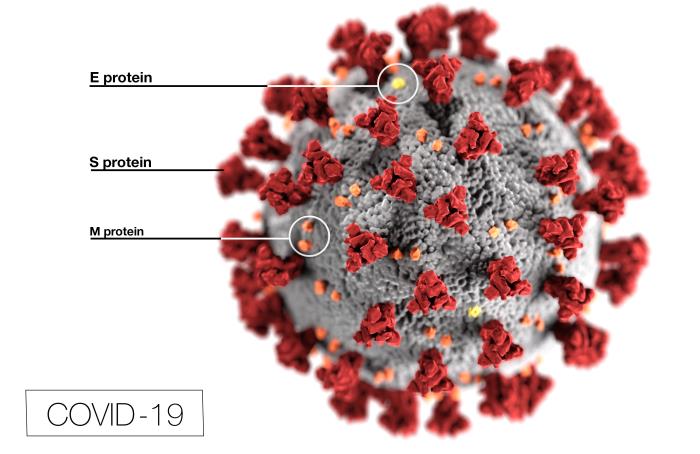
a model of the structure of the SARS_CoV-2
This illustration, created at the Centers for Disease Control and Prevention (CDC), reveals ultrastructural morphology exhibited by coronaviruses.
Note the spikes that adorn the outer surface of the virus, which impart the look of a corona surrounding the virion, when viewed electron microscopically. In this view, the protein particles E, S, and M, also located on the outer surface of the particle, have all been labeled as well.
A novel coronavirus, named Severe Acute Respiratory Syndrome coronavirus 2 (SARS-CoV-2), was identified as the cause of an outbreak of respiratory illness first detected in Wuhan, China in 2019. The illness caused by this virus has been named coronavirus disease 2019 (COVID-19). CDC/ Alissa Eckert, MS; Dan Higgins, MAMS, public domain.
Finally, a vaccine for SARS-CoV-2
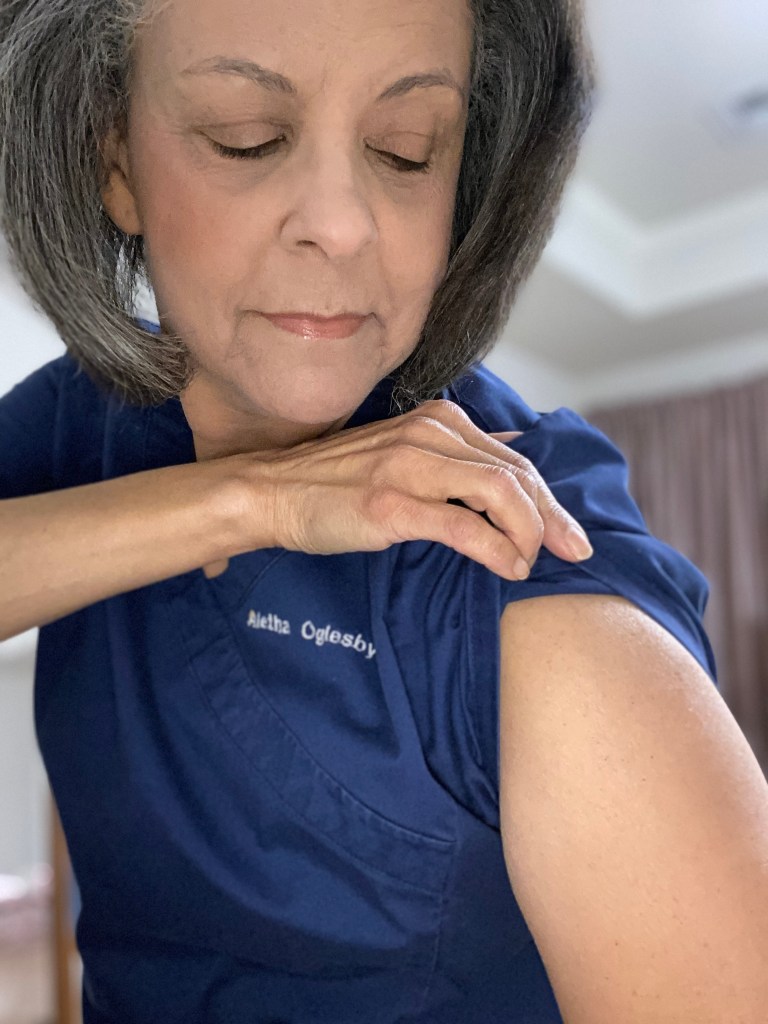
There is hope for an end to this nightmare now that two vaccines are available and being dispensed. I feel fortunate to have received my first dose of the Pfizer-BiONTech vaccine but I know for many others it will be weeks if not months before they will be vaccinated.
Three days after my first vaccination the soreness in my arm is almost gone, and I had no redness or swelling.
Let’s review COVID-19
In this post, I’m offering a graphic review of COVID-19 and what we can still do to prevent infections IN ADDITION TO getting vaccinated. Until we achieve wide spread immunity through vaccination the risk of infection and death are still present and still just as real.
Please note I am not addressing management of COVID-19 in this post. Your best source of information for treatment of symptomatic COVD-19 is from a physician familiar with your symptoms and underlying health.
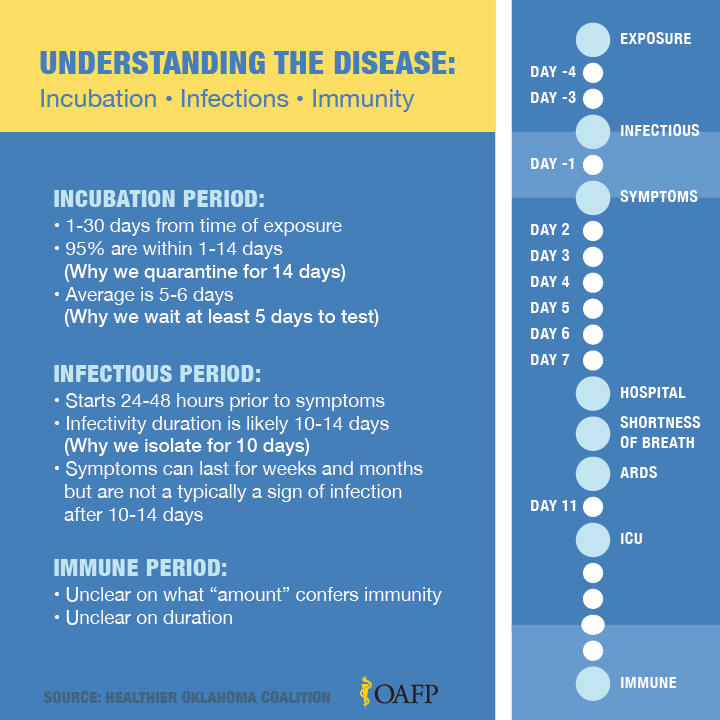
The timeline of a COVID-19 infection-from exposure to immunity
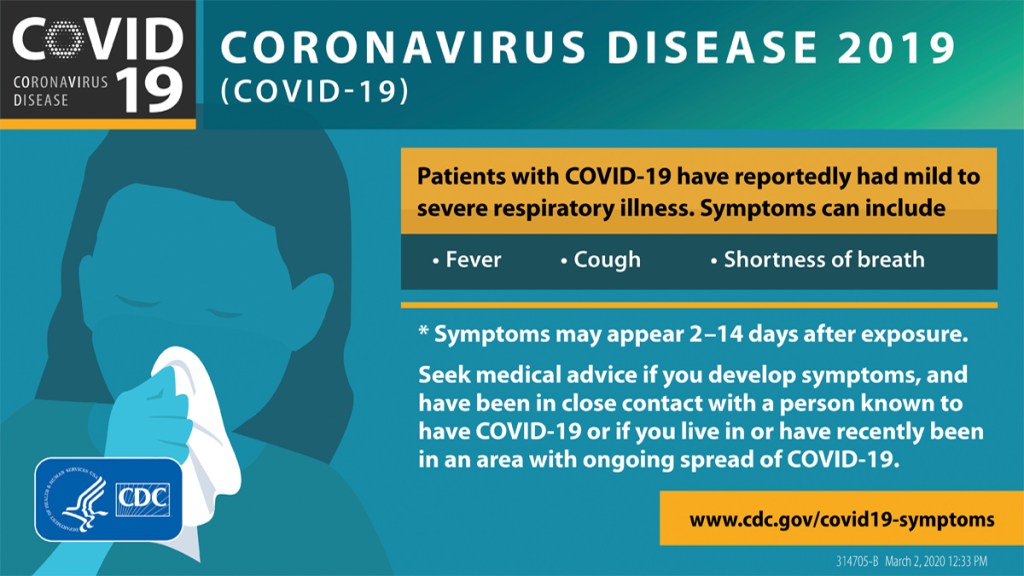
Other common symptoms include
headache
muscle and/or joint aches
nasal congestion and drainage
sore throat
nausea/vomiting/diarrhea
loss of taste or smell-this almost always means you are infected
fatigue
there may be no symptoms at all
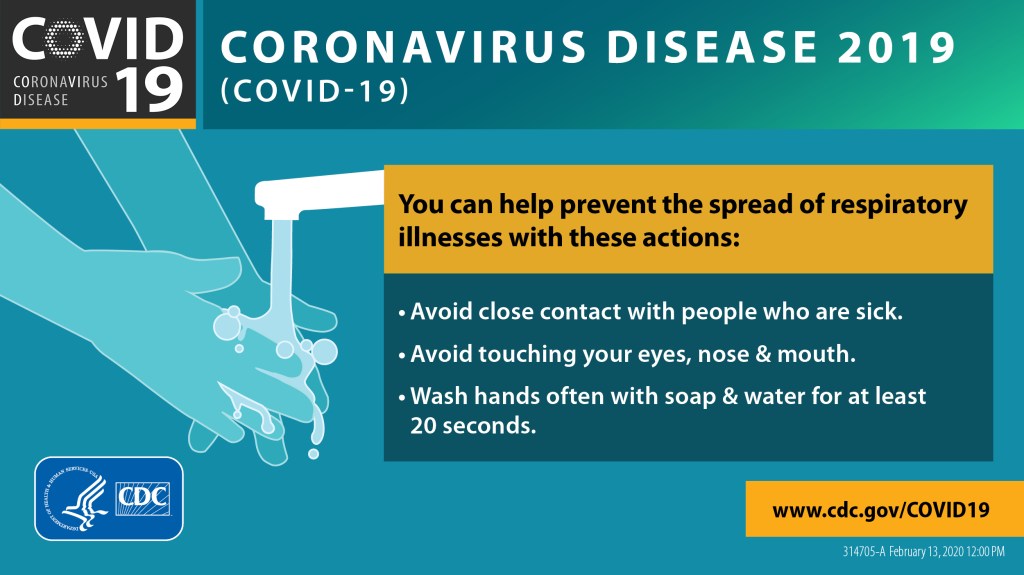
Steps to prevent infection from coronavirus-
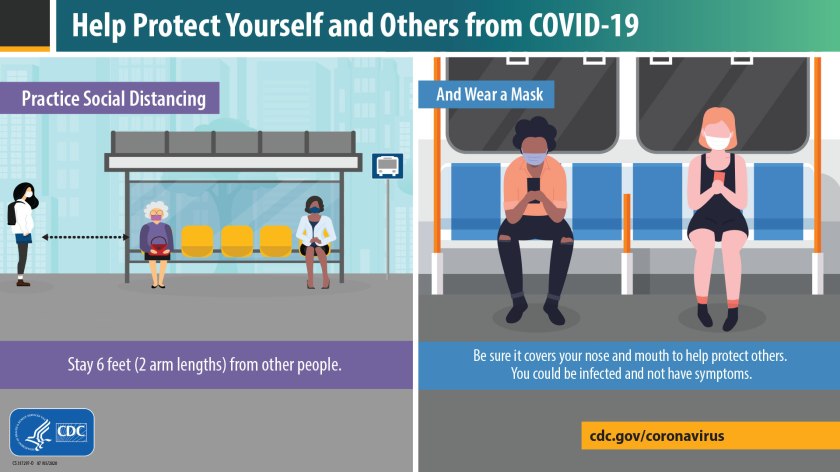
Wash your hands, Wear a mask, Watch your distance
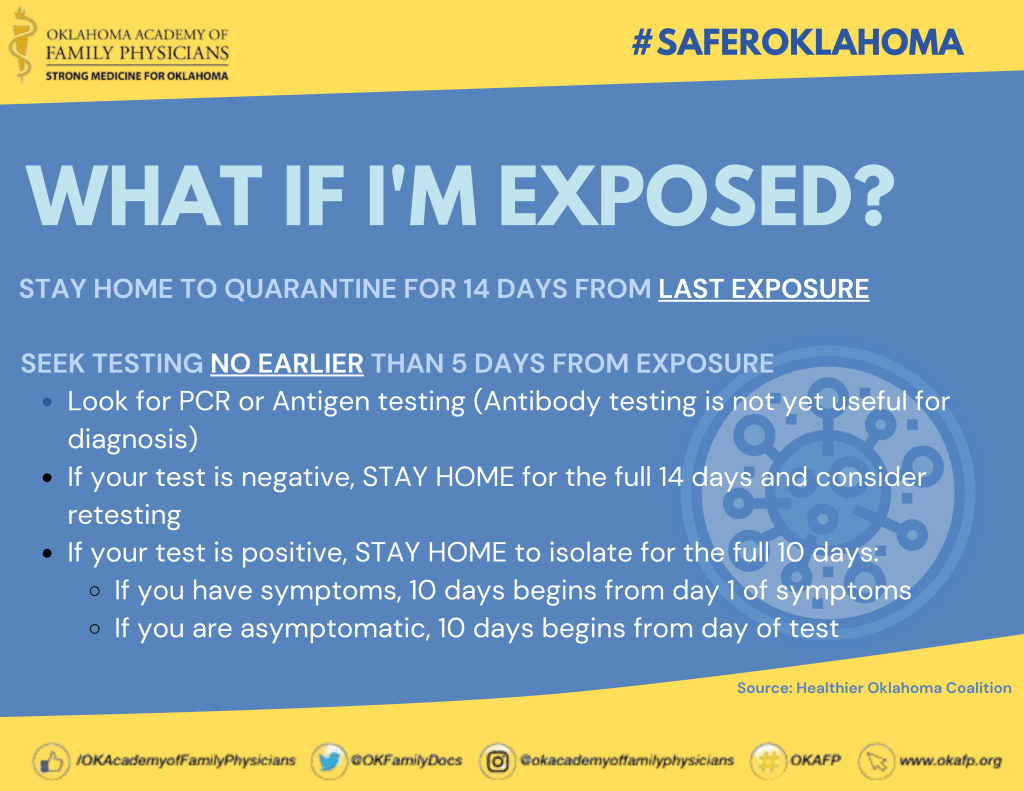
What to do if you think you have COVID-19 or have been exposed
You should also contact your physician for advice, especially if you have chronic medical conditions which might make you at greater risk of severe disease.
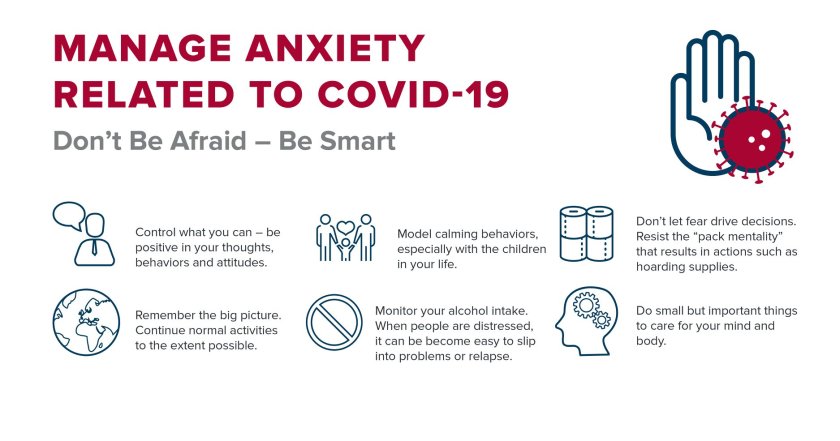
Base your actions on FACTS, not FEAR
Learn about the vaccines from Dr. Gupta and Dr. Fauci
Throughout the pandemic, I have depended on the reports from Dr. Sanjay Gupta, neurosurgeon and medical correspondent for CNN. I don’t miss his daily podcasts called Coronavirus: Fact vs Fiction.
In this episode, Dr. Gupta interviewed Dr. Anthony Fauci about the coronavirus vaccine. I suggest you listen to this 12 minute podcast, as well as the others in this series.
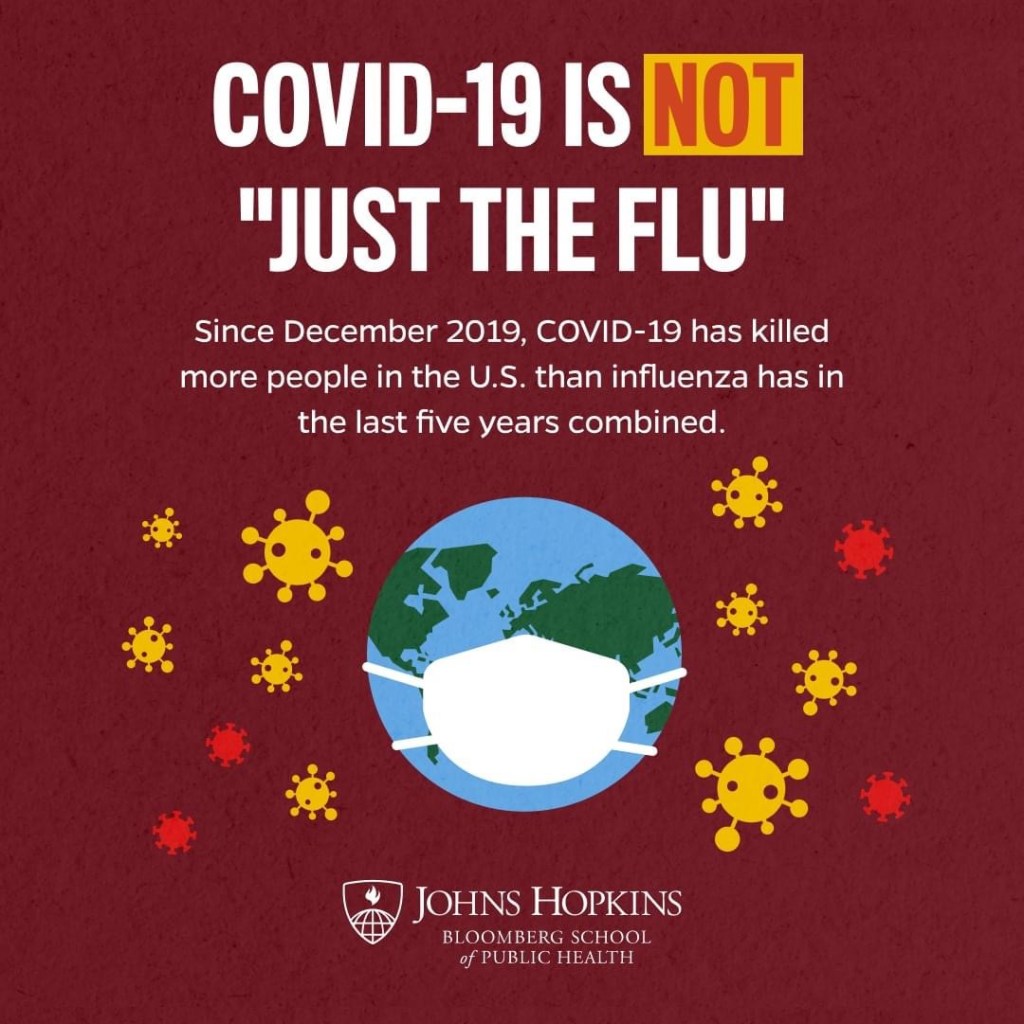
This year’s cold/flu season is complicated by a new player- COVID-19, caused by the SARS-CoV-2. If you get sick, please do not assume your illness is “just the flu” ; this could have serious, perhaps fatal consequences for you and your loved ones.
Where I live, North America, we’ve just observed the first day of fall, also known as the autumnal equinox. And especially in healthcare, we unofficially view it as the start of the “cold and flu” season. To those of you in the southern hemisphere, happy spring. You also have a respiratory illness season during fall/winter.
Respiratory infections
By “cold and flu” we means acute respiratory infections caused by a variety of viruses including
These cause diseases called by various names including
colds/flu
influenza
pharyngitis (throat infection)
otitis media (ear infection)
bronchitis
sinusitis
pneumonia
laryngitis
COVID-19
whooping cough
bronchiolitis-infants and children
croup-mostly children
This year’s cold/flu season is complicated by a new player- COVID-19, caused by the SARS-CoV-2.
Acute vs chronic
We call these illnesses acute because they (usually) come on fairly suddenly, run their course within a few days to sometimes a few weeks, and then resolve. Sometimes they don’t resolve and become chronic.
Some underlying factor may prevent healing. There may be a chronic condition that is out of control, or has not been previously diagnosed. You may need a doctor’s evaluation to determine whether it’s “just a cold” or perhaps asthma, COPD ,or allergic rhinitis.
Many of these illnesses tend to occur seasonally, such as influenza and RSV. Others can occur year round. So far we don’t know if COVID-19, due to the SARS-CoV-2 , will be year round or seasonal. Unlike influenza, it did not abate during the summer this year.
What are respiratory symptoms?
Symptoms of respiratory illness involve some combination of the nose, sinuses, ears, throat, larynx (voice box), trachea, bronchus, and lung
Sneezing, stuffy or runny nose,
Sinus pain, pressure
coughing, wheezing, shortness of breath
sore throat, hoarseness
ear pain, fullness
often along with systemic symptoms such as
fever and/or chills
body aches, fatigue,
nausea, vomiting, diarrhea
headache
loss of appetite
Coping with respiratory illness
Although these infections make us miserable and can temporarily disable us from work and school, most otherwise healthy people recover uneventfully, even from COVID-19. Nevertheless, we should take them seriously.
Don’t panic.
Fever ,especially in children, alarms parents. Don’t ignore it but don’t panic either. Reading this post should help you keep calm about fever .
This photograph depicted a woman who was using a modern, battery-powered oral thermometer, in order to measure her body temperature. In order to return an accurate reading, this particular type of thermometer needed to be placed beneath the user’s tongue, for a set amount of time, beeping when the ambient, sublingual temperature was reached. Photo credit-James Gathany, CDC, public domain
Some people are at risk of developing severe symptoms and serious complications from respiratory illnesses, so seek medical help sooner, rather than later. These include
Infants, especially under one month old
Older adults,starting at about age 50, with risk increasing with age, especially combined with chronic disease
Those with chronic lung disease, like asthma, COPD, emphysema, cystic fibrosis
People who smoke cigarettes or vape
People on medications or with diseases that suppress the immune system
Obesity (a risk factor for COVID-19 complications)
Pregnancy
If you are not sure if you fit into one of these categories, ask your doctor.
Stay home.
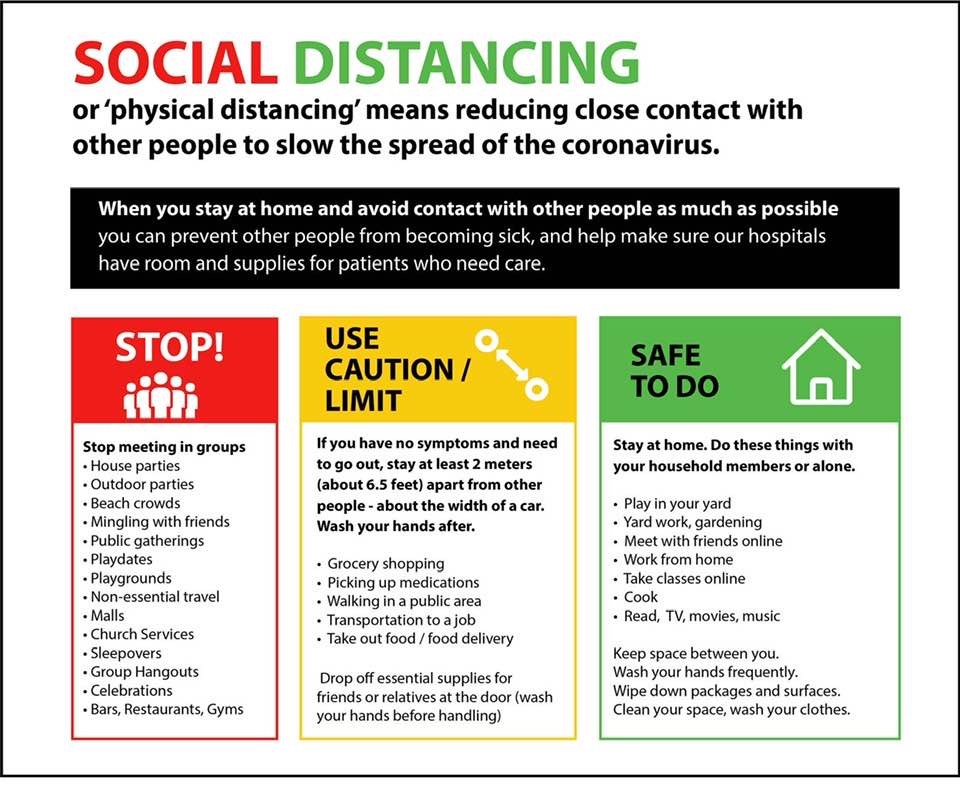
These illnesses spread person to person, so minimize contact.
Keep your kids home from school and stay home from work, at least the first few days, when you are the most contagious. When there is widespread illness in your community, avoid crowds and public gatherings.
Resting, getting extra sleep, drinking fluids and staying warm and dry make staying at home therapeutic.
Wash hands.
Speaking of person to person contact, the best way to avoid getting or giving germs is to wash your hands often, but especially after being with others ,using a restroom, and before cooking or eating. Cleaning household surfaces helps too, as well as clothing and linens. Don’t forget to clean your cell phone, tablets, and keyboards too. Use hand sanitizer if hand washing can’t be done.
Wear a mask
You probably remember that early on in the pandemic, the CDC did not recommend wide spread wearing of masks. I suspect this was to prevent hoarding of masks (remember toilet paper? ) and because they did not know how widely the virus was circulating in the United States.
But that has changed; when experts learn new information they reassess and update recommendations. Whenever you expect to have close contact with people outside your household wear a mask that covers your nose and mouth. In some situations, eye coverings are also warranted but that is not universally recommended now.
Use medication wisely.
Some of these illnesses have a specific medication that clear it faster- strep throat, influenza, pneumonia. The others will “run their course” and meds are used to help relieve symptoms.
Many people assume that any illness with fever, sore throat and cough will improve with an antibiotic. The fact is, most will not. Antibiotics only treat infections caused by bacteria, and most of these are caused by viruses. To learn more read about
These illnesses cause the greatest overuse of antibiotics, contribute to the cost of health care, and the development of antibiotic resistance. Please do not insist on an antibiotic if the doctor says you don’t need it; if offered an antibiotic, ask why.
Be patient
The “24 hour virus” is for the most part a myth. Expect to be ill anywhere from 3 to 10 days; some symptoms, especially cough, can linger for weeks. If you are a smoker, this is a great time to quit.
But if after 7-14 days you are not getting better or are getting progressively worse, something more may be going on, so it’s wise to seek professional medical help.
Is it flu or is it COVID?
The arrival of COVID-19 this year creates a dilemma since symptoms overlap other respiratory infections and the possible outcomes run the gamut of no symptoms to death.
So this year, if you develop respiratory symptoms, healthcare clinicians will likely test you for COVID-19 , both to guide your care and to protect your family, co-workers, and healthcare workers.
Please do not assume your illness is “just the flu” ; this could have serious, perhaps fatal consequences for you and your loved ones.
Prevention of respiratory infections
Respiratory infections don’t have to happen. We know that they are mostly spread person to person, so what we each do matters. So what can you do?
Stay home when you are ill.
Observe physical distancing when disease is spreading in your community.
Wear a mask when recommended by public health professionals.
Practice careful hygiene on hands and surfaces.
Get available vaccinations.
exploring the HEART of respiratory illness
I would love for you to share this information (but not your germs) on your social media pages.
used with permission CDC
Dr. Aletha
Use these links to share the heart of health wherever you connect.