Sleep Practices for Restful Nights

In this post I review options to improve our sleep. Daylight Saving Time can disrupt sleep, akin to jet lag. Chronic insomnia involves difficulty sleeping regularly, potentially linked to medical conditions. Treatment begins with addressing underlying issues and adopting sleep hygiene practices, such as exercise and routine. Cognitive Behavioral Therapy for Insomnia (CBT-I) is effective for persistent cases.

updated March 7, 2025

If you live somewhere that observes Daylight Saving Time, you may notice a disruption in your sleep for a few days after we “spring forward” in March and when we “fall back” to standard time in November.

Like jet lag from travel, these time changes can interrupt our sleep schedule for a few days. And if you already have trouble sleeping, it’s even more of a problem.

Here’s a review of what sleep professionals recommend to help. But for persistent or severe problems, see your own doctor to get started.

This information is current as of the date of original publication or update. It may have changed by the time you read this. I invite you to fact-check what you read here.

Please do not use this information for diagnosis or treatment purposes. Before making health decisions, discuss with your physician or other qualified healthcare provider.

This content is for your “information and inspiration”, and does not imply my endorsement or recommendation.
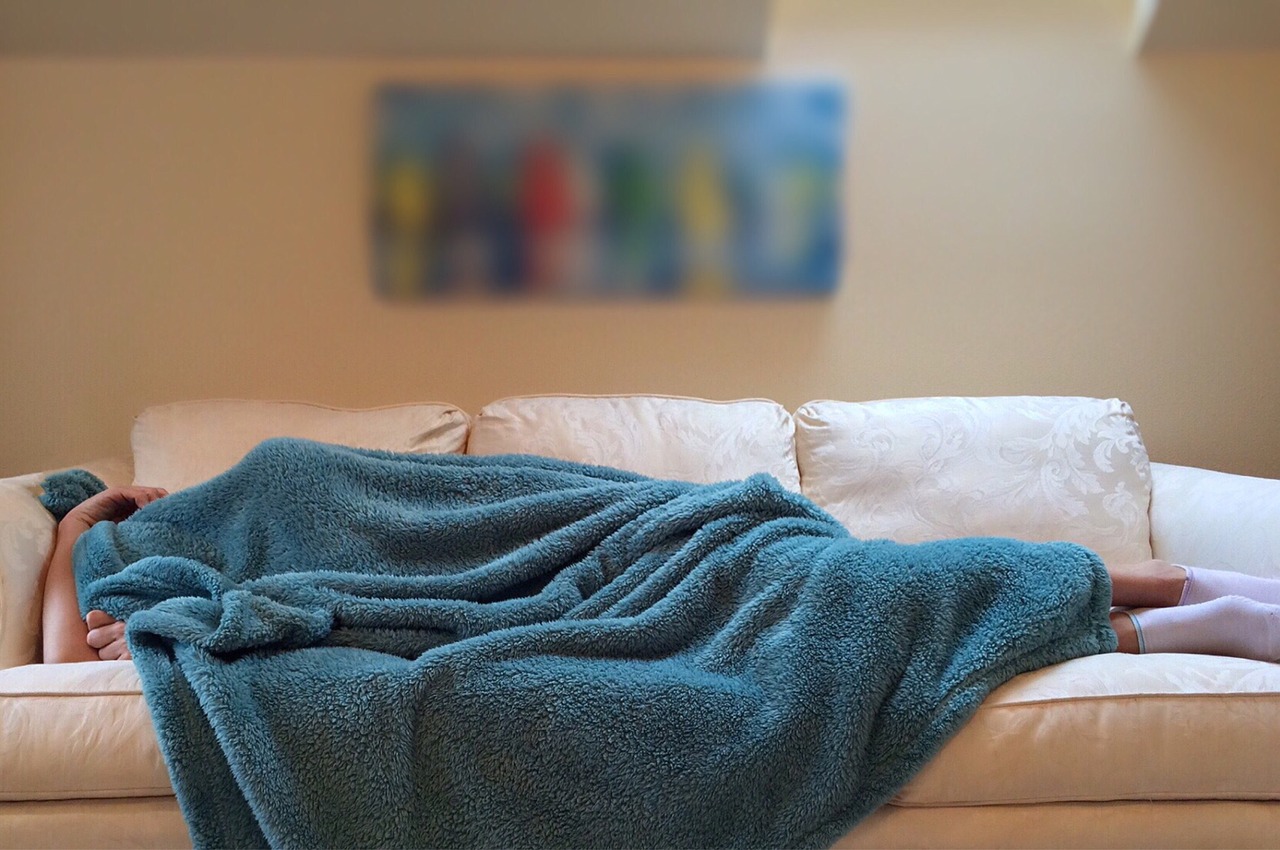
 

person sleeping on a couch
Sometimes getting a good night’s sleep can be a challenge.


(Affiliate links are used in this post. You don’t pay more to shop through these links; this blog may earn a small commission, which funds its existence. )

What is Chronic Insomnia?

Most of us have trouble sleeping occasionally, but if you persistently have difficulty with sleep, you may have a medical condition associated with sleep disturbances. These include

  • sleep apnea
  • restless legs syndrome
  • depression and/or anxiety
  • post-traumatic stress disorder

Some people have true chronic insomnia, meaning persistent sleep difficulty not due to some other cause. There are various criteria to diagnose chronic insomnia but in general include

  • difficulty falling or staying asleep
  • at least 3 nights per week for at least 1-3 months
  • with impairment of daytime function, such as fatigue/sleepiness, poor concentration, irritability, school or work dysfunction

EXPERT ADVICE TO SLEEP WELL EVERY NIGHT

How can you sleep better with chronic insomnia? 

The first step for chronic or occasional insomnia is to identify and treat any underlying medical issues that cause poor sleep. In addition to the ones mentioned above these include

  • painful conditions
  • heartburn (gastroesophageal reflux)
  • congestive heart failure
  • lung diseases like asthma cause nighttime breathing difficulty
  • menopausal night sweats

Sleep specialists recommend non-drug management of chronic insomnia and reserve sleep medications for more resistant cases. 

Sleep meds were one of the 7 drugs that are overused in my previous post.

a bed with ornate headboard
photo by Dr. Aletha- at the Hemingway house, Key West, Florida

(Read more about Ernest Hemingway’s preserved Florida home at this post)

Hemingway’s study- chaos and creativity


Behaviors for better sleep

Experts recommend sleep hygiene , basically lifestyle changes, as the initial treatment. Some people have developed bad habits in regards to sleep that need to be unlearned and new behaviors put in place.

For optimal sleep, you should

  • Engage in regular exercise- moderate intensity , tai chi , yoga and low-impact aerobic exercise
  • Avoid evening large meals
  • Limit caffeine, tobacco, and alcohol
  • Use the bedroom only to sleep and for sex
  • Maintain a regular bedtime-awake schedule
  • Avoid daytime naps
  • Avoid distracting stimuli at bedtime-watching television, using electronic devices, talking on the phone
  • Stay in bed only while sleep

Dim the lights for better sleep

The light from electronic devices- clocks, thermostats, televisions, monitors-can disturb your sleep even after you turn off your phone and tablets. This light can be blocked by stick on light blocking covers than can block out the majority of it.

Light from my clock made it hard for me to fall asleep before I discovered these products. With them I fall asleep easier, and can fall back asleep if I wake up.

Maintaining a regular schedule helps to set or reset your sleep/wake cycle. So go to bed at the same time every night and wake up at the same time every morning.

However, if you can’t  sleep, rather than lie in bed awake, you should get up, do a non-stimulating activity, then return to bed when sleepy.

woman typing on a laptop keyboard.
Using a computer, laptop, or tablet before going to bed can impair sleep.

If you have persistent sleep loss, consider more intensive therapy by a professional.

Cognitive behavior therapy for insomnia , CBT-I, significantly improves chronic insomnia and daytime functioning and is recommended as first-line therapy.
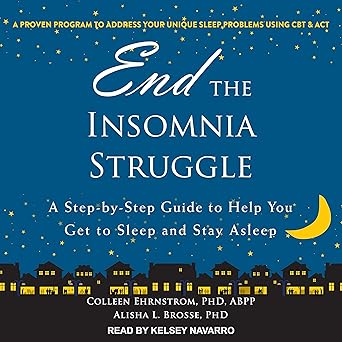
CBT-I combines cognitive therapy with sleep restriction, relaxation training, and stimulus control.

Treatment typically requires 5-8 sessions conducted by a health professional trained in its use. Patients need to participate by keeping a sleep diary and writing down daily thoughts in a journal while continuing with the sleep hygiene practices mentioned above.

person writing in a spiral notebook
Writing thoughts in a journal is often encouraged in cognitive behavioral therapy. (photo from the Lightstock.com collection)


SleepPhones

Natural Sleep Aid Created By A Doctor. A family physician created SleepPhones to help patients fall asleep faster and stay asleep longer without resorting to drugs.(affiliate link)
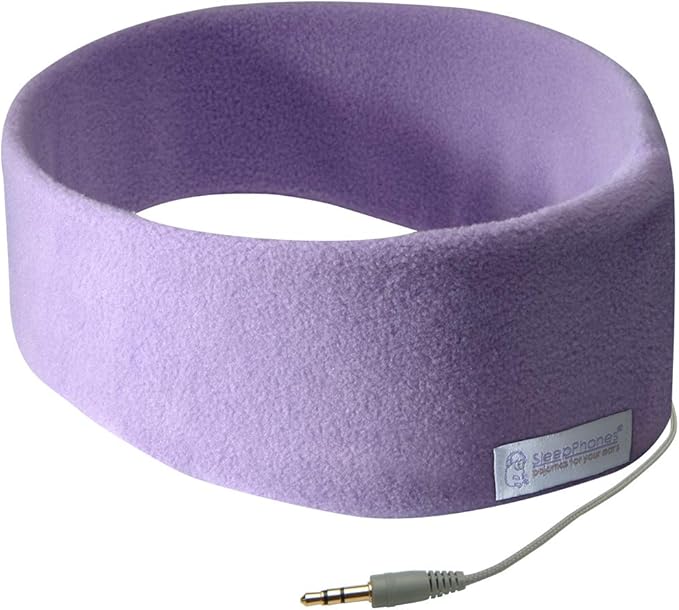
 

SleepPhone

Manage stress, learn to relax

If you have occasional trouble sleeping due to stress,  relaxation techniques can help you.  Techniques include meditation, yoga, imagery, abdominal breathing and muscle relaxation techniques. These can reduce tension and anxious thoughts that inhibit sleep onset and maintenance.

5 steps to manage stress and strain

A college graduate receives a gift certificate for a book, choosing a technical manual for his engineering career. This post reflects on the need for coping mechanisms for life’s stressors, sharing five essential steps to manage stress and strain. These steps include maintaining a routine, seeking social support, focusing on the positive, staying active, and…


exploring the HEART of healthy sleep

I’d love for you to follow this blog. I share information and inspiration to help you transform challenges into opportunities for learning and growth.

Add your name to the subscribe box to be notified of new posts by email. Click the link to read the post and browse other content. It’s that simple. No spam.

I enjoy seeing who is new to Watercress Words. When you subscribe, I will visit your blog or website. Thanks and see you next time.

Dr. Aletha

The cover image of this post was created by JetPackAI available with WordPress.

Protecting Your Skin: Risks of Smoking and UV Exposure

Skin health is a significant concern for many, reflected in the multi-billion dollar skincare industry. Common skin issues can arise from lifestyle habits, notably smoking and excessive sun exposure. Smoking accelerates aging and skin diseases, while UV light causes damage and skin cancers. Preventative measures are essential for maintaining skin health.

updated June 26, 2025, previously titled

How smoking and sun affect skin’s look and feel

Skin health and beauty- big business

Browse social media or news sites online and you notice skin health and appearance is a priority for most people. Sales for skin care and appearance products and services is a multi-billion dollar industry. If you’re on social media, you’ve probably seen posts from friends who are involved in direct selling companies for skin care, maybe you are also.

As a family physician, I treated skin problems frequently. Some of these are primary skin problems, but some are the result of lifestyle habits, other medical conditions, and even medical treatments. While some of these may be unavoidable, others are preventable.

This post will look at two avoidable risks to skin health and appearance-smoking and ultraviolet light. 

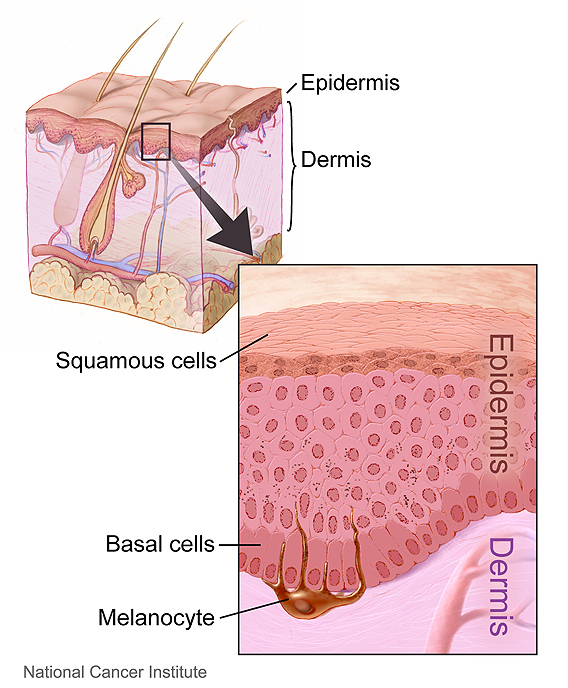
Skin Deep- cells and layers

First let’s take a deeper look at our skin, it’s more complex than you may realize. It has two layers-

the top layer, the epidermis

the lower layer, the dermis

Layers of the Skin diagram

The layers of the skin (epidermis and dermis), as well as an inset with a close-up view of the types of cells in the skin (squamous cells, basal cells, and melanocytes). Source: National Cancer Institute Creator: Don Bliss (Illustrator) This image is in the public domain and can be freely reused. Please credit the source and, where possible, the creator listed above.

Skin disease and trauma involve damage to one or both layers of the skin- the dermis or epidermis, or to the individual cells- squamous cells, basal cells, or the melanocytes-the cells with pigment that give our skin color.

Cancers can develop in any cell of the skin. Melanoma is cancer of the melanocytes.

(This photo is for illustration only and should not be used to diagnose a skin lesion. See a physician if you have a skin lesion that concerns you. )

photo of melanoma skin cancer

a melanoma skin lesion-Source: National Cancer Institute Creator: Unknown Photographer- This image is in the public domain and can be freely reused. Please credit the source

Smoking and Your Skin

I’ve previously discussed 7 reasons to be smoke free. One of those is skin health.

By decreasing circulation, smoking robs skin of nourishment and oxygen; this weakens skin , making it susceptible to infection, cancer, and aging.

Skin experts wrote in the Journal of Dermatological Science

“Smoking is associated with many dermatological (skin) conditions, including

  • poor wound healing,
  • premature skin aging,
  • squamous cell carcinoma and melanoma,(cancers)
  • acne,
  • psoriasis, and
  • hair loss

Photo by Pavel Danilyuk on Pexels.com

Tobacco’s Effect on  Skin

  • Facial wrinkles and furrows (eg, crows’ feet at corners of the eyes,  smoker’s lines around lips)
  • Baggy eyelids and slack jawline
  • Uneven skin coloring: grayish, yellow with prominent blood vessels (telangiectasia)
  • Dry, coarse skin.

Long term, the skin of a 40-year-old heavy smoker will resemble that of non-smoking 70-year-old. !

Other potential hazards from tobacco use include

  • increased risk for bacterial, yeast, and viral skin infections
  • impaired circulation increasing the risk of frostbite, Raynaud’s syndrome, and blood clots (thrombosis)
  • thrush and gingivitis

DermNet NZ offers this gallery of photos illustrating these ways tobacco use can damage our skin.       ALERT: These photos are graphic.

Tips to Become Smoke Free

  • Know what triggers you to smoke. Do you smoke after a meal, while driving, or when you’re stressed? Make a plan to handle each trigger.
  • Consider getting support from 1–800–QUIT–NOW or smokefree.gov
  • You can buy nicotine gum, patches, and lozenges from a drug store.
  • Remove cigarettes, ashtrays, and lighters from your home, office, and car.
  • Remind yourself of the benefits of quitting.
  • Even if you start smoking regularly again, don’t give up. Most people who smoke need a few tries to quit before finally being successful.
  • Talk to your healthcare provider about other resources to help you quit.

Ultraviolet Light Effects on Skin

Basking in sunlight may enhance our mood, but too much can damage our skin.

The signs of photo-aging are obvious to physicians-

  • yellowing or sallowing of the skin complexion
  • dry and rough texture with wrinkling,
  • unevenly pigmented skin tone with dilated blood vessels.
  • stretched out
  • easy bruising

Visit this link from the Canadian Dermatology Association to see what photoaged skin looks like

Photoaging

Photoaging is premature aging of the skin caused by repeated exposure to ultraviolet radiation (UV), primarily from the sun but also from artificial UV sources, such as tanning beds. Besides aging, excess sun exposure can cause

  • Burns
  • Rash due to increased sun sensitivity when taking certain medications
  • Cancers- skin cancers are the most common type of cancer.

How to Limit UV Light Exposure 

  • Use a broad spectrum sunscreen, SPF 15 or higher
  • Wear hats, sunglasses, sun protective clothing
  • Avoid sun exposure, especially from 10 am to 4 pm
  • No tanning bed use.

When selecting a sunscreen, make sure the label says:

  • Broad spectrum: The words “broad spectrum” means that the sunscreen can protect your skin from both types of harmful UV rays — the UVA rays and the UVB rays.
  • SPF 30 or higher: The American Academy of Dermatology recommends that you select a sunscreen with an SPF rating of 30 or higher.
  • Water resistant: Dermatologists also recommend that you look for the words “water resistant.” This tells you that the sunscreen will stay on wet or sweaty skin for a while before you need to reapply. Water resistance lasts either 40 or 80 minutes. Not all sunscreens offer water resistance.

Exploring the HEART of Health

I’d love for you to follow this blog. I share information and inspiration to help you transform challenges into opportunities for learning and growth.

Add your name to the subscribe box to be notified of new posts by email. Click the link to read the post and browse other content. It’s that simple. No spam.

I enjoy seeing who is new to Watercress Words. When you subscribe, I will visit your blog or website. Thanks and see you next time.

Dr. Aletha

The cover image of this post was created by JetPackAI available with WordPress.

a cute monkey checks out his face in a mirrow

We all care about our appearance, including this cute monkey. Photo by Andre Mouton on Pexels.com