
Like driving on a multilane highway, using antibiotics appropriately can be complex. But like driving, it’s made easier by following some basic evidence based rules, while unexpected events may intervene to change the route.
this post updated October 28, 2022

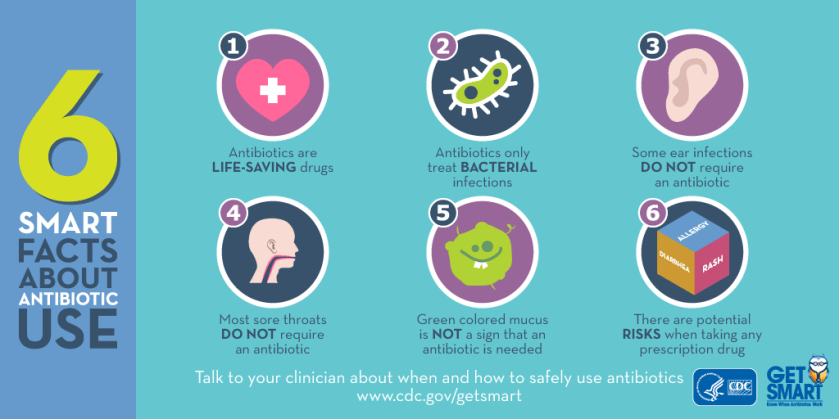
As many as 50% of the antibiotics prescribed in the United States may be unnecessary or inappropriate. This contributes to
- antibiotic resistance ,
- avoidable side effects of the drugs, and
- increased medical cost without benefit.
The best source of medical advice for you personally is your own doctor, or one who talks to and examines you.
Exceptions to rules exist, every medical situation is unique. So although these recommendations are firm, they are not absolute. This is just a partial list which includes most but not all common infections.

STOP- don’t treat these with antibiotics
Most upper respiratory infections including
- colds
- laryngitis
- bronchitis
- “flu”-Influenza
- infectious mononucleosis, aka “mono”
- COVID
- RSV-respiratory syncytial virus
Acute viral gastroenteritis, aka stomach flu, with nausea, vomiting, and/or diarrhea
Some of these may be treated with anti- VIRAL medication, not antibiotics.

SLOW DOWN- these may not need an antibiotic, at least not immediately
Ear infections -otitis media
Sinusitis– sinus infections
spider or tick bites– many of these are not bites at all, but are other skin diseases, including bacterial infections (see below)
sore throats– pharyngitis or tonsillitis

GO- these infections usually need antibiotics to resolve successfully
Urinary tract infections- this includes the kidney, bladder, prostate
Skin infections including animal and human bites
Pneumonia (although can can be due to viruses, especially in children)
Whooping cough –pertussis
Lyme disease and Rocky Mountain Spotted Fever- these are both transmitted by tick bites; but not all tick bites result in infection
Sexually transmitted diseases caused by bacteria – gonorrhea, chlamydia, syphilis
Any infection severe enough to require admission to a hospital- including infections of any internal organ, bones, joints, brain; included here are infections which develop during a hospital stay
Check out the links for more info.
(By the way, I hope you enjoyed the photos. I took them at a Veterans Day parade.)

exploring the HEART of responsible antibotic use
Thank you for viewing the advertisements and visiting my resources page for services that fund this blog; with your continued help, we can grow, reach more people, and support worthy causes that bring health and wholeness to people around the world.






 watercress words by Dr Aletha