How Moms-to-Be Can Manage Morning Sickness

Morning sickness, characterized by nausea and vomiting during pregnancy, is common and usually begins in the first month, lasting until week 14 or 16. Causes are unclear but may involve hormonal changes. Most women experience mild symptoms, which can be managed with dietary adjustments and home remedies, though medical advice is necessary for severe cases.

Morning sickness is nausea and vomiting that can occur at any time of the day during pregnancy.

Basic Facts About Morning Sickness

Morning sickness is very common. Most pregnant women have at least some nausea, and about one-third have vomiting.

Morning sickness most often begins during the first month of pregnancy and continues through the 14th to 16th week (3rd or 4th month). Some women have nausea and vomiting through their entire pregnancy.

Morning sickness does not hurt the baby in any way unless you lose weight, such as with severe vomiting. Mild weight loss during the first trimester is not uncommon when women have moderate symptoms, and is not harmful to the baby.

The amount of morning sickness during one pregnancy does not predict how you will feel in future pregnancies.

Causes

The exact cause of morning sickness is unknown. It may be caused by hormone changes or lower blood sugar during early pregnancy. Emotional stress, fatigue, traveling, or some foods can make the problem worse. Nausea in pregnancy is more common and can be worse with twins or triplets.

Caring for Yourself

Try to keep a positive attitude. Remember that in most cases morning sickness stops after the first 3 or 4 months of pregnancy. To reduce nausea, try:

  • A few soda crackers or dry toast when you first wake up, even before you get out of bed in the morning.
  • A small snack at bedtime and when getting up to use the toilet at night.
  • Avoid large meals; instead, snack as often as every 1 to 2 hours during the day and drink plenty of fluids.
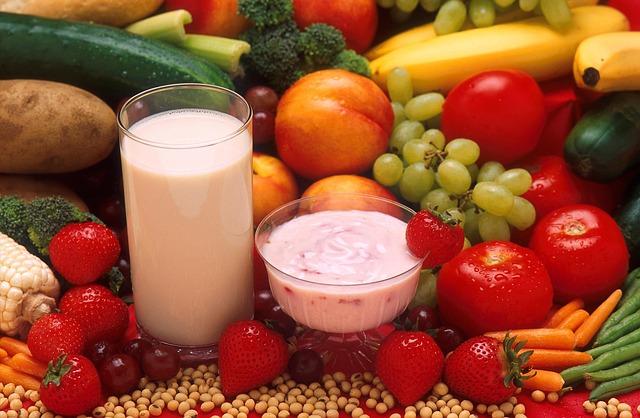
  • Eat foods high in protein and complex carbohydrates, such as peanut butter on apple slices or celery; nuts; cheese; crackers; milk; cottage cheese; and yogurt; avoid foods high in fat and salt, but low in nutrition.
  • Ginger products (proven effective against morning sickness) such as ginger tea, ginger candy, and ginger soda.

Here are some more tips:

  • Acupressure wrist bands or acupuncture may help. You can find these bands in drug, health food, and travel and boating stores. If you are thinking about trying acupuncture, talk to your health care provider and look for an acupuncturist who is trained to work with pregnant women.
  • Avoid smoking and secondhand smoke.
  • Avoid taking medicines for morning sickness. If you want to try this approach, ask your provider first.
  • Keep air flowing through rooms to reduce odors.
  • When you feel nauseated, bland foods like gelatin, broth, ginger ale, and saltine crackers can soothe your stomach.
  • Take your prenatal vitamins at night. Increase vitamin B6 in your diet by eating whole grains, nuts, seeds, and peas and beans (legumes). Talk to your provider about possibly taking vitamin B6 supplements. Doxylamine is another medicine that is sometimes prescribed and is known to be safe.

When to Contact Your Doctor

Contact your provider if:

  • Morning sickness does not improve, despite trying home remedies.
  • Nausea and vomiting continue beyond your 4th month of pregnancy. This happens to some women. In most cases this is normal, but you should have it checked out.
  • You vomit blood or material that looks like coffee grounds. (Contact your provider immediately.)
  • You vomit more than 3 times per day or you cannot keep food or liquid down.
  • Your urine appears to be concentrated and dark, or you urinate very infrequently.
  • You have excessive weight loss.

“Courtesy of MedlinePlus from the National Library of Medicine”https://medlineplus.gov/ency/article/003119.htm, accessessed April 15, 2026

Review Date 8/18/2025

Updated by: LaQuita Martinez, MD, Department of Obstetrics and Gynecology, Emory Johns Creek Hospital, Alpharetta, GA. Also reviewed by David C. Dugdale, MD, Medical Director, Brenda Conaway, Editorial Director, and the A.D.A.M. Editorial team.

Cover image by Photo by Ivan S on Pexels.com

Exploring the HEART of Health

I’d love for you to follow this blog and follow me on social media.

I share information and inspiration to help you transform challenges into opportunities for learning and growth.

Add your name to the subscribe box to be notified of new posts by email. Click the link to read the post and browse other content. It’s that simple. No spam.

I enjoy seeing who is new to Watercress Words. When you subscribe, I will visit your blog or website. Thanks and see you next time.

Dr. Aletha

5 tips to keep away kidney stones

Drink enough water to produce 2-2.5 quarts/liters of urine every day. Recommendations to drink a set amount of water daily do not take into account how much water a person needs, which can vary depending on activity level and other factors. It is more reliable to consider how much urine comes out, or how many times one urinates daily.

Follow this link to an updated version of this post

What you should know to avoid kidney stones

Stones, or urinary tract calculi, don’t usually cause symptoms as long as they stay in the kidney. But if they migrate down into the ureter, the tiny tube that connects the kidneys to the bladder, trouble begins. As the stones try to wiggle their way down the narrow passageway, spasms of pain result; and the…

No, these are not kidney stones but if, like me, you have had one, it probably felt this big.

Almost nothing compares to the agony of kidney stones; it is often compared to the pain of labor and childbirth; I can attest to that, having had both.

big rocks
not kidney stones

Called renal colic, the pain of kidney stones is similar to the episodes of crying and distress in infants. (I will have a post on infant colic soon.)

Stones, or calculi, don’t usually cause symptoms as long as they stay in the kidney. But if they migrate down into the ureter, the tiny tube that connects the kidneys to the bladder, trouble begins. As the stones try to wiggle their way down the narrow passageway, spasms of pain result; and the bigger the stone the worse.

The urinary tract- kidney, ureters and bladder

Fortunately, most stones eventually pass into the bladder and out the body through the urethra. Some get stuck and must be removed. Occasionally, large stones can block the kidney, leading to infection. But , once you have had a stone, you want to prevent another.

What causes kidney stones?

We know what substances cause most stones- chemicals that normally pass through the urine but  sometimes build up, harden and form into tiny rock -like structures called calculi. These chemicals mostly come from food, so  changes in diet are one way to prevent new stones from forming.

5 tips to keep away kidney stones-watercresswords.com

Steps to stopping kidney stones

These steps can help lessen the risk of new stones in people who have already had one. We don’t know if it applies to people who have never had any stones. Check with your doctor to see if any of these are right for you.

Drink enough water to produce 2-2.5 quarts/liters of urine every day.

Recommendations to drink a set amount of water daily do not take into account how much water a person needs, which can vary depending on activity level and other factors. It is more reliable to consider how much urine comes out, or how many times one urinates daily.

Limit the amount of sodium, salt, in the diet.

Since the majority of stones contain calcium, it might make sense to limit calcium. But the kidneys spend more time filtering sodium; so with less sodium, more calcium can  be filtered out  and not be available to make stones. Here are 5 tips to reduce salt intake from WebMD

Limit intake of oxalate rich foods.

peanuts in the shell

Oxalate is another chemical found in kidney stones. It comes from eating rhubarb, spinach, tea, nuts and cocoa.

Although watercress and other greens contain oxalate, it’s probably not necessary to avoid them entirely; they also are a good source of calcium which attaches to the oxalate, removing both from the body. Moderate amounts with adequate fluid intake should be safe, unless your doctor tells your otherwise.

Limit intake of non-dairy animal protein.

two fried eggs on toast

eat more fruits and vegetables

Drink beverages with lime and lemon juice.

fresh vegetables-lettuce, tomatoes, radishes

Get expert advice about kidney stones at these links.

Eating tips from the National Kidney Foundation

Watch a brief video about kidney stones from MedlinePlus  here.

Print a PDF handout at this link-  Preventing Kidney Stones -from the American Academy of Family Physicians

exploring the HEART of health

Thank you for joining me to explore the HEART of health. I hope you’ve learned something. Please contact me about topics you want to read about.

Dr. Aletha