These blogs open a window into the medical community. You may be surprised that physicians have the same concerns about health and medical care as you , and some that you are unaware of. Most importantly, you will find they are on your side; they care about you,their patients, probably a lot more than you care about them.
updated August 5, 2024
As a blogger, I enjoy reading and supporting other bloggers, especially others who write about health, fitness, nutrition, and medical science.
These bloggers’ viewpoints often surprise and challenge me; I don’t always agree with them and you may not either.
Here is a blog I followed which is now dormant but still available with some interesting topics.
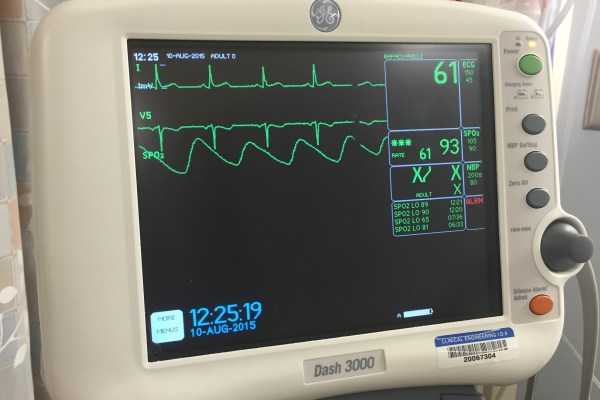
” ‘Alert and Oriented’ is a medical phrase that describes the mental status of a patient who, despite being in serious shock from trauma or disease, maintains clarity of mind and focus of thought.
Based on the heart rhythm, this patient is likely alert and oriented.
Dr. Accad blogs about the healthcare system, the doctor-patient relationship, medical ethics, medical economics, and healthcare policy.
I’d love for you to follow this blog. I share information and inspiration to help you transform challenges into opportunities for learning and growth.
Add your name to the subscribe box to be notified of new posts by email. Click the link to read the post and browse other content. It’s that simple. No spam.
I enjoy seeing who is new to Watercress Words. When you subscribe, I will visit your blog or website. Thanks and see you next time.
Too often doctors and patients become adversaries rather than partners, and this blog series addresses that.
“6 reasons to sue your doctor and how not to”
was the original title of a series of posts I wrote soon after starting this blog. Later the posts were called
“Stopping medical malpractice- how patients can help”
The main point of the series ,the relationship between patients and physicians, prompted me to start this blog. Too often doctors and patients become adversaries rather than partners, and this series addresses that.
You will find links to all four articles in the series here, with a brief excerpt from each one. They have also been slightly revised and updated.
Part 1
In the March 2015 issue of Medical Economics, attorney Richard Baker wrote, “Being sued for malpractice, especially for the first time, can be an unsettling and frustrating experience for a physician.” And stressful and unsettling for a patient, or patient’s family .
A medical malpractice lawsuit follows an adverse medical outcome –
a missed or inaccurate diagnosis,
an ineffective or harmful treatment,
a surgery gone bad,
an outcome that left permanent harm or at worst, death.
Patients become upset and often angry, and may assume that malpractice has occurred. They want to hold the doctor responsible , and want compensation for medical expenses, lost income, pain and suffering.
I don’t understand all the legal aspects of medical liability. But an unsatisfactory outcome may not mean poor care ; illness or injury can be so severe that any treatment is ineffective. Or there were multiple possible treatment options so the physician made a judgement call that proved less than ideal.
But it may reflect some behavior on the part of the doctor, another healthcare professional, or even the patient that could have been avoided.
No matter how careful hiring policies are , incompetent, unscrupulous and dishonest employees get into the healthcare system undetected. This is bad for any industry, but in healthcare is dangerous and even deadly.
If you notice something out of line in a medical office or hospital, or if the care is not asexpected, don’t hesitate to report it to someone in authority. You can do this anonymously, although the more specific information you provide, the more likely the situation can be corrected .Even if nothing proves to be wrong, it will give them helpful feedback about their service.
You can’t control your doctor’s training, CME (continuing medical education), and certifications. But you have a right and responsibility to confirm that the doctor is qualified to perform the services offered. Doctors’ offices have diplomas, licenses, awards displayed on the walls for a reason-they want you to look at them. Hospitals and other health care facilities confirm that the physicians who work there have the appropriate credentials.
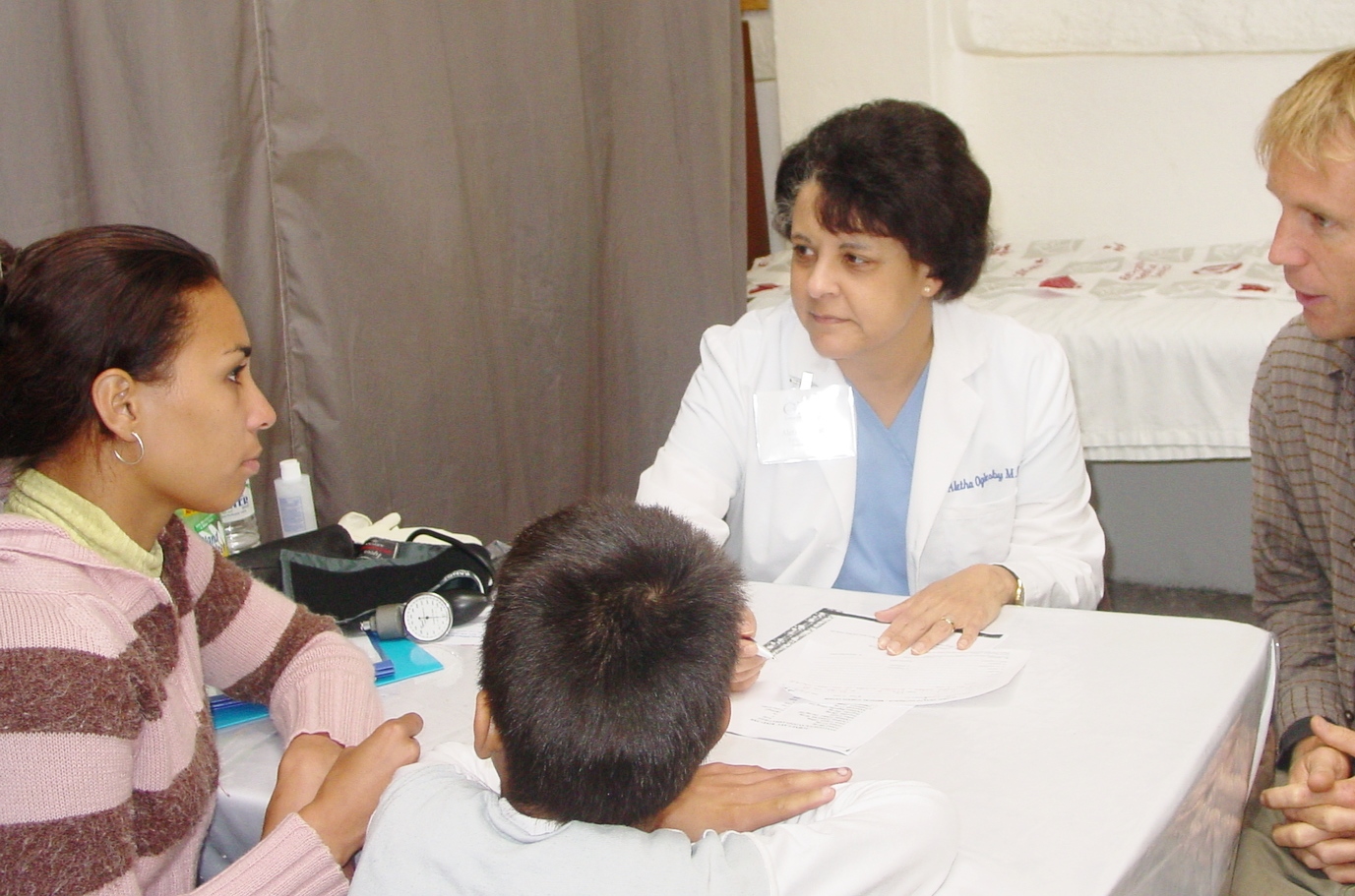
Here I am with a health worker at a rural clinic in Central America. We held a medical outreach with a volunteer team.
Conclusion
The best way for physicians and patients to work through their feelings about a bad outcome is to start out with a mutually respectful, cooperative relationship.
Just like any other relationship, there may be times of disagreement; but these can and should be resolved with each satisfied that their viewpoint has been listened to , understood, and respected
(Photos are from volunteer medical trips to Mexico, Panama, Ecuador and VietNam )
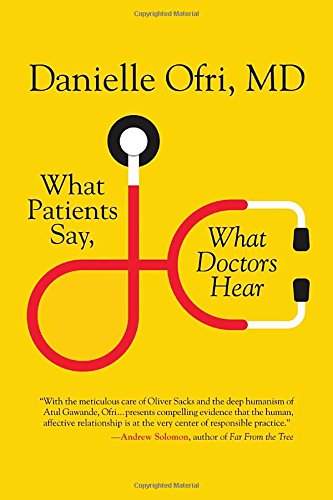
Dr. Danielle Ofri , author of several books about practicing medicine and patient relationships, considers effective doctor-patient communication crucial to successful medical outcomes. I reviewed her book here









 watercress words by Dr Aletha