updated January 23, 2026
This post includes an update about a new medication to control motion sickness.
I read all comments on my posts, like this one in response to
Safe and Healthy Cruising-Keys to an Enjoyable Vacation on a Ship
In this post I share experiences from visiting the Titanic museum and a subsequent cruise, emphasizing enhanced safety measures unlike those on the Titanic. Observations include thorough safety drills, food allergy considerations, hygiene protocols, and various activities available. While the cruise was enjoyable, potential health risks exist, including sun exposure and noise levels.
Keep readingRhonda Gales (@RhondaGales) blogger
Your photos are great! I want to do a cruise to Alaska next year, but I’m a little leery. The last cruise that I took, I was sea sick the entire cruise. Any advice on how to avoid it this time, and thanks for sharing on Sunday’s Best.
Dr. Aletha
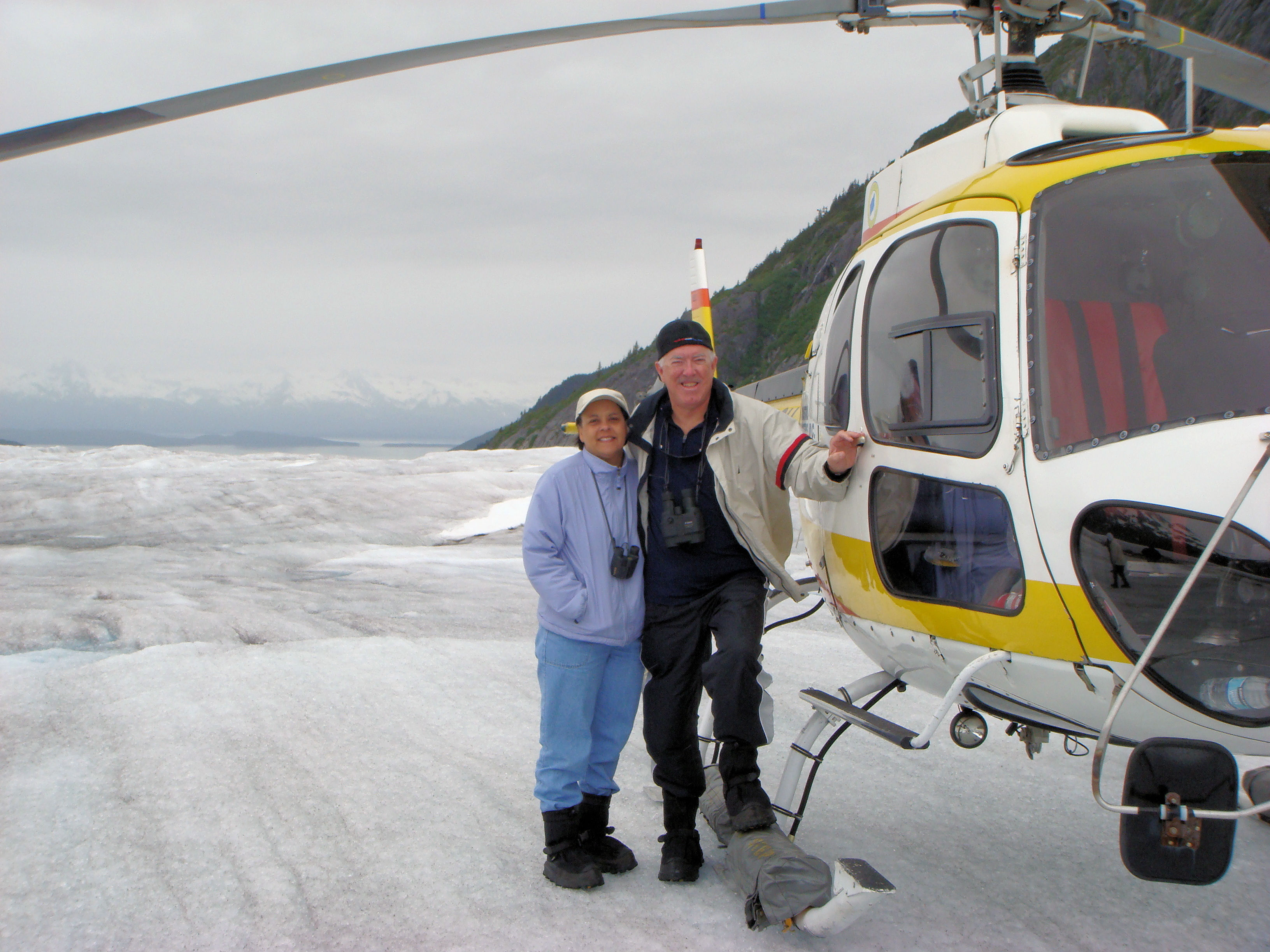
Thanks Rhonda we’ve also cruised to Alaska, it was beautiful. You might look for a facility offering desensitization training for motion sickness. Otherwise drugs work but can cause unpleasant side effects. Talk to your doctor.
Rhonda
This information is current as of the date of original publication or update but may have changed by the time you read this. Do not use this information for diagnosis or treatment purposes. Before making health decisions, discuss with a qualified healthcare professional.
What is motion sickness?

Motion sickness is the unpleasant sensation of motion, either with or without motion actually occurring. Those of us prone to it wonder why some people seek out experiences like roller coasters. Symptoms include
- sweating
- nausea with or without vomiting
- dizziness
- imbalance
- general unwell feeling
Fear of motion sickness causes people to forgo activities like airplane travel, boating, amusement park rides, and car trips. But sometimes these activities are unavoidable or people just want to enjoy them.
Preventing motion sickness
If you don’t want to completely forgo activities that might cause motion sickness, manipulating the situation to minimize or change the motion can help.
Sitting toward the front of a vehicle and facing forward will help.
- Airplanes- sit over the wings
- Boat- sit level with the water facing the waves
- Bus/Van/Car- nearest the front
- Train- lowest level
Use your eyes
- Don’t read
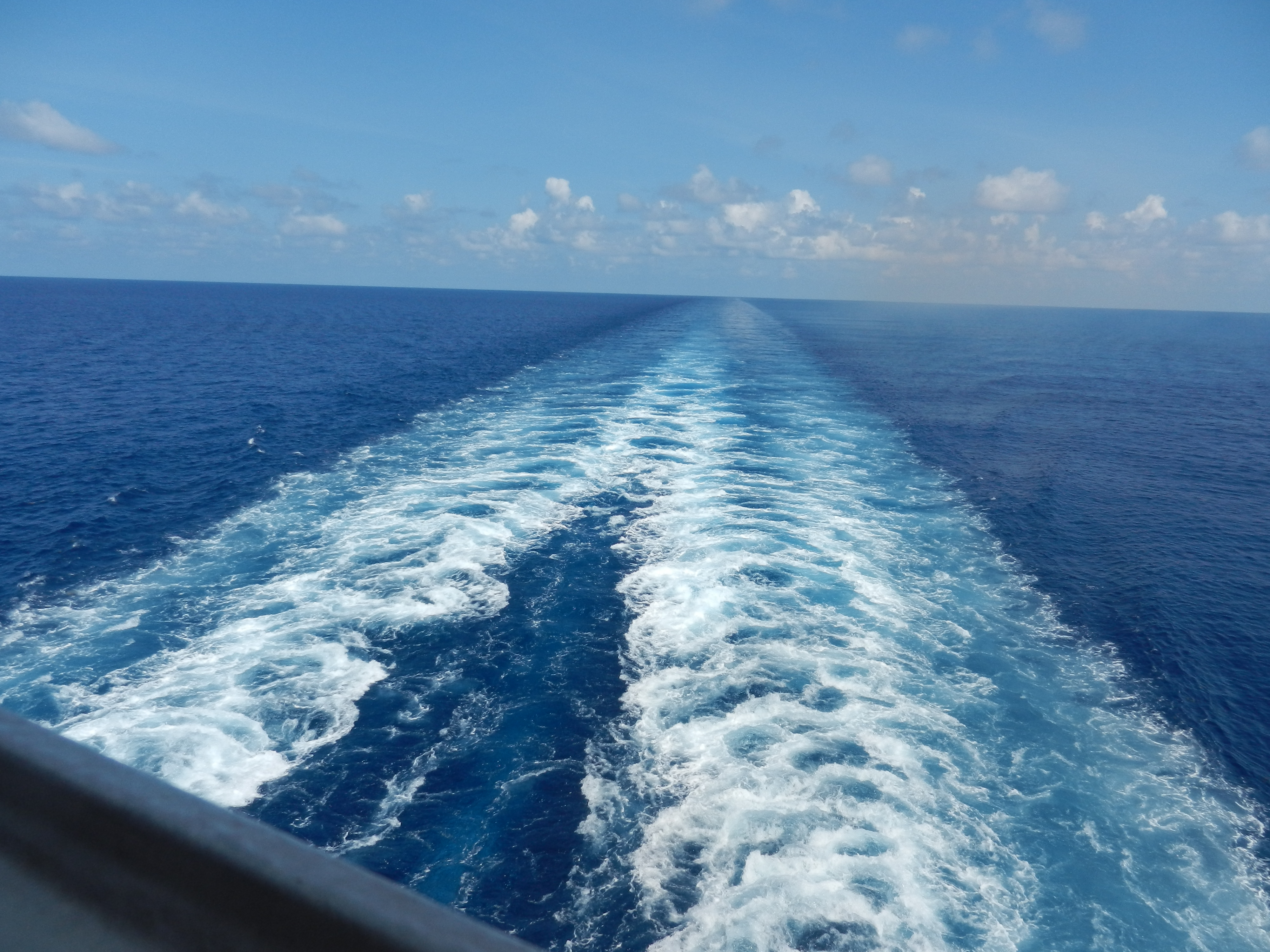
- Focus on the horizon if possible.
- Keep eyes closed (especially if not able to see the horizon) and/or wear sunglasses.
Maintain general wellness
- Be rested, sleep if possible
- Stay hydrated, eat lightly
- Avoid alcohol
- Keep the environment well ventilated, avoid strong smells
- Listen to soothing music

Using medications for motion sickness
One option is to use medication, either for prevention or to treat the symptoms once they occur (not as effective.)
Prescription medication
Transdermal Scopolamine patch (Transderm-Scop)
- Apply behind one ear at least 4 hours before travel
- Replace patch every 72 hours
Promethazine-Phenergan

Tradipitant- Nereus
Late in 2025 the FDA approved Nereus (tradipitant), an oral neurokinin-1 (NK-1) receptor antagonist, for the prevention of vomiting induced by motion.
NON-PRESCRIPTION-Available OTC- over the counter(
(These affiliate links are for information only and are not a recommendation to use unless advised by your personal physician.)
Habituation and Desensitization
The more I travel, the less likely I am to suffer motion sickness. I use the tips above- I don’t read in the car, I sit in the front of a bus.
If an airplane encounters turbulence, I lean back, close my eyes, and direct the cool air toward me. I have gradually become habituated to motion, although I still do not ride roller coasters.
There are programs available to desensitize people to motion; the military uses these since pilots and sailors will constantly be exposed to motion and must be able to function.
A former NASA flight surgeon and fighter pilot developed such a method, naming it after himself. Dr. Sam Puma developed the Puma Method.
“The PUMA METHOD consists of a series of simple yet very effective warm-up and conditioning exercises.
These exercises raise your tolerance level to a variety of motion sickness producing activities such as reading in a moving vehicle, riding in a small boat or cruise ship, or flying in an airplane. This process is called habituation.
The exercises use your body’s own habituation mechanism to prevent motion sickness. You don’t need any drugs, so there are no negative side effects.”
(quote from the website)

Motion Sickness Treatment Makes Waves
This article from Scientific American explains how NASA and the U.S. Navy are finding new ways to help everyone overcome motion sickness.
“Researchers and those who work with pilots and the military’s most frequent flyers, are especially keen to find better ways to treat motion sickness. And the many civilians who face nausea in cars, planes, boats or even the tamest amusement park rides would welcome a cure without the common side effects of current medications, such as sleepiness, or the questionable efficacy of alternative treatments, such as pressure bracelets.
The path to those ends remains bumpy and filled with more than a few green faces, but new research is closer to finding the best treatments to keep both side effects and lunch down.”

Here’s what you should know about what to wear on Alaskan Cruises
Blogger Cathy Lawdanski offers these tips on what to pack for an Alaskan cruise, which is not as easy as packing for a warm weather cruise. Read her helpful tips based on her experience at this link.
Exploring the HEART of healthy travelling
Thank you for reading this post. Please follow this blog and me on social media.
I share information and inspiration to help you transform challenges into opportunities for learning and growth.
Add your name to the subscribe box to be notified of new posts by email. Click the link to read the post and browse other content. It’s that simple. No spam.
I enjoy seeing who is new to Watercress Words. When you subscribe, I will visit your blog or website. Thanks and see you next time.

Dr Aletha
On the way back to Seattle, the ship stopped on Vancouver Island in British Columbia and we toured Bouchart Gardens, a must-see on an Alaskan cruise.
- About Dr. Aletha
- How to Use this Site
- Make Your Life Easier
- Search by Category
- Share the HEART of health
- my Reader Rewards Club
- RoboForm Password Manager
please help support this blog; consider starting with the cost of a beverage
Or whatever works for you
I welcome and appreciate your support, it helps fund this blog and share the HEART of health all over the world.
Excess funds are donated to health related charities.
Dr. Aletha