“The touch of God is awesome not just because it is God who touches, but also because it is a touch. It is a real connection. That it involves the heart is awesome. That it involves God is awesome. And that it involves an actual touch is awesome.”
(These are affiliate links, purchases made from them pay this blog a commission which funds our mission.)
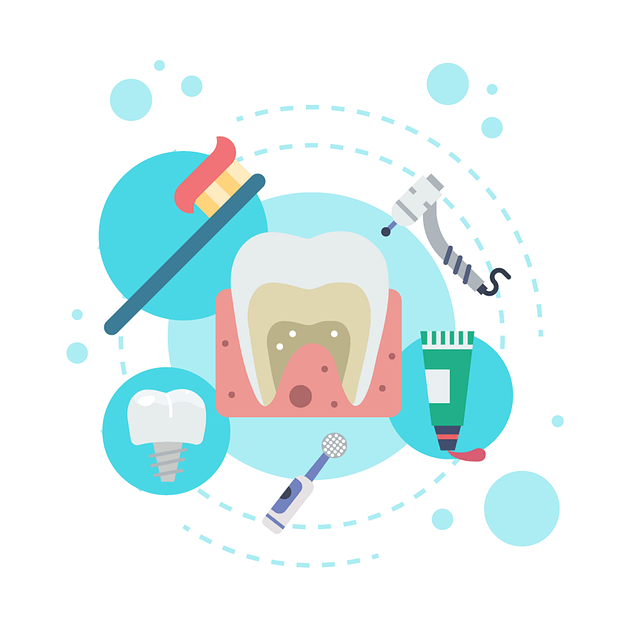
graphic courtesy of Lightstock.com, affiliate , stock photo site
Peter Kreeft, Ph.D., is a professor of philosophy at Boston College. He loves his five grandchildren, four children, one wife, one cat, and one God. He has written 75 books including (affiliate link) MAKING SENSE OUT OF SUFFERING
“Our brain controls the actions of the body’s other organs, but the heart supplies the power that keeps everything working smoothly, including the brain. Using the intricate “highway” system of arteries and veins, the heart pumps blood carrying oxygen, water, and nutrients to every cell in the body.” more at –
“Anyone who has ever had a “broken heart” (and who hasn’t?) knows that sadness and grief cause not just emotional pain, but also physical pain. And since that pain is often felt in our chest, it makes sense that we call it “heart break”.” Continue at-
In sudden cardiac death, the heart stops beating abruptly
“Keeping our HEARTS healthy involves doing what we can to change the 7 risk factors what doctors often call the modifiable risk factors.” Find them at –
Why people neglect dental care and why they should not
I notice more television commercials for dental care products and services, and most of them follow a theme. In the past most advertisements were for toothpaste for preventing cavities. Now they focus on whitening, stain removal, straightening, dentures and dental implants.
There is a series of ads for dental clinics that promise “not to rob you” featuring skits portraying people afraid that dentists will demand huge amounts of money for dental care.
Myths about dental care
I think these ads reflect myths about dental care that many of us believe and unfortunately base our behavior on. We need to dispel these myths with some truths about oral health, which includes our teeth and mouth.
These myths include
Care of our teeth is mainly a cosmetic concern, affecting our appearance only.
Dental care is a luxury, nice but optional, not a necessity, it can be ignored.
Dental care is expensive and out of reach without insurance or a high income.
Tooth disease and loss is inevitable, so we might as well just accept it.
Dental care is low priority, behind food, housing, and medical care in importance.
Truths about dental care
But the truth, based on recommendations from experts in oral and dental health, tells us differently.
Care of our teeth is functional- we need a healthy mouth for eating, drinking, breathing, and talking. Our mouths also help us interact with other people emotionally- frowning, smiling, kissing, singing.
Oral care is a basic component of health care, vitally important to overall health. I’ll say more about this later.
Dental care can be affordable; it’s probably more costly if neglected.
Loss or disease of teeth and other mouth disorders are preventable and treatable.
Dental and oral care is vital to overall good health, and ultimately can be cost effective.
Our mouth- eating, talking, smiling-connects us with our family and friends.
Our teeth and oral cavity, the “window to general health”
The oral cavity, or simply called the mouth ,includes the teeth and gums, as well as the lips, the tongue, the palate (roof of the mouth), and the mucosa (sides of the mouth).
The underside of the tongue and nearby structures (lip, tongue, salivary glands, and floor of the mouth) are identified. Alan Hoofring (Illustrator) public domain
Why dental care improves our overall health.
Over 100 diseases and at least 500 medications can affect our teeth and mouths. Regular dental care can monitor for these effects and prevent them from progressing into tooth disease.
Our mouths contain over 500 species of bacteria and other organisms, some of which are protective and some destructive to our teeth. Good oral care can keep these in proper balance to prevent tooth and gum disease.
People with poor dental health have a higher incidence of heart attacks and stroke. Experts have not determined if this is direct cause and effect or coincidence, but believe it may be due to increased atherosclerosis (hardened arteries from cholesterol) due to the chronic inflammation of gingivitis.
Bacteria from the mouth can lead to pneumonia in susceptible persons, like those with emphysema or those hospitalized with critical illnesses or injuries.
Diabetes, when the blood sugar is not controlled, negatively impacts periodontal health, and periodontitis makes glucose control more difficult. Periodontitis is inflammation and infection of the ligaments and bones that support the teeth.
Poor oral health during pregnancy increases the risk for miscarriage, low birth weight, preeclampsia, and stillbirth.
Resources for understanding different types of dental and oral disease.
Dental care should not be a luxury, and can be within financial reach with some research into available options. These sites can help you discover what you may quality for.
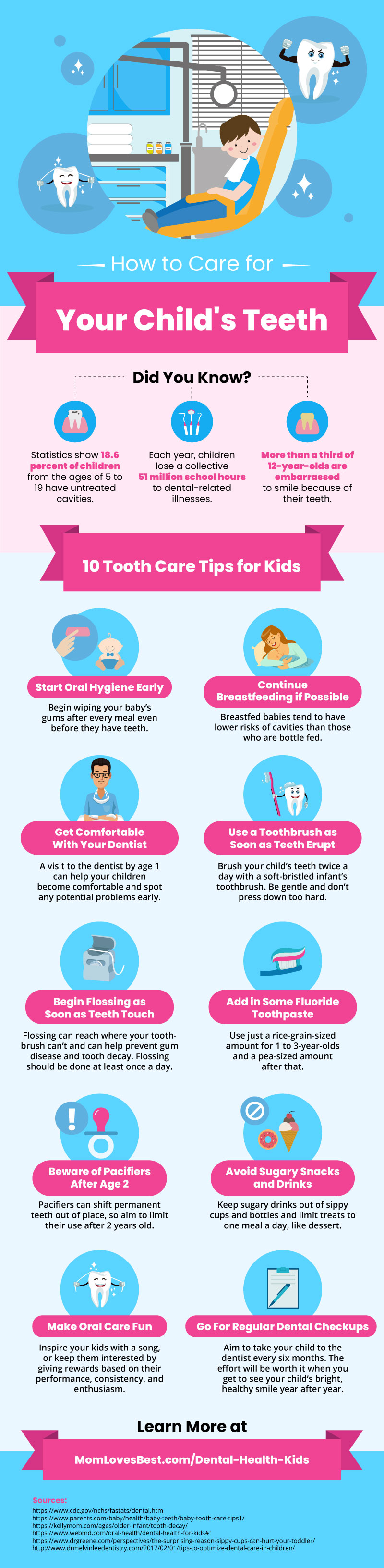
Health teeth in adults ideally starts with dental care in childhood. Jenny Silverstone, blogger at Mom Loves Best, has created this infographic about caring for children’s teeth. I suggest you also read her in depth article about helping children have healthy teeth.
Don’t neglect adult dental care
Continuing good mouth and tooth care as an adult can help you avoid tooth loss, painful gums, or other problems. If you have any problems with your teeth or concerns about your mouth, see your doctor or dentist right away.
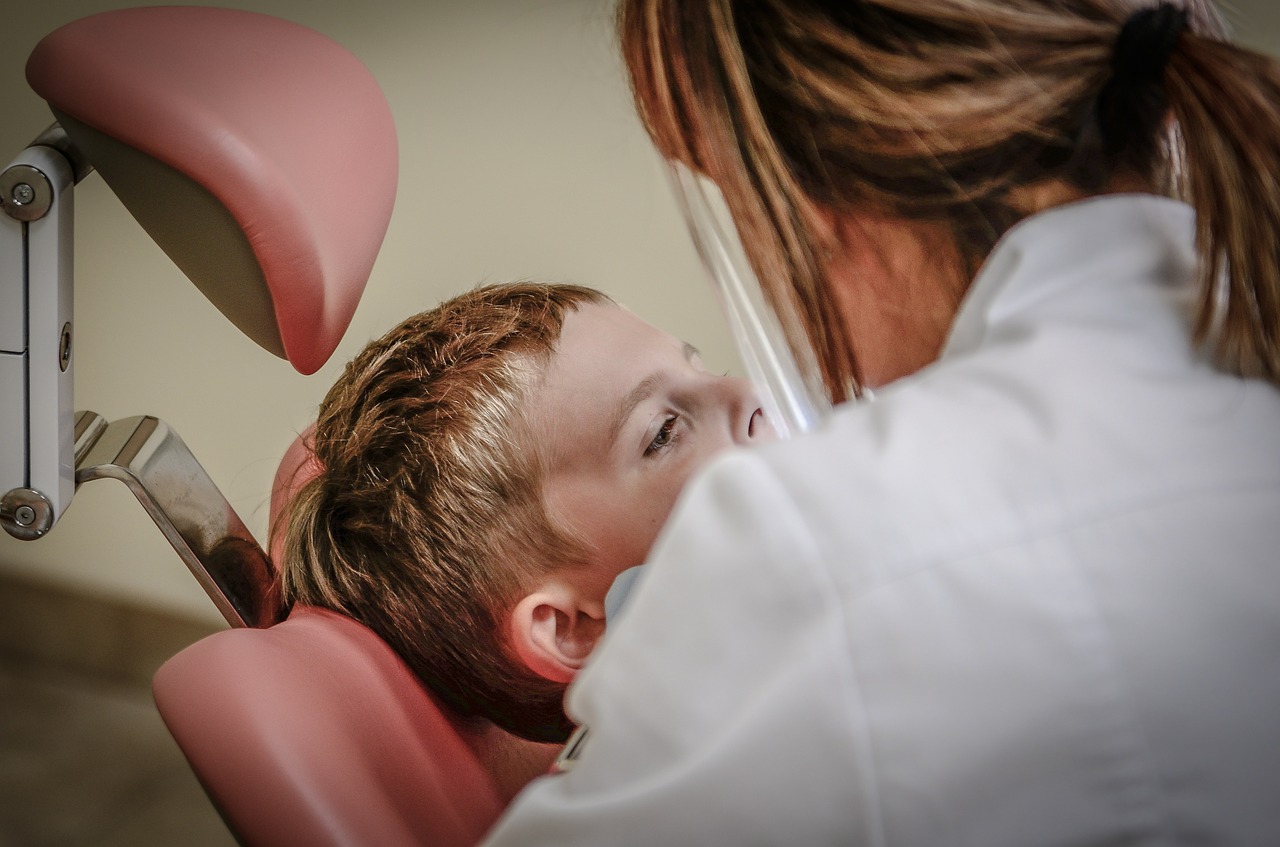
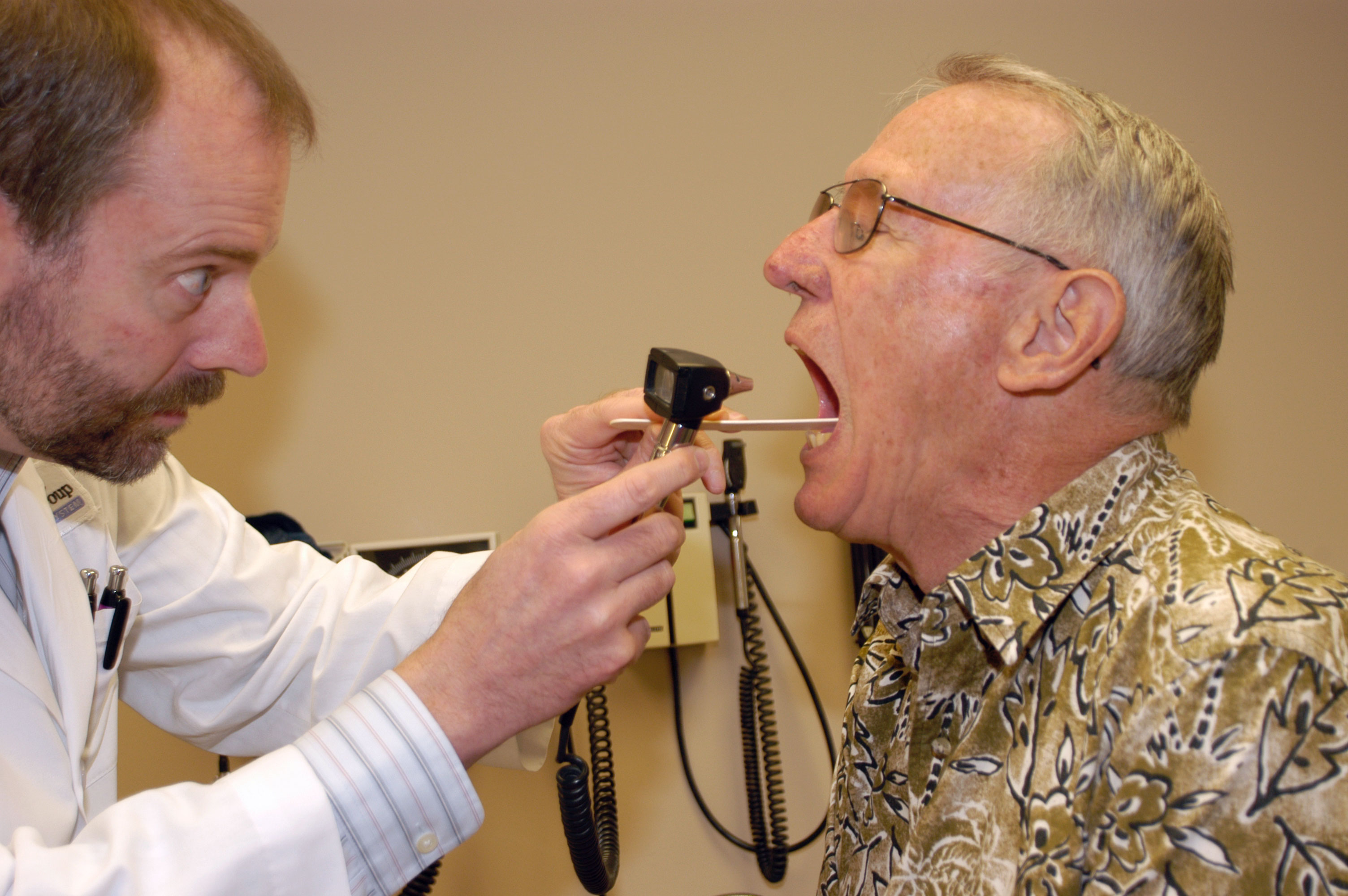
Michael Munger, M.D., examines a patient at his medical office in Overland Park, Kan. courtesy American Academy of Family Physicians
Here are some helpful things you can do:
Brush your teeth at least twice a day with a fluoride toothpaste.
Floss your teeth at least once a day.
Don’t smoke or chew tobacco.
Ask your doctor if your medicines have side effects that might damage your teeth.
Look inside your mouth regularly for sores that don’t heal, irritated gums, or other changes.
See your dentist every 6 months for regular check-ups and cleanings.
Using a power toothbrush may keep your teeth healthier, especially if you have any difficulty using a manual brush.I use an Oral-B Rechargeable Toothbrush by Braun.
I appreciate your reading and sharing this post on your social media pages.
And please follow Watercress Words for more information and inspiration to help you explore the HEART of HEALTH.
Thank you for viewing the advertisements and using the affiliate links that fund this blog; with your help, we can grow, reach more people, and support worthy causes that bring health and wholeness to people around the world.