How to stay safe and well this summer

This post provides resources for staying safe and healthy during summer travels, particularly for international trips. Key advice includes careful food choices, safe drinking practices, sunscreen use, hydration tips, and quitting tobacco. All this helps ensure a healthy vacation experience while traveling.


In this post I share resources on staying safe and healthy this summer.

Check the Centers for Disease Control and Prevention, CDC, for advice and health alerts on travel, particularly if traveling internationally.

This information is current as of the date of original publication or update. It may have changed by the time you read this. I invite you to fact-check what you read here.

Please do not use this information for diagnosis or treatment purposes. Before making health decisions, discuss with your physician or other qualified healthcare provider.

Summer often means travel, and no one wants their vacation spoiled by getting sick. So here is some helpful advice from the New York Times health blog on how to avoid illness, especially if traveling abroad.

International Travel: Tips for Staying Healthy

  • Consider what you’ll eat while traveling. If you’re going to a country with an increased risk of traveler’s diarrhea, plan to eat carefully.
  • Hot, well-cooked food is usually safest.
  • Avoid eating foods from street vendors, unpasteurized dairy products, and raw or uncooked seafood.
  • Peel fruits yourself.
  • Drink water from commercially sealed bottles.
  • Or drink hot or carbonated beverages.
  • Avoid ice.
  • Use bottled water when you brush your teeth.
couple with llamas
up close with llamas at Torres del Paine National Park, Chile

(This post includes affiliate links, where a purchase might pay a commission to this blog, but cost you nothing extra. Thank you. )

Using Sunscreen to Protect Your Skin

How you use sunscreens, and what other protective measures you take, make a difference in how well you protect yourself and your family from sunburn, skin cancer, early skin aging and other risks of overexposure to the sun.

Check out a wide variety of sunscreens at this affiliate link.

Dehydration: Risks and Myths 

In this New York Times article, health writer Jane Brody explains how much water we need to drink to stay hydrated; it may not be what you think. Click the link to read.

Your tap water is probably safe to drink, or you can use a filtered pitcher or device on your faucet. But if you prefer bottled water there are numerous choices ranging from cheap to expensive.

male and female athletes drinking bottled water
credit LIGHTSTOCK.COM

Why not commit to giving up tobacco use this summer? Here are

Exploring the HEART of a Healthy Summer

I’d love for you to follow this blog. I share information and inspiration to help you transform challenges into opportunities for learning and growth.

Add your name to the subscribe box to be notified of new posts by email. Click the link to read the post and browse other content. It’s that simple. No spam.

I enjoy seeing who is new to Watercress Words. When you subscribe, I will visit your blog or website. Thanks and see you next time.

Dr. Aletha

Protecting our children- what parents need to know

Do you feel as angry as I do when you hear yet another  news story  about adults, usually men, who sexually abuse children and adolescents? Almost every newscast on television reports a new incident, if not nationally, but here in my own community. And I don’t live in a high crime area.

Do you feel as angry as I do when you hear yet another  news story  about adults, usually men, who sexually abuse children and adolescents? Almost every newscast on television reports a new incident, if not nationally, but here in my own community. And I don’t live in a high crime area.

Even assuming that some,maybe many of the perpetrators are mentally ill, the numbers  seem staggering.   I wonder, how can our society do better? How can we adults protect vulnerable children?

Too many children are being abused; we need to protect them.
graphic from Child Sexual Abuse  U.S. National Library of Medicine

Thankfully, smart people are working on solutions but in the meantime all of us who have children, grandchildren or other children in our care must do whatever we can to be the first line of defense.

One mother’s story

This  article by Stacy Harrison ,who blogs at Revisions of Grandeur ,caught my attention. She recounts a time when her child might have become an abuse statistic but didn’t due to her vigilance as a mother. She thwarted a potential attack upon her son by

  • trusting her instincts
  • talking to her child
  • disregarding stereotypes and
  • being aware of where she was vulnerable

I encourage you to read her post and consider her suggestions for keeping our children safe.

Not My Child: Protecting My Son from a Sexual Predator 

“Sexual abuse can happen to children of any race, socioeconomic group, religion or culture. There is no foolproof way to protect children from sexual abuse, but there are steps you can take to reduce this risk. If something happens to your child, remember that the perpetrator is to blame—not you and especially not the child.”

At this link from RAINN, you’ll find some precautions you can take to help protect the children in your life.

How Can I Protect My Child From Sexual Assault?

“Stop It Now! has developed a warning signs tip sheet to help identify possible warning signs. Any one sign does not mean that a child was sexually abused, but the presence of several suggests that you begin asking questions and consider seeking help.”

Here is expert advice from the U.S. Department of Justice about

Recognizing Sexual Abuse 

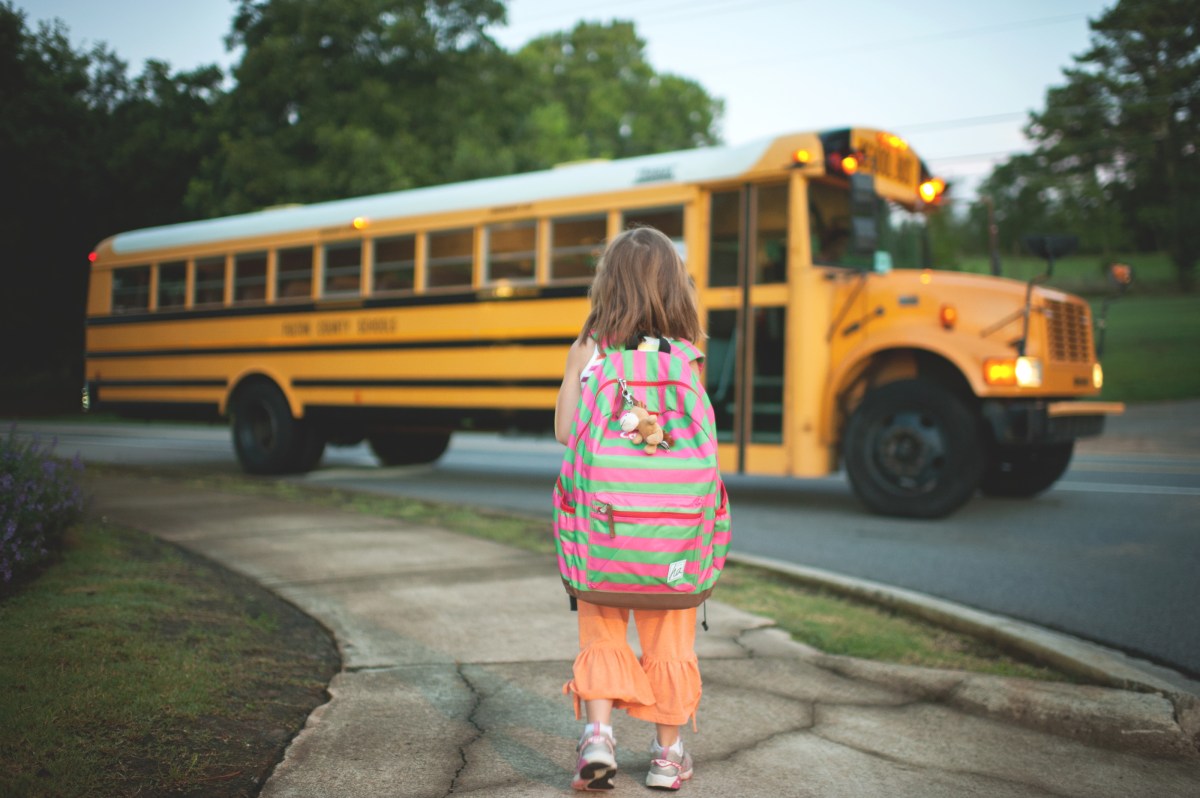
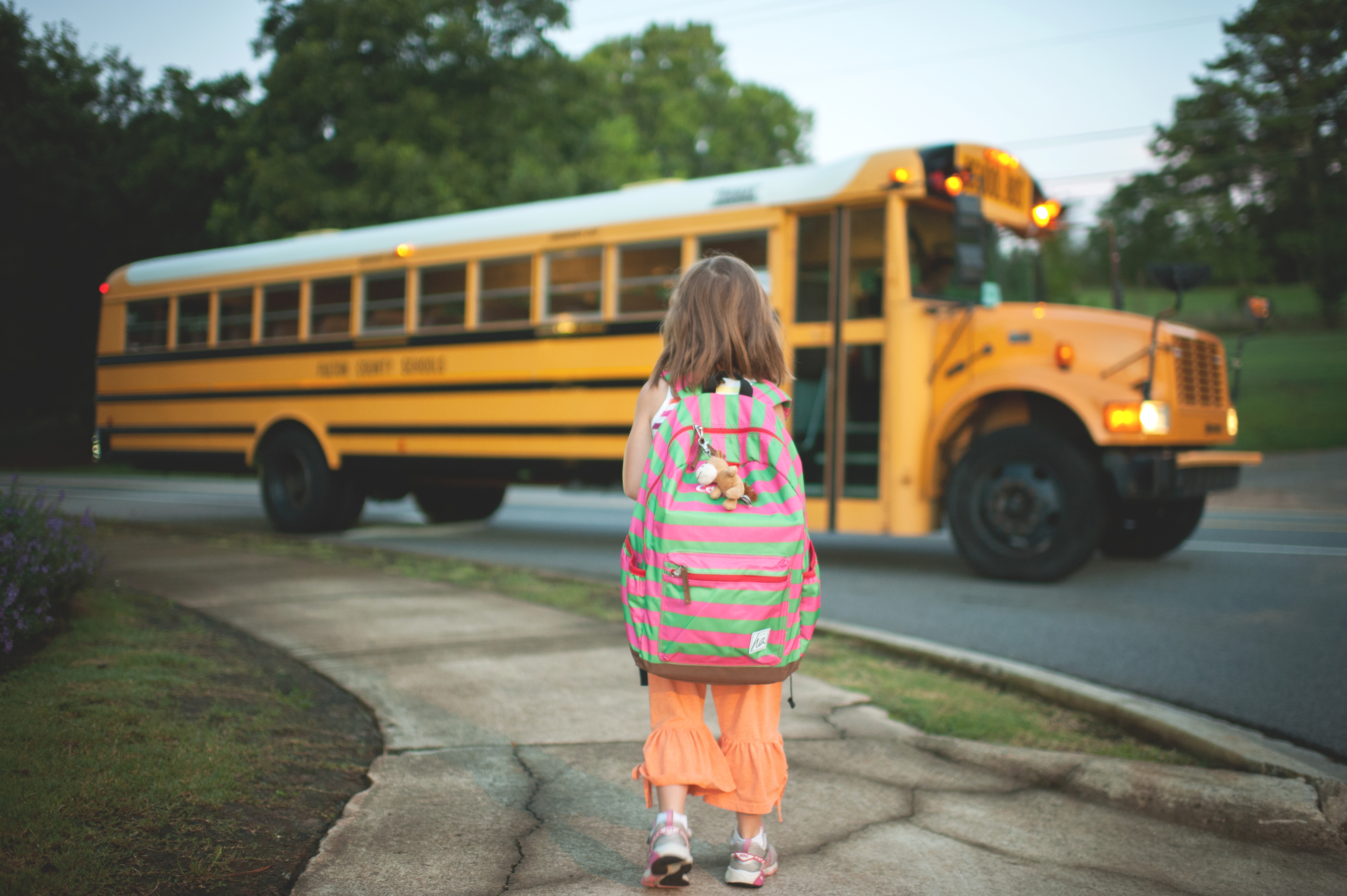
a little girl with a big backpack standing next to a yellow school bus
Lightstock.com photo, affiliate link

You may want to bookmark this link to the National Sex Offender Public Website 

NSOPW


This post has been updated August 2018.

Thanks for reading and sharing this important information about protecting the HEART of our children’s health.

Please review my Share the HEART of health page for ways you can help children and adolescents.

Dr. Aletha 


Some affiliate links for you to consider to help support this blog-

Purchase textbooks at student discounts – 10% off! Shop Now at eBooks.com!
Use code: student$savecp. Until Dec 31, 2018 only

Purchase textbooks at student discounts – 10% off! Shop Now at eBooks.com!
Use code: student$savecp. Until Dec 31, 2018 only