How you can save a life; two things to know this month

It seems every month, week, and day there is an event for awareness of some condition, disease, disability or other designated group. I can’t keep track of all of them, much less observe them all, but September is designated for awareness of two conditions that I want to mention.

Childhood cancer is ,fortunately, an uncommon disease compared to other conditions but still ranks within the top 5 causes of death in children and adolescents. Because so relatively few cases occur, there has not been as much research done and therefore not as many drugs or treatments available as other diseases.

One of the first patients I cared for when I started practicing over 30 years ago was a 5 year old boy who developed a brain tumor. With treatment he lived about a year following diagnosis, leaving his parents and siblings devastated. I am sad  to realize that he would now be a young man, probably with children of his own.

About 6 weeks ago,  my friend’s 13 year old son  was diagnosed with a form of leukemia. Both she and her husband are physicians so they are familiar with the seriousness of his illness, as well as the potential risks of the treatment. But they are fighting the disease with the best medical care available, as well as  many people’s prayers,and are hopeful for a full recovery.

Even When I’m Gone is a song written and recorded about Kendall, a 17 year old girl who died from leukemia. She dreamed of sharing the story of her struggle and helping others also afflicted. ( this is an affiliate link from which this blog can earn a commission from purchases)

September is also recognized as Suicide Prevention Month.

Leading causes of death in the United States by age, most recent statistics
As the chart illustrates, suicide ranks within the top ten causes of death for everyone except the youngest and the oldest of us. And like other forms of violence, suicide should be preventable.

The Veteran’s Administration has made the prevention of veteran suicide a priority. It is a tragedy that any person would cause their own death. And it is hard to understand how someone who has survived the rigors of military training and service would later want to take their own life.

My husband, a VietNam veteran, recently reached out to a young veteran whose family is concerned. While serving in Afghanistan, this soldier’s team was ambushed; one soldier was blown apart by an IED (improvised explosive device). The veteran finds it hard to talk about what happened, and has become withdrawn. My husband shared his traumatic experience in VietNam and encouraged the ex-soldier to find someone to talk to and process the feelings about what happened. And we are praying for peace and healing also.

If you know a veteran, follow this link to learn how you can recognize behavior that might lead to suicide and how you can help.

If you are a veteran, I thank you for serving our country and urge you to receive the help that you gave us; call the crisis line at 1-800-272-8255, press 1 .
Contact the veterans' crisis line for help.
Contact the veterans’ crisis line for help.
This is a short post so I encourage you to visit the links which have information worth your time. And please share what you learn on your blogs, social media and email. Let’s all be “aware”- you may save a life.

6 things you need to know to fight influenza

a review of how to recognize, prevent, and treat influenza

Thanks for visiting. Please review the updated version of this post .

6 Tips to Cope During a Flu Epidemic

The post discusses influenza, emphasizing its symptoms, diagnosis, and prevention, particularly through vaccination. It acknowledges the similarities between influenza and COVID-19 symptoms. Antiviral medications like Tamiflu and Xofluza are mentioned for treatment. The article promotes awareness of complications, especially for high-risk individuals, and encourages preventive measures to protect oneself and others.

Keep reading

  1. If you think you have “the flu”, you probably don’t.

To many people “the flu” is any respiratory illness characterized by some combination of fever, cough, congestion, fatigue and aches. That term has become so nonspecific even we doctors use it that way. But it more correctly refers to influenza, which is just one of many viruses that cause illness. The illnesses caused by the other viruses are usually called “colds”, upper respiratory infections, aka URIs, bronchitis, pharyngitis, sinusitis and pneumonia.

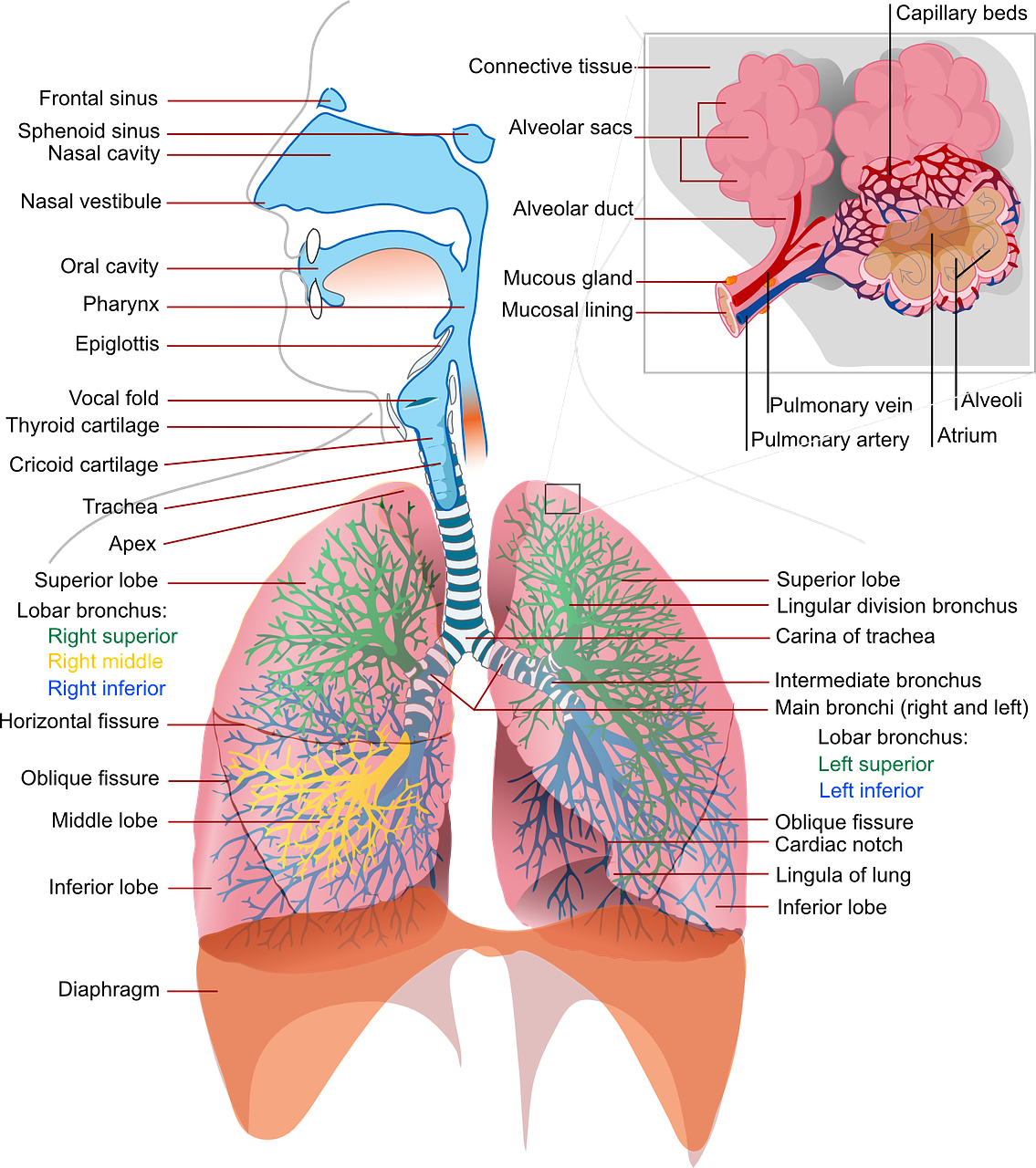
The human respiratory system
The respiratory tract including the nose, sinuses, mouth, throat, trachea, bronchi in blue and the lungs (pink). Infections can involve the breathing organs from the nose all the way down to the lungs. (photo complimentary from Pixabay)
  1. If your doctor thinks you have “the flu”, you probably do.

Prior to the availability of the “rapid flu” test, we doctors diagnosed influenza the characteristic symptoms, confirmatory findings on exam, and knowing there was an outbreak in the community. The test is not absolutely necessary but is helpful for confirmation in the event the illness doesn’t progress as expected. Besides, we can charge for it and patients have come to expect it now.

3. The best way to prevent influenza is by vaccination.

The World Health Organization (WHO), Centers for Disease Control and Prevention(CDC) , the National Foundation for Infectious Disease and every other reputable medical organization recommends vaccination against influenza. People refuse vaccination (some even at recommendations of physicians) because they believe it is ineffective, unnecessary, dangerous, toxic, unnatural, subversive, and who knows what else. And  I don’t think I or anyone else am going to change their minds.

My family and I always get vaccinations which have successfully protected us without side effects or adverse reactions. There are risks, just like there are with any medical procedure, or lots of other things we do in life. In this case we have decided the benefit outweighs the risk.

  1. If you want to avoid getting influenza, avoid being around people who may be infected.

This means everyone, since one may be contagious 2 to 3 days before symptoms. It’s not a coincidence that influenza outbreaks coincide with the American holiday season (approximately November through January). So to protect us all,

  • Stay home if you are sick, and ask your family, co-workers and employees to do the same.
  • Cover your nose and mouth when coughing or sneezing
  • Wash your hands frequently.
  • Wash frequently touched surfaces frequently.
sign saying wash your hands
  1. If you do get sick, don’t ask your doctor for an antibiotic.It will not help. 

    Antibiotics attack bacteria. Influenza and 99% of all respiratory illnesses are due to viruses.

There are 4 antiviral drugs that will “shorten the duration and severity of symptoms” by 1-2 days, if started early. The effectiveness is uncertain for an illness that will resolve within 10-14 days regardless. But if it gets you back to school or work a day earlier, it may be worth the cost-they are not cheap drugs.

Otherwise, the treatment is“symptomatic” or “supportive” care:

  • Rest; eat and drink as normally as possible; extra fluids if running a fever 
  • Non-prescription cough/congestion /pain/fever meds

Here are  general guidelines  on what to do if you get a respiratory illness.

  1. You can die from influenza, but you probably won’t.

I cringed last year when a friend wrote on her social media page, “My doctor said, ‘No one dies of the flu’.” And, technically, that is true. People die from complications of influenza, and infants, young children and the elderly have greatest risk.The most common fatal complication is bacterial pneumonia, infection in the lung. Influenza can also attack the nervous system causing brain inflammation (encephalitis and/or meningitis) and paralysis in the form of Guillain Barre syndrome .

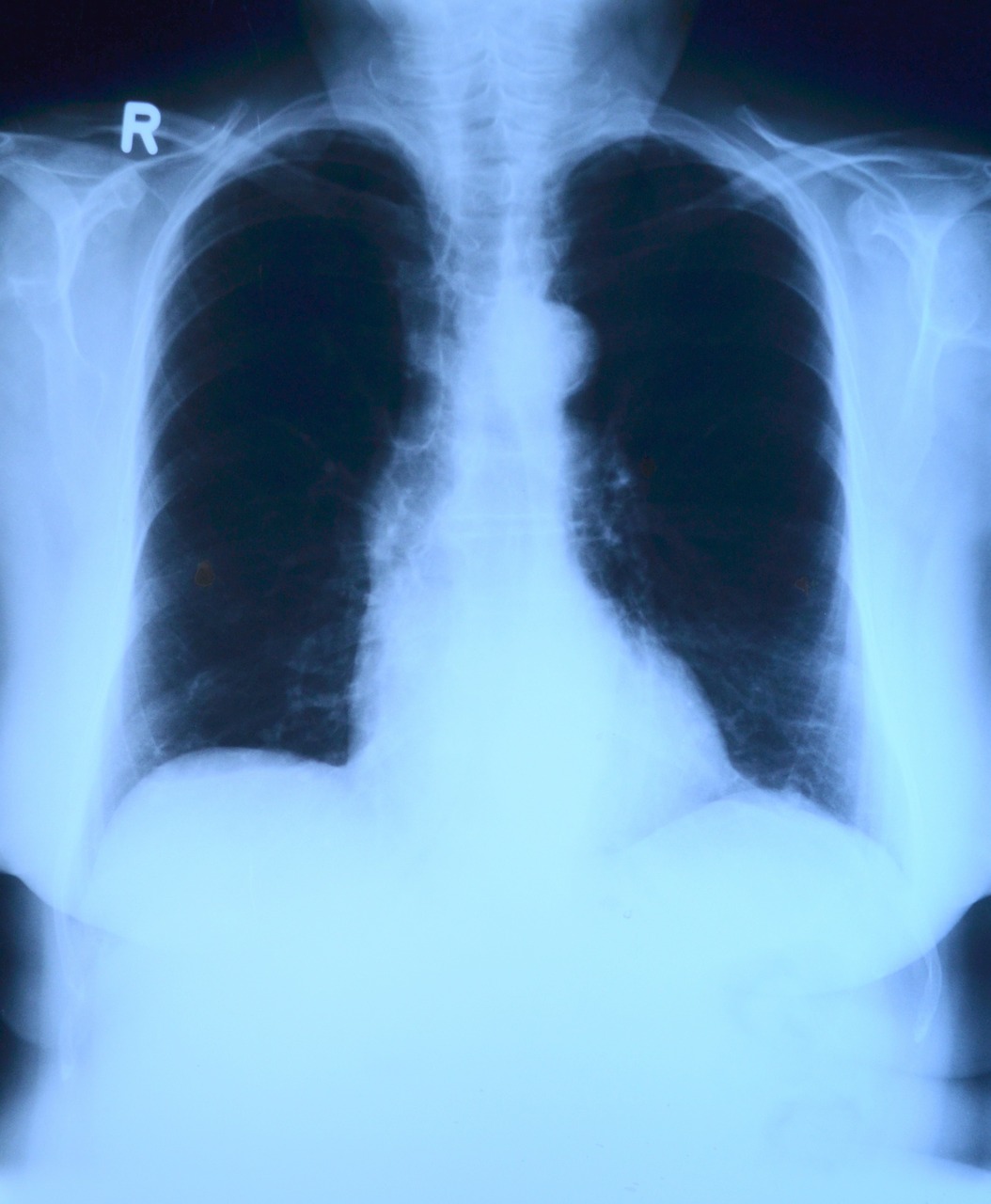
an xray of healthy lungs with no signs of pneumonia.
Healthy lungs with no signs of pneumonia.

Persons with chronic illnesses like diabetes, lung disorders, depressed immune systems and cancer are at greater risk of complications and should always consult a physician if feeling ill. If you are not sure if you fall into that category, ask your doctor.

Influenza is a disease to take seriously; consider my suggestions, talk to your doctor, and stay healthy this season.