What is the most common disability world wide? What most commonly causes workplace absence?
Would you be surprised that it is low back pain?
Pain in the spine, including the neck and back, affects 85% of people at some time. I’ve had it, my husband has had it, and likely you have too. Low back pain causes $7.4 billion in lost revenue from lost or decreased workplace productivity. Add to that the health care costs and it exceeds $100 billion.
Let’s explore what causes back pain, and what we can do about it, focusing on non-drug non-surgical methods.
BASIC POINTS
This post will explain some of the treatments which are backed by medical studies and recommended by medical experts.
We should use medication and surgery when appropriate, but when these can’t be used or are not helpful, we can consider alternative methods, or what I and other doctors prefer to call complementary or integrative treatment.
This post focuses on symptom relief, not necessarily curative treatment.
Herbals and supplements are drugs and can be effective for certain conditions, but this post will discuss non-drug treatments only.
Many cases of back pain improve spontaneously with no specific treatment.
Almost everything works sometimes.
There are few if any down side to any of these treatments. Used under supervision they are unlikely to have adverse side effects or result in long term complications.
The most important ingredient in managing a chronic or persistent condition is having a therapeutic relationship with your physician and other healthcare professionals- physical therapist , mental health counselor, nutritionist.

I do not recommend you pursue any of the treatments mentioned in this post without first consulting a qualified health professional about your condition.
What causes back and neck pain
Pain in the spine results from many medical conditions, ranging from minor to life threatening. Most cases are due to routine or excessive physical activity or a minor injury causing strain of the muscles, tendons, and ligaments, and will go away with no or minimal intervention in less than 12 weeks.
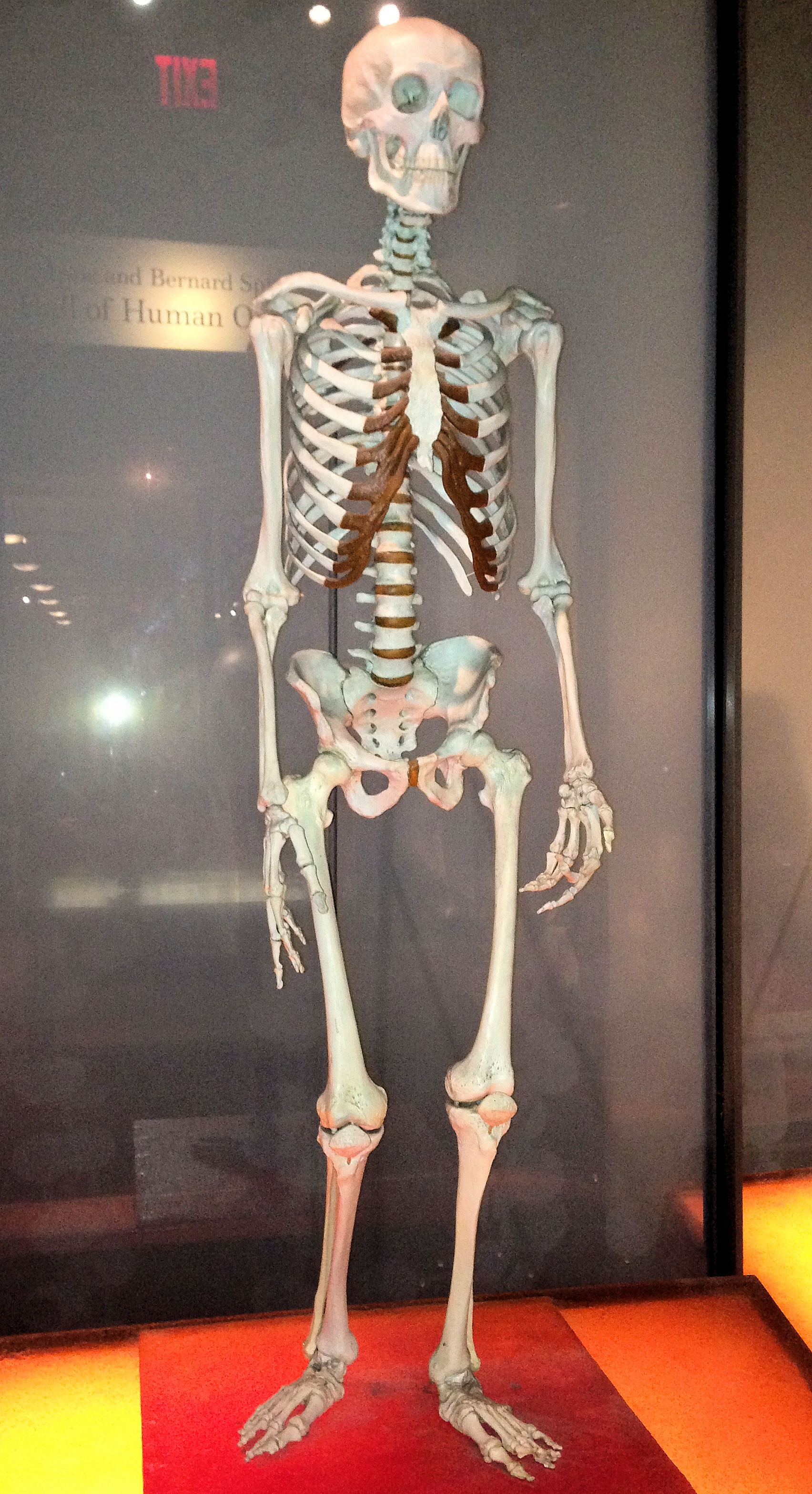
Some cases are due to serious but treatable conditions like
- Infection
- Major injury, causing broken bones (fractures) or more severe injury to the muscles and nerves.
- Cancer of the spine, which may have started somewhere else in the body and spread to the bones, called metastasis.
- Various forms of arthritis- degenerative, rheumatoid, psoriatic
- Disorders of the intervertebral discs, the soft jelly like cushions between the bones of the spine, the vertebrae
- Fibromyalgia– a disorder characterized by widespread musculoskeletal pain accompanied by fatigue, sleep, memory and mood issues. Researchers believe that fibromyalgia amplifies painful sensations by affecting the way your brain processes pain signals.
Managing pain in the neck or spine
The first step in treating back pain is to identify the underlying cause and treat that appropriately, which might involve anti-inflammatory medication, antibiotics, surgery, chemotherapy, radiation, and/or injections.
But sometimes pain persists after these treatments, or none of those treatments are appropriate or effective.
Medications for back pain
Patients often expect, and doctors have traditionally turned to pain relieving medications starting with the non prescription drugs like acetaminophen (Tylenol) and the anti-inflammatories called NSAIDS. A muscle relaxer might be added if muscle spasm is present. If those are not sufficient, the next step was often narcotics or opioids.
But we know that the benefit and effectiveness of these drugs do not always outweigh the side effects and risks so we look harder at non-drug methods to relieve pain. And studies comparing them indicate they can be as effective if not more so than drugs.
More about this at my related post
7 overused drugs
Integrative medical treatments for back pain
Lifestyle changes
Back pain sufferers should start by avoiding or modifying activities that cause or aggravate back or neck pain .
- In the workplace- more frequent breaks, limits on lifting, a different chair, adjusting the height of a desk or computer monitor or keyboard.
- At home- changes in performing chores like vacuuming, mopping, gardening, laundry.
- Smoking may not cause back pain, but use of tobacco seems to increase the risk of developing back pain. Another good reason to not start or to stop if you already start. 7 surprising reasons to be smoke free
- Excess weight also contributes to back problems,maybe by putting more stress on the spine, or by limiting physical activity. Losing those extra pounds or kilograms may decrease pain. Obesity and pain- you can lose both this year
Physical activity/Exercise for spine pain
All guidelines for back pain treatment encourage continued physical activity rather than bedrest, and agree than any activity is better than nothing.
Some of the frequently recommended activities include
Meditative movement therapies are exercises that include body movement or positioning and focus on breathing and relaxation. Examples include Tai chi and yoga.


Other types of exercises which involve a combination of stretching and strengthening, as well as aerobic conditioning. This includes Pilates and other exercise, walking, jogging, dancing, swimming, and many sports.


When using any exercise to treat back pain you should consider working with a certified instructor who is aware of your condition. Don’t do any positions or movements that cause or aggravate the pain.
Topical therapies
-
- Heat and/or ice applications
- Hydrotherapy or aquatics – the use of water or an aquatic environment (includes exercise in water)


Manual therapy
- Massage
- Spinal manipulation, osteopathic or chiropractic
Acupuncture/Acupressure
Acupuncture, a staple of traditional Chinese medicine, which is becoming more popular in the Western world, uses very fine needles to stimulate various pressure points around the body and re-shift the body’s balance of energy. The practice is also thought to improve blood flow and increase levels of the body’s natural pain-relieving chemicals. Acupressure uses the same principle with pressure instead of needles.
An acupressure mat (affiliate link)


Dr. Michelle Ramirez explains more about acupuncture and its uses at this link.
A look at acupuncture
Mindfulness based stress reduction/CBT(cognitive behavioral therapy)
Does the way you think affect pain? Apparently so. Studies show that “mind-body” approaches that reduce stress and enhance relaxation can reduce functional limitations and distress from back pain.
WebMD explains how this works-
“Cognitive behavioral therapy (CBT) is a form of talk therapy that helps people identify and develop skills to change negative thoughts and behaviors.
CBT says that individuals — not outside situations and events — create their own experiences, pain included.
And by changing their negative thoughts and behaviors, people can change their awareness of pain and develop better coping skills, even if the actual level of pain stays the same.”
Managing Chronic Pain: A Cognitive-Behavioral Therapy Approach
The North American Spine Society offers
10 Tips for a Healthy Back

The product links in this post are for illustration only, and do not imply endorsement.
Please share this post on social media and follow this blog.
In a future post I will talk about how to manage other types of pain, and use of non-drug treatments for other conditions.
exploring the HEART of health with you.
Dr. Aletha
I’m pleased to share this post at

This affiliate link can help you get fit at home on your own terms. I am enjoying working out with the Aaptiv trainers. Give it a try.