updated February 7, 2026
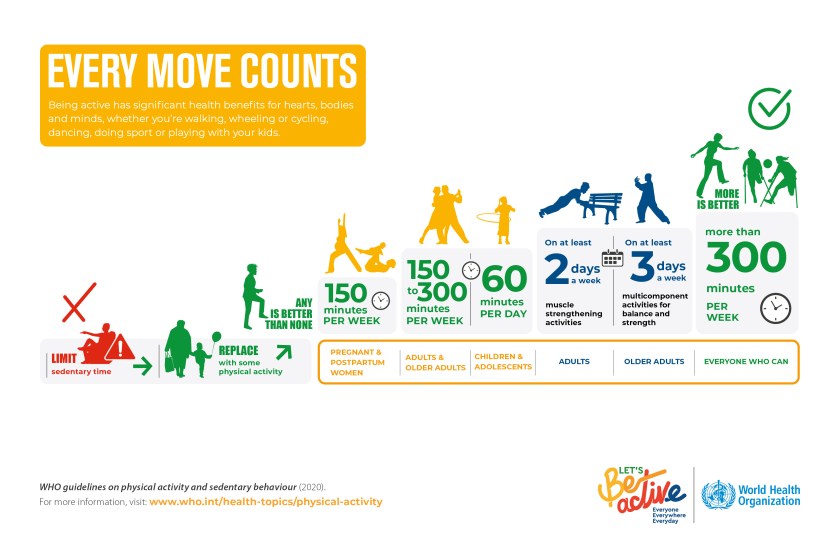
Do you do some type of physical activity regularly, or wish that you did?

You probably know that medical experts recommend physical activity; it not only helps us feel and look better, but it can even prevent certain chronic illnesses and delay death.
“Physical inactivity is a silent threat to global health, contributing significantly to the burden of chronic diseases,” said Dr Rüdiger Krech, Director of Health Promotion at the World Health Organization (WHO.
“We need to find innovative ways to motivate people to be more active, considering factors like age, environment, and cultural background.
By making physical activity accessible, affordable, and enjoyable for all, we can significantly reduce the risk of noncommunicable diseases and create a population that is healthier and more productive.”
Ask yourself these questions :
- Has your doctor told you to increase physical activity to treat a chronic condition or to prevent one?
- Do you need to lose weight, lower your blood pressure, control your blood glucose(sugar) or cholesterol?
- Do you want to feel more fit, stronger, and energetic?
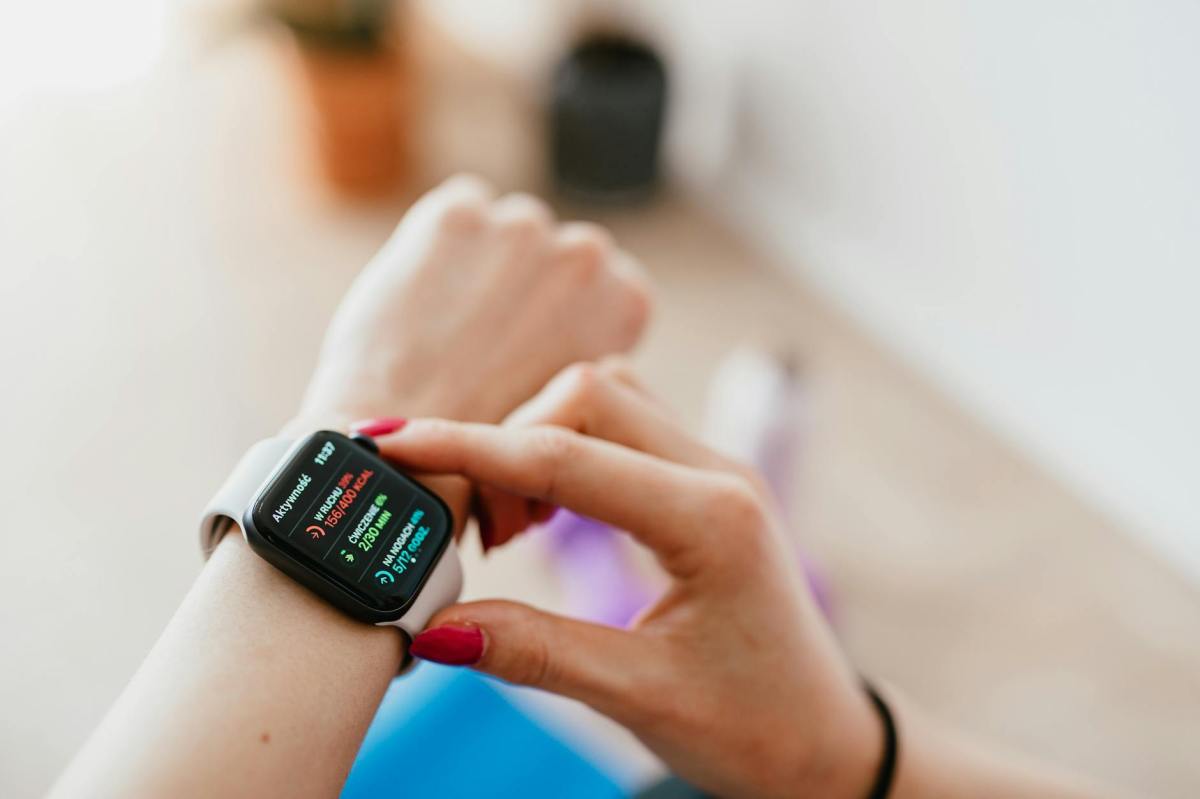
If you answered yes to any of these, and you own a smartphone, consider wearing a smartwatch or tracker like Google Fitbit. I’ve worn a Fitbit watch for several years and find its benefits invaluable. (This is an affiliate link.)
A fitness app can
- Motivate you to be more active
- Monitor your compliance with activity
- Measure your progress, and
- Manage data that you and your doctor can use to improve your health.
Helpful features in a health/fitness app
- Has a user-friendly interface
- Easy to initiate
- Reliability during the activity
- Includes a goal-setting option
- Offers real-time feedback
- Customizable to user
- Expert consultation available
- Incorporates behavior change techniques based on science
- Syncs with other apps and devices/computers for review and sharing
- Supports social networking
- Offers periodic summaries
GoogleFitbit
Fitbit’s new AI-powered personal health coach is a fitness trainer, sleep coach and health and wellness advisor that work together to offer personalized recommendations and insights. All eligible Android Premium Fitbit subscribers in the U.S. can try it now in Public Preview, and offer feedback (iOS coming soon).
Fitbit is approaching this work thoughtfully and iteratively, grounded in science and with feedback from the scientific community and users. They continuously validate the coach for safety, helpfulness, accuracy, relevance and personalization, based on data from more than 100,000 hours of human evaluation from generalists and experts in areas like fitness, family medicine, sleep and behavioral science.

Exploring the HEART of Health
Thank you for reading this post. Please follow this blog and me on social media.
I share information and inspiration to help you transform challenges into opportunities for learning and growth.
Add your name to the subscribe box to be notified of new posts by email. Click the link to read the post and browse other content. It’s that simple. No spam.
I enjoy seeing who is new to Watercress Words. When you subscribe, I will visit your blog or website. Thanks and see you next time.
Dr. Aletha
- About Dr. Aletha
- How to Use this Site
- Make Your Life Easier
- Search by Category
- Share the HEART of health
- my Reader Rewards Club
- RoboForm Password Manager