How watercress is like a tomato

Like tomatoes, watercress is used as a fresh salad vegetable or in cooked dishes. And like tomatoes, watercress has a dual identity.

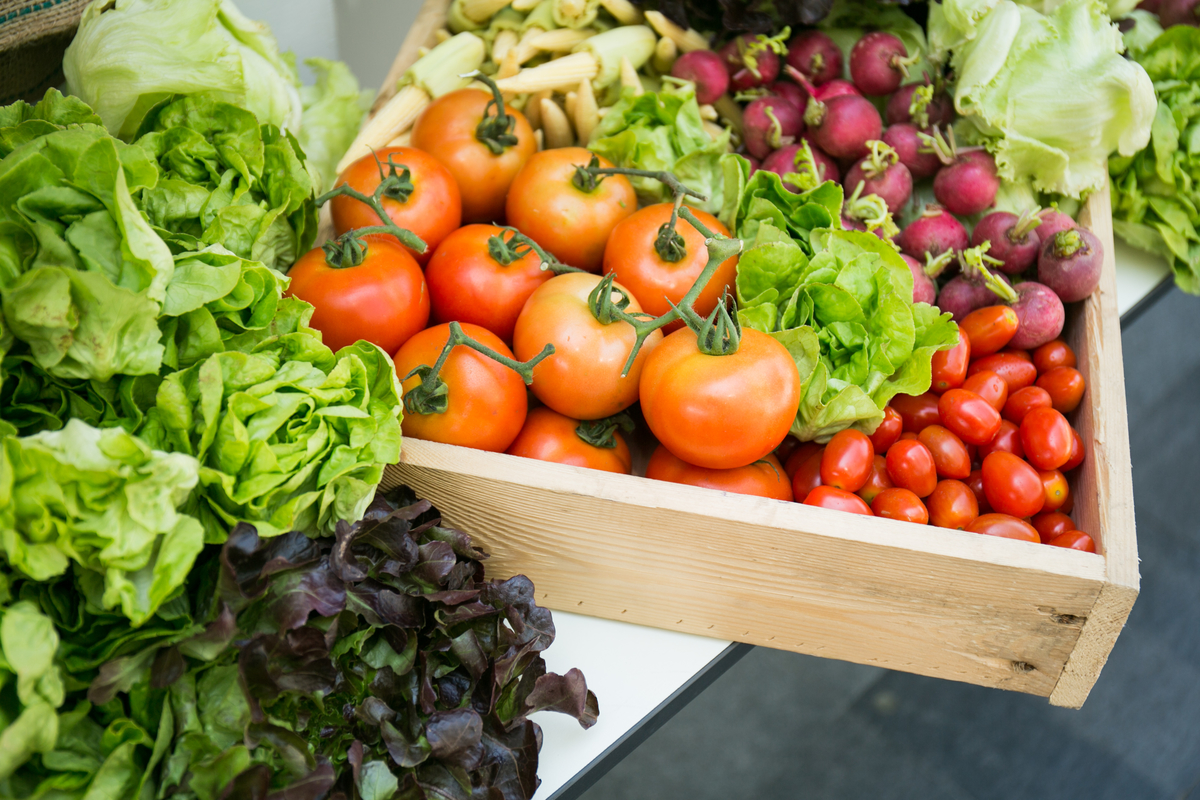
We all know a tomato is a vegetable. We cook it in soups, stews, and chili. We pair it with leafy green vegetables in salads. Cookbooks list it with other vegetable recipes

But plant science categorizes tomatoes as fruit.  Anything that grows on a plant and is the means by which that plant gets its seeds out into the world is a fruit. Another way to say it is

“the usually edible reproductive body of a seed plant; especially : one having a sweet pulp.”

Merriam-Webster.com
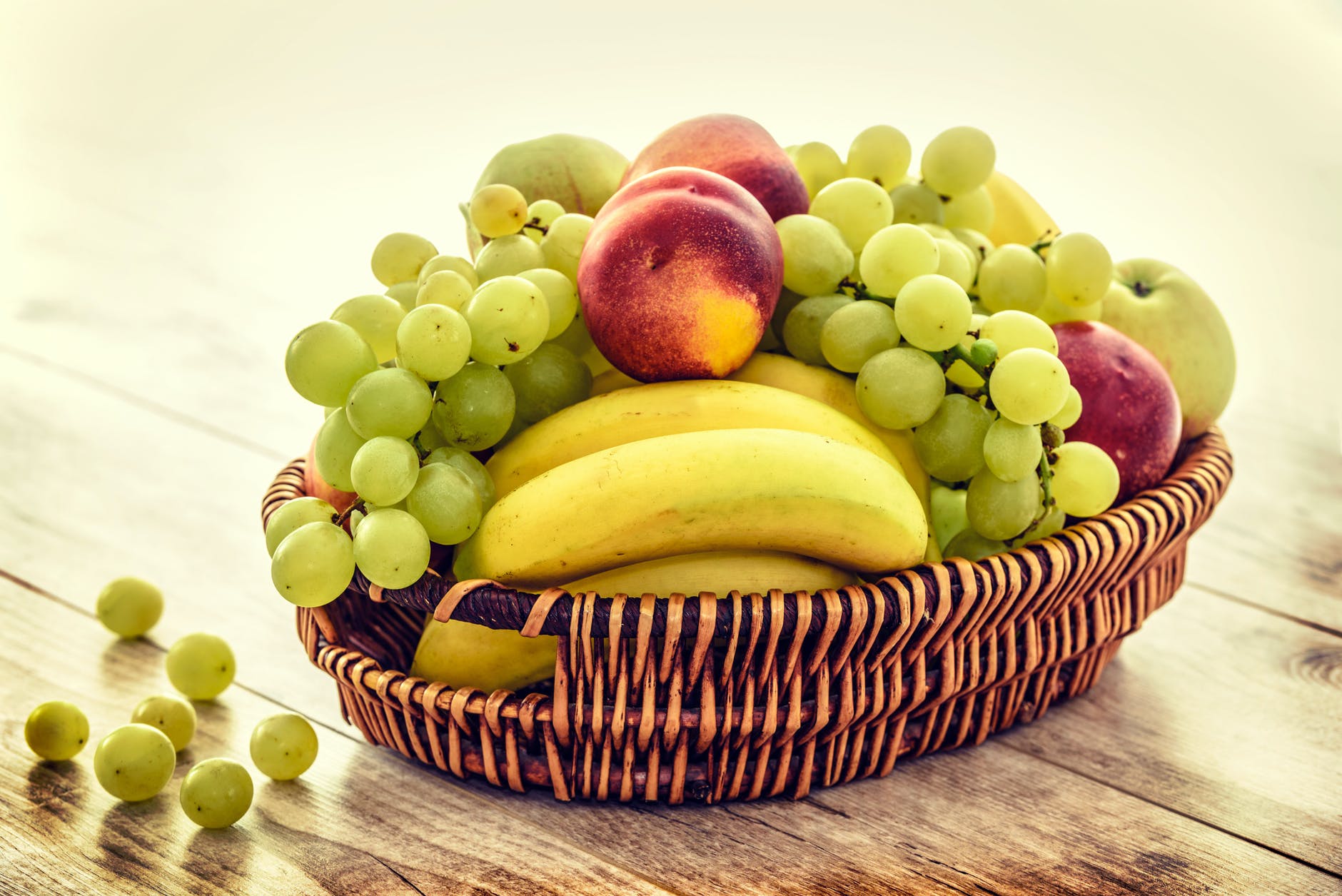
Photo by PhotoMIX Company on Pexels.com

A banana is an elongated, edible fruit – botanically a berry – produced by several kinds of large herbaceous flowering plants in the genus Musa.

“not a dessert”

But the most convincing reason to call a tomato a fruit, is because the Supreme Court said so.

In 1893, the high court ruled on whether imported tomatoes should be taxed under the Tariff Act of 1883, which only applied to vegetables and not fruits.

Although both sides cited dictionary definitions of the two words, the court sided unanimously with the vegetable lobby although acknowledging the scientific fact.

Justice Horace Grey summed up the argument succinctly:

“Botanically speaking, tomatoes are the fruit of a vine, just as are cucumbers, squashes, beans, and peas,”

“But in the common language of the people … all these are vegetables which are grown in kitchen gardens, and which, whether eaten cooked or raw, are, like potatoes, carrots, parsnips, turnips, beets, cauliflower, cabbage, celery, and lettuce, usually served at dinner in, with, or after the soup, fish, or meats which constitute the principal part of the repast, and not, like fruits generally, as dessert.”

Justice Horace Grey
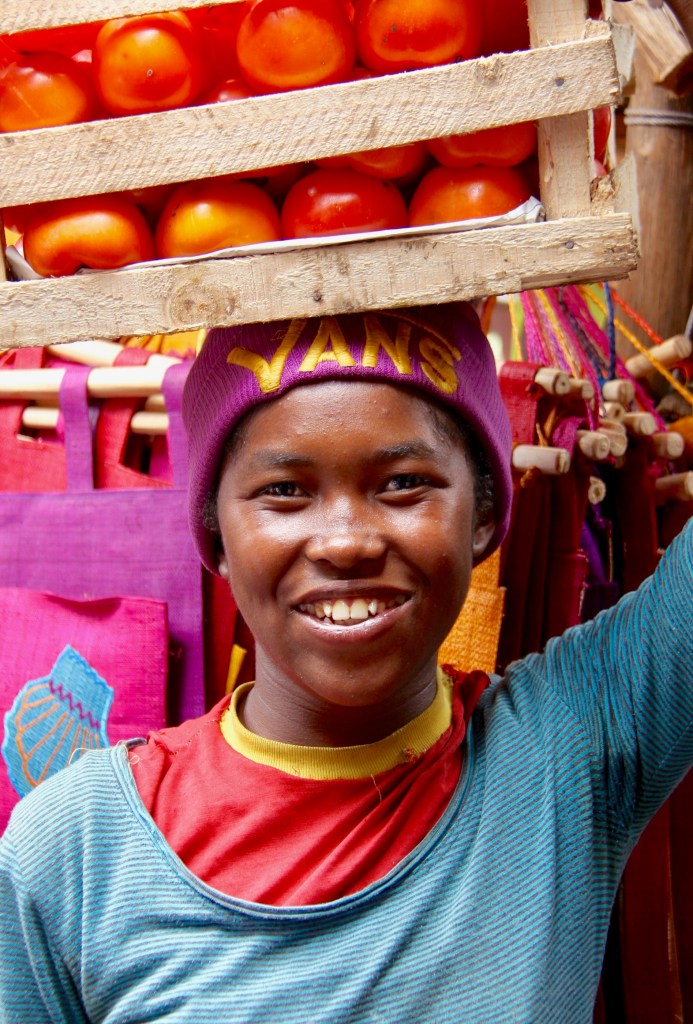
A young African woman with a crate of tomatoes on her head
photo of a young woman in Madagascar carrying a box of tomatoes on her head
by Bob Birkbeck, LIGHTSTOCK.COM

We usually find fruits sweeter than vegetables. Botanically speaking, any part of a plant that develops from the ovary of a flowering plant is a fruit, while all other parts of the plant are considered vegetables.

But tomatoes as well as cucumbers, avocados, olives, green peppers, pumpkin, and zucchini are technically fruits, even if they are used as vegetables in meals.

So how is watercress like a tomato?

Watercress is a vegetable-a green, leafy, cruciferous vegetable. Part of the Cruciferae or Brassicaceae family, it is related to other vegetables like cabbage, Brussels sprouts, broccoli, cauliflower, and radish.The watercress plant does produce fruit, but we don’t eat them.

Like tomatoes, watercress is used as a fresh salad vegetable or in cooked dishes.

Versatile watercress can be enjoyed as a salad vegetable, in soups and smoothies, in cooked dishes such as stir-fries, sauces for pasta,on pizza, and fish dishes.

According to the U.S. Fish and Wildlife Service, watercress has
  • Stems succulent, hollow, and much branched, 1 to many, 4–25 in. long, rooting at nodes.
  • Leaves pinnately divided; leaflets 3–7, oval to egg-shaped, entire to wavy-edged.
  • Flowers small(6 mm, diameter) in terminal clusters, white.
  • Sepals, erect, green, about 3 mm long;
  • petals white,about 4 mm long and 4 long stamens (male part) attached near their bases to the filaments.
  • Ovary about 3 mm long, style short, stigma with two lobes.
  • Fruits borne on spreading pedicels and slightly curved upward. The double row of seeds in each half of the siliqua is a well-marked character. (Siliqua is a narrow elongated seed capsule peculiar to the family Cruciferae.)
    The valves of the ripe siliqua beaded; seeds suborbicular and compressed, with 25 alveoli on each side of the testa(protective outer layer).

I have no training in botany so I understand little of this, but I surmise that the fruit of the watercress has to do with reproduction, since other “fruits” have seeds. But I don’t think we can call watercress a fruit.

a drawing of a nastutium plant-watercress
But like tomatoes, watercress has a dual identity; watercress is a vegetable, but it is also an herb.

Watercress is an aquatic or semi-aquatic perennial herb with bright white flowers that resemble the shape of a cross; hence, an old name (Cruciferae) for the mustard family, to which watercress belongs.

Watercress by Dave Moore
Nasturtium officinale W.T. Aiton - watercress NAOF

Watercress is a

  • freshwater, aquatic flowering plant
  • an invasive weed
  • a cruciferous vegetable
  • a perenniel herb with nutritional and medicinal properties

Learn more about herbs here
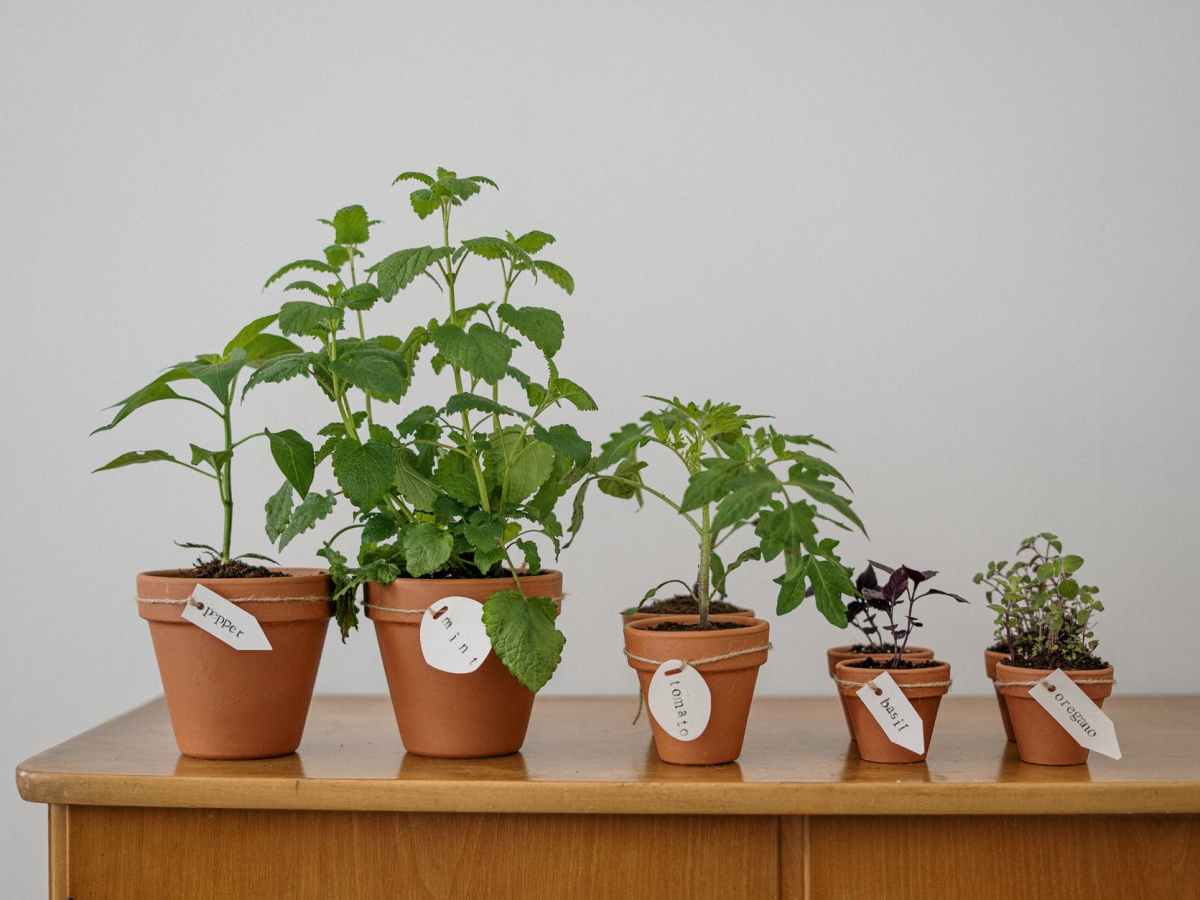
Watercress and other Herbs

An herb comes from the green leaf of a plant. In American English the H is silent.
And an apple is still a fruit Dr.Aletha

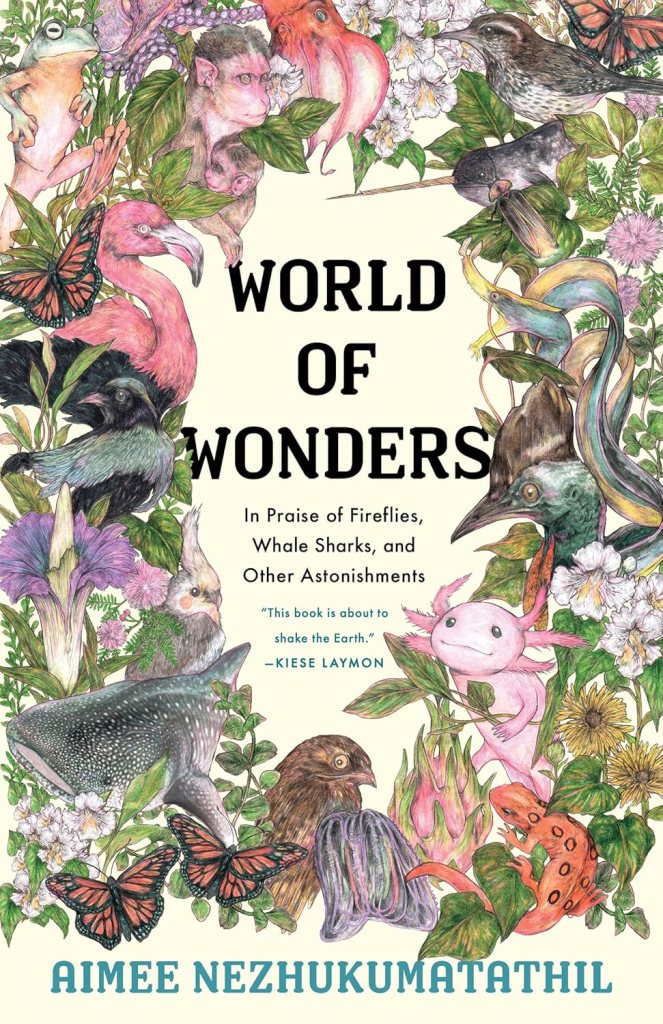
World of Wonders-a book review

This post reviews “World of Wonders” by Aimee Nezhukumatathil, a collection of mini memoirs celebrating the marvels of nature. Through personal stories and insights, the author connects human lives to those of other living creatures, inviting readers to appreciate Earth’s diversity. Supported by exquisite illustrations, the book offers a captivating exploration of the extraordinary world around us.

updated November 7, 2025

WORLD OF WONDERS

In Praise of Fireflies, Whale Sharks, and Other Astonishments
by Aimee Nezhukumatathil
illustrated by Fumi Mini Nakamura

I frequently review health books on this blog, but you might not call World of Wonders a medical or health book. But if you’ve read some of my other book reviews, you realize I use that definition loosely. 

The Author-Aimee Nezhukumatathil

Aimee Nezhukumatathil teaches English and Creative Writing in the University of Mississippi’s MFA program. Born in Chicago to immigrant parents, she has lived in Kansas, Arizona, Ohio, Iowa, New York, and Florida. Now she resides in Oxford, Mississippi with her husband and children.

Aimee has won numerous awards for her poetry. This book was the Barnes and Noble Book of the Year 2020, which is how I found it, while browsing in the store.

CHICAGO PUBLIC LIBRARY
The Chicago Public Library, photo by Dr. Aletha

(The photos I’ve used in this post are from my personal albums, not from the book or connected to it.)  

The health/medical connection stems from the author’s parents, Paz and Mathew.  Ms. Nezhukumatathil’s parents worked in healthcare during her growing-up years. She dedicated this book to them. Now retired, they live in Florida and raise oranges.

Sometimes her parents lived apart, while working in different states. Her father, an immigrant to the United States from India, worked long hours as a respiratory therapist in a neonatal intensive care unit, NICU, at Good Samaritan Hospital in Phoenix, Arizona.

Yet every weekend we headed for the hiking trails of Camelback Mountain. I never saw any other Asian American there; I don’t know if my father noticed…I didn’t know anyone else’s dad who took the time to do this with his kids. 

During one assignment, the author and her sister lived with their mother in Kansas-on the grounds of a mental hospital. As a Filipina foreign-born psychiatrist, she treated mentally ill persons, some of whom “hurled racist taunts and violent threats” against her regularly. 

We lived on the grounds of the mental institution, something no kids had done in decades, and the school district had to create a bus stop just for us. When I climbed the steps, I imagined myself a narwhal, with one giant snaggletooth-a saber-to knock into anyone who asked if my sister and I were patients there. 

The Book’s Themes

Other than that, World of Wonders is not about medicine, at least not human medicine. Although there is a chapter about the Southern Cassowary, Casuarius Casuarius,  a bird that can and does kill people.

All chapters are named for and describe a variety of common, familiar animals and plants-

  • Peacock Pavo cristatus
  • Monarch butterfly Danaus plexippus
  • Firefly Photinus pyralis
  • Octopus-Octopus vulgaris
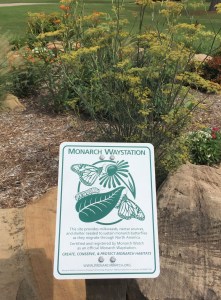
a monarch waystation to aid the butterflies' migration
a waystation in Oklahoma for monarchs on the annual migration

But she also describes in detail strange, unique creatures I had never heard of. 

  • Axolotl Ambystoma mexicanum
  • Touch-me-not Mimosa pudica
  • Narwhal Monodon monoceros
  • Catalpa tree Catalpa speciosa
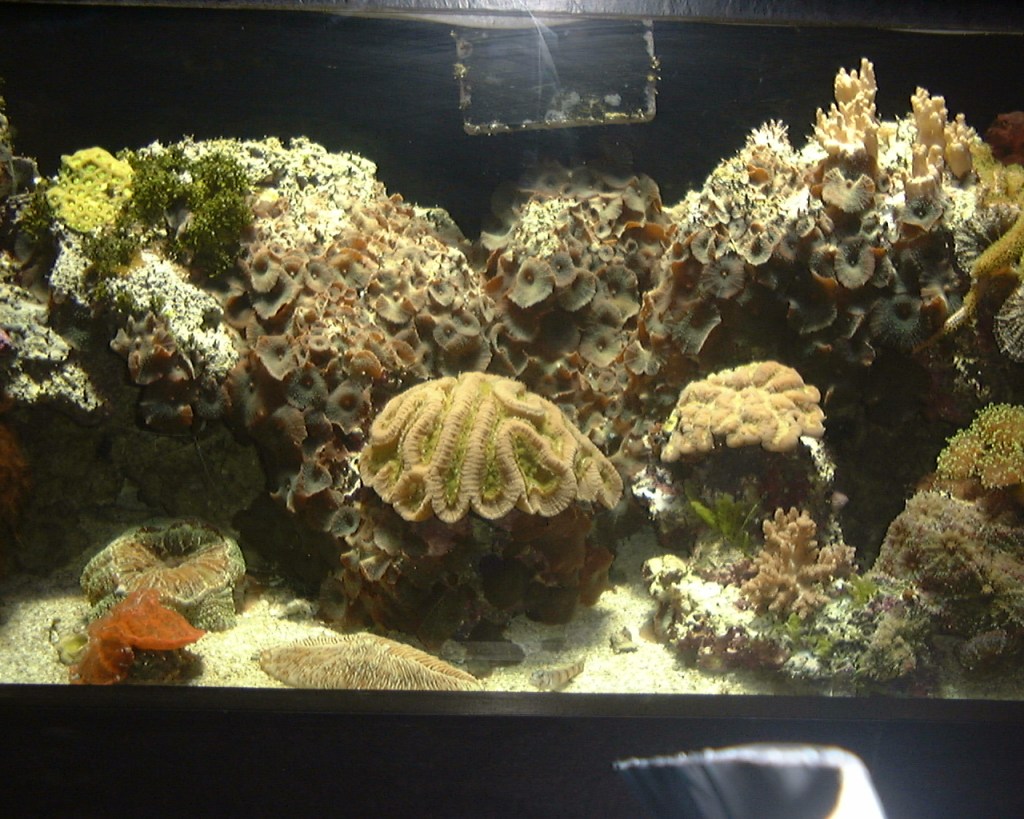
marine animals in an acquarium
marine life at the Shedd Acquarium, Chicago

In the essay Flamingo, Phoenicopterus ruber,  she reminisces about her freshman year in college when she and her girlfriends would go out dancing with an assortment of young men. 

We were like flamingos flying long distance, mostly at night. So many kidnappings happen in the dark, when we think we are safe, in a routine, in a place where “bad things like that” just don’t happen. When a flamingo flies in daylight, it does look comical, its long legs dragging down under the fluff of feathered torso.

Someone called the police to say they found her body the next day at a local park. 

Aimee is enamored over the Corpse Flower, Amorphophallus titanum, known for its “seriously foul smell.” She  dated a man who “didn’t wince when I said inflorescence.” He wanted to see a corpse flower for himself despite it being a plant whose smell is similar to 

what emanates from the bottom of a used diaper pail, a tin of sardines, and blue cheese salad dressing left out in the August sun

Since he was the only man who ever expressed such an interest, and who did in fact take a road trip with her to see a corpse flower, it’s not surprising he’s now her husband.

Throughout the essays (as the chapters were originally published) Aimee weaves stories about her life with her knowledge and insights about the unique plants and animals she loves to discover and explore. Sometimes it’s hard to tell where one leaves off and the other begins, as this excerpt from the essay Red-spotted Newt, Notophthalmus viridescens

I look back at the many moves my family made during my childhood and I begin to understand the red-spotted newt more clearly. (it) spends years wandering the forest floor before it discovers a pond to finally call home.

When you spend as long …in a search like this, you grow pickier, more discerning…

The Illustrator- Fumi Mini Nakamura

As much as I enjoyed the prose, the illustrations by artist Fumi Mini Nakamura are worth buying the book . The drawings complement the writing perfectly.

Fumi was born in Japan and at 12 years old moved to the United States where she and her family lived in Northern California. She graduated from San Jose State University with a BFA in Pictorial Arts.

Why I liked this book

 In these mini memoirs, Aimee shows us that our lives are not that different from the other living creatures with which we share this planet. By discovering the unique features of these non-human beings, we may better appreciate the diversity of earth’s human inhabitants.

In its pages she invites us to join her in discovering a World of Wonders.

Don’t take my word for it ; listen to the author explain why she wrote this book and hear her read an excerpt.

exploring the HEART of a World of Wonders

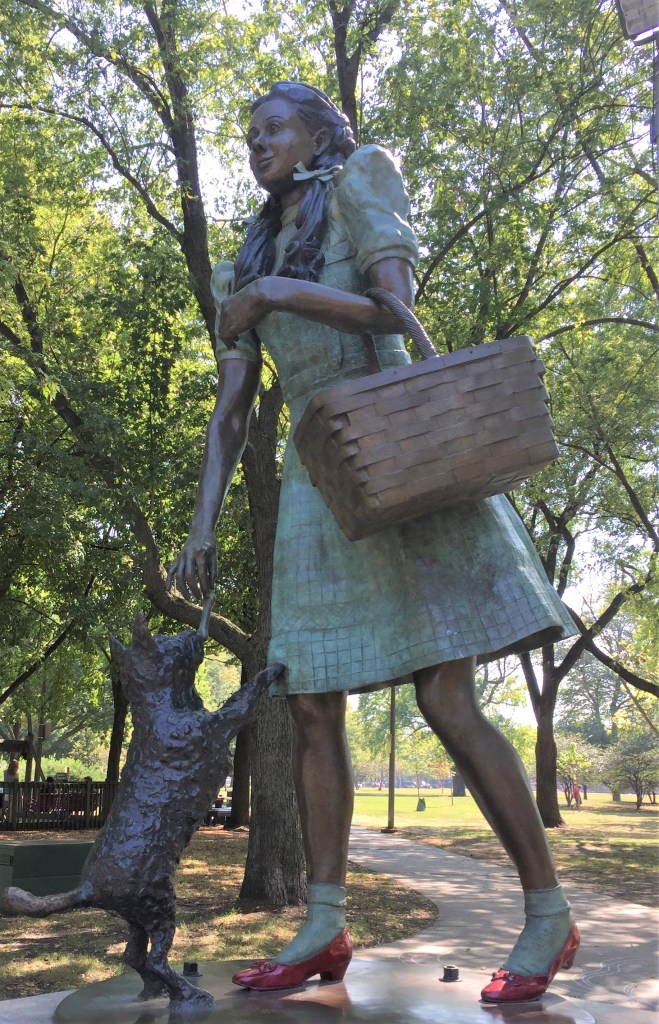
a statue of Dorothy and Toto from the Wizard of Oz
Like Dorothy in The Wizard of Oz, Aimee is not in Kansas now.
This statue is in a park in Chicago where I took this photo

I hope you enjoyed exploring World of Wonders with me. Please consider purchasing a copy through BOOKSHOP.ORG. (This is an affiliate link.)

I’d love for you to follow this blog. I share information and inspiration to help you transform challenges into opportunities for learning and growth.

Add your name to the subscribe box to be notified of new posts by email. Click the link to read the post and browse other content. It’s that simple. No spam.

I enjoy seeing who is new to Watercress Words. When you subscribe, I will visit your blog or website. Thanks and see you next time.

Post Images

I took all of the photos in this post. The cover image is from a wall mural at the Tulsa Zoo in Tulsa, Oklahoma.

Bookshop.org is an online bookstore that financially supports local, independent bookstores.

We believe bookstores are essential to a healthy culture and they are dedicated to the common good.

Bookshop.org donates a portion of every sale to independent bookstores.

I’d love for you to follow this blog. I share information and inspiration to help you transform challenges into opportunities for learning and growth.

Add your name to the subscribe box to be notified of new posts by email. Click the link to read the post and browse other content. It’s that simple. No spam.

I enjoy seeing who is new to Watercress Words. When you subscribe, I will visit your blog or website. Thanks and see you next time.

Dr. Aletha