This information is current as of the date of original publication or update. It may have changed by the time you read this. I invite you to fact-check what you read here.
Please do not use this information for diagnosis or treatment purposes. Before making health decisions, discuss with your physician or other qualified healthcare provider.
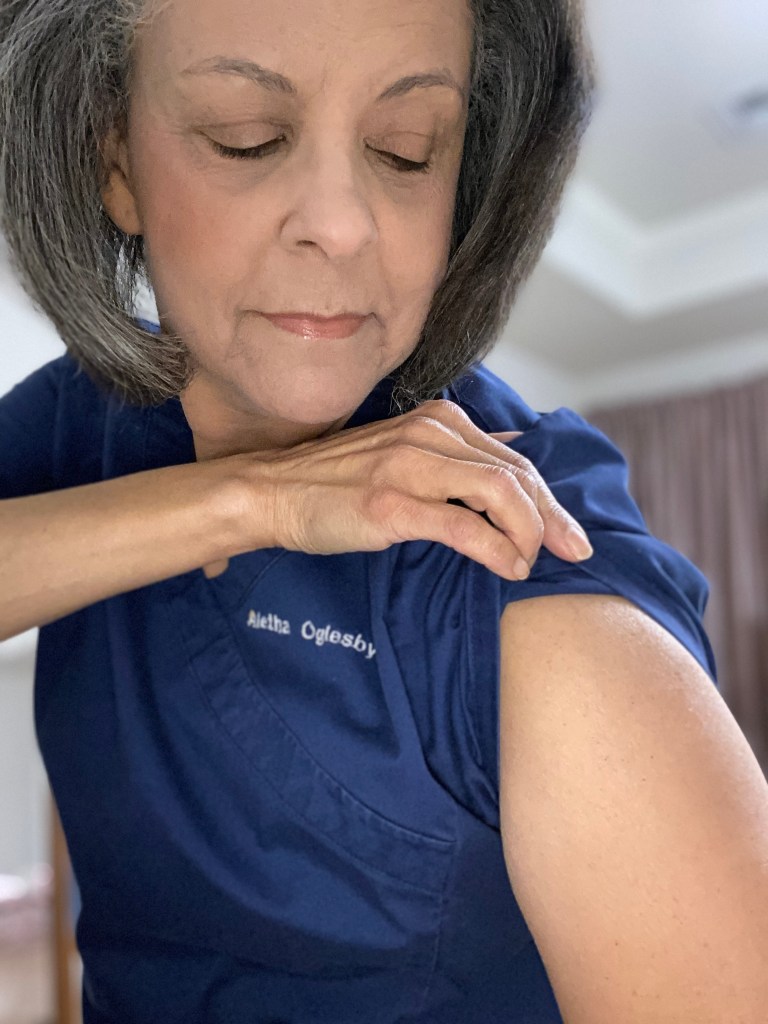
I received my first COVID-19 vaccination on January 6, 2021, a date that is easy to remember for the wrong reason.
(On that day, the United States Capitol was attacked by a crowd, attempting to stop the certification of the 202 Presidential election. The Capitol sustained significant damage and the lives of Congress members and the Vice President were threatened.)
Since then I have received all recommended boosters. And I have never had COVID-19, even when my husband had it. He had been fully vaccinated and had a mild case.
Information and misinformation
There has been much of both in the past year, some deliberate, some well intentioned, some valuable, some just plain wrong. Whenever possible, get your information directly from the source, not “a friend of a friend’s second cousin”. Here are some tips for finding reliable information
The post emphasizes the importance of responsible social media usage by highlighting various resources and strategies to combat misinformation. It discusses how emotional responses can be manipulated by disinformation and urges readers to critically evaluate content before sharing. We all have a responsibility to research claims and ensure truthfulness online.
Exploring the HEART of health
I’d love for you to follow this blog. I share information and inspiration to help you transform challenges into opportunities for learning and growth.
Add your name to the subscribe box to be notified of new posts by email. Click the link to read the post and browse other content. It’s that simple. No spam.
I enjoy seeing who is new to Watercress Words. When you subscribe, I will visit your blog or website. Thanks and see you next time.
We may not always recognize our or others’ biases but that makes them no less real. Whether unconscious- implicit or conscious-explicit, biases harm all of us by blocking communication and preventing relationships that could benefit everyone.
updated February 18, 2022
I have a “friend” I’ve never met in person. I connected on Facebook with Dr.T.M., an emergency room physician, due to our shared love of ballroom dancing. Usually her posts are lighthearted, full of news about her family, travel, and dancing. But recently she wrote a public post that tugged at my heart.
I am a proud Asian American. I am feeling hurt and saddened right now. I have dedicated my life to serving ALL people and it’s never been for money or fame. It’s been about the opportunity to give back to the America that took me in as a refugee. To pay it forward.
The recent hate crimes are the antithesis to my very existence, the opposite of every goal in my book. I do not see any good from hate and only unintended consequences. If I can only have one wish come true it would be that we find a way to use our differences to connect with one another. That we can speak and act from a place of love, not hate.
Forever and For always, love not hate.
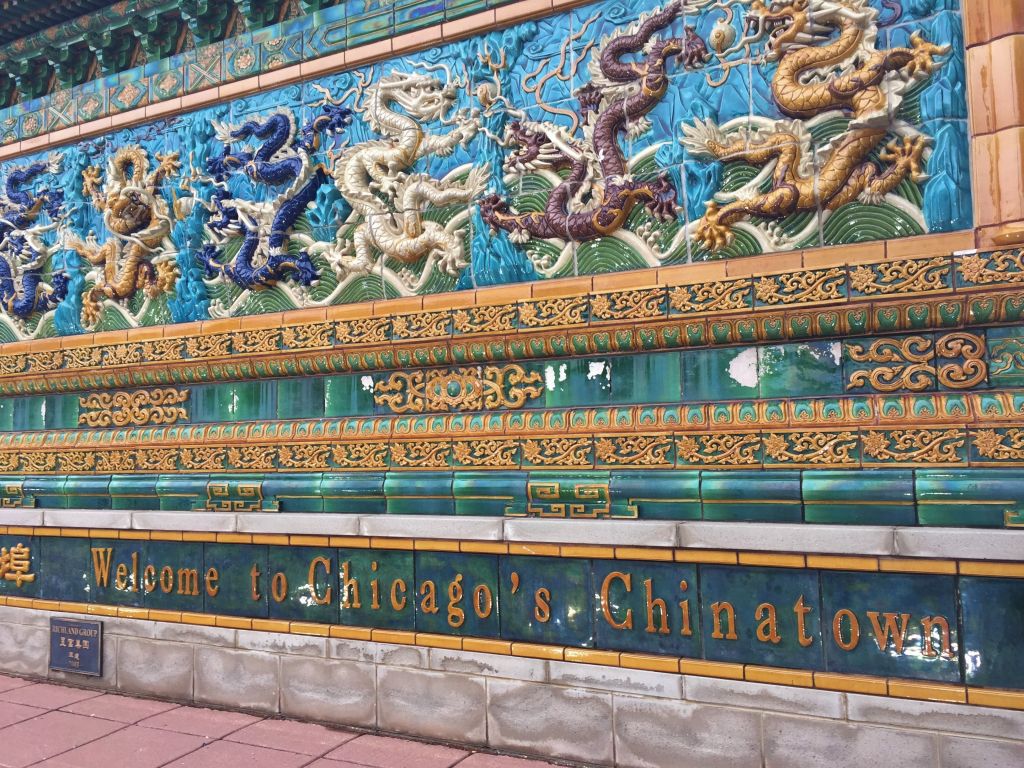
Mural in the Chinatown neighborhood of Chicago, IL
She of course is referring to recent acts of violence directed at Asian Americans, which isn’t new but aggravated by attitudes that blame the pandemic on them . Bigotry and bias directed toward any ethnicity isn’t new, but has become more blatant due to multiple recent events that highlight the inequities we allow to persist.
The pandemic has disproportionately effected persons of color.
Vaccination efforts have lagged in neighborhoods of color.
People of color “profiled” by law enforcement and other public authorities.
Laws and public policy which may restrict access to voting
Women underrepresented in the STEM fields and upper management of business.
The use of symbols and slogans that stigmatize and demean certain groups of people
Using offensive, demeaning names to characterize certain groups, and excusing it as “freedom of speech”
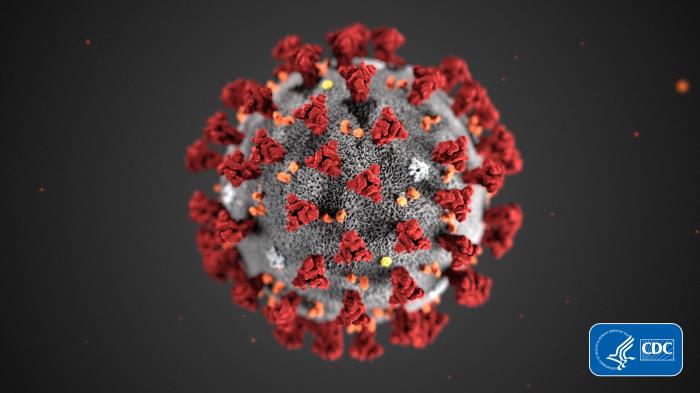
People who referred to the SAR-CoV-2 virus as “Chinese” perpetuated discriminatory stereotypes. But viruses don’t discriminate, neither do they recognize or respect international boundaries. They don’t carry passports or needs visas to roam the world.
“It’s like Asian American women can’t win,” says Jeff Yang, an author and cultural critic. “Asian American female athletes, like most Asian American women in many other spaces, are seen as worthy when they can deliver … and then disposed of otherwise.”
Chloe Kim, who won the halfpipe at the Beijing and Pyeongchang Olympics, has revealed she was tormented online daily. She says she was consumed by fear that her parents could be killed whenever she heard news about another brutal assault on an Asian person.
art décor on a building in Chinatown Chicago
The dichotomy of the Asian American woman’s existence is not limited to Winter Olympians, though. In October, Hmong American gymnast Sunisa Lee said she was pepper sprayed by someone shouting racist slurs while driving by in a car. At the time, she was standing outside with a group of Asian American friends in Los Angeles while filming the “Dancing with the Stars” TV show.
Bias is a prejudice in favor of or against one thing, person, or group compared with another usually in a way that’s considered to be unfair.
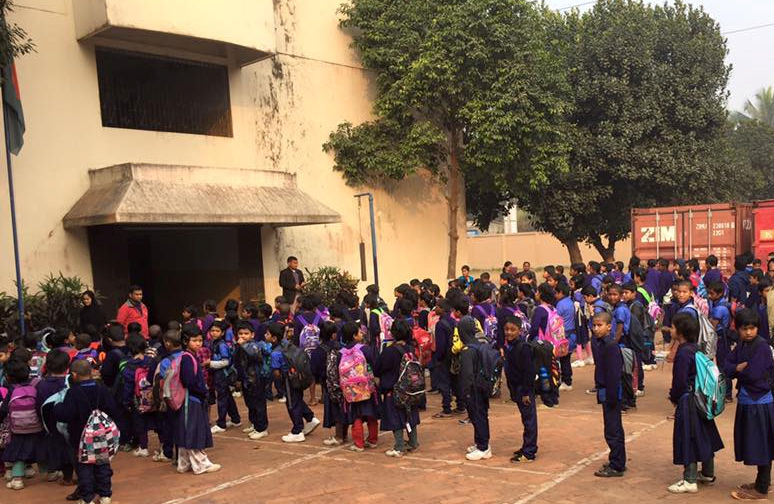
a school in Bangladesh, where my husband volunteered to teach computing
Implicit bias
But color or ethnicity aren’t the only factors that play into prejudice-one’s gender, age, religion, occupation, physical appearance and ability, education, income- are often used to judge a person’s worth.
Unconscious (implicit) biases are social stereotypes about certain groups of people that individuals form outside their own conscious awareness.
Lawrence Livermore National Laboratory
Healthcare is not exempt from implicit bias, and it works both ways. Doctors and other healthcare workers may behave differently toward patients based on gender, skin color, and ethnicity in ways that can negatively impact their care.
And patients may make assumptions about their providers, assuming status based on the same characteristics; for example, assuming that females are nurses, rather than physicians; or assuming a black male is an orderly rather than a surgeon.
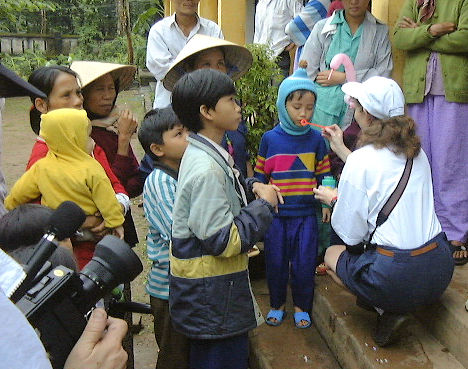
a VWAM volunteer team entertaining children in Vietnam
We may not always recognize our or others’ biases but that makes them no less real. Whether unconscious- implicit or conscious-explicit, biases harm all of us by blocking communication and preventing relationships that could benefit to everyone.
And ironically enough, we can even unconsciously violate our own conscious values!
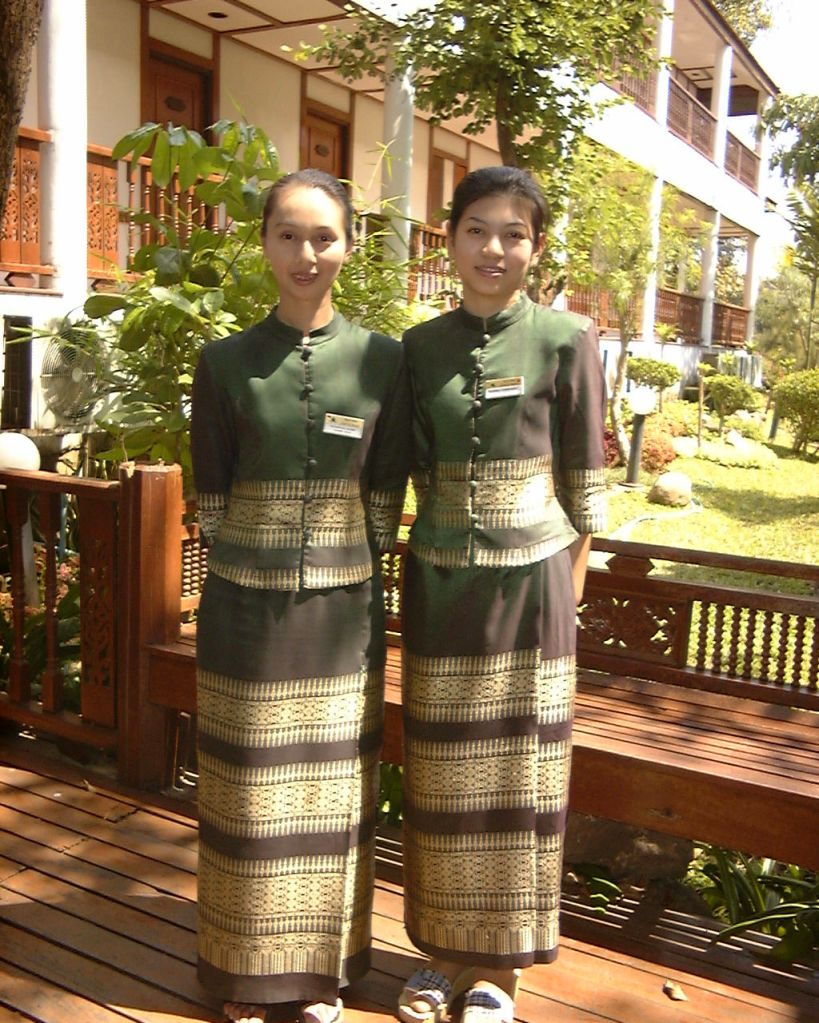
Two of the staff at a resort in Thailand where we stayed
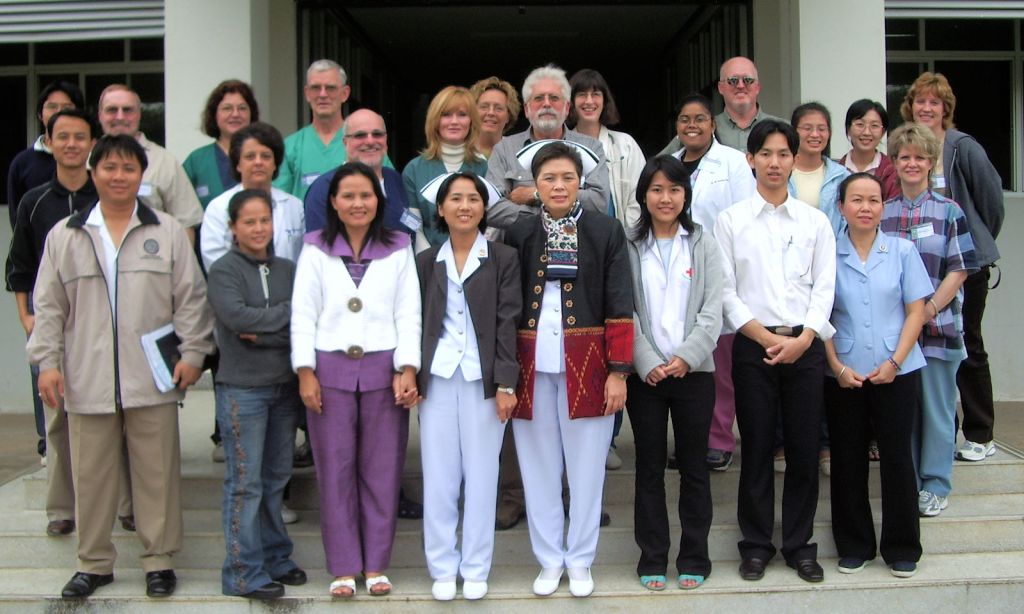
working with Thai healthcare professionals on a volunteer trip to Thailand (I am second from left, middle row.)
exploring the HEART of “love, not hate”
I hope you enjoyed the photos from some of my travels. And I hope this post caused you to recognize and examine your own biases-implicit and otherwise; I know I have. Perhaps you recognized ways you unintentionally perpetuate or tolerate undeserved and destructive bias.
If you enjoyed this post, please share with your social media friends, just use the sharing buttons below.
My husband and I visited Thailand with a medical teaching team.
This post was featured April 2, 2021.
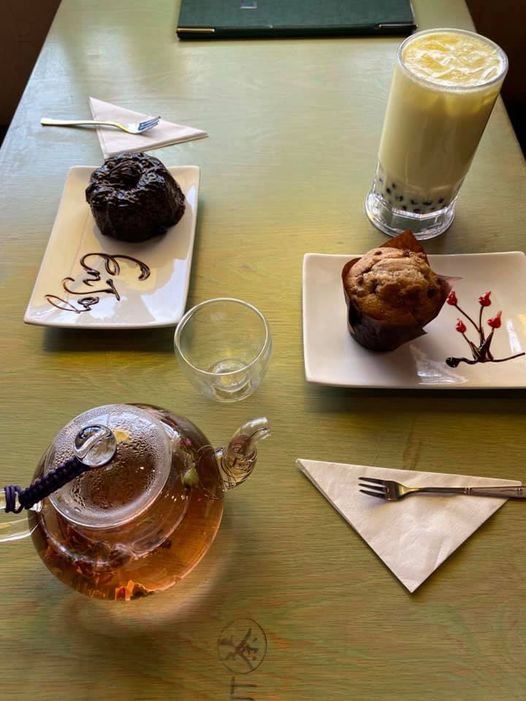
My granddaughter and I enjoyed afternoon tea and cake at a lovely Korean cafe in our town.
Dr Aletha
Use these links to share the heart of health wherever you connect.





 watercress words by Dr Aletha