My Reader Rewards Club is a great way to earn free books and Bibles for yourself, friends, and family! Sign up now, or find out how you can earn points through participating in activities.
As a member, you’ll have access to inspiring literature, Bibles, special promotional offers, and much more. Earning points is easy—you’ll receive 25 points just for signing up!
Exploring the HEART of Health
I’d love for you to follow this blog. I share information and inspiration to help you transform challenges into opportunities for learning and growth.
Add your name to the subscribe box to be notified of new posts by email. Click the link to read the post and browse other content. It’s that simple. No spam.
I enjoy seeing who is new to Watercress Words. When you subscribe, I will visit your blog or website. Thanks and see you next time.
Most fiction is based on real life, which is full of twists and turns related to our health and well being. Our state of health, good or bad, directs much of what we do, and can change suddenly and unexpectedly, and turn our lives upside down. Consider how many TV dramas are based in hospitals, involving health care workers, and sick or injured people.
I hadn’t planned on writing book reviews when I started this blog. I love to read so I recommended health and medical books that sounded interesting.
After that, I continued reviewing non-fiction medical books, including memoirs and biographies, medical history, health advice, books on dying, vaccination, nutrition, and medical care. I didn’t expect to review fiction, but I have.
“based on a true story”
That shouldn’t have seemed strange, since most fiction is based on real life, which is full of twists and turns related to our health and well being. Our state of health, good or bad, directs much of what we do, and can change suddenly and unexpectedly, and turn our lives upside down. Consider how many TV dramas are based in hospitals, involving health care workers, and sick or injured people.
A true story written by a physician, Twelve Patients: Life and Death at Bellevue Hospital was the inspiration for the NBC drama New Amsterdam.
The book tackles several cutting edge health technologies that can create touchy ethical issues that I haven’t dealt with here, but if I do, I’ll revisit this book.
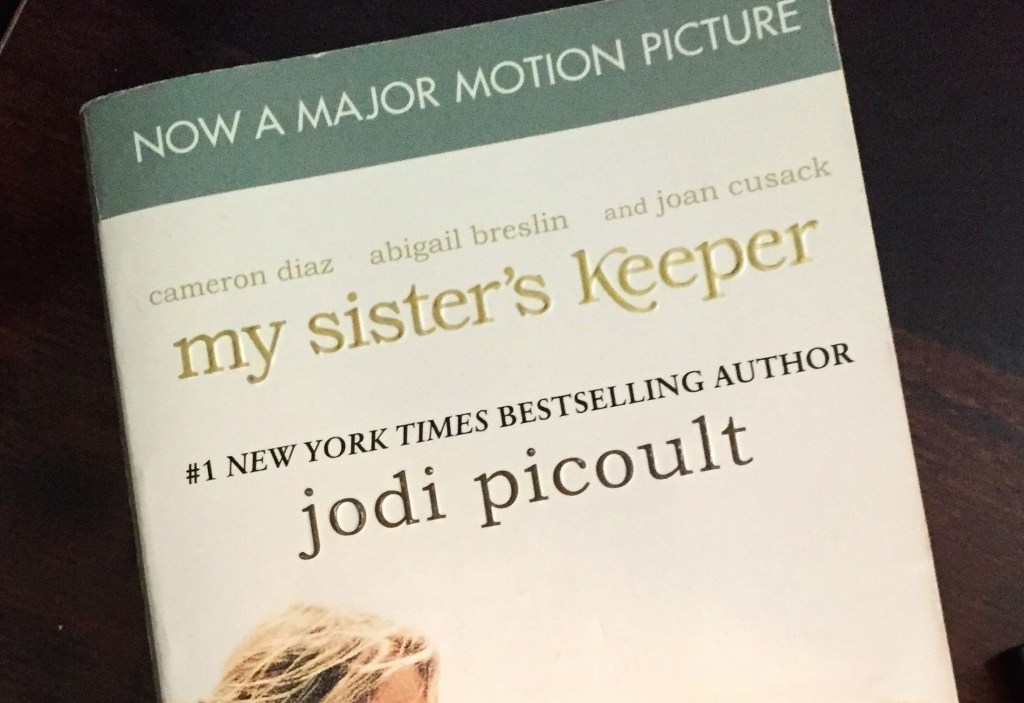
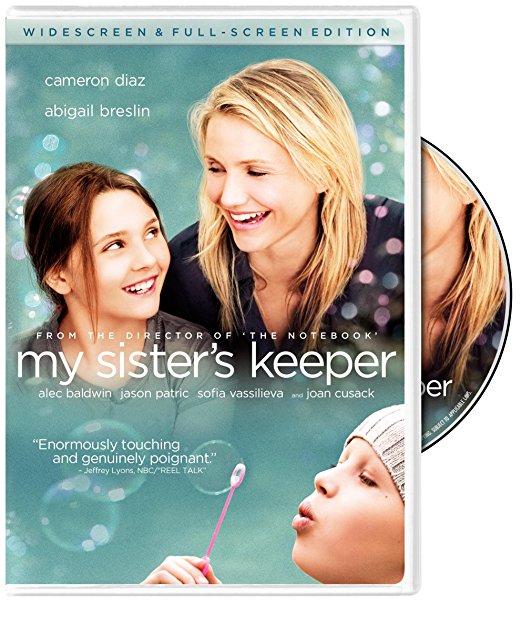
My Sister’s Keeper is a novel that touches on several medical themes including cancer, genetic engineering, organ donation, and medical autonomy. The book was also a movie which I haven’t seen yet.
The story is about Kate, an adolescent who as a toddler developed a rare form of leukemia, and has spent the majority of her life either in the hospital getting treatment or recovering from them. After yet another chemotherapy regimen, she has lost her hair.
spoiler alert- skip this section if you don’t want to know something that happens in the book
One day her mother, Sara, offers to take Kate and her younger sister Anna to the mall for a day out. Kate refuses.
“Don’t say it. Don’t tell me that nobody’s going to stare at me, because they will. Don’t tell me it doesn’t matter because it does. And don’t tell me I look fine because that’s a lie.” Her eyes, lash-bare, fill with tears. “I’m a freak, Mom. Look at me.”
Sara looks at her and says, “Well, we can fix this.”
“She walks out of the room followed by Kate and Anna. She finds a pair of ancient electric grooming clippers, plugs them in, and cuts a swath right down the middle of her own scalp.
“Mom”, Kate gasps.
With another swipe of the razor, Kate starts to smile. She points out a spot Sara missed. Anna crawls onto Sara’s lap. “Me next,” she begs.”
As Sara later remembers:
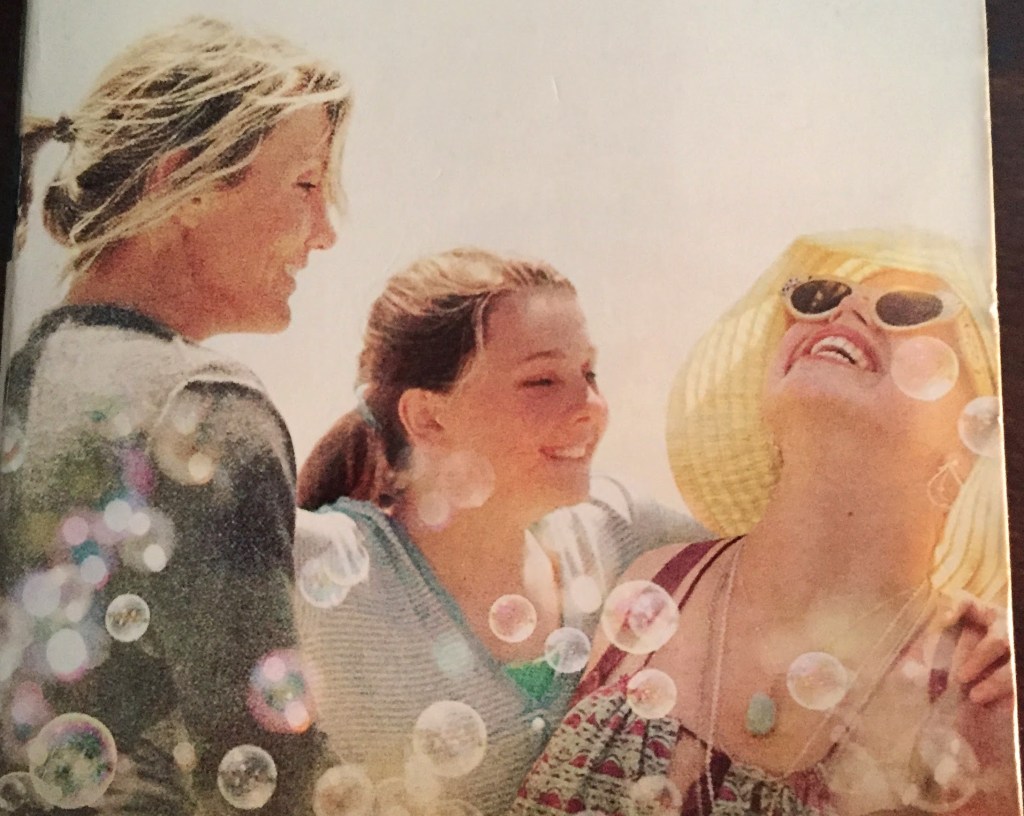
“An hour later, we walk through the mall holding hands, a trio of bald girls. We stay for hours. Everywhere we go, heads turn and voices whisper. We are beautiful, times three.”
I was drawn to this book because the main character is a woman physician. I started it just for pleasure, but once drawn into the story, I knew I wanted to review it for the blog.
In 1959, Dr. Lucille Armstrong, or Dr. Lucy as she is called, practices medicine of sorts in a small Texas town. Although she is a “doctor of human beings”, she spends most of her time taking care of stray and injured animals.
To support them and herself, she occasionally treats people; “ it’s not a hobby, I do it for the money.” But because “people there didn’t take well to a woman doctor”, her patients are not always the town’s model citizens.
Dr. Lucy lives alone except for the menagerie of injured animals she has doctored back to life. She likes her life the way it is, until she opens her home to three unexpected and unlikely guests.
Leaving for a trip, I bought a book to read on the airplane. After reading a few pages, I realized it was also a movie I had seen. So my subsequent review was a book/movie review. The medical themes in this book/movie were subtle, but no less real.
Henry, who narrates the story, lives with his divorced mom in a small town. At 13, Henry seems more mature than he should need to be, while his mother Adele seems childish and naive for a grown woman. As the story unfolds, you begin to wonder if Adele’s eccentric behavior is due to something more than immaturity.
Adele and Henry are in their small town store buying clothes for school when a man they don’t know approaches them asking for help. Frank seems nice enough and asking for help might not be a problem except for the fact that is is bleeding, and evasive about why.
He asks Adele to take him to her house and either due to fear or poor judgement, she says yes. Both she and Henry seem to realize that something dramatic is about to change in their lives, but what it is, they can only guess at this point.
You can probably borrow these books from your local library- I do. But if you do decide to buy books, please consider the affiliate links here. Purchases through them help support this blog and help share the HEART of health.







 watercress words by Dr Aletha