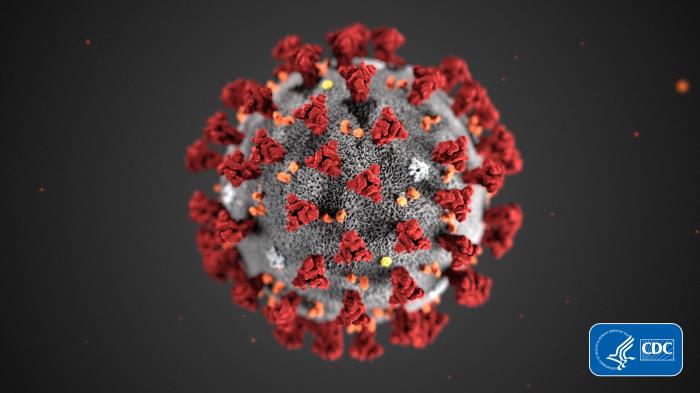
The post discusses COVID-19, summarizing key information from the CDC and other health agencies. It outlines symptoms, preventive measures like hand washing, and emphasizes community efforts to combat the virus. It also addresses managing anxiety and the importance of seeking support during these challenging times, highlighting the disease’s significant impact on daily life.
update February 11, 2025
The CDC website has moved all articles about COVID-19, SARS-CoV-2, into its archives. This post may have CDC links that are no longer active, or have moved. You may be directed to the new link at the CDC website.
I’ve been posting about COVID-19 regularly on Facebook and Instagram and I hope you’ve been following. If so, this post will be a re-cap; if not, I hope you learn something. Most of this information comes from the CDC, Centers for Control and Prevention, and some from state, local, and private health agencies.
You may want to proceed to this updated review of COVID-19.
In this post, I’m offering a graphic review of COVID-19 and what we can still do to prevent infections IN ADDITION TO getting vaccinated. Until we achieve wide spread immunity through vaccination the risk of infection and death are still present and still just as real.
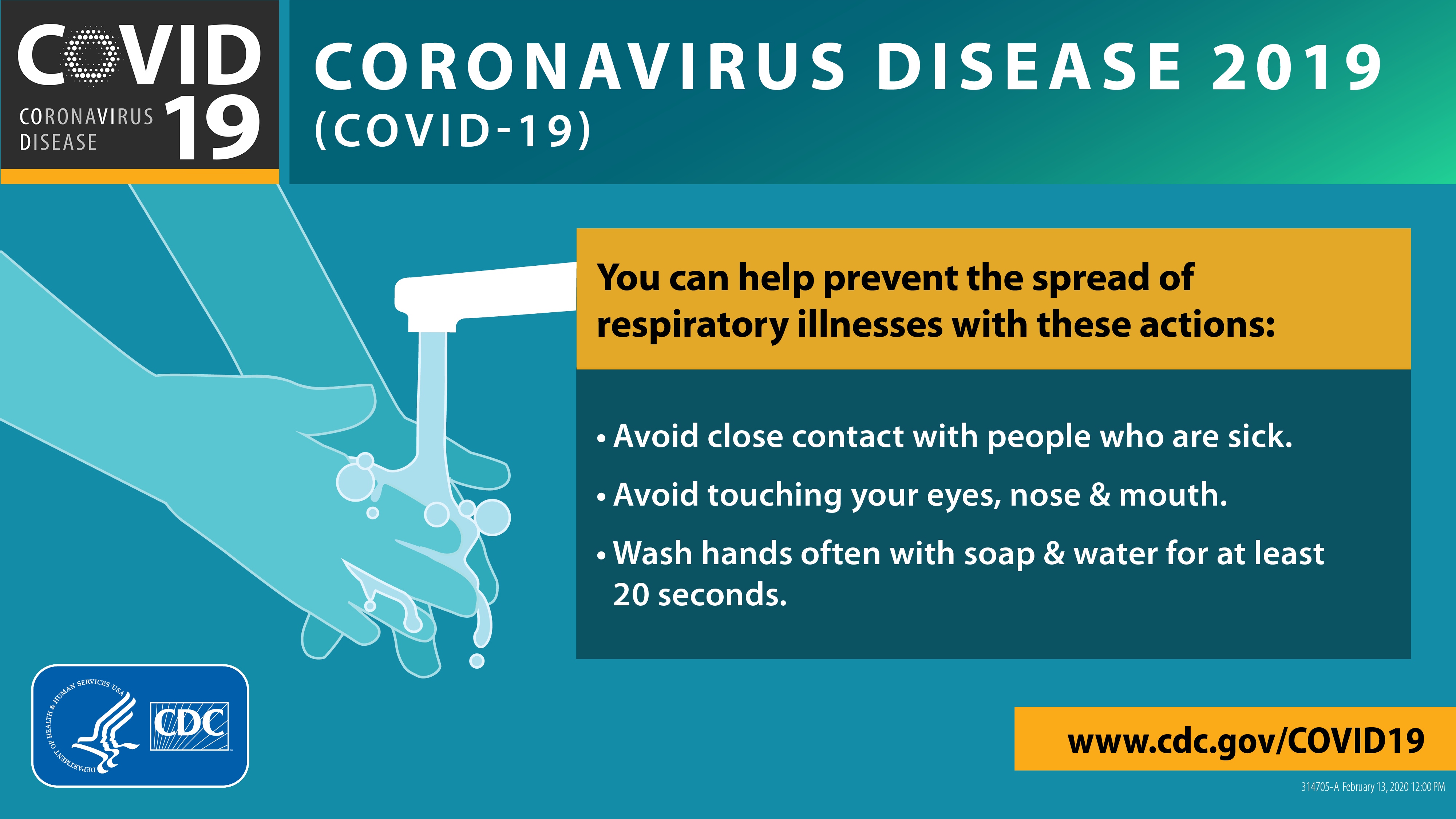
how can i keep myself and my family from being infected with covid-19?
Until we have a vaccine, the single most important prevention is frequent hand washing.
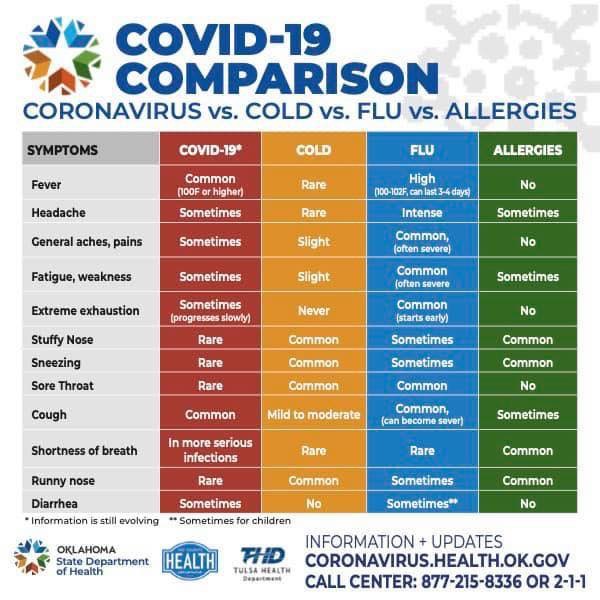
how is covid-19 different from colds, flu, and allergies?
What else can we do to stay safe from covid-19?
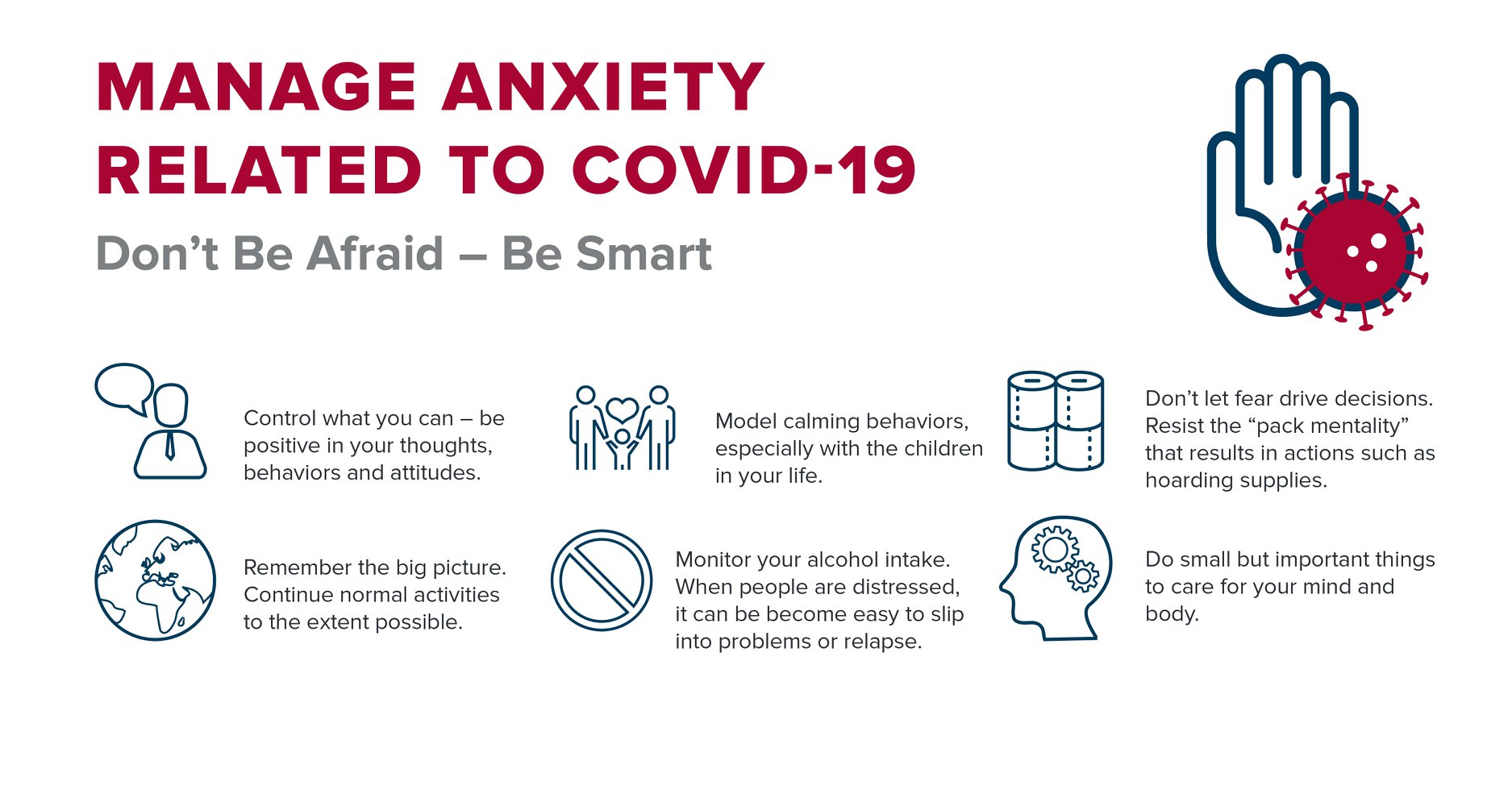
should we be afraid of covid-19?
managing covid-19 anxiety
exploring the HEART of health by understanding COVID-19
Thanks for reviewing this outline of this new disease that we are all learning about and that has changed our lives so drastically. I appreciate the CDC and other sources for making these easy to understand graphics available.
COVID-19 is a new, serious, contagious health risk that concerns the medical community as well as government, schools, business, religious groups, charities, and private citizens. These communities have banded together quickly to develop plans to manage this threat effectively.
Just like other challenges we face, it can be daunting and sometimes scary; but sometimes that’s when we accomplish the greatest good in the long run.
At times you may feel stressed, anxious, have trouble sleeping, or feel afraid. Seek the support of family, friends, clergy, and health professionals.
And if you find your anxiety becoming overwhelming, don’t hesitate to contact someone you trust for help. No one of us has to go through alone.
Doctors’ Day 2020 will be somber for not only U.S. doctors, but for physicians all over the world. This year we are all working together against the biggest medical foe any of us have ever faced- the novel coronavirus pandemic
National Doctors’ Day
Did you know there is a national day to honor physicians? In 1990, the U.S. Congress established a National Doctors’ Day, first celebrated on March 30, 1991.
The first Doctors’ Day observance was March 30, 1933, in Winder, Georgia. The idea came from a doctor’s wife, Eudora Brown Almond, and the date was the anniversary of the first use of general anesthetic in surgery.
used with permission, CDC.GOV
Doctors’ Day 2020
But Doctors’ Day 2020 will be somber for not only U.S. doctors, but for physicians all over the world. This year we are all working together against the toughest medical foe any of us have ever faced- the novel coronavirus pandemic.
You may not have a chance to honor your doctor in person, but you can commit to doing your part to establish a trusting, respectful relationship with your doctors. It will be good for both of you.
how to improve communication with your doctors-
Be open and honest about your medical history,lifestyle, and concerns.
Sometimes patients leave out important information due to forgetting, thinking it’s not important, embarrassment, or fear. But that may be the very piece of data I need to pinpoint what’s wrong.
So tell the doctor
If you can’t do something you’re asked to do
If you can’t afford medication, tests, or treatment
If you are afraid of a test or treatment
If other doctors are caring for you
Your social habits-alcohol use, smoking, sexual behavior
Give details about your problem, explain what you feel
I find that patients often have difficulty describing how they feel. They may say they hurt, cough, itch or get short of breath, but give few details. Maybe because we use text messaging with its brevity, abbreviations and emoticons. We have forgotten how to use descriptive words.
I don’t think we doctors expect our patients to always recite a rehearsed narrative about “why I came to the doctor today.” But it does help if you come prepared to answer questions as specifically as possible.
You might try thinking about your problem using the PQRST mnemonic. It will help your doctor identify possible causes for your symptoms, and may also help you understand your problem and even suggest ways you can help yourself.
As physicians, our patients’ “social histories” help us understand factors in your life that impact your health -where you live, your job, your family, your hobbies . Besides that, we enjoy getting to know you, especially the things that make you and your life unique and interesting. That feeling can go both ways.
Exchanging a few social words can make the encounter more satisfying for you and your doctor. Some of us will be more open about sharing our personal lives, and some subjects may be off limits. But I don’t think any of us will object to polite, caring interest in our lives outside of medicine.
You may cry when you read about a unique doctor-patient relationship in this post-
Finally, in honor of Doctors’ Day, meet some physicians with unique experiences to share, just a few of the many doctors who work tirelessly to share the HEART of health.
INTERNATIONAL HEALTHCARE
Dr. Kent Brantly awoke feeling ill- muscle aches, fever, sore throat, headache and nausea. As his condition progressively worsened to include difficulty breathing, he learned the cause of his illness- the Ebola virus. Having spent the past few weeks caring for patients caught up in the Ebola epidemic that swept Liberia in the spring of 2014, Dr. Brantly had contracted the disease himself, and would likely die, as almost all victims do.
When she applied for a position in New York City at the NYC Office of the Chief Medical Examiner (OCME), Dr. Judy Melinek never imagined that decision would plunge her into the nightmare of September 11, 2001. She was at the ME office that day when the Twin Towers were attacked and fell, killing thousands of people.
She and the other staff collaborated with the team of investigators who worked night and day identifying remains of the victims, a task she vividly describes in the book. This was basically their only job, since the cause of death was for the most part irrelevant, and impossible to determine. Sometimes they had only a small body part, as little as a finger, to extract DNA to identity a victim. Such identification was critical to bring closure to the families who lost loved ones, people who left for work that day, and never came home.
Read more about Dr. Melinek at this review of her book-
Meet the 91 year old still practicing physician, whose grandfather was a slave- Melissa Freeman, M.D.
Photos in this post are from the LIGHTSTOCK.COM collection, an affiliate link. Consider Lightstock for your photo and graphic needs. You will get quality media and help support the mission of this blog-to inform and inspire us all to discover the HEART of health.
exploring the HEART of dedicated physicians
Join me on Facebook March 30 through April 3 where I share stories about physicians past and present who share the HEART of health every day.
Dr. Aletha
Use these links to share the heart of health wherever you connect.