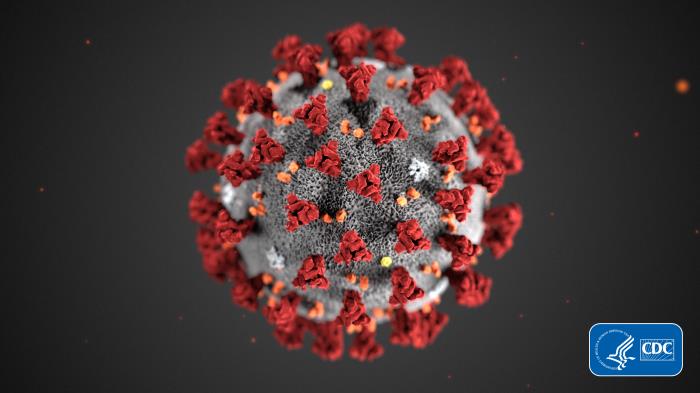
What the CDC recommends for COVID-19 vaccination

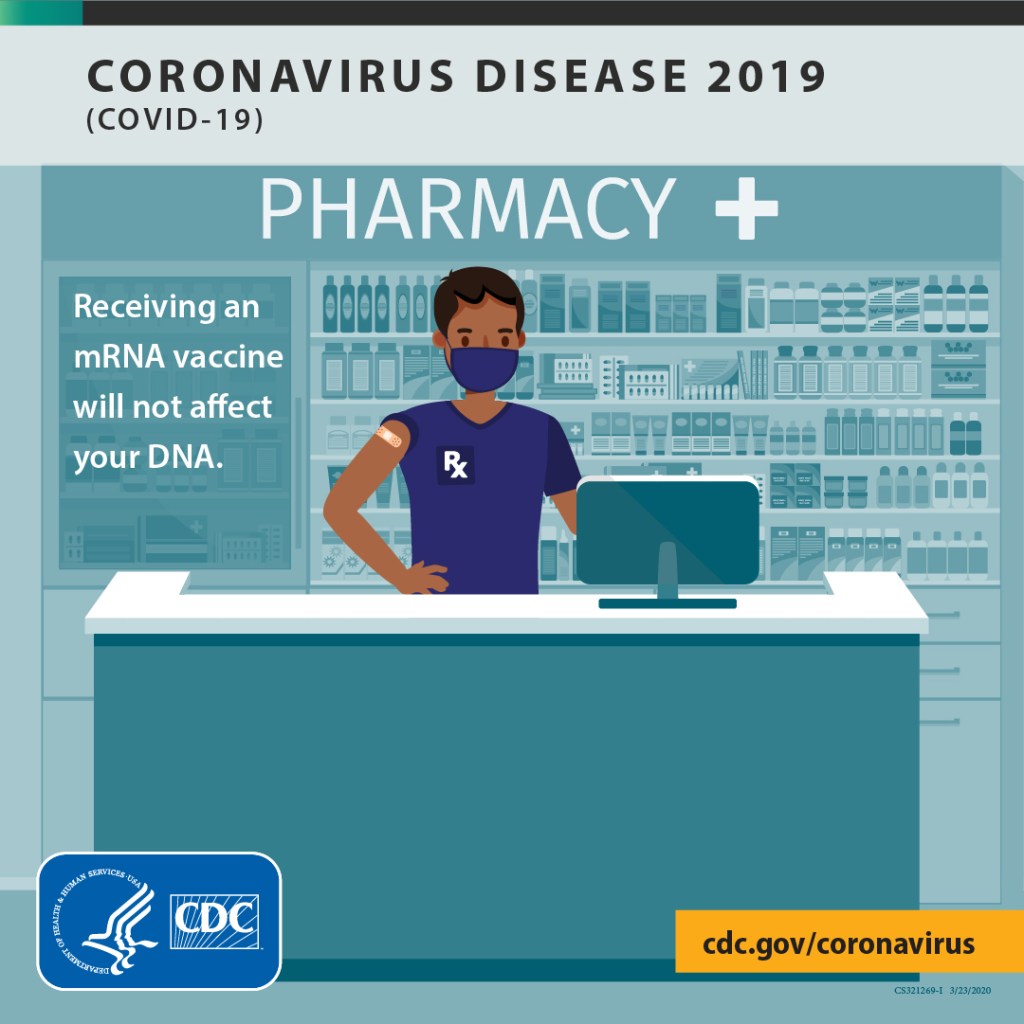
Fully vaccinated people can visit with other fully vaccinated people indoors without wearing masks or physical distancing.

update April 21, 2025

Please refer to the following link for the most current information from the CDC

COVID-19 Vaccine Basics

This information is current as of the date of original publication or update. It may have changed by the time you read this. I invite you to fact-check what you read here.

This information is not intended for diagnosis or treatment. Before making health decisions, discuss with your physician or other qualified healthcare provider to decide what is right for you.

I received my first COVID-19 vaccination on January 6, 2021, a date that is easy to remember for the wrong reason.

(On that day, the United States Capitol was attacked by a crowd, attempting to stop the certification of the 202 Presidential election. The Capitol sustained significant damage and the lives of Congress members and the Vice President were threatened.)

Since then I have received all recommended boosters. And I have never had COVID-19, even when my husband had it. He had been fully vaccinated and had a mild case.

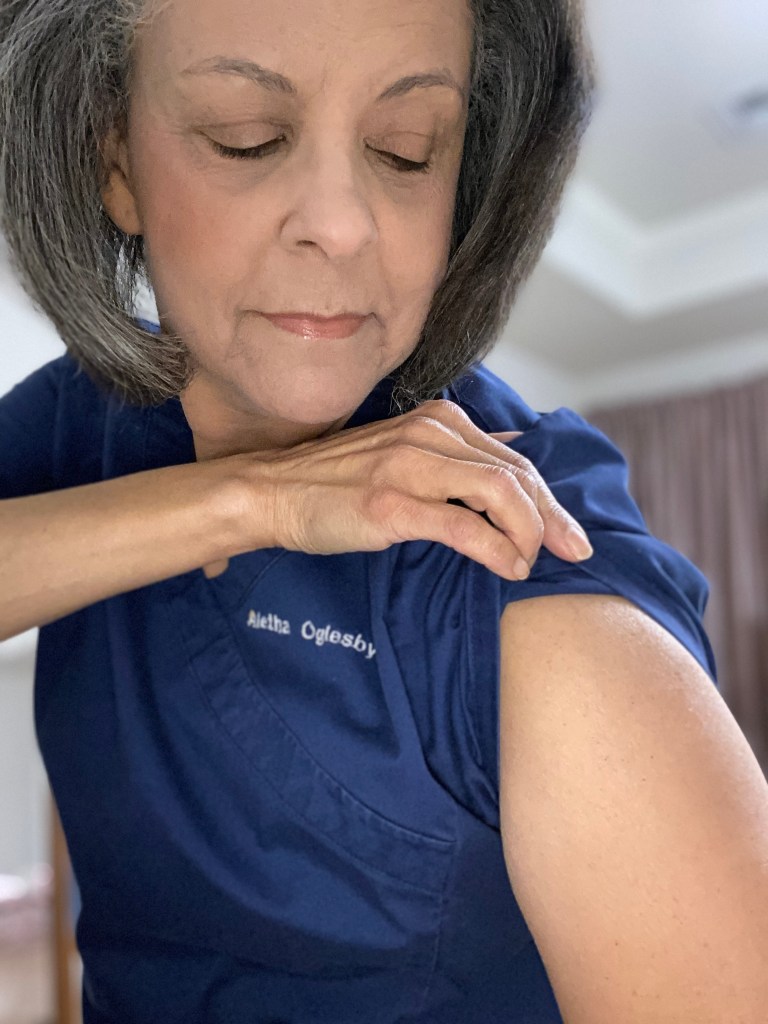
Dr. Aletha inspecting her arm after a COVID-19 shot

Information and misinformation

There has been much of both in the past year, some deliberate, some well intentioned, some valuable, some just plain wrong. Whenever possible, get your information directly from the source, not “a friend of a friend’s second cousin”. Here are some tips for finding reliable information

7 resources for responsible social media sharing

The post emphasizes the importance of responsible social media usage by highlighting various resources and strategies to combat misinformation. It discusses how emotional responses can be manipulated by disinformation and urges readers to critically evaluate content before sharing. We all have a responsibility to research claims and ensure truthfulness online.

Exploring the HEART of health

I’d love for you to follow this blog. I share information and inspiration to help you transform challenges into opportunities for learning and growth.

Add your name to the subscribe box to be notified of new posts by email. Click the link to read the post and browse other content. It’s that simple. No spam.

I enjoy seeing who is new to Watercress Words. When you subscribe, I will visit your blog or website. Thanks and see you next time.

Dr. Aletha

What you should know about COVID-19 exposure notification apps

There will not be a national app for contact tracing. There are many options available now, and it is up to each state and individual to decide which tools best fit their needs. It is up to you to decide if you download an exposure notification app for COVID-19.

View post to subscribe to site newsletter.

Recently several friends on social media posted about settings on their phones for COVID-19 exposure notification. I checked and found it on my phone also. Early in the pandemic I read that this software was being developed for possible use in contact tracing but did not know it was now a reality.

I mentioned it to my computer guru husband Raymond who writes a tech blog Tech Savy Life and he researched and wrote an in-depth post about it. So I’m tapping into his knowledge to share with you.

What is contact tracing?

According to the CDC, contact tracing “helps protect you, your family, and your community” by

  • Letting people know they may have been exposed to COVID-19 and should monitor their health for signs and symptoms of COVID-19.
  • Helping people who may have been exposed to COVID-19 get tested.
  • Asking people to self-isolate if they have COVID-19 or self-quarantine if they are a close contact.

Manual contact tracing done by humans is labor intensive and sometimes inefficient, requiring time on the phone trying to reach people, physically tracking them down, and then depending on their memory of where and with whom they have been. Using technology to do this speeds the process and improves accuracy, making it far more valuable and helpful.

Using case management tools

Local health departments may use digital case management tools to help make the contact tracing process more efficient. If you choose to provide information through one of these tools, your information is secure and stored with the health department. These tools help health departments quickly receive and analyze information about COVID-19.

Case management tools are under the same laws and regulations for all sensitive health information use (e.g. HIPPA). You must provide consent for the health department to collect information using a case management tool. Just like traditional contact tracing, digital tools will not collect information regarding money, Social Security numbers, bank account information, salary information, or credit card numbers.

Using exposure notification tools
a phone screen shot of Settings

Exposure notification tools may be an app that you can download on your personal cell phone. If you choose to download an exposure notification app for COVID-19, your information is secure.

Exposure notification apps are developed in collaboration with or endorsed by health departments. These apps undergo rigorous testing to determine their trustworthiness, security, and ability to protect people’s privacy. Until you give consent to share information with your local health department, any information you have entered into the app is stored only on your personal phone and is not sent to the health department or any other third party. The app and your information can be deleted any time.

Exposure notification on the iPhone 11 iOS 13.7

By clicking Continue, I went to a screen where I entered my country, the United States, and then my state, Oklahoma, where exposure notifications are not currently available.

Privacy and civil liberty issues

Again, according to the CDC,

There will not be a national app for contact tracing. There are many options available now, and it is up to each state and individual to decide which tools best fit their needs. It is up to you to decide if you download an exposure notification app for COVID-19.

Tech Savy Life

Raymond’s article was written before the iOS update, but I recommend you read it for a more detailed explanation of how contact tracing works. And check out some of his other posts while you’re there.

Raymond Oglesby, an Information Technology (IT) specialist with 30 years in the field. I have taught Microsoft Applications and troubleshot computers in 15 countries and many States. My career was focused on mainframes and desktops from application development to implementation. I have written hundreds of programs for various architectures. I decided to start a blog to share my knowledge and experiences with you.

Contact tracing is coming on your smartphone

man looking at a phone screen

exploring the HEART of health with technology

Even though computers and smart phones aren’t so “smart” sometimes (or maybe it’s just me) I’m glad we can harness the power of technology to help us explore and share the HEART of health. You may enjoy this post about how technology has changed the way we document healthcare for better and for worse.

Dr. Aletha

an update

Several states have now adopted use of contact tracing apps, but usefulness has been hampered by reluctance to use them.This article from Kaiser Health News explains why

People Proving to Be Weakest Link for Apps Tracking COVID Exposure