What’s new: COVID-19 vaccine boosters

The CDC Director Dr. Rochelle Walensky announced recommendations, which are only for those people who received the Pfizer-BioNTech vaccine.

This information is current as of the date of original publication or update but may have changed by the time you read this. Do not use this information for diagnosis or treatment purposes. Before making health decisions, discuss with a qualified healthcare professional.

You’ve been hearing and reading much news about booster doses for the 3 currently used COVID vaccines. Both the FDA and the CDC have been reviewing data. One reason why the reports about their findings and recommendations is confusing is that the two agencies do different things. ( I’m not going into that now.)

The CDC Director Dr. Rochelle Walensky announced these recommendations, which are only for those people who received the Pfizer-BioNTech vaccine.

Recommendations for Pfizer Vaccine recipients

  • people 65 years and older and residents in long-term care settings should receive a booster shot of Pfizer-BioNTech’s COVID-19 vaccine at least 6 monthsafter their Pfizer-BioNTech primary series
  • people aged 50–64 years with underlying medical conditions should receive a booster shot of Pfizer-BioNTech’s COVID-19 vaccine atleast 6 months after their Pfizer-BioNTech primary series
  • people aged 18–49 years with underlying medical conditions may receive a booster shot of Pfizer-BioNTech’s COVID-19 vaccine at least 6 months after their Pfizer-BioNTech primary series, based on their individual benefits and risks
  • people aged 18-64 years who are at increased risk for COVID-19 exposure and transmission because of occupational or institutional setting may receive a booster shot of Pfizer-BioNTech’s COVID-19 vaccine at least 6 months after their Pfizer-BioNTech primary series, based on their individual benefits and risks

Previous COVID-19 updates

Breaking news – Vaccination in pregnancy

August 11, 2021
  • COVID-19 vaccination is recommended for all people 12 years and older, including people who are pregnant, breastfeeding, trying to get pregnant now, or might become pregnant in the future.
  • Evidence about the safety and effectiveness of COVID-19 vaccination during pregnancy has been growing. These data suggest that the benefits of receiving a COVID-19 vaccine outweigh any known or potential risks of vaccination during pregnancy.
  • There is currently no evidence that any vaccines, including COVID-19 vaccines, cause fertility problems in women or men.

Breaking news-COVID-19 Vaccines for Moderately to Severely Immunocompromised People

August 13, 2021

CDC now recommends that people whose immune systems are compromised moderately to severely should receive an additional dose of mRNA COVID-19 vaccine after the initial 2 doses. Widespread vaccination is a critical tool to help stop the pandemic. Read CDC’s statement.

2026 CDC Recommendations on COVID Vaccination

Like weather updates about tornados, hurricanes, and blizzards, the warnings and recommendations from the CDC about COVID-19 change to reflect current informatoin and disease activity.

Updated August 30, 2026

This information is current as of the date of original publication or update but may have changed by the time you read this. Do not use this information for diagnosis or treatment purposes. Before making health decisions, discuss with a qualified healthcare professional.

Vaccination in pregnancy

Recommendations if you are breastfeeding

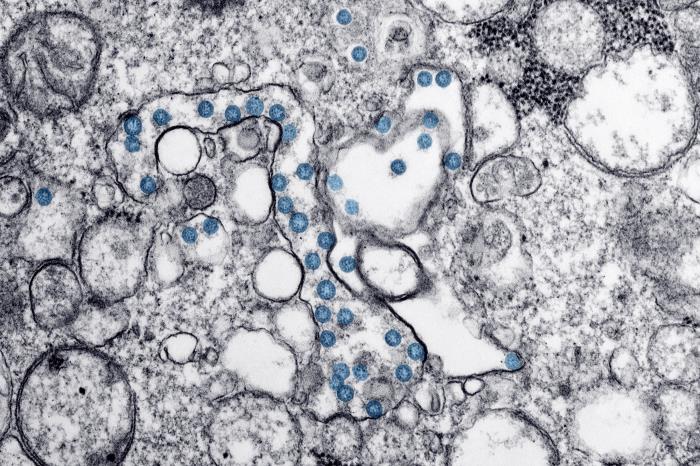
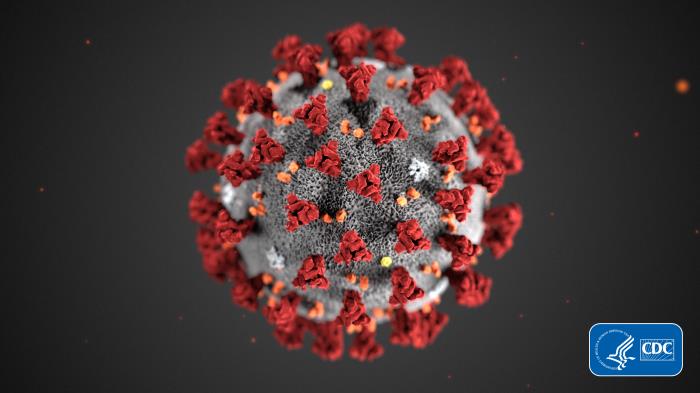
electron microscope image of a 2019-nCoV isolate
Transmission electron microscopic image of an isolate from the first U.S. case of COVID-19, formerly known as 2019-nCoV. The spherical viral particles, colorized blue, contain cross-sections through the viral genome, seen as black dots. credit Hannah A Bullock; Azaibi Tamin, public domain

Vaccination for Immunocompromised People

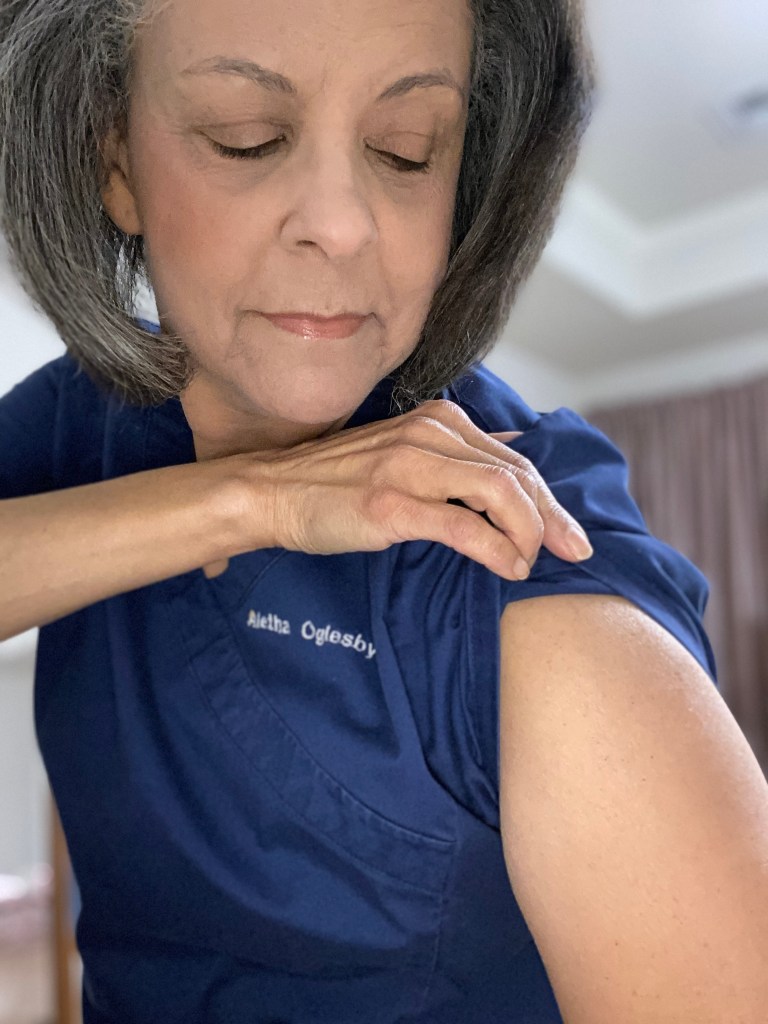
Dr. Aletha inspecting her arm after a COVID-19 shot
Three days after my first vaccination in 2021. I have received boosters as recommended ever since.
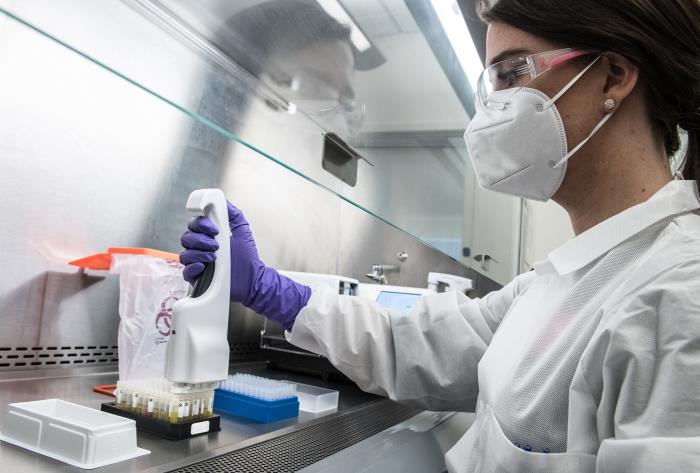
a scientist in a lab working on covid antibodies
Centers for Disease Control and Prevention (CDC) scientist was preparing patients’ samples for SARS-CoV-2antibody testing. Serological testing is used to detect antibodies, which indicate past infection with the virus that causes COVID-19, and is important to the understanding of disease prevalence within a population. credit James Gathanay, public domain

Information and Misinformation

There has been much of both in the past few years, some deliberate, some well-intentioned, some valuable, some just plain wrong. Whenever possible, get your information directly from the source, not “a friend of a friend’s second cousin”. Here are some tips for finding reliable information

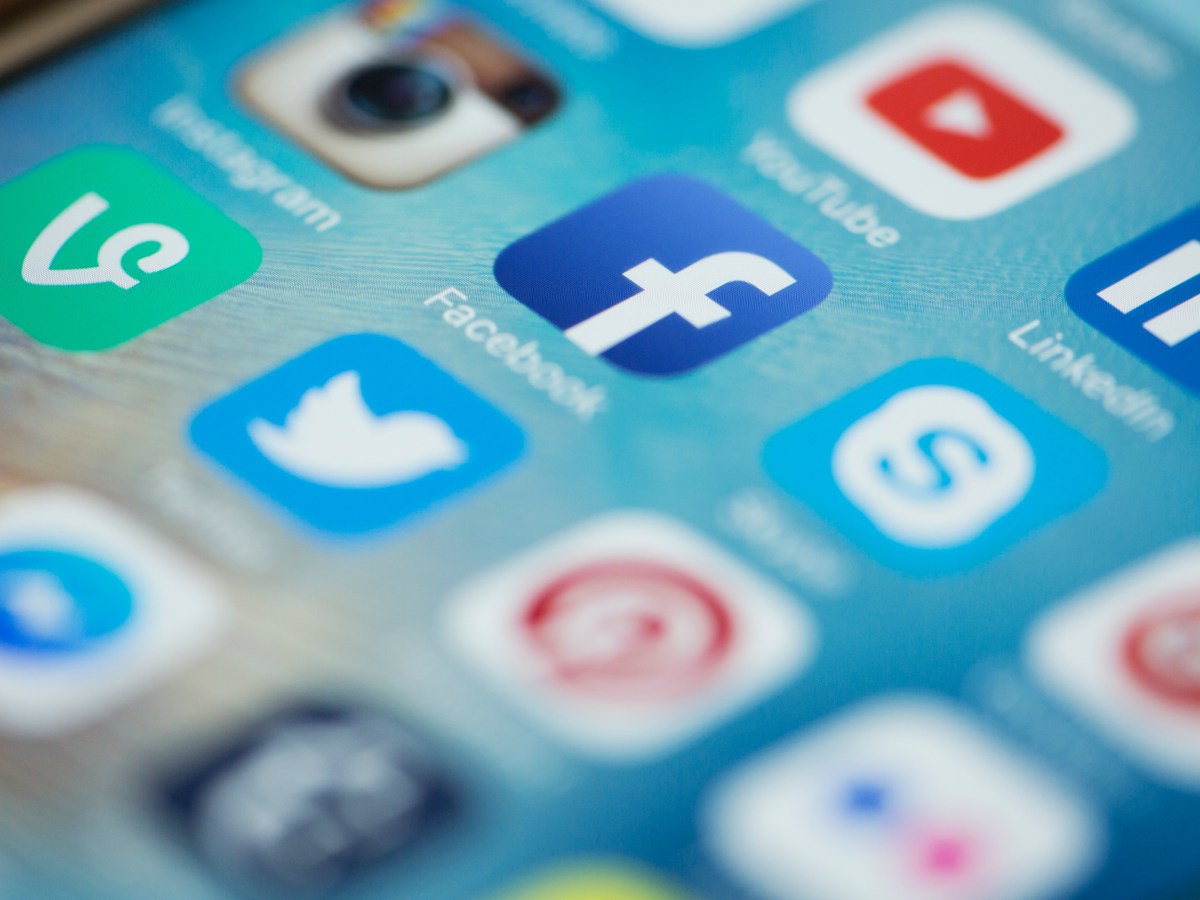
7 Resources for Responsible Social Media Sharing

The post emphasizes the importance of responsible social media usage by highlighting various resources and strategies to combat misinformation. It discusses how emotional responses can be manipulated by disinformation and urges readers to critically evaluate content before sharing. We all have a responsibility to research claims and ensure truthfulness online.

Exploring the HEART of Health

I appreciate your time reading this post and invite you to follow this blog and me on social media.

I share information and inspiration to help you transform challenges into opportunities for learning and growth.

Add your name to the subscribe box to be notified of new posts by email. Click the link to read the post and browse other content. It’s that simple. No spam.

I enjoy seeing who is new to Watercress Words. When you subscribe, I will visit your blog or website. Thanks and see you next time.

Dr. Aletha