
Sleep Practices for Restful Nights

In this post I review options to improve our sleep. Daylight Saving Time can disrupt sleep, akin to jet lag. Chronic insomnia involves difficulty sleeping regularly, potentially linked to medical conditions. Treatment begins with addressing underlying issues and adopting sleep hygiene practices, such as exercise and routine. Cognitive Behavioral Therapy for Insomnia (CBT-I) is effective for persistent cases.

updated March 7, 2025

If you live somewhere that observes Daylight Saving Time, you may notice a disruption in your sleep for a few days after we “spring forward” in March and when we “fall back” to standard time in November.

Like jet lag from travel, these time changes can interrupt our sleep schedule for a few days. And if you already have trouble sleeping, it’s even more of a problem.

Here’s a review of what sleep professionals recommend to help. But for persistent or severe problems, see your own doctor to get started.

This information is current as of the date of original publication or update. It may have changed by the time you read this. I invite you to fact-check what you read here.

This information is not intended for diagnosis or treatment. Before making health decisions, discuss with your physician or other qualified healthcare provider to decide what is right for you.

This content is for your “information and inspiration”, and does not imply my endorsement or recommendation.
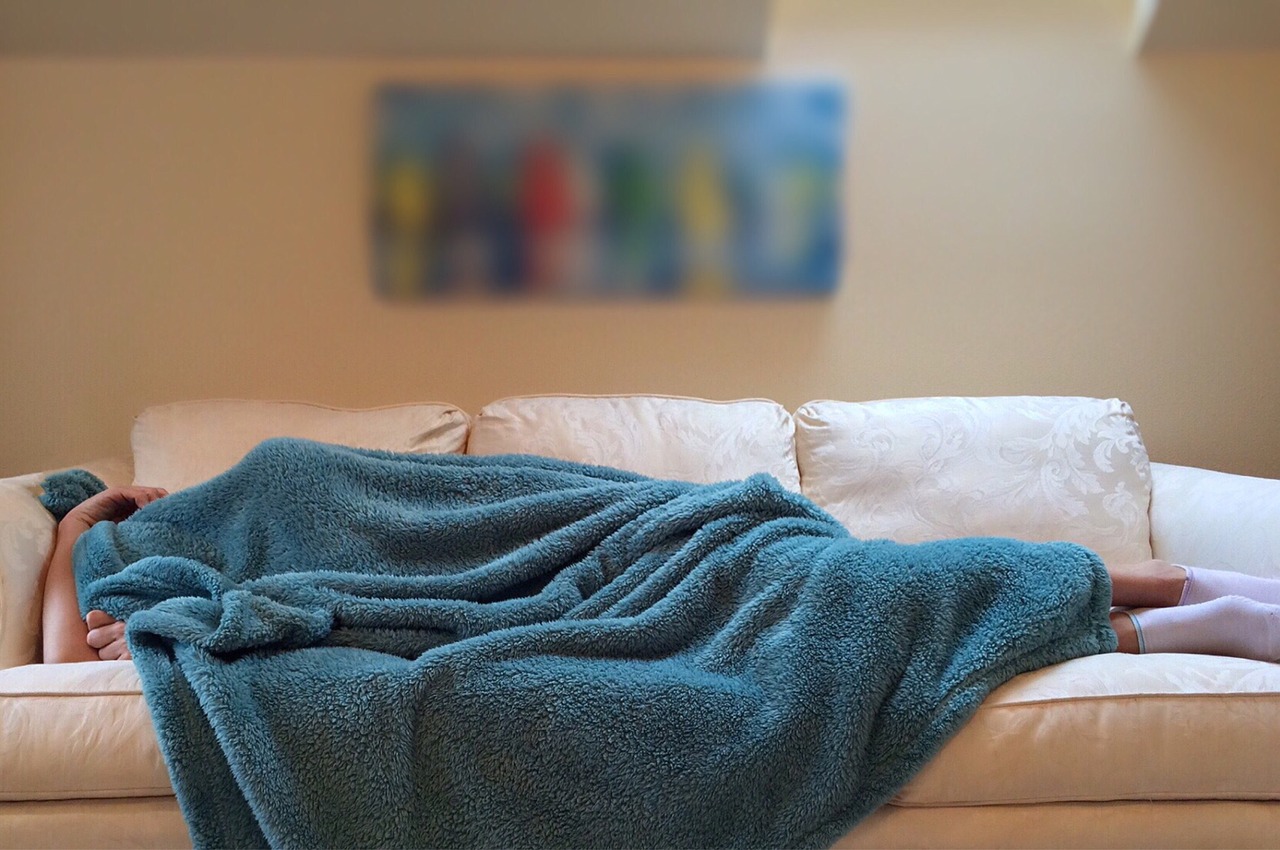
 

person sleeping on a couch
Sometimes getting a good night’s sleep can be a challenge.


(Affiliate links are used in this post. You don’t pay more to shop through these links; this blog may earn a small commission, which funds its existence. )

What is Chronic Insomnia?

Most of us have trouble sleeping occasionally, but if you persistently have difficulty with sleep, you may have a medical condition associated with sleep disturbances. These include

  • sleep apnea
  • restless legs syndrome
  • depression and/or anxiety
  • post-traumatic stress disorder

Some people have true chronic insomnia, meaning persistent sleep difficulty not due to some other cause. There are various criteria to diagnose chronic insomnia but in general include

  • difficulty falling or staying asleep
  • at least 3 nights per week for at least 1-3 months
  • with impairment of daytime function, such as fatigue/sleepiness, poor concentration, irritability, school or work dysfunction

EXPERT ADVICE TO SLEEP WELL EVERY NIGHT

How can you sleep better with chronic insomnia? 

The first step for chronic or occasional insomnia is to identify and treat any underlying medical issues that cause poor sleep. In addition to the ones mentioned above these include

  • painful conditions
  • heartburn (gastroesophageal reflux)
  • congestive heart failure
  • lung diseases like asthma cause nighttime breathing difficulty
  • menopausal night sweats

Sleep specialists recommend non-drug management of chronic insomnia and reserve sleep medications for more resistant cases. 

Sleep meds were one of the 7 drugs that are overused in my previous post.

a bed with ornate headboard
photo by Dr. Aletha- at the Hemingway house, Key West, Florida

(Read more about Ernest Hemingway’s preserved Florida home at this post)

Hemingway’s study- chaos and creativity


Behaviors for better sleep

Experts recommend sleep hygiene , basically lifestyle changes, as the initial treatment. Some people have developed bad habits in regards to sleep that need to be unlearned and new behaviors put in place.

For optimal sleep, you should

  • Engage in regular exercise- moderate intensity , tai chi , yoga and low-impact aerobic exercise
  • Avoid evening large meals
  • Limit caffeine, tobacco, and alcohol
  • Use the bedroom only to sleep and for sex
  • Maintain a regular bedtime-awake schedule
  • Avoid daytime naps
  • Avoid distracting stimuli at bedtime-watching television, using electronic devices, talking on the phone
  • Stay in bed only while sleep

Dim the lights for better sleep

The light from electronic devices- clocks, thermostats, televisions, monitors-can disturb your sleep even after you turn off your phone and tablets. This light can be blocked by stick on light blocking covers than can block out the majority of it.

Light from my clock made it hard for me to fall asleep before I discovered these products. With them I fall asleep easier, and can fall back asleep if I wake up.

Maintaining a regular schedule helps to set or reset your sleep/wake cycle. So go to bed at the same time every night and wake up at the same time every morning.

However, if you can’t  sleep, rather than lie in bed awake, you should get up, do a non-stimulating activity, then return to bed when sleepy.

woman typing on a laptop keyboard.
Using a computer, laptop, or tablet before going to bed can impair sleep.

If you have persistent sleep loss, consider more intensive therapy by a professional.

Cognitive behavior therapy for insomnia , CBT-I, significantly improves chronic insomnia and daytime functioning and is recommended as first-line therapy.
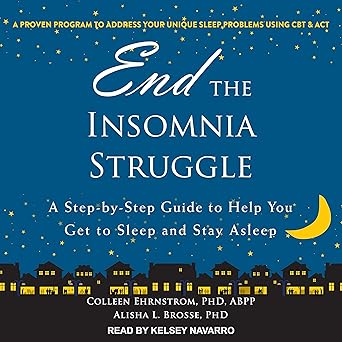
CBT-I combines cognitive therapy with sleep restriction, relaxation training, and stimulus control.

Treatment typically requires 5-8 sessions conducted by a health professional trained in its use. Patients need to participate by keeping a sleep diary and writing down daily thoughts in a journal while continuing with the sleep hygiene practices mentioned above.

person writing in a spiral notebook
Writing thoughts in a journal is often encouraged in cognitive behavioral therapy. (photo from the Lightstock.com collection)


SleepPhones

Natural Sleep Aid Created By A Doctor. A family physician created SleepPhones to help patients fall asleep faster and stay asleep longer without resorting to drugs.(affiliate link)
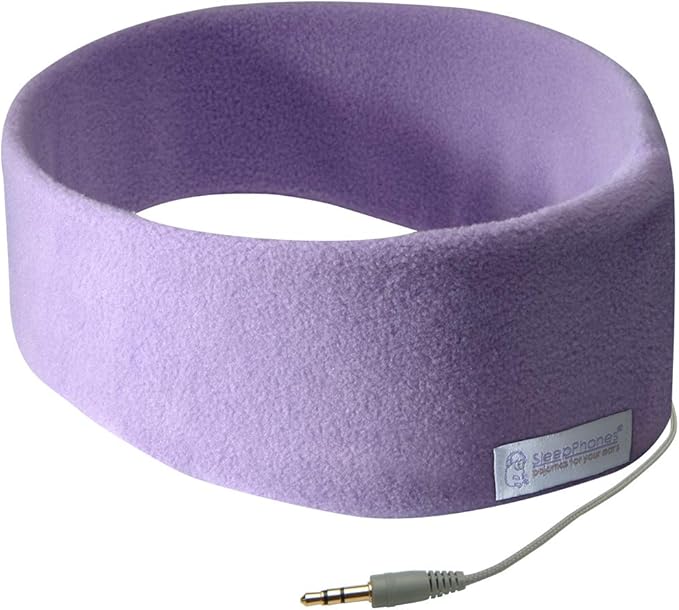
 

SleepPhone

Manage stress, learn to relax

If you have occasional trouble sleeping due to stress,  relaxation techniques can help you.  Techniques include meditation, yoga, imagery, abdominal breathing and muscle relaxation techniques. These can reduce tension and anxious thoughts that inhibit sleep onset and maintenance.

5 steps to manage stress and strain

A college graduate receives a gift certificate for a book, choosing a technical manual for his engineering career. This post reflects on the need for coping mechanisms for life’s stressors, sharing five essential steps to manage stress and strain. These steps include maintaining a routine, seeking social support, focusing on the positive, staying active, and…


exploring the HEART of healthy sleep

I’d love for you to follow this blog. I share information and inspiration to help you turn health challenges into health opportunities.

Add your name to the subscribe box to be notified of new posts by email. Click the link to read the post and browse other content. It’s that simple. No spam.

I enjoy seeing who is new to Watercress Words. When you subscribe, I will visit your blog or website. Thanks and see you next time.

Dr. Aletha

Cover Image

The cover image of this post was created by JetPackAI available with WordPress.

Expert Advice to Sleep Well

This post provides insights into chronic insomnia, a condition characterized by persistent sleep difficulties affecting daytime function. It emphasizes identifying underlying medical issues and prioritizes lifestyle changes, or sleep hygiene, as initial treatment. Cognitive behavioral therapy for insomnia (CBT-I) is highlighted as an effective intervention, with online options available for convenience.

updated December 9, 2025

person sleeping on a couch
Sometimes getting a good night’s sleep can be a challenge.


(Affiliate links are used in this post.It costs nothing extra to shop through these links and this blog may earn a small commission, which funds its existence. )

What is Chronic Insomnia ?

Most of us have trouble sleeping occasionally, but if you persistently have difficulty with sleep, you may have a medical condition associated with sleep disturbances. These include

  • sleep apnea
  • restless legs syndrome
  • depression and/or anxiety
  • post-traumatic stress disorder

Some people have true chronic insomnia, meaning persistent sleep difficulty alone. There are various criteria to diagnose chronic insomnia but in general include

  • difficulty falling or staying asleep
  • at least 3 nights per week for at least 1-3 months
  • with impairment of daytime function, such as fatigue/sleepiness, poor concentration, irritability, school or work dysfunction

How is chronic insomnia managed ? 

First step in treatment of chronic insomnia as well as occasional difficulty sleeping  is identifying and treating any underlying medical issues that might contribute to poor sleep. In addition to the ones mentioned above these include

  • pain, of all kinds
  • heartburn (gastroesophageal reflux)
  • congestive heart failure
  • lung diseases like asthma  causes nighttime breathing difficulty
  • menopausal night sweats

Sleep specialists recommend non-drug management of chronic insomnia and reserve sleep medications for more resistant cases. 


Sleep Practices for Restful Nights

In this post I review options to improve our sleep. Daylight Saving Time can disrupt sleep, akin to jet lag. Chronic insomnia involves difficulty sleeping regularly, potentially linked to medical conditions. Treatment begins with addressing underlying issues and adopting sleep hygiene practices, such as exercise and routine. Cognitive Behavioral Therapy for Insomnia (CBT-I) is effective…

Keep reading


Sleep Hygiene Management

Experts recommend sleep hygiene , basically lifestyle changes, as the initial treatment.

For optimal sleep you should

  • Engage in regular exercise- moderate intensity , tai chi , yoga and low-impact aerobic exercise
  • Avoid evening large meals
  • Limit caffeine, tobacco and alcohol
  • Use the bedroom only to sleep and for sex
  • Maintain a regular bedtime-awake schedule
  • Avoid daytime naps
  • Avoid distracting stimuli at bedtime-watching television, using electronic devices, talking on the phone
  • Stay in bed only while sleep

How to dim the Lights

The light from electronic devices- clocks, thermostats, televisions, monitors-can disturb your sleep even after you turn off  your phone and tablets. This light can be blocked by stick on light blocking covers than can block out the majority of it.

Light from my clock made it hard for me to fall asleep before I discovered these products. With them I fall asleep easier, and can fall back asleep if I wake up.

Maintaining a regular schedule helps to set or reset your  sleep/wake cycle. So go to bed at the same time every night and wake up at the same time every morning.

However, if you can’t  sleep, rather than lie in bed awake, you should get up, do a non-stimulating activity, then return to bed when sleepy.

woman typing on a laptop keyboard.
Using a computer, laptop, or tablet before going to bed can impair sleep.

If you have persistent sleep loss, consider more intensive therapy by a professional.

Cognitive behavior therapy for insomnia , CBT-I , significantly improves chronic insomnia and daytime functioning and is recommended as first line therapy.

CBT-I combines cognitive therapy with sleep restriction, relaxation training and stimulus control.

Treatment typically requires 5-8 sessions conducted by a health professional trained in its use. Patients need to participate by keeping a sleep diary and writing down daily thoughts in a journal, while continuing with the sleep hygiene practices mentioned above.

person writing in a spiral notebook
Writing thoughts in a journal is often encouraged in cognitive behavioral therapy. (photo from the Lightstock.com collection)

Insomnia sufferers can also get help from an online web-based CBT-I, Sleep Healthy Using the Internet , SHUTi.

One study found 70% of those participating improved their sleep, compared with 43% who received education only.  If you  can’t find a trained therapist or don’t have time for office based therapy, this may be a good option.


SleepPhone by Acoustic Sheep

A physician, Dr. Wei-Shin Lai had trouble falling asleep after being awakened at night by calls from the ER. Her husband suggested listening to relaxing music to help her fall asleep.

She designed a comfortable headphone for her own use, and eventually started a company to make and sell them . You can try her SleepPhone  made by her company AcousticSheep.

Manage Stress, Learn to Relax

If you have occasional trouble sleeping due to stress,  relaxation techniques can help you.  Techniques include  meditation, yoga, imagery, abdominal breathing and muscle relaxation techniques . These can reduce tension and anxious thoughts that inhibit sleep onset and maintenance.

5 steps to manage stress and strain

A college graduate receives a gift certificate for a book, choosing a technical manual for his engineering career. This post reflects on the need for coping mechanisms for life’s stressors, sharing five essential steps to manage stress and strain. These steps include maintaining a routine, seeking social support, focusing on the positive, staying active, and…

Keep reading


The truth about alcohol and sleep

Think alcohol will help you sleep better ? Read this advice from a psychiatrist, Dr. Melissa Welby.

Everything You Need top Know About Sleep Apnea

Curious about sleep apnea? Dr. Deborah Burton offers this review of another common sleep problem.

Exploring the HEART of Health

I’d love for you to follow this blog. I share information and inspiration to help you turn health challenges into health opportunities.

Add your name to the subscribe box to be notified of new posts by email. Click the link to read the post and browse other content. It’s that simple. No spam.

I enjoy seeing who is new to Watercress Words. When you subscribe, I will visit your blog or website. Thanks and see you next time.

Dr. Aletha