This coronavirus pandemic is serious. We don’t yet have a vaccine or effective treatments. To protect ourselves, our familes, and our entire communities we should all be practicing social distancing until advised otherwise. Please review these guidelines to prevent spead of this disease.
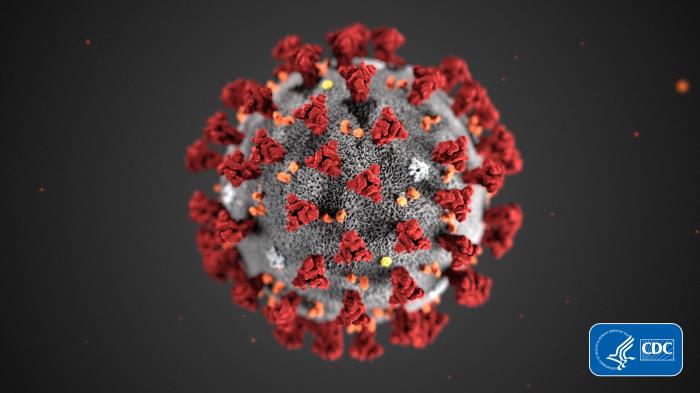
This coronavirus pandemic is serious. We don’t yet have a vaccine or effective treatments. To protect ourselves, our familes, and our entire communities we should all be practicing social distancing and other hygiene measures as we wait for a safe, effective vaccine and treatments.
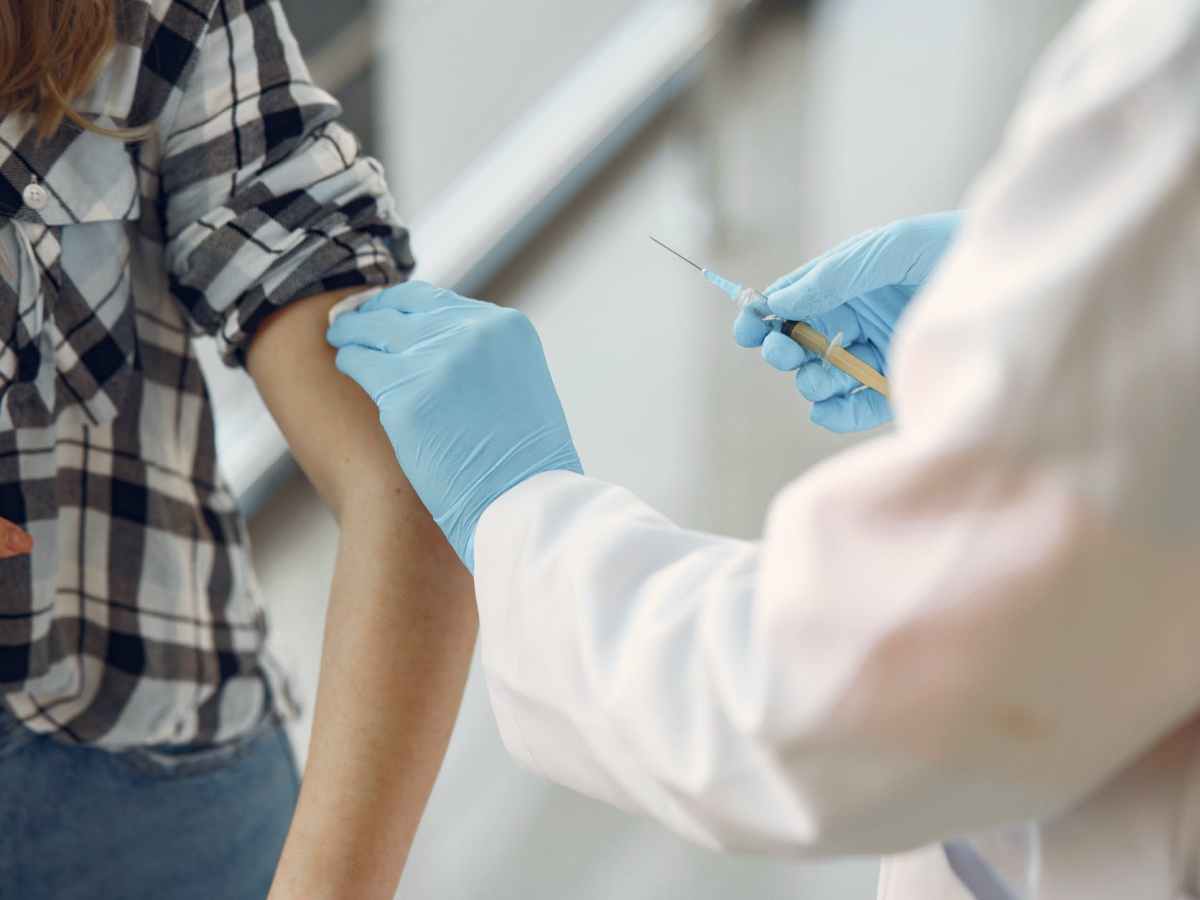
With a few exceptions for medical reasons I believe all adults should discuss vaccination with their physician and be immunized for any diseases for which they are at risk.
And I recommend that parents do the same for their children and adolescents.
questions to ask about vaccines and the immunization process include.
What contagious diseases is a person likely to be exposed to?
What are the risks of those diseases?
What are the risks of a particular vaccine for that person?
What are the risks versus benefits to other people?
What else can we do to prevent an infection?
Infectious disease control methods
The developed countries have eliminated or controlled many of the environmental sources of contagious disease by manipulating our environment.
indoor plumbing
water treatment facilities
screens on windows
air purification
wear gloves to prepare food
inspect restaurants
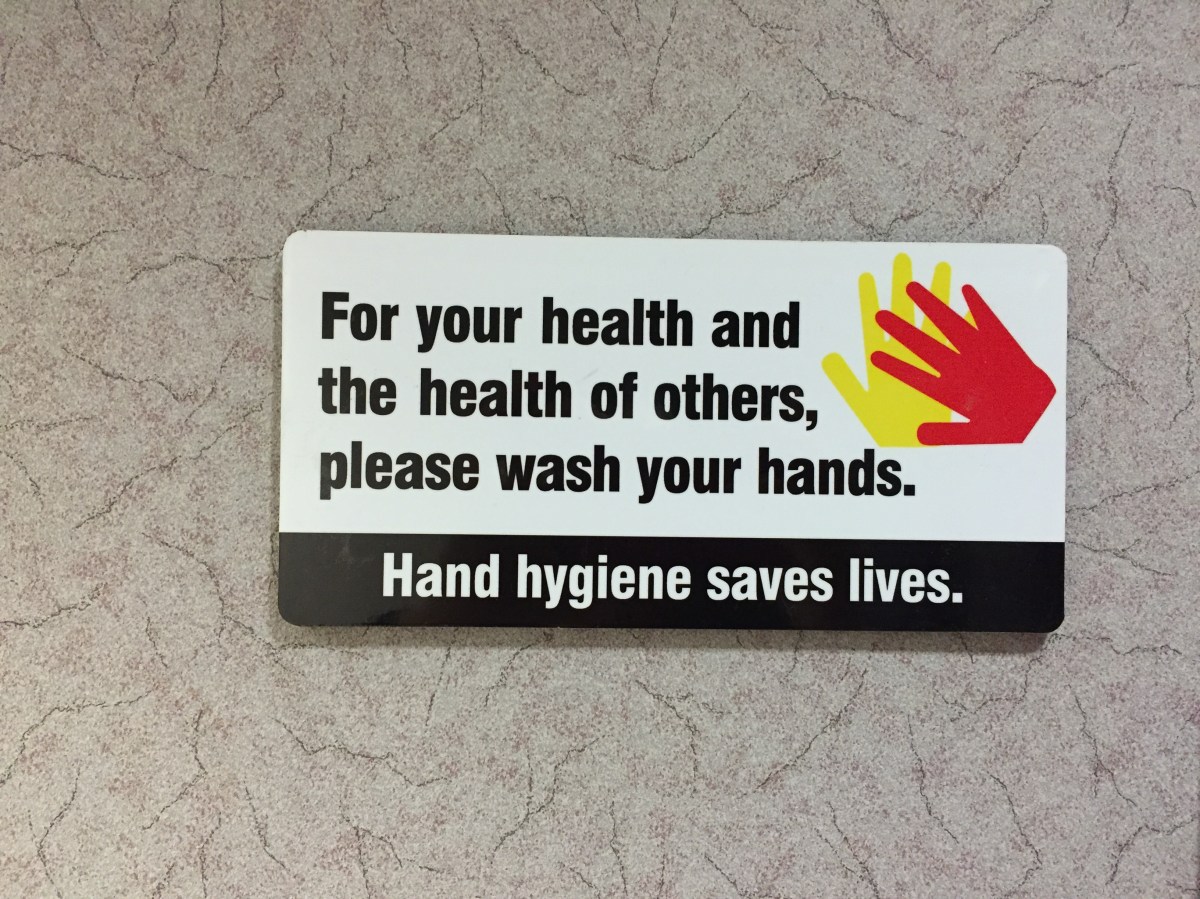
signs in public restrooms reminding us to wash our hands.
Hygiene remains vital to infection prevention even when immunizations are given.
However, we haven’t eliminated another source of infectious disease- other humans.
Rarely do we isolate or quarantine people with infections. Most of us have gone to work, school or social events with symptoms suggestive of infection- a cough, runny nose, upset stomach- putting our friends and colleagues at risk.
This coronavirus pandemic is serious. We don’t yet have a vaccine or effective treatments. To protect ourselves, our familes, and our entire communities we should all be practicing social distancing until advised otherwise. Please review these guidelines to prevent spead of this disease.
In 2020 we’ll be thanking doctors for tackling this new and largely unknown disease that just a few weeks ago we knew little about. Since then we’ve learned it’s name, it’s genetic make up, symptoms, how it spreads, and complications, and slowly learning what does and does not work, and how to contain and stop it.
Daylight Saving Time-March 8
Most of the United States changed to Daylight Saving Time on Sunday March 8 2020. However, since then, not much else has been the same due to the pandemic caused by the novel Coronavirus that began in China at the end of 2019.
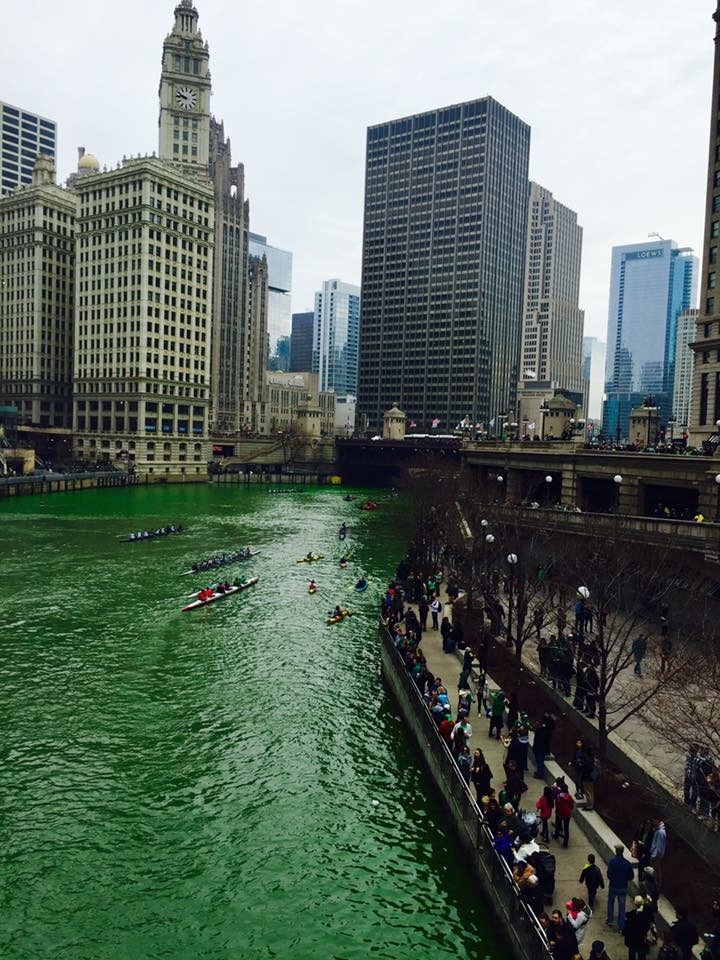
Fortunately, I have this photo from a previous year taken by my son who lives there.
photo of the Chicago River dyed green for St. Patrick’s Day by Ryan Oglesby
Welcome Spring
We will welcome the first day of Spring, March 20, in the northern hemisphere, with the occurrence of the vernal equinox. I don’t think the virus can stop that, but may make it less enjoyable.
Many families are cancelling or limiting their spring break vacation plans. Even Disney World is closing all of their parks.
March 20 is also Match Day. No, not the match you light fires with.
It’s the day graduating medical students find out what residency program they will join through the National Resident Matching Program , which “matches” them with available positions in residencies all over the United States.
Why should you care? This matching process determines who will care for our medical needs in the next 30-40 years; our family physicians, internists, pediatricians, general surgeons, obstetricians, dermatologists, psychiatrists, and the multitude of other medical specialties. Most doctors will continue in the same specialty their entire career, although some switch after a few or many years.
For those graduates who match to a residency, especially if it is their top choice, it is a day for celebrating with family and friends, almost like a graduation. Unfortunately, due to the COVID-19 outbreak many medical schools are scaling down or even cancelling festivities this year, disappointing after 4 years of long hours of study and hours of tiring clinical work.
photo from Lightstock.com, graphic created with Canva
Read this previous post about the new doctors who will care for you
National Doctor’s Day
March 30 has been designated National Doctor’s Day in the United States. You may not have heard of a day to honor doctors.
The first Doctors’ Day observance was March 30, 1933, in Winder, Georgia. The idea came from a doctor’s wife, Eudora Brown Almond, and the date was the anniversary of the first use of general anesthetic in surgery.
The Barrow County (Georgia) Medical Society Auxiliary proclaimed the day “Doctors’ Day,” which was celebrated by mailing cards to physicians and their wives and by placing flowers on the graves of deceased doctors.
In 1990, the U.S. Congress established a National Doctors’ Day first celebrated on March 30, 1991.
In 2020 we’ll be thanking doctors for tackling this new and largely unknown disease that just a few weeks ago we knew little about. Since then we’ve learned it’s name, it’s genome, symptoms, transmission, and complications, and slowly learning what does and does not work, and how to contain and stop it.
March Madness- college basketball tournament
Even people who don’t follow basketball regularly, get excited about March Madness-when college football teams vie to be named the National Champion.
Sadly, that has also been canceled this year, along with other amateur and professional sporting events. Even the Summer Olympics is in question.
at the U.S. Olympic Training Center at Colorado Springs Colorado, photo by Dr.Aletha
exploring the HEART of health
I’d love for you to follow this blog. I share information and inspiration to help you transform challenges into opportunities for learning and growth.
Add your name to the subscribe box to be notified of new posts by email. Click the link to read the post and browse other content. It’s that simple. No spam.
I enjoy seeing who is new to Watercress Words. When you subscribe, I will visit your blog or website. Thanks and see you next time.





 watercress words by Dr Aletha