Why we should LOL-even during a pandemic

Finding humor in situations that are anything but funny can relieve some of the fear, anxiety, and dread associated with threats to our well being.

I was planning a post about medical humor when I found an article about that very subject. JAMA published the article November 6, 1920.

No, that is not a typo, it was 1920. But since I wasn’t around then to read it, I’m glad they republished it November 3, 2020 in a feature called JAMA Revisited. (JAMA is the Journal of the American Medical Association.)

In it, the unidentified author refers to another article published in 1920 titled “Two Medical Humorists”, one of whom was Dr. Oliver Wendell Holmes who he describes as

a master of style, all of his work illuminated

with numerous flashes of wit.

Oliver Wendell Holmes’ son Oliver Wendell Holmes, Jr., served as Associate Justice of the U.S. Supreme Court from 1902 to 1932. Holmes Sr. was a physician and poet in the 1800s.

The author claimed that “a bit of humor now and then is welcomed by every class of thinkers, no matter how serious minded may be their daily routine”, and I agree, although I know people who seem to have no sense of humor, at least about some things.

Two Goats with Letter Board Phrase “YOU’VE GOAT TO BE KIDDING ME”
Two Goats with Letter Board Phrase “YOU’VE GOAT TO BE KIDDING ME” from LIGHTSTOCK, an affiliate link

What is humor?

According to Merriam-Webster.com “some common synonyms of humor are ironyreparteesarcasmsatire, and wit….”a mode of expression intended to arouse amusement”.  

And from the JAMA article –

Humor is a lively sense of the incongruous (out of place) in the world and in life.

What’s funny about illness?

Most of us find nothing “funny” about being sick, injured, disabled, or dying. But illness and its treatment can create situations that prompt “incongruous” reactions that can be funny, ironic, and satirical. Finding humor in situations that are anything but funny can relieve some of the fear, anxiety, and dread associated with threats to our well being.

Nothing will so quickly relieve the strain with which most laymen confront the physician as the kindly directed remark accompanied with a smile and a sense of humor.

Humor’s dark side-MASH

In 1968 an Army physician wrote a novel about his experiences serving as a surgeon at a Mobile Army Surgical Hospital during the Korean War. Dr. Richard Hooker’s novel spawned a successful play, a movie, and one of the most popular television series of all time, known simply as M*A*S*H, still in syndication. The movie won the Best Adapted Screenplay Academy Award in 1970.

In the novel MASH, and the subsequent versions, Dr. Hooker used dark humor to depict the doctors, nurses, and other staff coping with practicing medicine in a war zone. Their pranks, wise cracks, and self deprecating humor distracted them from their loneliness, anger, and sense of failure when soldiers died despite their best efforts to save them.

We need humor in the profession. It is one of its necessary virtues. For who save ourselves live in such a milieu of disharmonies?

Playfulness in a pandemic

Medical humor helps us fight the unexpected, unfair, and disruptive circumstances of disaster and disease , helping us cope with feeling powerless.

In 2020 when the SARS-CoV-2 pandemic sparked fear,confusion, and uncertainty, people took to social media with memes, cartoons,photos, and videos that testified to our resolve to overcome. I liked this video a high school principal produced and starred in. By taking a lighthearted approach to a serious situation, he demonstrated resourcefulness and resilience.

But let us also cling to humor, the antiseptic of life.

Friday Funnies

share humorous medically related cartoons on my Facebook page every Friday. I choose them carefully, because I don’t want anyone to think I take their health issues lightly. I don’t, ever.

But I agree with Merriam-Webster in that humor implies an ability to perceive the ludicrous, the comical, and the absurd in human life and to express these usually without bitterness.

If you don’t already follow me on Facebook, please do. Besides Fridays, somedays I share a Saturday Smile.

In medicine, humor is a virtue.

Unless otherwise noted, the quotes are from Some Medical Humorists which you can read at this link.

sharing the HEART of laughter

always LOL, Dr Aletha

a smal dog with round glasses on "What's the funniest meme you've seen lately?":
Describe the funniest meme you’ve seen lately, or leave a link in the comments. Family friendly content only please.

From common colds to COVID-19-Respiratory infections update 2020

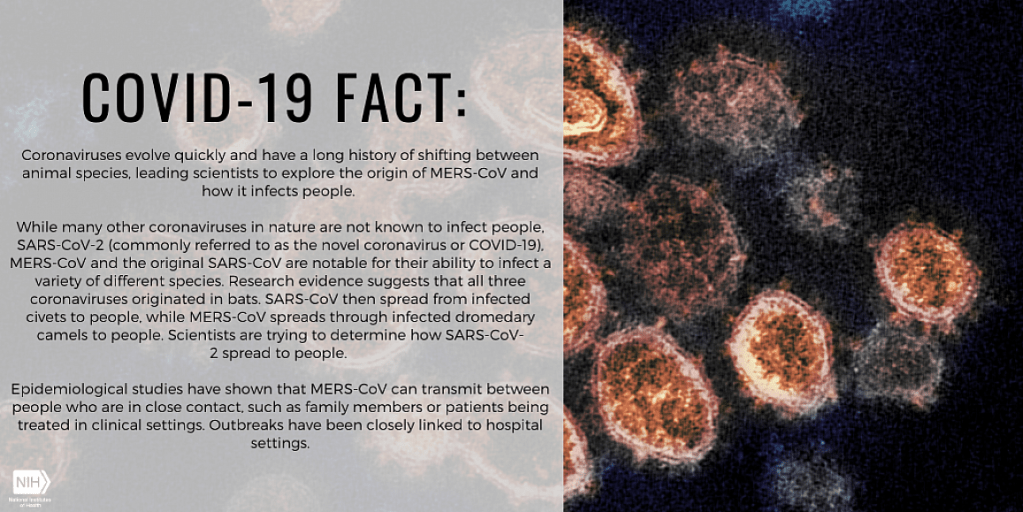
This year’s cold/flu season is complicated by a new player- COVID-19, caused by the SARS-CoV-2. If you get sick, please do not assume your illness is “just the flu” ; this could have serious, perhaps fatal consequences for you and your loved ones.

Where I live, North America, we’ve just observed the first day of fall, also known as the autumnal equinox. And especially in healthcare, we unofficially view it as the start of the “cold and flu” season. To those of you in the southern hemisphere, happy spring. You also have a respiratory illness season during fall/winter.

Respiratory infections

By “cold and flu” we means acute respiratory infections caused by a variety of viruses including

  • influenza
  • respiratory syncytial virus (RSV)
  • adenovirus
  • rhinovirus
  • coronavirus

and less often several bacteria, most commonly

  • Streptococcus
  • Mycoplasma
  • Haemophilus
  • Legionella
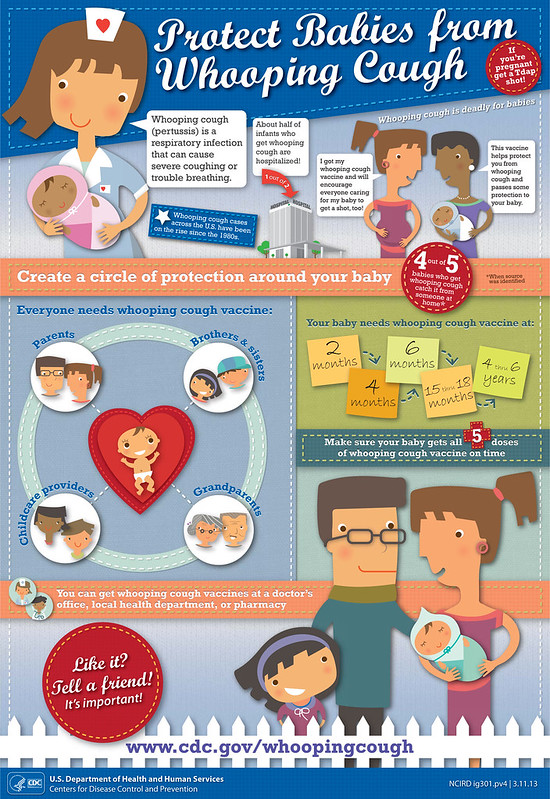
  • Pertussis (whooping cough)

These cause diseases called by various names including

  • colds/flu
  • influenza
  • pharyngitis (throat infection)
  • otitis media (ear infection)
  • bronchitis
  • sinusitis
  • pneumonia
  • laryngitis
  • COVID-19
  • whooping cough
  • bronchiolitis-infants and children
  • croup-mostly children

This year’s cold/flu season is complicated by a new player- COVID-19, caused by the SARS-CoV-2.

Acute vs chronic

We call these illnesses acute because they (usually) come on fairly suddenly, run their course within a few days to sometimes a few weeks, and then resolve. Sometimes they don’t resolve and become chronic.

Some underlying factor may prevent healing. There may be a chronic condition that is out of control, or has not been previously diagnosed. You may need a doctor’s evaluation to determine whether it’s “just a cold” or perhaps asthma, COPD ,or allergic rhinitis.

Many of these illnesses tend to occur seasonally, such as influenza and RSV. Others can occur year round. So far we don’t know if COVID-19, due to the SARS-CoV-2 , will be year round or seasonal. Unlike influenza, it did not abate during the summer this year.

What are respiratory symptoms?

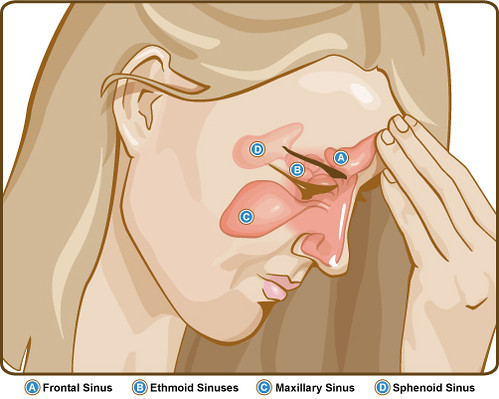
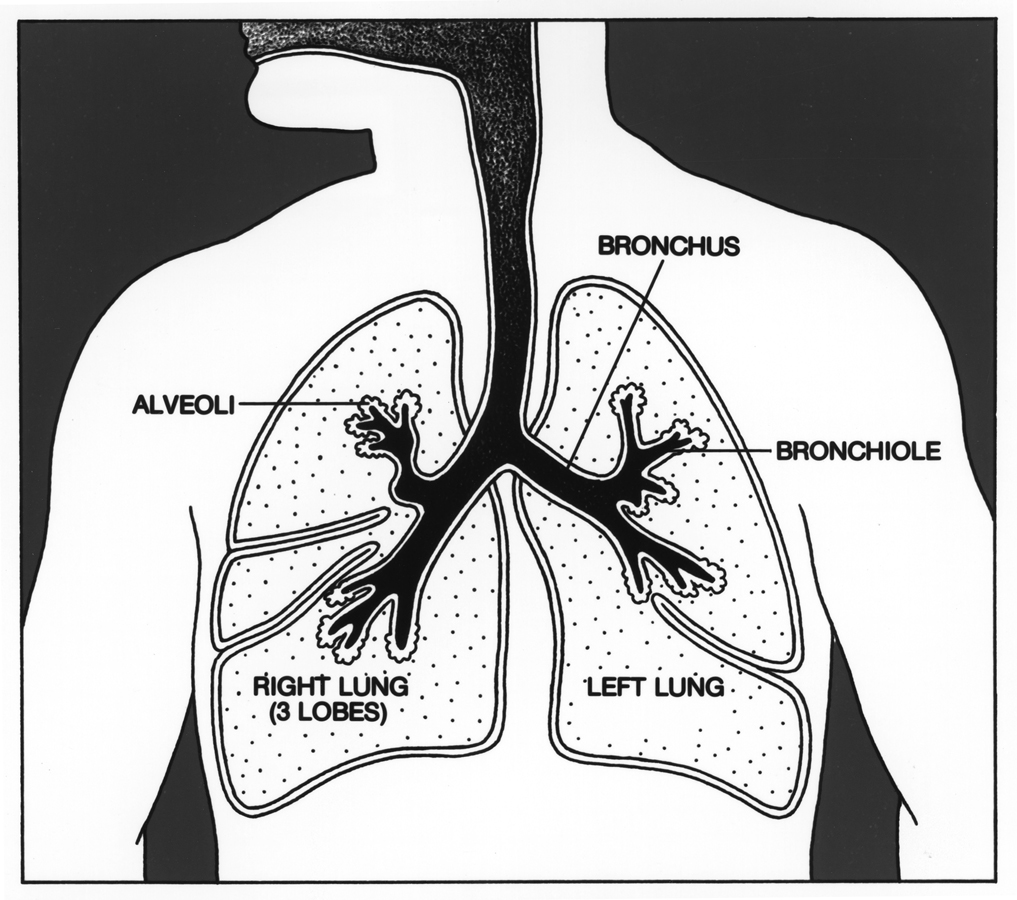
Symptoms of respiratory illness involve some combination of the nose, sinuses, ears, throat, larynx (voice box), trachea, bronchus, and lung

  • Sneezing, stuffy  or runny nose,
  • Sinus pain, pressure
  • coughing, wheezing, shortness of breath
  • sore throat, hoarseness
  • ear pain, fullness

often along with systemic symptoms such as

  • fever and/or chills
  • body aches, fatigue, 
  • nausea, vomiting, diarrhea 
  • headache
  • loss of appetite


Coping with respiratory illness

Although these infections make us miserable and can temporarily disable us from work and school, most otherwise healthy people recover uneventfully, even from COVID-19. Nevertheless, we should take them seriously.


Don’t panic.

Fever ,especially in children, alarms parents. Don’t ignore it but don’t panic either. Reading this post should help you keep calm about fever .

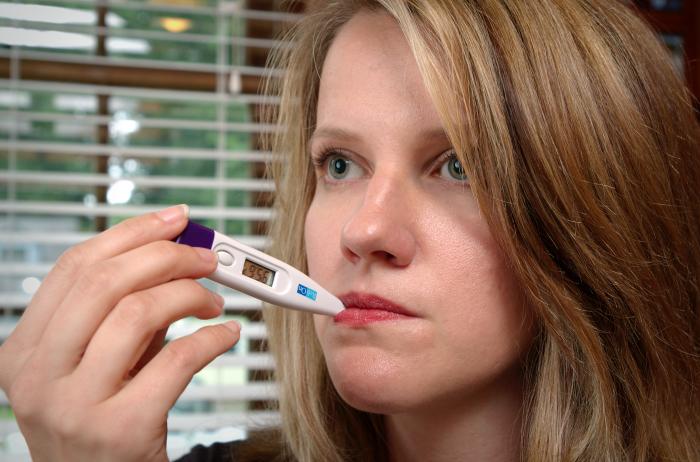
a woman taking her temperature
This photograph depicted a woman who was using a modern, battery-powered oral thermometer, in order to measure her body temperature. In order to return an accurate reading, this particular type of thermometer needed to be placed beneath the user’s tongue, for a set amount of time, beeping when the ambient, sublingual temperature was reached. Photo credit-James Gathany, CDC, public domain

Some  people are at risk of developing  severe symptoms and serious complications from respiratory illnesses, so seek medical help sooner, rather than later. These include

  • Infants, especially under one month old
  • Older adults,starting at about age 50, with risk increasing with age, especially combined with chronic disease
  • Those with chronic lung disease, like asthma, COPD, emphysema, cystic fibrosis
  • People who smoke cigarettes or vape
  • People on medications or with diseases that suppress the immune system
  • Serious chronic diseases – diabetes, liver disease, kidney disease, heart disease, cancer 
  • Obesity (a risk factor for COVID-19 complications)
  • Pregnancy

If you are not sure if you fit into one of these categories, ask your doctor.

Stay home.

These illnesses spread person to person, so minimize contact.

Keep your kids home from school and stay home from work, at least the first few days, when you are  the most contagious. When  there is widespread illness in your community, avoid crowds and public gatherings.

Resting, getting extra sleep, drinking fluids and staying warm and dry  make staying at home therapeutic.

Wash hands.

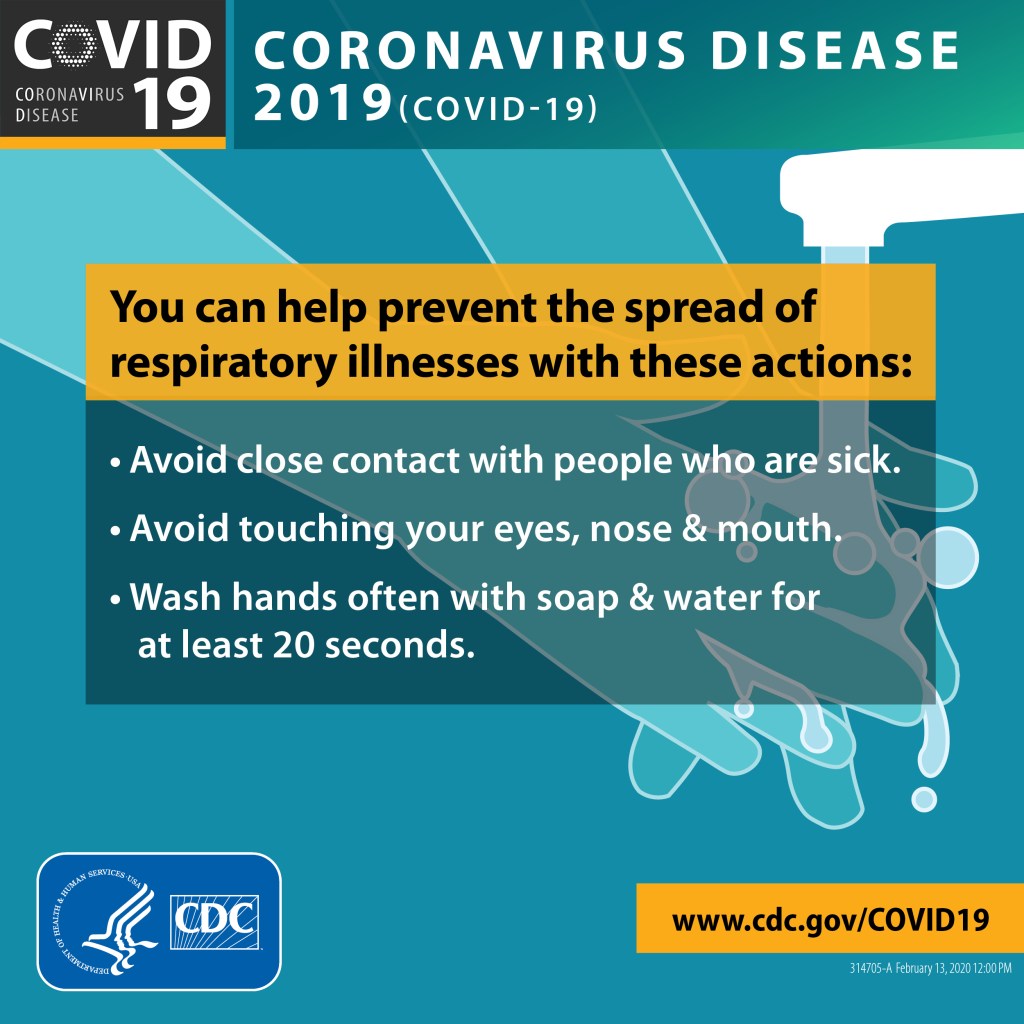
Speaking of person to person contact, the best way to avoid getting or giving germs is to wash your hands often, but especially after being with others ,using a restroom,  and before cooking or eating. Cleaning household surfaces helps too, as well as clothing and linens. Don’t forget to clean your cell phone, tablets, and keyboards too. Use hand sanitizer if hand washing can’t be done.

Wear a mask

You probably remember that early on in the pandemic, the CDC did not recommend wide spread wearing of masks. I suspect this was to prevent hoarding of masks (remember toilet paper? ) and because they did not know how widely the virus was circulating in the United States.

But that has changed; when experts learn new information they reassess and update recommendations. Whenever you expect to have close contact with people outside your household wear a mask that covers your nose and mouth. In some situations, eye coverings are also warranted but that is not universally recommended now.

Use medication wisely.

Some of these illnesses have a specific medication that clear it faster- strep throat, influenza, pneumonia. The others will “run their course” and meds are used to help relieve symptoms.

Many people assume that any illness with fever, sore throat and cough will improve with an antibiotic. The fact is, most will not. Antibiotics only treat infections caused by bacteria, and most of these are caused by viruses. To learn more read about

These illnesses cause the greatest overuse of antibiotics, contribute to the cost of health care, and the development of antibiotic resistance. Please do not insist on an antibiotic if the doctor says you don’t need it; if offered an antibiotic, ask why.


6 smart facts about antibiotic use


 Be patient

The “24 hour virus” is for the most part a myth. Expect to be ill anywhere from 3 to 10 days; some symptoms, especially cough, can linger for weeks. If you are a smoker, this is a great time to quit. 

But if after 7-14 days you are not getting better or are getting progressively worse, something more may be going on, so it’s wise to seek professional medical help.

Is it flu or is it COVID?

The arrival of COVID-19 this year creates a dilemma since symptoms overlap other respiratory infections and the possible outcomes run the gamut of no symptoms to death.

So this year, if you develop respiratory symptoms, healthcare clinicians will likely test you for COVID-19 , both to guide your care and to protect your family, co-workers, and healthcare workers.

Please do not assume your illness is “just the flu” ; this could have serious, perhaps fatal consequences for you and your loved ones.

Prevention of respiratory infections

Respiratory infections don’t have to happen. We know that they are mostly spread person to person, so what we each do matters. So what can you do?

  • Stay home when you are ill.
  • Observe physical distancing when disease is spreading in your community.
  • Wear a mask when recommended by public health professionals.
  • Practice careful hygiene on hands and surfaces.
  • Get available vaccinations.


exploring the HEART of respiratory illness

I would love for you to share this  information (but not your germs) on your social media pages.

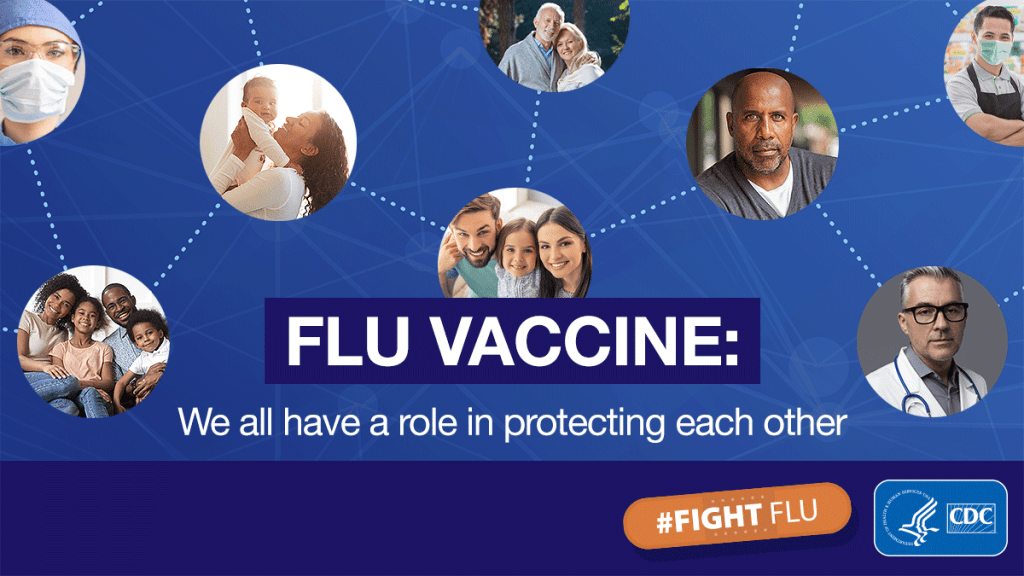
FLU VACCINE: We all have a role in protecting each other.
used with permission CDC


Dr. Aletha