Simple Tips for Healthy Holiday Eating

Holiday traditions often involve special foods and beverages, posing challenges for individuals managing medical conditions like diabetes, food allergies, and obesity. Emphasizing mindfulness in eating and understanding personal dietary restrictions can alleviate holiday stress and enhance enjoyment.

updated December 5, 2025

Everyone enjoys the holiday traditions of eating and drinking special foods and beverages.  But these can cause problems for people who need to manage what they eat and drink for medical reasons.

sliced Stollen

Nutritional adjustments play a vital role in managing these health conditions

  • diabetes
  • high cholesterol
  • celiac disease/gluten sensitivity
  • nut and other food allergies
  • lactose intolerance
  • overweight/obesity
  • alcohol dependence
  • heart, kidney, and liver dysfunction
  • anorexia/bulimia
  • pregnancy
  • migraine
  • cancer

Share the Joy, not the Germs

Lessons learned from the COVID-19 public health emergency are useful as we plan to celebrate holidays with gatherings. Several illnesses, particularly respiratory infections, are more prevalent at this time of year.

As much as we hate missing activities with close friends and family, we risk spreading contagious diseases if we attend when we are ill. Be gracious and stay home when you feel unwell.

If you are at higher risk of complications from respiratory infections, consider whether attending gatherings is wise.

“The COVID-19 pandemic has been stressful and isolating for many people. Gatherings during the upcoming holidays can be an opportunity to reconnect with family and friends.

This holiday season, consider how your holiday plans can be modified to reduce the spread of COVID-19 to keep your friends, families, and communities healthy and safe.”

Centers for Disease Control and Prevention
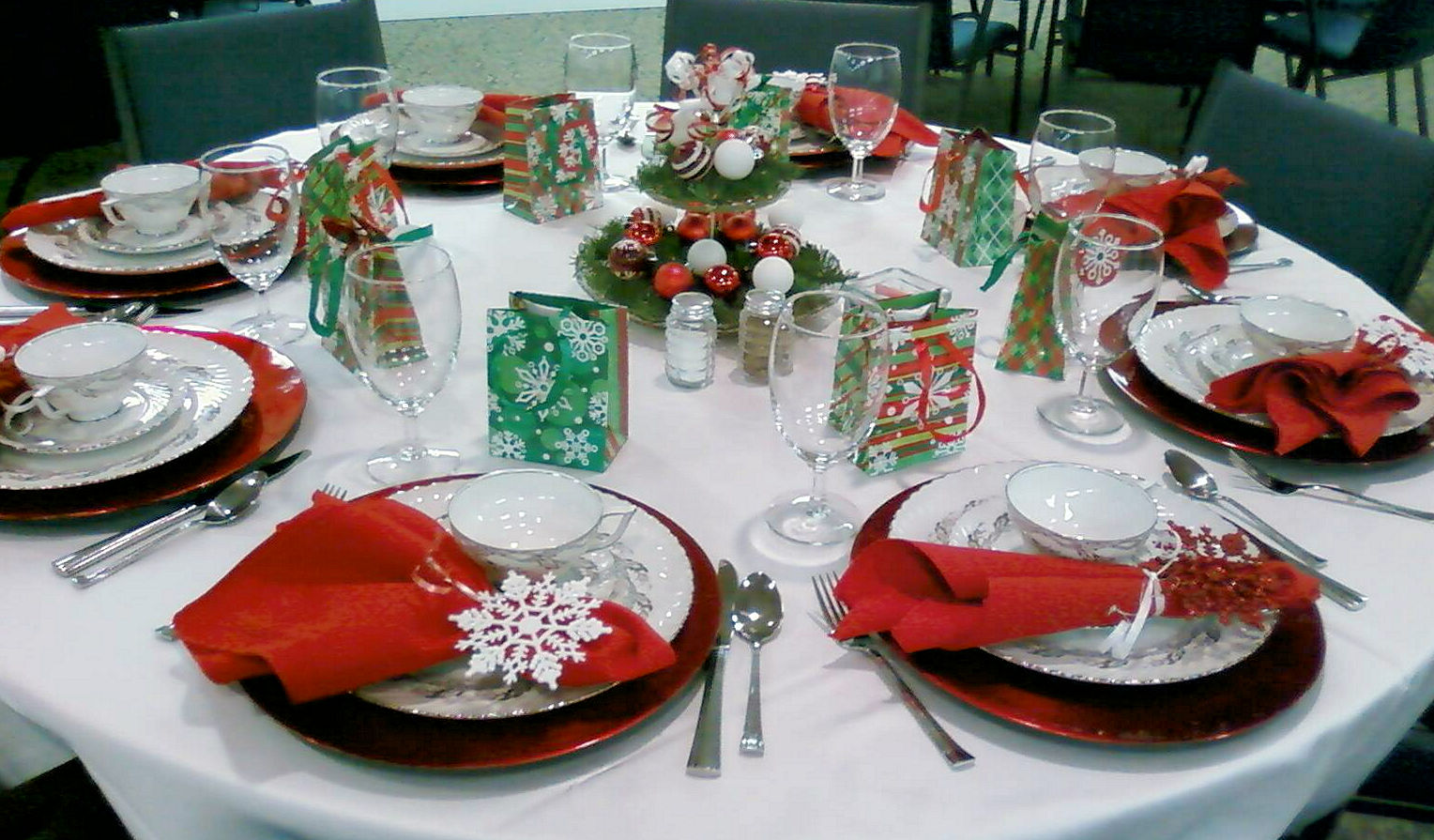
a dining table decorated for Christmas

Practical Tips to Plan Menus

Planning ahead to manage holiday stress also applies to cooking, entertaining, and eating during the holiday season.

If you plan and prepare holiday meals and parties, remember that some attendees need to avoid or restrict certain foods.  

Offer an ample variety of food and drinks so your guests will find something that works for them.

If you have house guests, they will appreciate your asking them about dietary needs or restrictions so you can have food available to meet their needs.

If you have special food needs, it may be wise to offer to bring a dish to an event or take food to eat if you will be someone’s house guest.

“Holidays can be a time of great anxiety for people with diabetes because it is so focused on food.

Don’t let questions about what to eat, how much to eat, and meal timing dampen your holiday. Plan in advance, so you can fend off stress and fully enjoy the day and keep your diabetes management on track.”

American Diabetes Association

Photo by fauxels on Pexels.com

The following links are provided for your information only and do not constitute clinical advice or endorsement. Always discuss health decisions with your personal healthcare professional.

Dr. Diana, an allergy doctor who blogs about cooking at White Coat, Pink Apron, suggests these

Edible Christmas Gifts

decorated Christmas cookies

 30 Best Gluten-Free Christmas Cookies

apples, oranges, and walnuts

Navigating the Holidays with a Food Addiction: 

” Eating disorders are not about food, it is about the underlying issues which can be triggered by anxiety and stress. Holidays can bring on both increased stress and anxiety and can be difficult for individuals to manage. When a person is in an active eating disorder, there are various ways to cope with the holidays.”

Addiction Hope.com

Time for you to plan

As you consider your holiday entertaining, whether as host or guest, what is most important for you to consider?

How will you plan ahead so that you can feel confident that your holiday celebrations are not only fun, but healthy and safe?

Who do you need to talk to or ask for help?

Exploring the HEART of holiday eating

I appreciate the resources I have linked to in this post for sharing their expertise online.

I’d love for you to follow this blog. I share information and inspiration to help you transform challenges into opportunities for learning and growth.

Add your name to the subscribe box to be notified of new posts by email. Click the link to read the post and browse other content. It’s that simple. No spam.

I enjoy seeing who is new to Watercress Words. When you subscribe, I will visit your blog or website. Thanks and see you next time.

Dr. Aletha

Reliable keys to recognize a medical emergency

How to know when an ER visit is needed for a medical problem

updated January 17, 2024

During the fall and winter, hospitals see an increase in patients with respiratory illnesses due to influenza, COVID-19, and pneumonia, as well as disorders due to cold exposure and injuries due to ice and snow.

One shouldn’t go to an emergency room unless they truly need to.

But what is an emergency?

An emergency can be a medical condition which 

  • is new, sudden, and/or unexpected,
  • worse than usual or uncontrolled,
  • of unknown origin,
  • not responding to treatment,
  • not improving or resolving,
  • interrupts normal life.

However, a more specific definition is

An emergent medical condition is one that, if not treated promptly 

  • Threatens life
  • Threatens one or more limbs
  • Threatens vision/hearing/speech/mental function/ function of any major internal organ or organ system
  • Threatens long term and/or permanent bodily harm
Minutes matter with heart emergencies

Emergency Medical Treatment and Labor Act (EMTALA). 

In the United States, a federal law known as EMTALA defines a medical emergency as

“a condition manifesting itself by acute symptoms of sufficient severity (including severe pain) such that the absence of immediate medical attention could reasonably be expected to result in placing the individual’s health [or the health of an unborn child] in serious jeopardy, serious impairment to bodily functions, or serious dysfunction of bodily organs.”

Examples of emergent conditions include 

  • Sudden or new  changes in heart function, like a myocardial infarction (heart attack), arrhythmia (abnormal heart rate or rhythm) or congestive failure (poor pumping capacity)
  • Brain conditions including stroke, head trauma, seizure, psychosis
  • Pulmonary (breathing) dysfunction including pulmonary embolus (blood clot), severe pneumonia, asthma or COPD
  • Multiple trauma, including extensive burns , multiple fractures, or trauma to any major organ like the liver or kidneys
  • Chemical changes in the blood; for example high /low blood sugar, low blood potassium, low platelets,
  • Severe depression and/or anxiety
  • Drug and alcohol overdoses
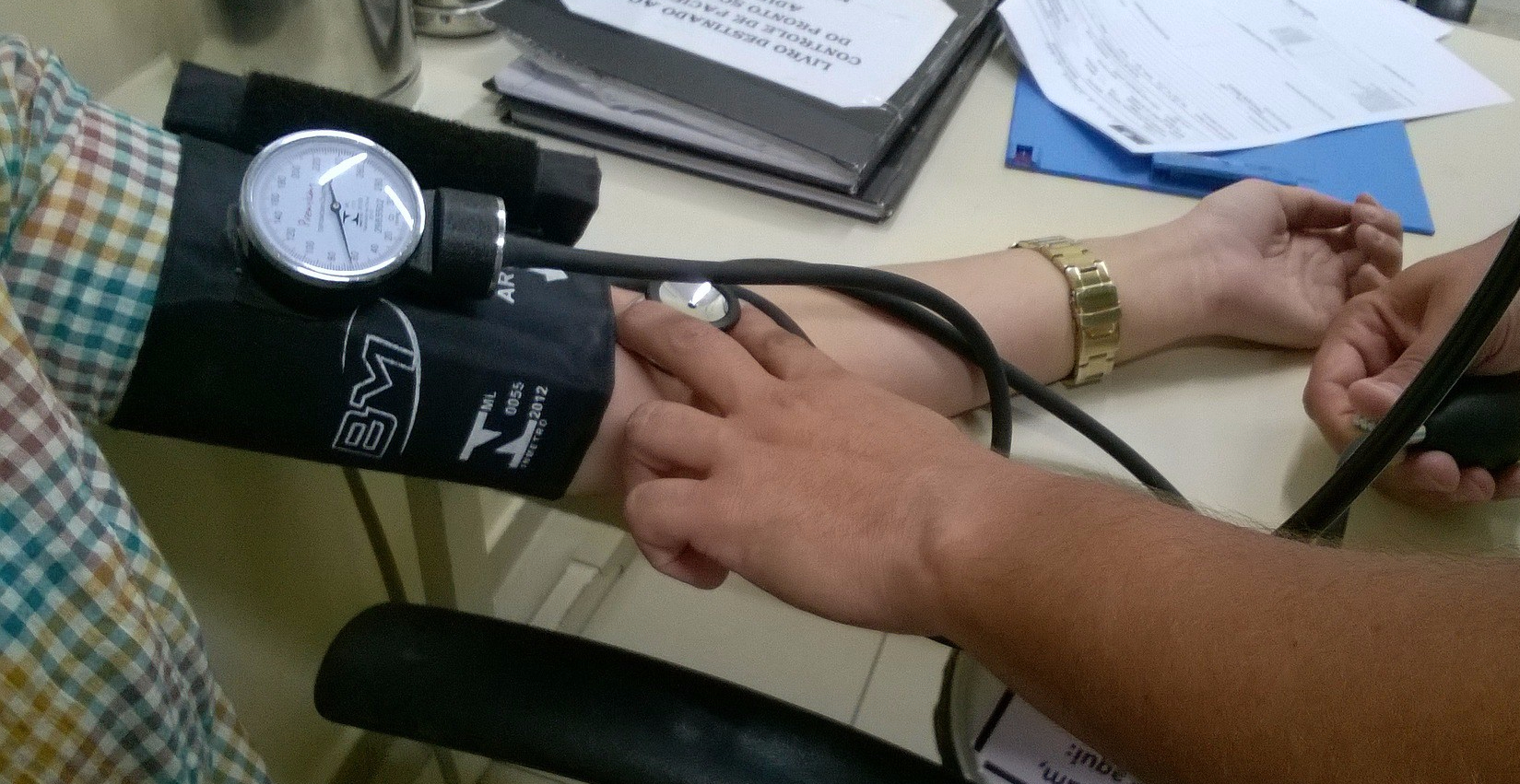
a person having blood pressure measured

SYMPTOMS of an emergency  include

  • Shortness of breath, or difficulty breathing, especially if not associated with exertion
  • Uncontrollable bleeding
  • A seizure, especially in a person with no previous diagnosis of seizures
  • Sudden or severe loss or difficulty with vision, hearing , speech, or other functions such as swallowing, thinking, walking, passing urine or stool
  • Fainting, passing out, loss of consciousness, severe dizziness
  • Hallucinations, confusion, thoughts or threats of harm to self or others
  • In a pregnant woman- any of the above plus loss of fetal movement
  • Persistent/severe nausea/vomiting/diarrhea
  • Severe pain, especially if it prevents or inhibits body function

Persons at risk

Certain groups of people are more at risk of significant illness with any of these symptoms, so emergency care should be sought sooner rather than later. They include

  • infants up to age 2
  • elderly-most medical references still call this over age 65
  • pregnant women
  • people with suppressed immune systems as from cancer chemotherapy, HIV, malnutrition, other drugs

Chest pain must always be taken seriously, even if mild.

Although in persons under 40 years old it is less likely due to a heart attack, there are other life threatening conditions that can occur in this age group. Again, especially if it is associated with any of the other symptoms, it is emergent.

Learn more about common heart diseases at this previous post

Exploring -when HEARTS break

While on a mission trip to Panama, my husband had a near emergency when a board flew into his leg causing a deep gash; our medical team members took care of the injury right on the clinic site, and he recovered without permanent damage
While on a mission trip to Panama, my husband had a near emergency when a board flew into his leg causing a deep gash; a local surgeon was working with our medical team , and with their help he sutured the wound at the small rural church where we were holding clinic; his leg has healed well, just a scar to remind us of the adventure.

IN AN EMERGENCY  CALL 911!

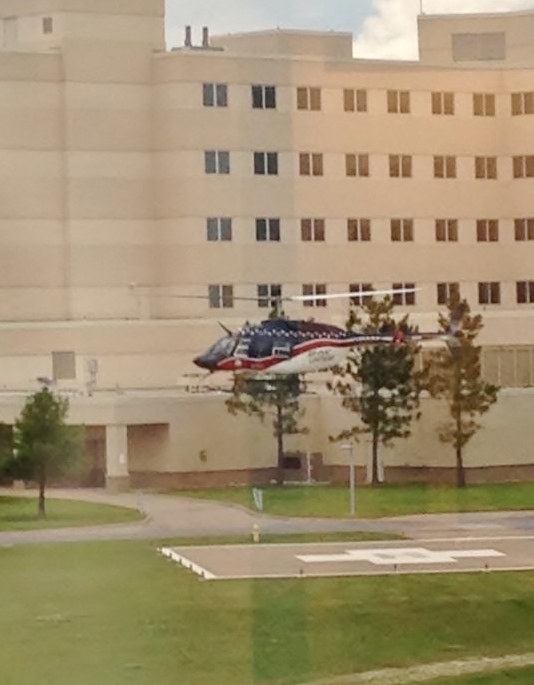
Helicopters transport of emergency patients can make the difference between life and death.

You should not call your doctor’s office, your mother, your best friend, or post a question on social media (which I have seen done!)

If it’s not an emergency but is urgent, then the next best options are calling your doctor’s office or going to an urgent care clinic. Posting on social media is still a bad choice. Do you really want your “friends” giving you medical advice about something they know nothing about?

We doctors don’t expect you to diagnose your condition before coming to the ER or the office, and insurance companies shouldn’t either. With using the above guidelines, if you even suspect your problem is an emergency, you are wise to seek help.

Dr. Esther Choo, an emergency physician shares

6 Tips for Getting the Most Out of Your Emergency Room Visit

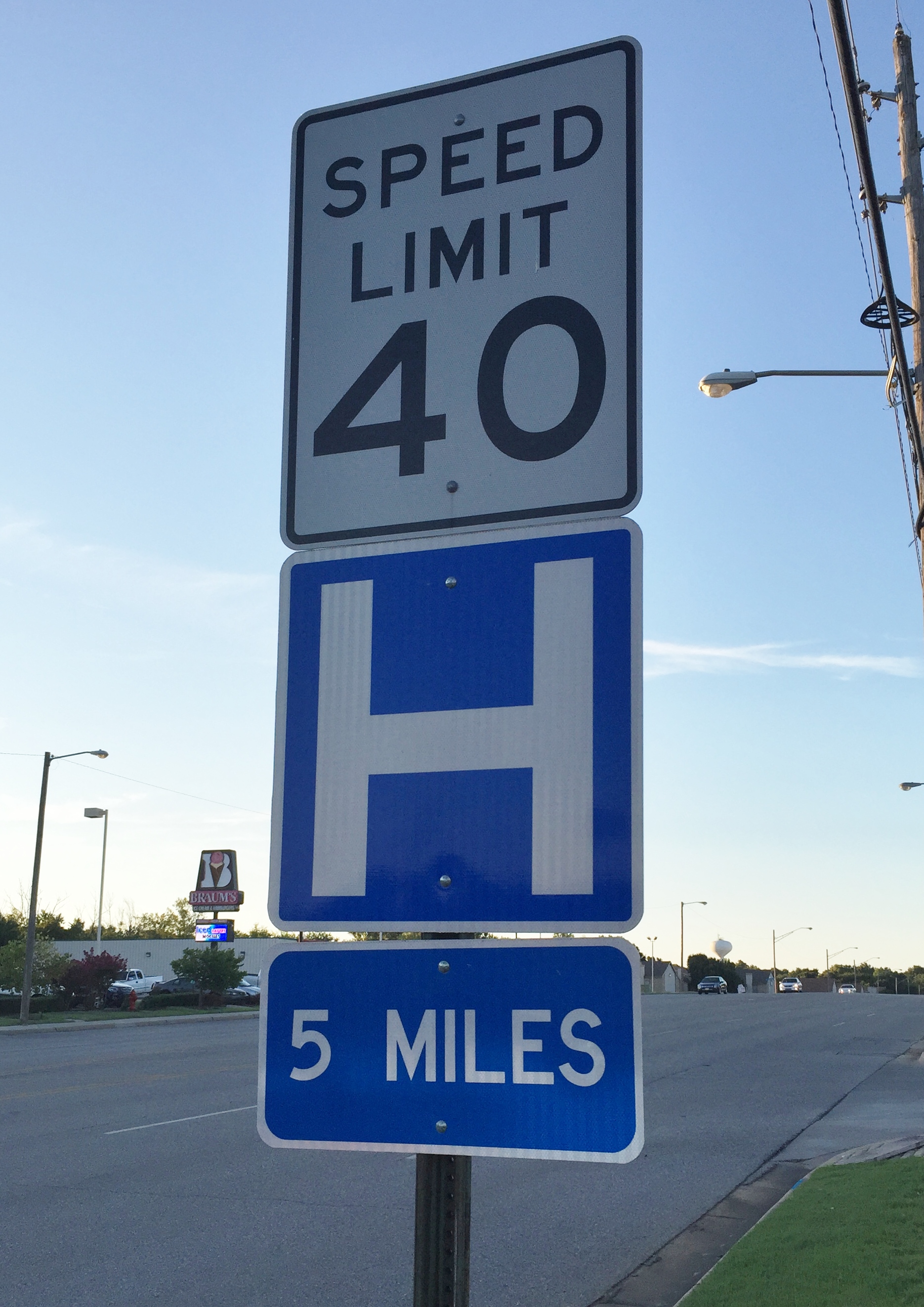
a speed limit sign with an H for hospital , 5 miles
A hospital will have a full-service emergency room, although the level of services differs based on the size of the hospital.
Dr. Deborah Burton, pediatric ear, nose, and throat physician gives

5 Top Tips to Best Use Urgent Care Centers

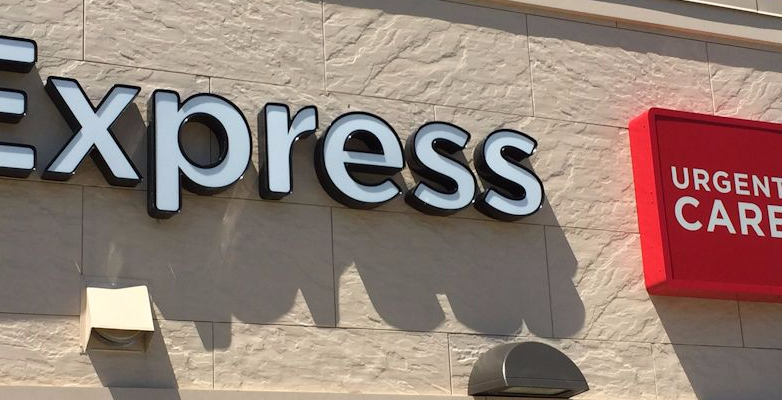
a sign on a building -"express-urgent care"
Don’t expect an urgent care clinic to offer all the services of an emergency room.

Your definition of an emergency and your insurance company’s definition may differ-and that difference may cost you money. Read why here.

Is it an emergency? Insurer makes patients question ER visit

exploring the HEART of emergencies

Dr. Aletha
Helicopter landing at a hospital to deliver a critically ill person.