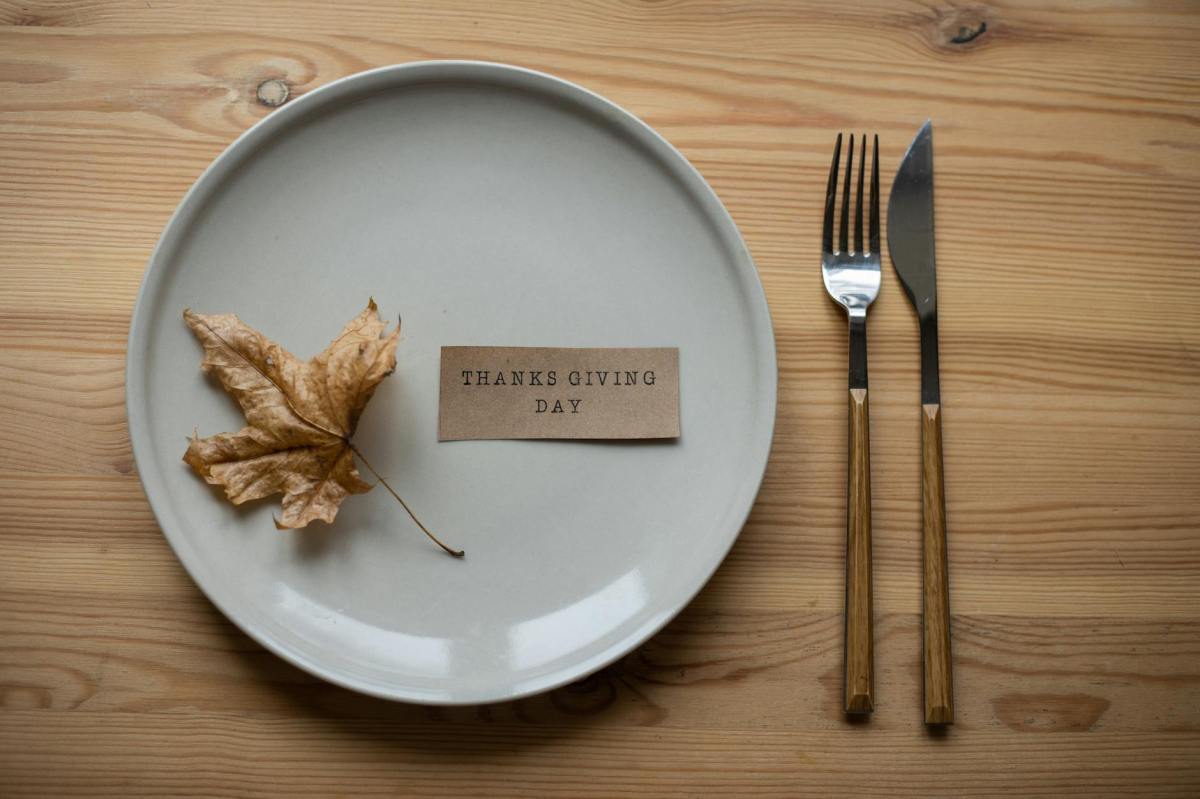
November Dates and Days

November in the U.S. brings Thanksgiving, a time for family and reflection. We also acknowledge Armistice Day, Native American Heritage Month, and Giving Tuesday, promoting generosity and the contributions of diverse communities. Each observance highlights cultural significance and the importance of giving back.

Say “November”, and in the United States, we think “Thanksgiving”.

Yes, for the abundant and delicious food we consume, but mostly because it’s a time spent with family, often ones we don’t see every day. And other countries observe a Thanksgiving Day.

What do you have planned for Thanksgiving?

Whether you have made plans yet or not, what would make your holiday special and satisfying? What do you need to do now to make that happen?
Photo by Kelly on Pexels.com

An Immigrant’s Thanksgiving

Dr. Hans Duvefelt immigrated to the United States from Sweden. He practices medicine in Maine and writes a blog, “A Country Doctor Writes”.

He wrote about his first Thanksgiving in the United States. Here is a link to that article.

A Country Doctor Writes
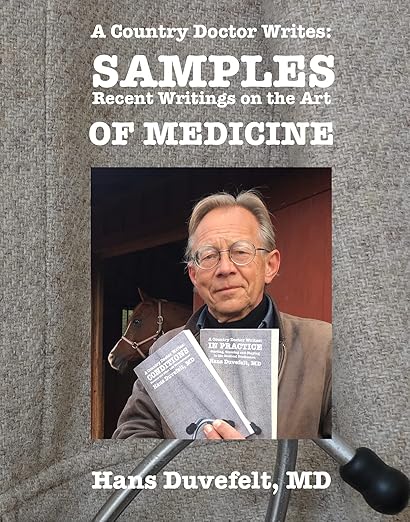
Dr. Duvefelt published his blog posts as a 3-book series, available on Amazon. (affiliate link)

Daylight Saving Time ends

If you don’t like changing to Daylight Saving Time in the spring, you will welcome the change back to standard time in the fall. We used to change in October but a few years ago it was extended to the first Sunday in November.

If the change messes with your sleep, this post offers help to adjust quickly.

How does the change in daylight hours affect the way you feel and function?

Armistice Day-November 11

Maybe you’ve never heard of this day. It’s become more of a historical term for the end of World War I, said to have ended “at the 11th hour on the 11th day of the 11th month” in 1918.

Many countries observe it in various ways. In the United Kingdom it’s called Remembrance Day. In the United States, we mark it as Veterans’ Day, where we honor those who have served in the military in all wars and peacetime.

Forever Honoring Our Veterans 

Veterans Day on November 11 honors all who served in the U.S. armed forces. The Veterans Administration provides crucial health care and education through the VHA system. Personal stories highlight the deep bonds between veterans and their families. Meets a wounded veteran’s therapy dog serving as his best man at his wedding.

Keep reading

Your Veteran Relatives

Some veterans welcome the chance to tell stories about their service time, while others find it too intrusive. Be sensitive to their feelings and don’t push those who are reluctant to share.

For your relatives who are willing to talk about their military experiences, show interest even if you’ve heard their stories before. Their accounts are history that may otherwise be unknown. Once they are gone, their stories will be gone too. Don’t miss this chance to learn valuable family history.

Native American Heritage Month

The Thanksgiving holiday mostly celebrates the immigration of Europeans to the North American continent. Native American Heritage Day and Month, recognize the people who were already here.

It is a time to celebrate the traditions, languages and stories of Native American, Alaska Native, Native Hawaiian, and affiliated Island communities and ensure their rich histories and contributions continue to thrive with each passing generation….

we celebrate the culture and heritage of these remarkable Americans who deeply enrich the quality and character of our Nation.

We celebrate Indian Country with its remarkable diversity of American Indian and Alaska Native cultures and peoples while remembering and honoring our veterans who have sacrificed so much to defend our Nation.

U.S. Department of the InteriorIndian Affairs

If you descend from Indigenous groups, how do you observe and preserve your heritage?

If you descend from people who came to North America from elsewhere, what do you know about the Indigenous people who inhabited the land you now live on?
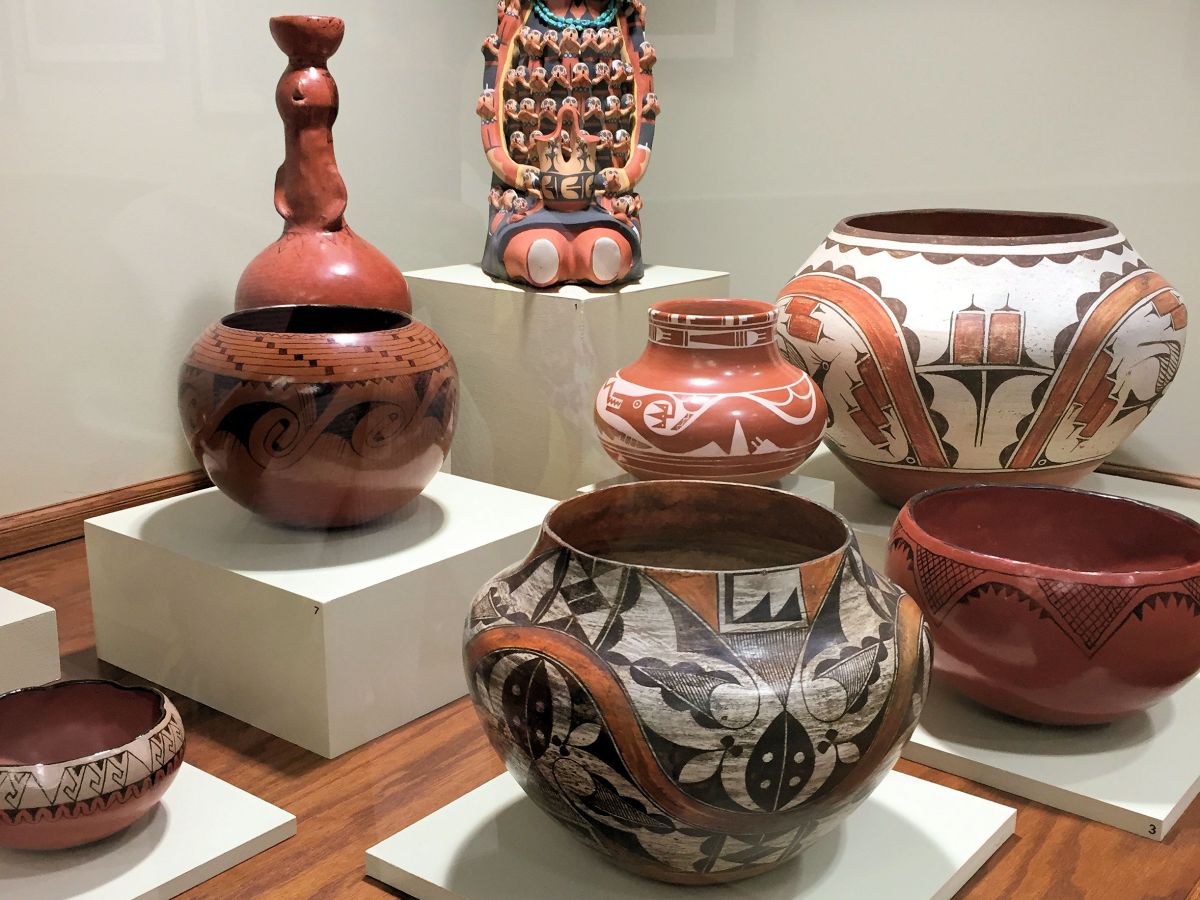
The Rich History of Watercress in Native American Culture

In 1889, the Locvpokv Muscogee Creeks established the village of Talasi near the Arkansas River, later called Tulsa. The Council Oak remains a cultural landmark, where Native Americans hold ceremonies. This article explores watercress and its culinary uses, highlighting its significance to local indigenous communities and the environment.

Keep reading

Giving Tuesday-“Radical Generosity”

It started with Black Friday, the day after Thanksgiving, when shoppers flock to retailers in search of Christmas shopping bargains.

Then came Small Business Saturday, which promotes local, independently owned businesses.

And the next shopping event is Cyber Monday, for e-commerce transactions on the Monday after Thanksgiving. It was created by retailers to encourage people to shop online.

All of these are opportunities for shoppers to save money and for businesses to make profits, strengthening the economy. But some parts of our society can fall through the cracks of that economy.

While some of us may be doing well financially, not everyone is. And that’s where Giving Tuesday bridges the gap.

Join the GivingTuesday movement and reimagine a world built upon shared humanity and radical generosity.

Giving Tuesday website

And generosity is not just about money. “Whether it’s making someone smile, helping a neighbor or stranger out, showing up for an issue or people we care about, or giving some of what we have to those who need our help, every act of generosity counts, and everyone has something to give.”

Radical generosity-the suffering of others should be as intolerable to us as our own suffering

GIVING TUESDAY

Because Thanksgiving is November 27, Cyber Monday is December 1, and Giving Tuesday is December 2. But why wait? Any day is a perfect day to be generous.

Exploring the HEART of health

I’d love for you to follow this blog. I share information and inspiration to help you turn health challenges into health opportunities.

Add your name to the subscribe box to be notified of new posts by email. Click the link to read the post and browse other content. It’s that simple. No spam.

I enjoy seeing who is new to Watercress Words. When you subscribe, I will visit your blog or website. Thanks and see you next time.

a world globe with two crossed bandaids

Doctor Aletha

Navigating November Changes: Sleep, Insurance, and Elections

In November, significant changes will occur in the United States, impacting our health and daily routines. Daylight Saving Time ends on November 2, leading to shorter days. Health insurance enrollments for Medicare and Marketplace plans open, while state and local elections on November 4 will influence community health resources and services. Anticipating these changes helps us plan ahead and avoid feeling stressed.

Updated November 8, 2025

Change often seems to happen slowly, especially when we want something quickly. Sometimes change happens suddenly and dramatically, like when the world was plunged into a viral pandemic six years ago.

Some notable changes will happen in November, at least in the United States, and they can have a direct effect on our individual and collective health.

  • Time- from Daylight Saving to Standard
  • Healthcare-changing Medicare, ACA, or employer-sponsored health plans
  • Elections-Voters choose among candidates to fill multiple federal, state, and local offices

Daylight Saving Time ends on November 2

In most of the United States and Canada, we will resume standard time on Sunday, November 2 at 2 AM. Unless you’re awake at that time, you’ll probably want to change your clocks before going to bed Saturday night. (Although many clocks change automatically now.)

That means sunsets will come even earlier than they have been, and there will be fewer daylight hours until the first day of winter, December 21. If you live south of the equator, you welcome more sunshine instead.

Some people may not feel any different as far as sleep and sleepiness due to the change. For most people, “falling back” is less disruptive to sleep than “springing forward.”

Here are some tips to help you adjust to the new day-night schedule of light and dark.

Night before and morning of

  1. Keep your regular bedtime the night before — treat the clock change like a normal night of sleep so you preserve your circadian rhythm.
  2. Avoid a late bedtime because of the “extra” hour — going to bed much later undermines the benefit of the gained hour.
  3. Wake at your usual time on Monday even if you feel rested; consistent wake times anchor sleep timing and help adjust quickly.

Gradual schedule shift if you’re sensitive

  1. Shift sleep-wake by 15–30 minutes for 2–3 days before if you know you’re sensitive to schedule changes.
  2. Split the difference after the change by keeping the new clock time but nudging bedtime slightly earlier for a few nights.

Use light strategically

  1. Get bright morning light as soon as practical after waking to advance circadian timing and reduce morning grogginess.
  2. Dim evening light and avoid screens 60–90 minutes before bed to encourage melatonin production and earlier sleep onset.
Photo by Ketut Subiyanto on Pexels.com

Health Insurance Enrollment for 2025

Many people have a chance to change their health insurance in November.

Medicare is available to anyone at age 65 and certain other people. Enrollees can make changes from October 15 to December 7.

Medicare Advantage Plans (Part C)Medicare CostPlans,Demonstrations/Pilots, and Program of All-inclusive Care for the Elderly (PACE).

If you aren’t eligible for Medicare or an employer-sponsored insurance plan, you may get coverage through the Health Insurance Marketplace, with open enrollment starting November 1 through January 15.

If you are covered by an employer-sponsored health plan, you may be required to sign up for next year’s coverage, especially if you want to change coverage options. Otherwise, you may automatically be enrolled into the same plan.

Whatever plan you choose, you should carefully evaluate options, especially out-of-pocket costs. In a previous post, I reported on the problem of medical debt, due to unexpected expenses not covered by insurance.

Your out-of-pocket medical expenses may increase with a less expensive insurance plan if it requires higher deductibles and co-pays than a plan with higher premiums. You should consider the cost of anticipated health care as you choose coverage.

How to Pay for Medical Care: A Guide for Americans

In this post I review how people pay for their healthcare. In the U.S., medical care financing includes employer-provided insurance, Medicaid, Medicare, the Affordable Care Act, and COBRA. Eligibility for these programs varies based on income, age, and employment status. Additional financial assistance exists through Medicare Savings Programs and nonprofit organizations, helping manage medical bills…

Keep reading

November 4-United States Elections

You may think this is not an election year. That is correct as far as federal elections, as for President, Senators, and Representatives.

However, many state and local elections will be held on Tuesday November 4. These include elections of governors, state supreme court justices, attorneys general, and other state offices.

These elections cover a mix of executive, legislative, judicial, and local offices. Special elections may also be held to fill vacancies in Congress.

New York City, the most populous city in the United States, will elect a new mayor in 2025.
Photo by Dr. Aletha

Several major U.S. cities will elect mayors this year, including.

  • New York City
  • Charlotte
  • Seattle
  • Boston
  • Detroit
  • Albuquerque
  • Atlanta
  • Miami
  • Minneapolis
  • Cleveland
  • Cincinnati
  • Pittsburgh
  • Saint Paul
  • Greensboro
  • Jersey City
  • Durham
  • Buffalo
  • Toledo

(This list was compiled with the use of AI)

📌 Note: Election dates and contests can vary by locality. It’s always best to check with your local election office for the most accurate and up-to-date information.

You can also find election information at Ballotpedia.

Notable results

On November 4, voters elected Mikie Sherrill as governor of New Jersey (the first woman Democrat to hold that office).

Abigail Spanberger is the first woman elected governor of Virginia.

Michelle Wu was reelected mayor of Boston, Massachusetts. She was the first woman elected to that office in 2021.

Zohran Mamdani, a relative newcomer to politics and self-described “democratic socialist”, was elected mayor of New York City, the largest city in the United States.

Boston Massachusetts elects a new mayor in 2025. photo by Dr. Aletha

How Voting Affects Your Health

State and local governments play a vital role in our communities by funding, organizing, and regulating essential health services. State health departments set public health policies, direct disease prevention programs, and manage emergency responses.

Some local governments operate health departments and clinics that provide direct care like vaccinations, maternal health services, and screenings. They also monitor water quality, food safety, and environmental hazards, keeping us safer. 

Since elected officials oversee these services, voting in local elections directly impacts the quality and availability of care. Local leaders decide budgets for hospitals, mental health programs, and emergency medical services, and they influence partnerships with schools, nonprofits, and first responders.

When we vote, we choose the decision-makers who determine how resources are allocated, which programs are prioritized, and how quickly communities can respond to crises. Thus, local elections shape the health systems that touch our lives every day—making participation vital for strong, resilient communities. 

Navigating Your Changes

  1. What changes do you anticipate this month, or before year-end?
  2. What will these changes mean for you?
  3. What do you need to know and do now to be ready?

Exploring the HEART of Health

I’d love for you to follow this blog. I share information and inspiration to help you turn health challenges into health opportunities.

Add your name to the subscribe box to be notified of new posts by email. Click the link to read the post and browse other content. It’s that simple. No spam.

I enjoy seeing who is new to Watercress Words. When you subscribe, I will visit your blog or website. Thanks and see you next time.

Dr. Aletha