7 Essential Health Habits for a Satisfying Life

Prioritizing essential health habits like quality sleep, nutritious eating, meaningful connections, giving, physical and mental activity, and authentic conversation promotes well-being. Implementing these strategies fosters a fulfilling and healthier lifestyle.

updated October 29, 2025

Do you spend more time than you want dealing with clutter? Do you organize only to find you still don’t have enough room for your belongings?

If so, maybe you need to discard stuff, not organize it better. This process goes by different names—decluttering, simplifying, minimalism—with the goal of less stress, more peace, and more time to enjoy activities that truly give us pleasure and satisfaction.

Sometimes we need to simplify our daily habits. Do you ever feel you’ve been busy all day, and didn’t accomplish anything you really wanted to do? Maybe decluttering, simplifying, and changing our daily routine will create a more satisfying -and healthier- life.

7 Health Habits We Need

Here are some habits we often neglect or fail to prioritize, but medical professionals recognize as vital to optimal health and well-being. I’ve illustrated each with a link to an affiliate service or product that you might find helpful (and through which you can help support this blog), but feel free to develop your own ideas on how to make these a consistent part of your life.

Sleep

Too many of us treat sleep like a luxury or a waste of time rather than as the necessity that it is. Some of us need more quality sleep; many people are chronically tired due to undiagnosed sleep disorders such as obstructive sleep apnea which aren’t recognized without medical evaluation.

Eating

We need to eat nutritious food- a whole food, plant-based diet with fresh vegetables and fruits, beans, legumes, whole grains, lean meats, dairy- anything that isn’t processed or full of unnecessary sugar or excessive fat.

EAT PLANTS FEEL WHOLE-a book review

In this post I review Dr. George E. Guthrie’s book, “Eat Plants Feel Whole,” where he highlights the transformative power of a whole-food, plant-based diet in combating chronic diseases. Dr. Guthrie, a renowned family physician, emphasizes the addictive nature of processed foods and advocates for a shift towards plant-powered nutrition to improve overall health and…

Keep reading

Connection

We need to spend more time with our family and friends, keeping in touch physically and emotionally. Parents and children connect when they read together. Family vacations create connections through shared activities and memories. Children benefit when grandparents actively participate in their lives.

Visiting this local museum with my toddler grandson was a treat for both of us.

A Visit to Wow! Children’s Museum

I talk about my visit to WOW! Children’s Museum dedicated to engaging children and families in creative learning experiences. This bright, colorful interactive museum is in Lafayette, Colorado, near Denver .

“We specialize in highly interactive programs for small groups that give each child an opportunity to explore art, science, and culture.”

Giving

We need to cultivate generosity and give more, whether it’s our money, time, talent, or possessions. Every community offers ample opportunities to volunteer and serve others.

pictures of children from various countries with the logo ONE CHILD
My husband and I have supported children through ONE CHILD for 30 years.

Physical activity

We need to move more often, including sports, exercise, chores, walking, even standing up more than we sit.

Here are exercise and fitness recommendations and guidelines from the National Institutes of Health

I keep track of my daily steps with a Fitbit device, and record workouts, mindfulness, and sleep. (affiliate link)
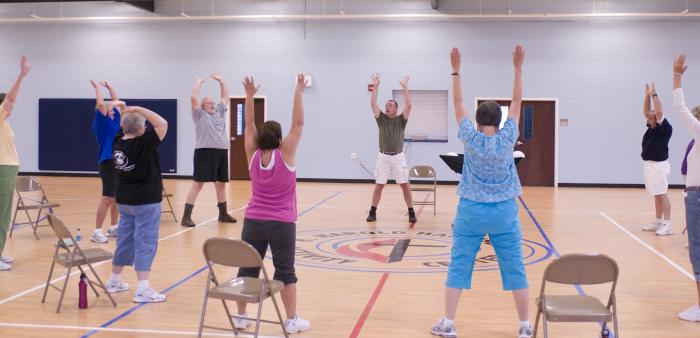
people in a gym exercising
photo courtesy Amanda Mills, CDC.gov, Public Health Image Library

Mental activity

We can read, learn new skills or improve established ones,  start or resume a hobby like photography, learn another language, and maybe start a blog.

Bookshop.org is an online bookstore that financially supports local, independent bookstores.

We believe bookstores are essential to a healthy culture and they are dedicated to the common good.

Bookshop.org donates a portion of every sale to independent bookstores.

photo by Dr. Aletha, in a bookstore

Conversation

We need to communicate with others often and authentically. Social media, phone calls, text, and email messages substitute when necessary, but they shouldn’t replace face-to-face time with others.

Book clubs, hobby groups, classes, and church groups offer safe spaces to share ideas and learn from one another.

2 women talking over coffee with open bibles
Conversation over coffee can be therapeutic. graphic from the Lightstock collection of stock photos, graphics, and other media, an affiliate link

How to Listen So People Will Talk-a book review

In this post I review the book “How to Listen So People Will Talk” by Becky Harling. She emphasizes the importance of listening in effective communication. The author, a certified John Maxwell speaker and coach, provides practical tips, including asking questions, showing empathy, and using body language. The book addresses listening through conflict and enhancing…

Keep reading

Self Evaluation

  • Which of these habits do you need to cultivate?
  • What will you gain by including _____ habit in your life? What will you lose if you don’t?
  • What is your next step to getting there? How will you know you have arrived?

Come back to this post and leave a comment anytime.

Exploring the HEART of healthy habits

Another healthy habit suggestion-follow this blog!

I’d love for you to follow this blog. I share information and inspiration to help you turn health challenges into health opportunities.

Add your name to the subscribe box to be notified of new posts by email. Click the link to read the post and browse other content. It’s that simple. No spam.

I enjoy seeing who is new to Watercress Words. When you subscribe, I will visit your blog or website. Thanks and see you next time.


 

Dr. Aletha

How to relieve depression in 11 simple steps

Not everyone needs antidepressant medication, but when they do, it can make a dramatic difference. Medication needs adequate time and dosage to be effective, and once that is reached should be continued long enough for the depression to stay in remission.

When I started this blog I knew nothing about blogging so I looked for resources to help. One of the best I found was the ProBlogger Podcast by Darren Rowse- and it is free.

(This post uses several affiliate links to Darren’s website and other affiliates-these are ways for you to support this blog at no cost to you. )

Darren Rowse is the founder and editor of ProBlogger and Digital Photography School.

I loved listening to his Australian accent (which I rarely hear living in Oklahoma), appreciated his easy to understand instructions, and connected with his genuinely friendly attitude.

First, mid-life crisis

In 2018 Darren extended his influence through a Facebook group called Find Your Spark, which is for

people who have the common goal of finding their spark in life.

Darren Rowse


That year Darren wrote an article for Medium explaining how he was experiencing a mid-life crisis. The Facebook group started as a place for people who read Darren’s ‘sparks article’ and wanted to take part in the resulting 30-day challenge. Now anyone is invited to join the group.

Then, depression

Early in 2019, Darren shared in the group that he had been dealing with depression several months before. By that time he was doing better, and after receiving much positive feedback in the group he wrote another article for Medium explaining what had helped him manage the depression.

I appreciate the first thing he said was “I am not a doctor so I am not giving advice.” But he thought what helped him might help others, and since I am a doctor and I agree that these things are helpful, I am going to share them with you and add my thoughts on each. Of course, if you want to go straight to Darren’s article, that’s fine too. Here is the link-

11 Things That Have Helped Me With Depression

1. Talking to my Doctor

Not everyone with depression needs to see a psychiatrist; there may not even be one near where you live. Family physicians receive extensive training in depressed mood, as well as the physical problems that can precipitate or result from depression, like sleep problems, weight gain or loss, chronic pain, and fatigue.

2. Medication

Not everyone needs antidepressant medication, but when they do, it can make a dramatic difference. Medication needs adequate time and dosage to be effective, and once that is reached should be continued long enough for the depression to stay in remission.

3. Exercise.

I routinely recommend that depressed persons exercise; actually, I recommend it to everyone. Done properly, it almost never causes a problem, and is known to improve depression, anxiety, insomnia, and chronic pain.

Here’s a post that offers you some motivation to move more with confidence and purpose.

Winning Attitudes: Inspiration from Team USA

Team USA, managed by the US Olympic Committee, is a federally chartered nonprofit corporation without federal financial support. The world-class Olympic Training facility in Colorado Springs houses both Olympic and Paralympic athletes. The tour highlights the importance of physical activity, provides guidelines for optimal health, and shares winning attitudes. The facility is open for visits.

Keep reading

4. Getting a dog

Probably any type of animal contact helps lift one’s mood. I found this true myself this summer when my husband was recuperating from an ankle fracture. Since he was non-weight bearing in a cast, he was confined to home except trips to the doctor so I stayed home with him other than work. During this time, we took care of a friend’s cat while he was out of town. We had not had an animal in our home in a long time but we quickly bonded with the kitty and found her entertaining and calming. Her presence took our minds off the pain and uncertainty about my husband’s injury.

In this post I explained how animals can help people heal .

People whisperers- how animals help us heal

Guide Dogs have been used to help visually impaired persons for hundreds of years, but now they and other animals assist people with other types of disabilities, as well as provide companionship and comfort.

Keep reading

5. Telling friends and family

I agree with this as long as those friends and family are supportive. I would start with those closest, who probably already realize something is wrong. You do not need people who will blame you for your depression, tell you to “just snap out of it”, or advise unsound treatments.

6.Improving my diet

Like exercise, this one is universal. Even people who aren’t depressed can benefit from eating more plant based whole foods, like the ones I discussed in this previous post.

Surprising health benefits of plant based eating

The post introduces two influential books and associated websites advocating for whole plant-based unprocessed foods. “The China Study” demonstrates the link between nutrition and major diseases, while “How Not to Die” proposes dietary changes to prevent and reverse diseases. These resources recommend whole foods, plant-based diets and provide evidence-based guides and recipes for healthy eating.

7. Journalling

Whether you call it a diary, journal, or blog, expressing ourselves in writing can be therapeutic. Or for some people it may be another form of writing, like poetry, essays, short stories. Other forms of expression like singing, dancing, performing arts, photography, crafting, sewing, and needlework can be soothing, calming, and satisfying.

8. Reading

Obviously, you’re a reader, although you may not be doing it to treat depression. I think this can help 2 ways.

First, by reading books and other media specifically about depression to learn more about its causes and treatment.

Second, by providing an outlet for fun, humor, reflection, learning, thinking, growing- all of which can deflect depressive thoughts and attitudes.

Come Read with me-Tyndale Rewards.com
Reader Rewards Club

9. Creating new projects

Much of this I alluded to in #7, but consider taking on new work projects, community activities, and family events. People with depression often feel overwhelmed, so don’t rush this one, so as not to aggravate those feelings.

10. Volunteering

Depressed people often feel isolated and lonely and may avoid other people. Volunteering can make it easier to connect-unlike social events, volunteering usually has a set agenda so you know what you’re going to do and even say. That can take the pressure off trying to make small talk and be sociable when you don’t yet feel so. Sharing with others who need our help makes our own problems seem less intense.

Your community likely offers numerous opportunities to volunteer. Also check out this list for other opportunities to get involved in helping others.

Sharing the HEART of health

11. Prayer/meditation

How many times do you hear “sending thoughts and prayers” when there is a death or other tragedy? But I think if we say that, we should mean it. Sometimes it can be hard to pray for oneself or to ask others for prayer, it may seem selfish or weak.

But prayer is an integral part of most faith traditions that I know of; Christians are encouraged to “pray without ceasing.” (1 Thessalonians 5:17) Thinking and meditating on scripture and other words of “faith, hope, and love” can counteract the negative thinking that usually drives depression.

You’re not alone.

Darren and I want to assure you there is hope for depression and you do not have to suffer alone. Start with your doctor and check out any other resources in your community and on-line. As Darren said at the end of his article,

if you know someone with depression who needs to read this — please pass it on.

Dealing with suicidal thoughts

Depression sometimes leads to suicidal thoughts, which may progress to plans, attempts, and loss of life. Read more now in this article by psychiatrist Dr. Melissa Welby

Suicidal thoughts and suicide prevention

988lifeline.org

SUICIDE AND CRISIS LIFELINE. CALL.TEXT.CHAT

In another post, learn about a woman singer and author who also confronted depression and won.

More ways to win over depression

More ways to win over depression

Sheila Walsh an accomplished singer when she became co-host of The 700 Club. She seemed to be at the peak of her career publicly but privately she was careening downward. One evening she left the studio on the verge of suicide and checked into a mental hospital .

Keep reading

exploring the HEART of mental health

Dr. Aletha