Prostate cancer screening- where it stands now

(this post has been updated 11/17/2015)

Prostate cancer is to men what breast cancer is to women in the United States-

  • The number 1 diagnosed cancer in men
  • The number 2 cause of cancer-related death in men
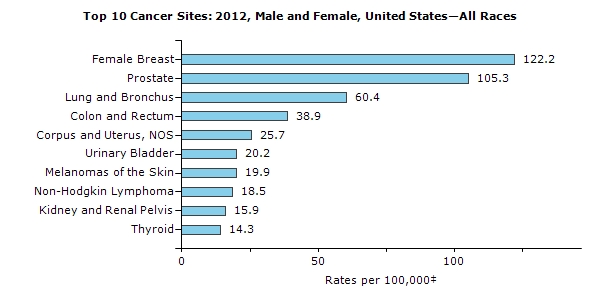
Top 10 cancers in the U.S.

So, naturally we would like to be able to diagnose it at a stage where the chance for a cure is greatest.

A screening test is a test that is done on a healthy person to detect a disease that is not causing symptoms. 

For breast cancer, that is a mammogram. For prostate cancer, it is a fairly simple blood test to measure a chemical called Prostate-specific antigen, or PSA
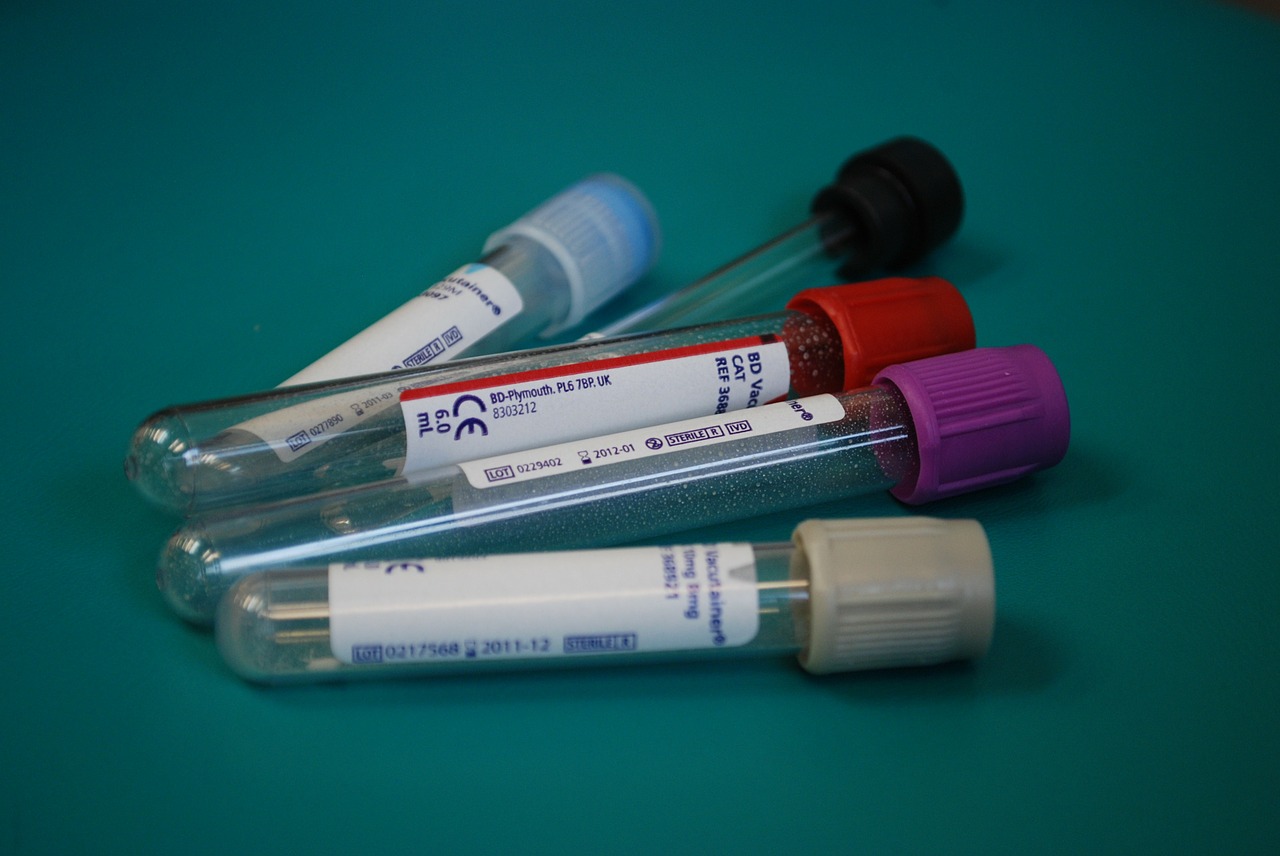
The blood level of PSA may be high or normal in the presence of cancer. If high, it will decline with treatment.

 PSA is a protein produced only by the prostate gland; levels in the blood can be elevated by any disease of the prostate, not just cancer. And, in some cases, it can be normal, even in the presence of cancer.
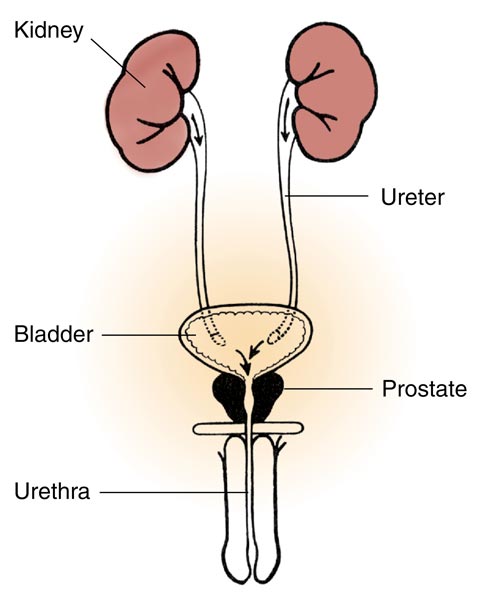
anatomy of the prostate gland
The prostate gland sits just under the bladder in the pelvic area.

Despite the bleak sounding statistics, we know that most prostate cancers grow so slowly that they will never cause death. And, for cases that are discovered and treated, sometimes the treatment can cause complications worse than would have occurred from the cancer.

So, multiple organizations including the American Cancer Society, and the American Urological Association, have issued guidelines for screening. To simplify, I am listing a composite of the recommendations from them and others, since they are all quite similar.

  • Men under 50 years old- screening not recommended (unless high risk, see below)
  • Men from age 50 to 70 years old should discuss the benefit versus risk with their physician, and make a decision together
  • Black men are at higher risk so should discuss screening with their physician at age 45 years.
  • Men whose father or brother had prostate cancer prior to age 65 years, should begin discussions at age 45 years.
  • Men age 70 and older do not need screening, because they will unlikely die from prostate cancer.
  • Finally, any man whose health status suggests a life expectancy of less than 10-15 years does benefit from  screening.

The goal for cancer screening, other than merely finding a cancer, is to

  • increase a person’s chance for cure and survival.
  • minimize complications of the screening and treatment

In the case of prostate cancer, screening does not seem to accomplish this. But these, like other screening guidelines, are based on current evidence, so must be reviewed regularly and changed based on new information.

Here are the guidelines as published for patients in the Journal of the AMA with a link to a podcast discussion.

This Guide to Surviving Prostate Cancer 

by Dr. Patrick Walsh

Guide to Surviving Prostate Cancer
This represents an affiliate link for this book.

“covers every aspect of prostate cancer, from potential causes including diet to tests for diagnosis, curative treatment, and innovative means of controlling advanced stages of cancer.”

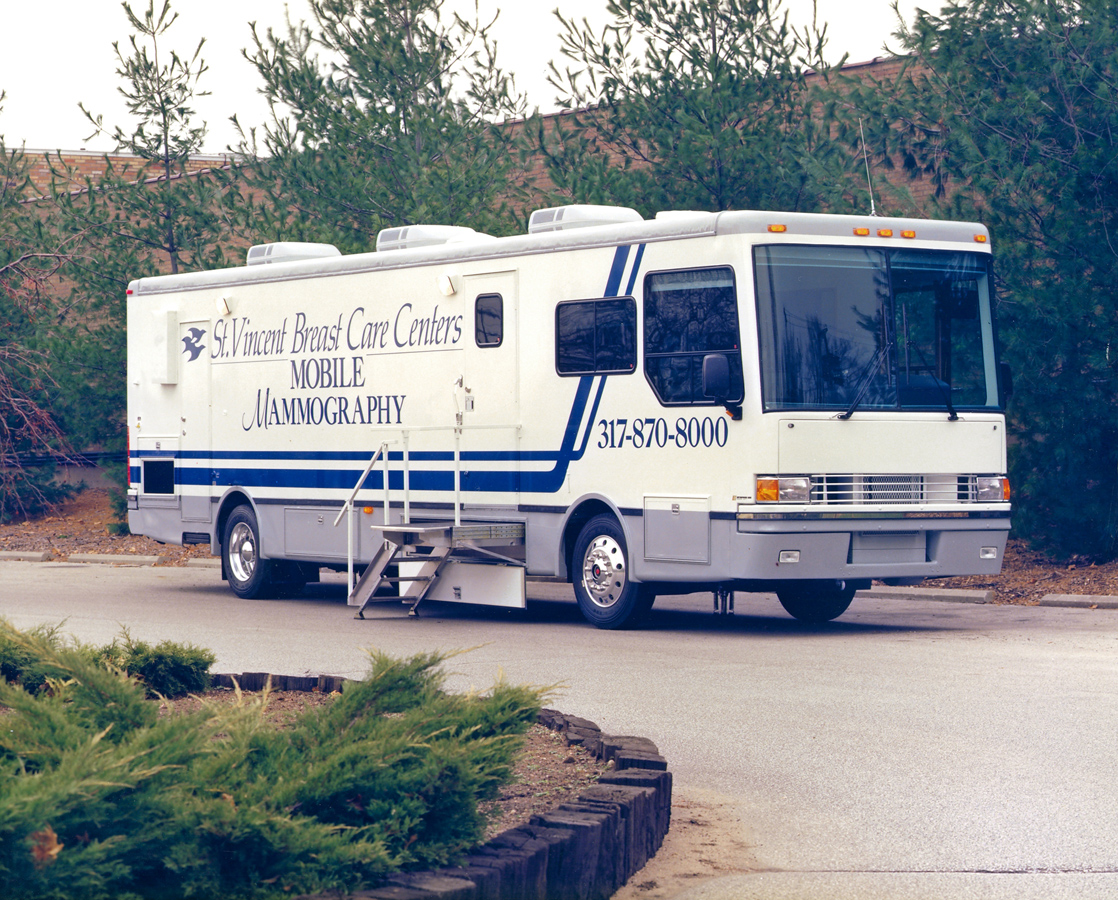
About Breast Cancer

A June 2025 update discusses research linking obesity to increased breast cancer severity due to changes in breast fat tissue. There’s no evidence of dietary soy increasing breast cancer risk. A Mediterranean diet may lower incidence rates, while smoking raises the risk. Dr. Eliza Port’s guidebook offers valuable insights for patients.

This information is current as of the date of original publication or update. It may have changed by the time you read this. I invite you to fact-check what you read here.

This information is not intended for diagnosis or treatment. Before making health decisions, discuss with your physician or other qualified healthcare provider to decide what is right for you.

Update June 12, 2025

I suggest you review this updated post about breast cancer.

Observing Breast Cancer Awareness

In October, awareness of breast cancer is highlighted. This common cancer affects both women and men, with various types identified. Risk factors include age, genetics, and lifestyle. Early detection and preventive measures can significantly improve outcomes, emphasizing the need for education and support during Breast Cancer Awareness Month.

Keep reading
From the original post-November 2015

Researchers at Cornell University see a potential link between obesity and breast cancer. Obesity may change the adipose (fat) tissue in the breast making it more susceptible to malignant (cancerous) changes. This may explain why breast cancer is sometimes more severe in patients who are also obese.

Body mass index chart
A BMI OF 30 or more represents obesity. BMI Chart created by Vertex42.com. Used with permission.

Because soy has similar effects to estrogen, there was concern that it might predispose women to breast cancer. but in a review of 7 medical studies, there was no association between dietary soy and breast cancer. Women who had previously had breast cancer has less risk of recurrence and lower mortality.

A 6 year study of 4000 women found a lower incidence of breast cancer in women who ate a Mediterranean diet supplemented with extra-virgin olive oil or nuts, as compared to a group following a “low fat” diet. (However, only 35 cancers occurred during this time, so the numbers are not significant enough to draw definite conclusions.)

bottle of olive oil
The Mediterranean diet provides many health benefits.

The Canadian National Breast Screening Study of almost 90,000 women found that smoking, especially long term smoking prior to a first pregnancy, increased the risk for breast cancer. 

no smoking sign
Smoking adversely affects health in many ways.
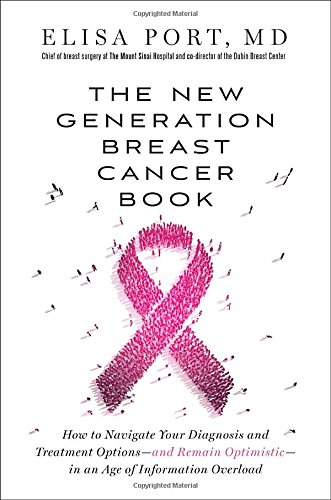
The New Generation Breast Cancer Book
This is an affiliate link.

Dr. Eliza Port, a breast surgeon at The Mount Sinai Hospital has written this guidebook on breast cancer which shows patients

“How to Navigate Your Diagnosis and Treatment Options-and Remain Optimistic-in an Age of Information Overload “

In The New Generation Breast Cancer Book , Dr. Port “describes every possible test and every type of doctor visit, providing a comprehensive, empathetic guide that every newly diagnosed woman (and her family) will want to have at her side.”

Exploring the HEART of Health

I’d love for you to follow this blog. I share information and inspiration to help you turn health challenges into health opportunities.

Add your name to the subscribe box to be notified of new posts by email. Click the link to read the post and browse other content. It’s that simple. No spam.

I enjoy seeing who is new to Watercress Words. When you subscribe, I will visit your blog or website. Thanks and see you next time.

Dr. Aletha