Handel used the lyrics from a preacher Charles Jennens, who wrote out the whole piece as a collage of Bible verses designed to tell a story about the Messiah.
9:2The people walking in darkness have seen a great light;
on those living in the land of deep darkness a light has dawned.
60:1“Arise, shine, for your light has come, and the glory of the LORD rises upon you.
2See, darkness covers the earth and thick darkness is over the peoples, but the LORD rises upon you and his glory appears over you.
3Nations will come to your light, and kings to the brightness of your dawn.
We usually associate Messiah with Christmas, but Handel composed it to be performed at Easter.
“Handel used the lyrics from a preacher Charles Jennens, who wrote out the whole piece as a collage of Bible verses designed to tell a story about the Messiah.
In some cases Jennens copied verses from the King James Version of the Bible directly, and in other cases he abridged or modified the wording of the Bible verses somewhat to fit into something that could be set to music and sung. He also decided to change the “point of view” in a couple of places.
Rather than quoting Jesus’ words about himself directly, for instance, he made a few changes so that the singers are singing about Jesus rather than portraying the role of Jesus.”
“Georg Handel was a barber-surgeon in northern Germany in the 17th century. Barber-surgeons were physicians in medieval Europe who only performed surgery, often treating wounds from war injuries. Eventually, surgery and barbery became separate occupations.”
Advent, meaning “coming,” starts four Sundays before Christmas, marking the beginning of the Christian liturgical year. Christmas celebrates Jesus Christ’s birth, observed through church services and music. Handel’s Messiah, created in 1742 from biblical texts, highlights these traditions, though it wasn’t originally composed for Christmas festivities.
The season of Advent, from the Latin word adventus meaning “coming” or “visit”, begins four Sundays before Christmas and ends on Christmas Eve.
Advent is the beginning of the liturgical year for Christians. (Liturgical, from liturgy, which means the forms and functions of public worship.)
What is Christmas?
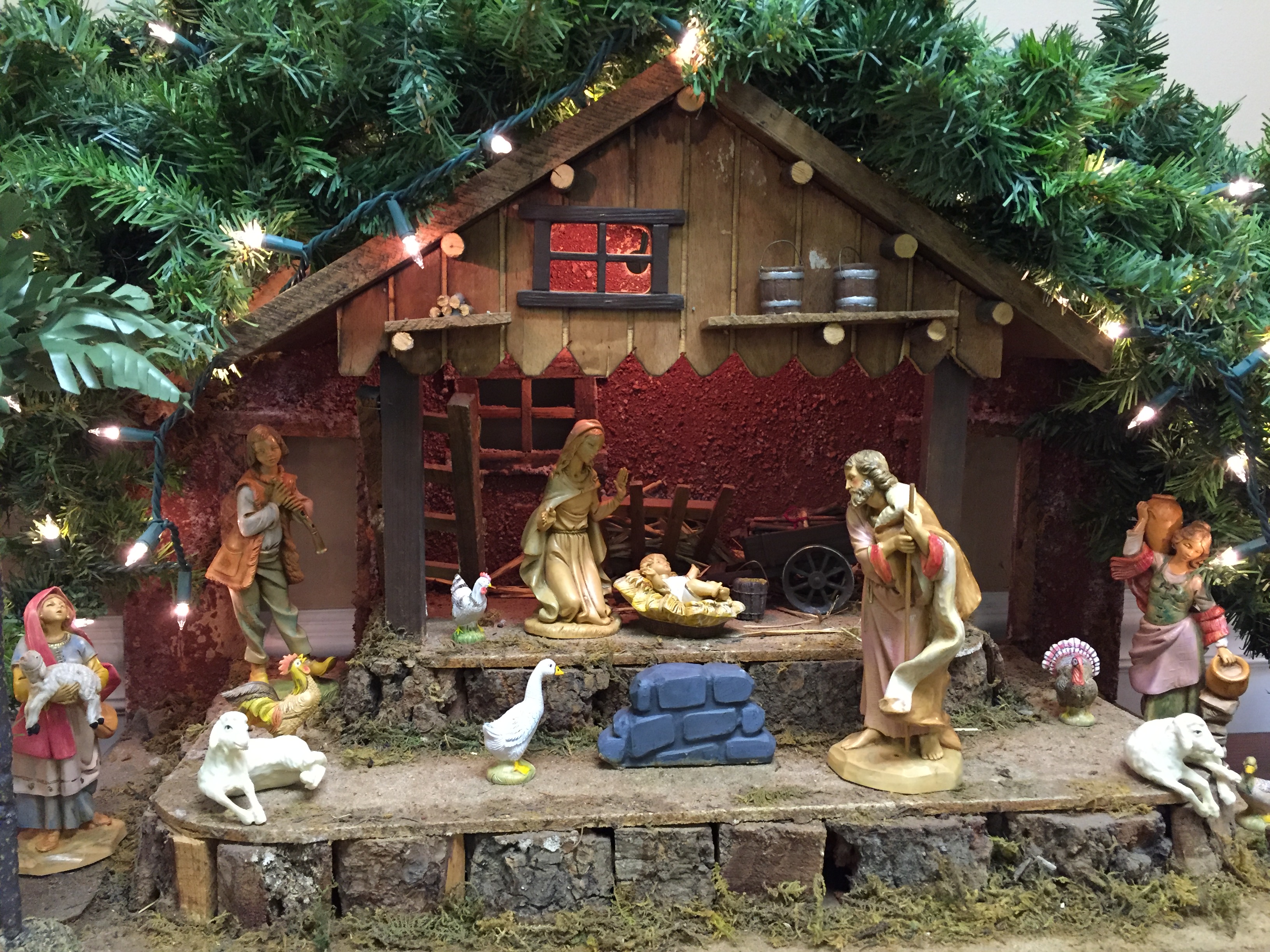
Christmas is both a secular and religious holiday. For those who observe its spiritual significance, Christmas is celebrated as the day the infant Jesus Christ was born (although Biblical scholars doubt that December 25 is exactly the correct day.)
Christians celebrate the season with a rich tradition of church services which feature Bible readings about Jesus’ birth and special music. Almost 300 years ago, a musician combined these traditions to create a familiar and often performed musical.
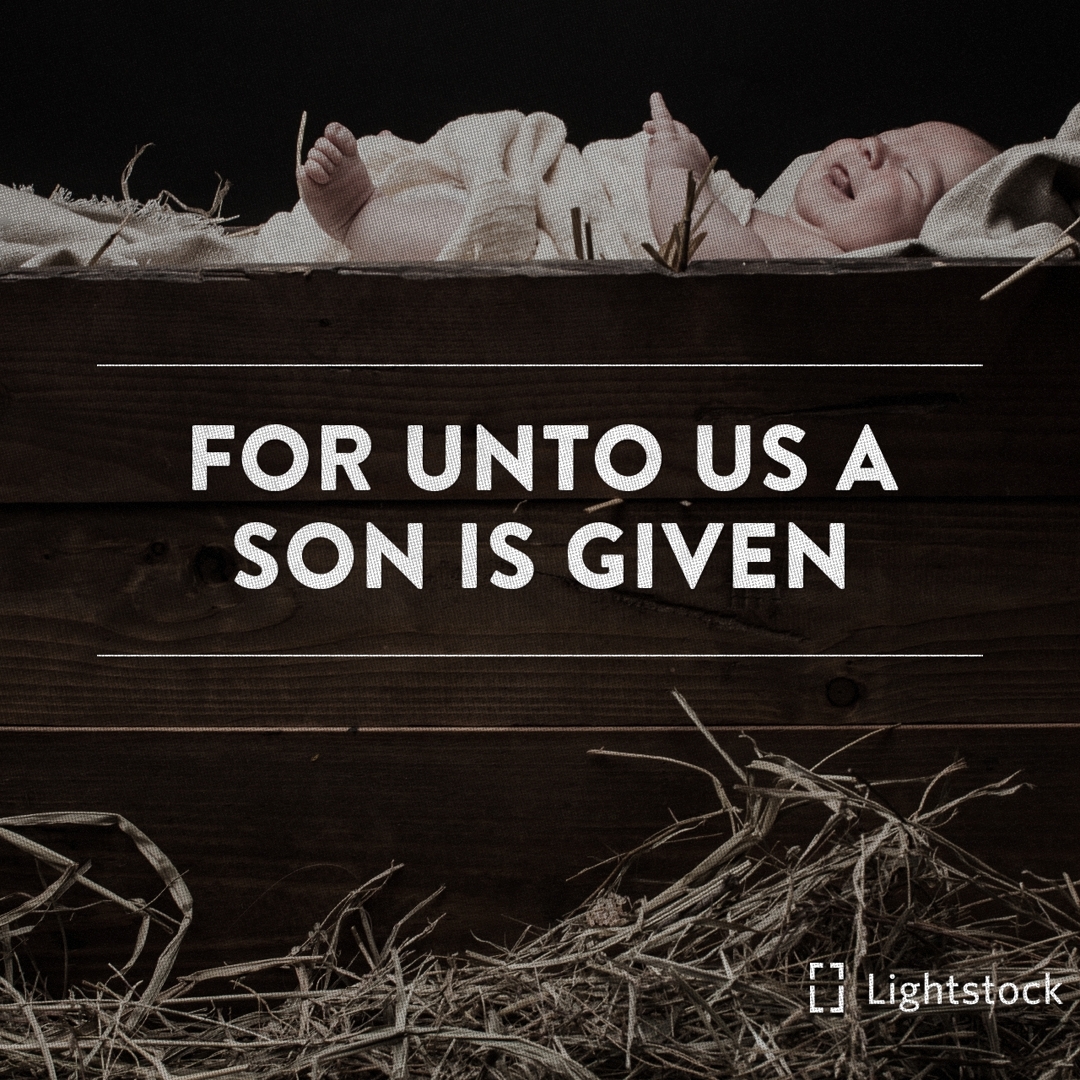
quote from Isaiah 9:6; graphic from LIGHTSTOCK.COM, affiliate link
Handel’s Messiah
George Frideric Handel used this scripture from Isaiah in his famous work, Messiah, first performed in 1742. Millions of people have heard or sung it since then.
The lyrics of Messiah are derived from both Old and New Testament scriptures that describe the birth, death, and resurrection of Jesus.
Handel’s father, Georg Handel, was a barber-surgeon. Barber-surgeons were physicians in medieval Europe, who as the name suggests, cut hair and performed surgery.
Much of the work of barbersurgeons involved treating war injuries. Elective surgery was rarely done due to the lack of effective anesthesia. There were no antibiotics so the risk of infection was high. Eventually, surgery and barbery became separate occupations.
The association between barbers and surgeons goes back to the early Middle Ages when the practice of surgery and medicine was carried out by the clergy.
But in 1215, a papal decree ruled that priests could no longer partake in any shedding of blood. Because barbers were accustomed to using a razor, it was presumed that they would be skillful in carrying out any treatment that involved cutting the skin, and so the practice was taught to them.
Did you know Handel’s “Messiah,” usually linked to Christmas, was originally intended for Easter, drawing from Old and New Testament scriptures. Tdditionally, Handel’s father was a barber-surgeon, medieval surgeons also cut hair.
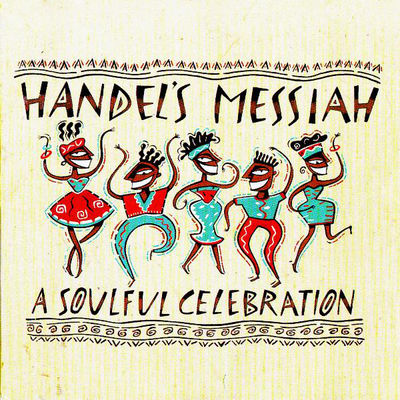
You can listen to Messiah with Amazon Prime Music Unlimited; sign up at this affiliate link, which also helps support this blog. Single downloads and CD version also available.
Sharing the HEART of Advent
I’d love for you to follow this blog. I share information and inspiration to help you transform challenges into opportunities for learning and growth.
Add your name to the subscribe box to be notified of new posts by email. Click the link to read the post and browse other content. It’s that simple. No spam.
I enjoy seeing who is new to Watercress Words. When you subscribe, I will visit your blog or website. Thanks and see you next time.
Many people find using their phones a convenient way to read and meditate on the Bible. And it’s easy to do so with the Dwell Bible App.
With Dwell you can listen to and read the Bible and special devotional offerings for Advent, Lent, and throughout the year.
Using this affiliate link helps support this blog and my mission to share the heart of health wherever needed all over the world. Please join me.








 watercress words by Dr Aletha