
updated December 22, 2025
This information is current as of the date of original publication or update but may have changed by the time you read this. Do not use this information for diagnosis or treatment purposes. Before making health decisions, discuss with a qualified healthcare professional.
The Vaccine-Friendly Plan
by Paul Thomas, M.D., a pediatrician and
Jennifer Margulis, Ph. a science journalist.
In 1961, my mother and I went to my school on a Sunday afternoon to receive the newly released oral polio vaccine. She along with other parents eagerly sought a way to prevent a dreaded disease that had the potential to cripple or even kill their children.
In medical school I learned about diphtheria, a painful throat infection due to a bacteria, Corynebacterium diphtheriae. Once a common cause of severe illness and death, a vaccine had rendered it rare. I saw no cases of diphtheria in medical school, nor have I since.
As a young physician I welcomed the introduction of the H.Flu vaccine (Haemophilus influenzae bacteria, not the virus) in 1985. At that time, any infant or toddler with a fever was a potential victim of meningitis due to H.Flu, which could be deadly or leave the child with neurological damage.
Similarly, the Hepatitis B vaccine made healthcare a less risky occupation; Hepatitis B is a blood-borne infection contracted from contact with infected blood.

So, I was first surprised, then puzzled, then alarmed at the number of parents who reject vaccination for their children, and adults who decline immunizations for themselves. Some people now fear the vaccines more than the diseases they prevent. must consider this to help people stay well instead of treating them when sick.
I was intrigued when I heard of a book, by a physician that seems to promote a compromise-

The Vaccine-Friendly Plan is published by Ballantine Books, 2016
It is based on his pediatric practice, Integrative Pediatrics, as well as their extensively noted references. The book’s subtitle summarizes the contents accurately-
“Dr. Paul’s Safe and Effective Approach to Immunity and Health- from Pregnancy through your Child’s Teen Years.”
The book discusses pregnancy, infant, and child care in general, not just vaccination, although that is a major emphasis. There is a chapter about pregnancy and for each stage of child development through adolescence.
The first chapter discusses a popular health topic now- toxins. (As an aside, I don’t know when we started calling poisons “toxins”) . This should grab your attention-
“Toxins, Toxins, Toxins: Raising Healthy Children in a Poisoned World”.
Anything can be “toxic” if misused, overused, or abused but they concentrate on these toxins in particular- acetaminophen, aluminum, aspartame, fluoride, methanol, mercury, and what they call endocrine disruptors(this includes pesticides). They state “environmental toxins are likely contributing to the autism epidemic” as well as other neurodevelopmental and mental disorders in children.
They base their conclusion on an extensive list of review articles from the medical and scientific that support their view and from Dr. Paul’s medical practice of 11,000 children who he calls “among the healthiest in the world.” While I suspect families who are already health-conscious tend to select a physician who is health-oriented, this claim sounds impressive.
I agree with some of the advice the authors offer. For example this advice for pregnancy is hard to argue with-
- Eat a whole foods, organic, non-GMO diet
- Skip the soda
- Drink filtered water
- Minimize stress
- Get treatment for addiction
- Join a support group
But in addition, they recommend declining all vaccinations during pregnancy, certainly not mainstream medicine advice.
A later chapter also offers sound advice:
“ The Best Ways to Support your Child’s Immune System”
- Breast feed
- Enjoy cuddling
- Laugh a lot
- Relax often
- Rock your body
- Stay hydrated
- Eat a variety of foods
- Maintain social connection
- Read
- Get Dirty
- Be cautious but not afraid
- Choose vaccines based on real science, your family’s needs and common sense
- Sleep enough
- Trust your children
- Trust yourself
He offers an interesting list Ten Questions to Ask When Looking for a Pediatrician (which I assume would apply if you use a family physician for your child’s care).
As a physician, I have never liked the idea of being “interviewed” by a potential patient; I want a relationship with patients, not a job. But I think pediatricians routinely offer “get-acquainted” visits so you may find it helpful.
Some of the questions seem more appropriate to explore in a long-term relationship with a physician, not quick answers in a short visit, like “What would you like me to know in order to keep my family healthy?”
An appendix compares the CDC immunization schedule of 1983 to the current 2016 version, illustrating many more vaccines and doses are now recommended.
Of course the list is longer since several new vaccines have been developed in the past 30 years and the CDC recommends those considered necessary for the public health. Most areas of medical care have changed dramatically in the past 30 years, we have a lot more of everything-drugs, procedures, etc- so this should not be a surprise.

Also in the appendix is Dr. Paul’s Vaccine Plan at a Glance, which is a much abbreviated version of the CDC recommendations. The plan is offered free at his web site . (There is also a “store” on the website offering an assortment of vitamins, minerals, probiotics, and melatonin.)
The authors describe themselves as “pro-vaccine”, have received vaccines themselves and vaccinated their children. But they also believe that physicians and parents should have a choice and make informed decisions about immunization and other procedures.
Universal vaccination is recommended , but there are individual circumstances where the routine schedule might need to be altered due to a child’s particular medical circumstance, but not for some vague concern that vaccination might not be “safe”. Neither is infectious disease.
If you are a parent who has deferred vaccination for your children, please read this book soon.
Also, read another review of this book by Vincent Iannelli, MD , a pediatrician and Fellow of the American Academy of Pediatrics.
Sonia Shah, a science journalist, also wrote about vaccination in her book
Pandemic – Tracking contagions from cholera, to Ebola, and beyond
Pandemic- a book review
If you like history, current events, medical science, or just want to be more knowledgeable about why we should be concerned about infections , antibiotic resistance and vaccine phobia, you should read this book.
Keep readinganother post on this topic

Vital questions you should ask about immunization
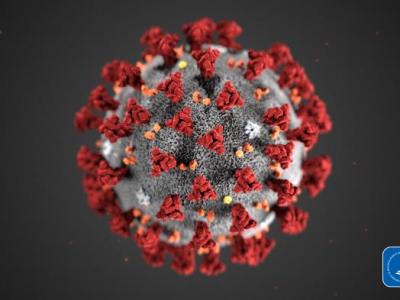
This coronavirus pandemic is serious. We don’t yet have a vaccine or effective treatments. To protect ourselves, our familes, and our entire communities we should all be practicing social distancing and other hygiene measures as we wait for a safe, effective vaccine and treatments.
Keep readingExploring the HEART of Health
I’d love for you to follow this blog. I share information and inspiration to help you transform challenges into opportunities for learning and growth.
Add your name to the subscribe box to be notified of new posts by email. Click the link to read the post and browse other content. It’s that simple. No spam.
I enjoy seeing who is new to Watercress Words. When you subscribe, I will visit your blog or website. Thanks and see you next time.
Dr. Aletha
- About Dr. Aletha
- How to Use this Site
- Make Your Life Easier
- Search by Category
- Share the HEART of health
- my Reader Rewards Club
- RoboForm Password Manager




 watercress words by Dr Aletha