7 tips to calm anxiety and worry

In 2025, with new health and economic challenges arising, such as measles outbreaks and trade wars, I revisit advice from the COVID-19 era to manage anxiety. Key strategies include limiting news consumption, naming fears, helping others, seeking support wisely, and prioritizing self-care to maintain mental well-being amidst ongoing concerns.

updated April 21, 2025

I originally wrote this post during the COVID-19 pandemic. Now in 2025 we have new but not necessarily less significant concerns.

Healthwise, measles has made a resurgence in humans. Bird flu, H5N1 flu virus, is rampant throughout animals and threatens to jump into humans.

The world is in an economic crisis due to tariffs and a trade war. And wars in the Middle East, Eastern Europe, and many other places threaten the safety and lives of millions.

So use this advice originally offered to manage pandemic anxiety to manage concerns about the world situation today. Because let’s face it, there will always be something to worry about.

The original 2020 post

Even physicians feel stressed and uneasy about the COVID-19 pandemic, maybe more so than others. We’re supposed to be the ones with the answers to our patients’ questions and have the means to help them.

One of my collagues read an article about dealing with this stress, and to decrease our stress from he shared it in an email, with some edits.

So I am sharing it here. I have added a few of my thoughts and some references, as well as a link to the original article from CNNhealth.

Limit the frequency of your updates, including social media  

With one of my patients, I suggested allowing herself one news check-in for 30 minutes each morning. 

Choose a frequency and a time that works for you.  But why stop there? 

Consider a social media sabbatical.   Give it a week and see how you feel. Taking the apps off your phone or tablet helps keep you accountable. 
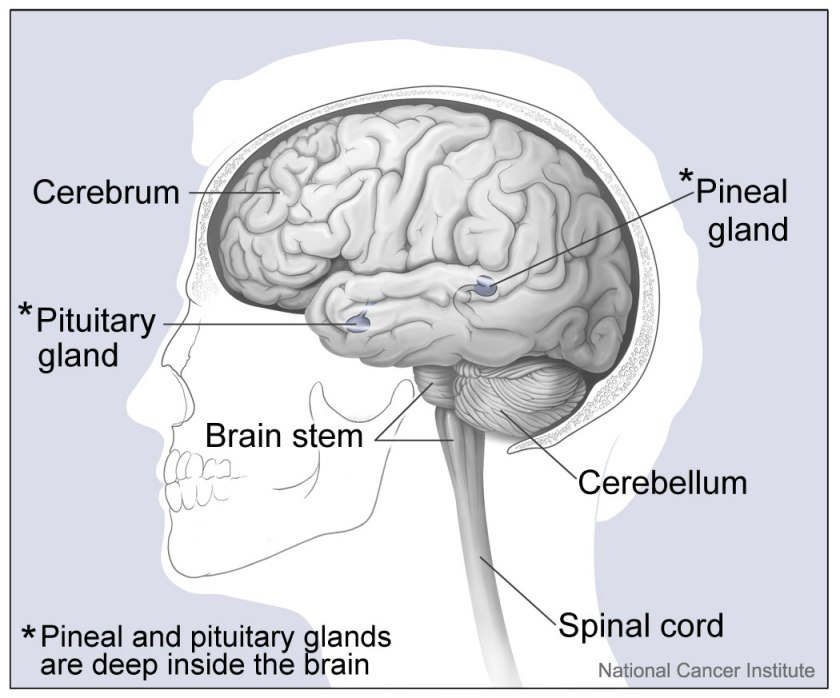
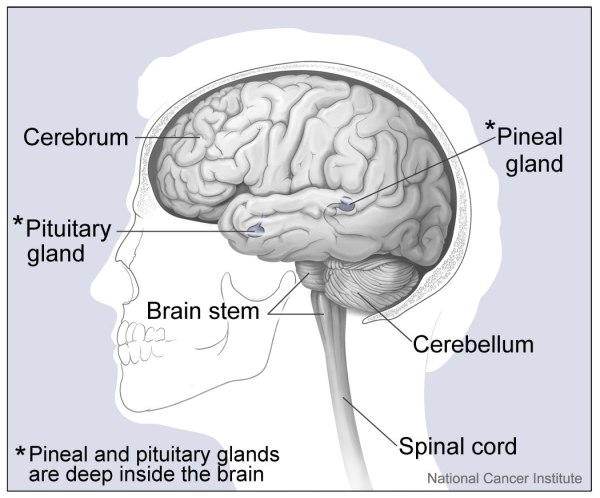
diagram of the human brain.
The major parts of the brain, including the pineal gland, cerebellum, spinal cord, brain stem, pituitary gland, and cerebrum are labeled. photo courtesy of Source: National Cancer Institute Creator: Alan Hoofring (Illustrator)

Name your fears

Recognize that we all have a negativity bias hard-wired into our brains.  It’s a leftover evolutionary tool that helped keep our caveman and hunter-gatherer ancestors alive. 

Unfortunately, it overestimates the likelihood that something tragic will befall us, and underestimates our capacity and resources to cope. 

Conversely, if you minimize or ignore the threat of the pandemic, ask yourself if you should take it more seriously. If your reactions don’t match those of others in your community, your fear may have driven you to denial.

diverse people standing arm in arm

Think outside yourself: 

If/when you are feeling overly worried and anxious, and your thinking feels contracted and hopeless, turn your thoughts to how you can help someone else.

This may be a child or other family member, a group of society that is at risk or marginalized at this time, or some of the groups at higher risk due to their occupations, age, or medical conditions. 

When our thoughts turn to serving others, symptoms of worry, anxiety and depression lessen, and we feel better about ourselves. 

And this does not have to be anything big, simply shifting to focus off of ourselves and onto someone else helps.

a smiling woman working on a laptop computer
Physicians and counselors are available virtually, by phone or video visits.

Seek support, but do it wisely 

Don’t hesitate to ask for help if you need it.  And that goes for us caregivers too. 

We are not, and should not think of ourselves, as impervious to the various stressors, the disrupted routines and all of the uncertainty that is prevalent in the world right now.

Ask someone you can trust to be objective and rational, and not feed your worries or concerns. 

Pay attention to your basic needs

Don’t get so wrapped up in thinking about the threats that you forget the essential, healthy practices that keep you physically well. 

  • Getting adequate sleep
  • Keeping up with proper nutrition
  • Getting outside as much as possible
  • Engaging in regular physical activity

Practicing mindfulness, meditation, yoga, and spiritual disciplines will  help center you in routines and awareness, and keep your mind from wandering into the dark and sometimes irrational unknown.

a women with hands clasped in prayer with a Bible

Don’t chastise yourself for worrying. 

Again, this is part of our normal programming.  And to help kids when they are scared, don’t just tell them everything is going to be alright. 

a man reading to two young girls, sitting in a woman's lap

Let them know you hear their concerns and that you understand where they are coming from.  And THEN give them evidence and reasoning for the opposite side of the worry equation.  

Acknowledge their fears, and validate them…  And then do the same for yourself.

This post was adapted from this article on CNNhealth

How to keep coronavirus fears from affecting your mental health

Thanks to my guest writer-Dane Treat, M.D.

Dr. Treat graduated from the University of Oklahoma medical school, although a couple of decades later than I did. He completed residency at Good Samaritan Family Practice in Phoenix, where he lives and practices now. He also completed a Sports Medicine fellowship. He is a student of Mindfulness-based Stress Reduction. He wisely married a Mayo Clinic trained gastroenterologist, and they are the proud parents of a daughter.

near Phoenix, at Scottsdale Arizona, The Boulders Resort; photo by Dr. Aletha

If you are depressed and thinking about or planning suicide, please stop and call this number now-988

988lifeline.org

SUICIDE AND CRISIS LIFELINE. CALL.TEXT.CHAT

Exploring the HEART of Health

I’d love for you to follow this blog. I share information and inspiration to help you turn health challenges into health opportunities.

Add your name to the subscribe box to be notified of new posts by email. Click the link to read the post and browse other content. It’s that simple. No spam.

I enjoy seeing who is new to Watercress Words. When you subscribe, I will visit your blog or website. Thanks and see you next time.

Dr. Aletha

Simple and effective ways to manage chronic pain -part 2 of a series

The most important ingredient in managing a chronic or persistent condition is having a therapeutic relationship with your physician and other healthcare professionals- physical therapist , mental health counselor, nutritionist.

In a previous post I talked about non-drug methods to manage pain in the spine-neck and back. You may want to review it now, but reading  this one first is fine. This post will focus on other painful conditions.

While people often discover methods to relieve pain that work for them, I am focusing here on treatments that are supported in the medical literature or recommended by knowledgeable professionals. For this post, I reviewed many articles which summarized current studies.

Finding trustworthy medical information

How do doctors know what works and what doesn’t? Since medical knowledge has changed since we went to medical school , how do we know what is current information?

We read literature pertinent to our fields on a regular basis, attend conferences, and talk to other doctors. But when we need a specific question answered , we do what you do-we Google it.

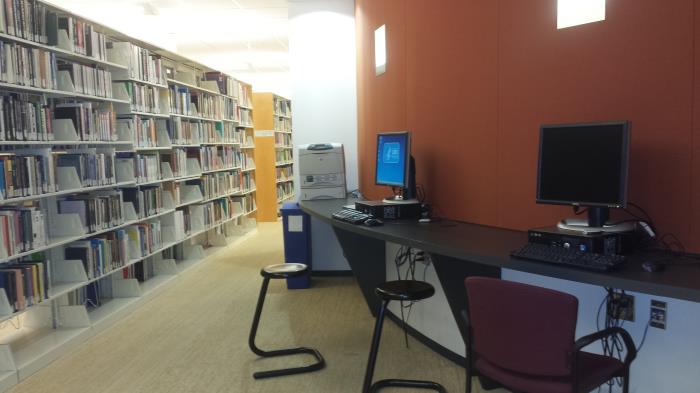
shelves in a library with adjacent computers
the Centers for Disease Control and Prevention (CDC) Library, located on the organization’s campus, in Atlanta, Georgia. The CDC collections span the field of public health. Print and electronic resources cover such topics as disease prevention, epidemiology, infectious diseases, global health, chronic diseases, environmental health, injury prevention, and occupational safety and health. The main library in Atlanta and selected branch libraries are open to the public. used courtesy CDC/ Emily Weyant; MSLIS; ORISE Fellow

One of the most frequently reviewed is PubMed listing  more than 28 million citations for biomedical literature from MEDLINE, life science journals, and online books. The service is free and anyone can use it. PubMed is a service of  the National Library of Medicine, the largest biomedical library in the world ,located in Bethesda, Maryland,

Another major reference is the Cochrane Library, a collection of databases in medicine and other healthcare specialties ; a fee is charged to use this service.

Basic points about complementary treatments for pain management

We should use medication and surgery when appropriate, but when these can’t be used or are not helpful, we can consider alternative methods, or what I and other doctors prefer to call complementary or integrative treatment.

This post focuses on symptom relief, not necessarily curative treatment.

Herbals and supplements are drugs and can be effective for certain conditions, but this post will discuss non-drug treatments only.

Many cases of pain improve spontaneously with no specific treatment.

Almost everything works sometimes.

There are few if any down side to any of these treatments. Used under supervision they are unlikely to have adverse side effects or result in long term complications.

The most important ingredient in managing a chronic or persistent condition is having a therapeutic relationship with your physician and other healthcare professionals- physical therapist , mental health counselor, nutritionist.

SIMPLE AND EFFECTIVE WAYS TO MANAGE CHRONIC PAIN-WATERCRESSWORDS.COM

Migraine

Migraine is more than just a bad headache; it is a disorder of the brain which causes pain as well as other common symptoms including nausea, vomiting, and sensitivity to light and noise.  Dizziness, numbness, and  loss of vision occur less frequently.

diagram of the human brain.
The major parts of the brain, including the pineal gland, cerebellum, spinal cord, brain stem, pituitary gland, and cerebrum are labeled. I photo courtesy of Source: National Cancer Institute Creator: Alan Hoofring (Illustrator)

Most people with migraine require some type of medication for relief, but non-drug treatments can supplement meds and can be helpful for prevention. Integrative treatments that work according to studies include

  • acupuncture
  • biofeedback
  • CBT-cognitive behavioral therapy
  • exercise
  • meditation
  • relaxation training
  • yoga

Fibromyalgia

I mentioned fibromyalgia in my post about back and neck pain, but  include it here  since it causes pain in other body areas.

Fibromyalgia seems to be a disorder of nerves which makes them super sensitive, leading to diffuse muscle and joint pain that can become disabling. Complementary treatments recommended include

  • Mind-body-guided imagery, hypnosis, biofeedback, mindfulness meditation , relaxation
  • Tai chi
  • Hydrotherapy, balneotherapy

Osteoarthritis of the knees (degenerative arthritis)

It is likely that arthritis in other joints responds to these therapies but there aren’t enough large studies to confirm.

  • Acupuncture,
  • tai chi
  • walking and  strengthening exercises
  • Balneotherapy-bathing in hot water mineral baths

people in a gym exercising
photo courtesy Amanda Mills, CDC.gov, Public Health Image Library


Tessa Frank  discusses how she became frustrated when increasing doses of opioids didn’t relieve her chronic pain, and what she’s doing now to manage her pain.

How I’m Managing My Chronic Pain Without Opioids

“While I no longer use opioids, I do use non-opioid prescription medications and a spinal cord stimulator to provide pain relief for my CRPS, complex regional pain syndrome, a chronic, debilitating neuropathic pain condition.

I’m also hyperaware of how stress triggers my increased feelings of pain, so to mitigate stress, I personally have found relief in meditation, relaxation and yoga among other approaches.” (excerpt)


If you didn’t read it earlier, here’s a link to the previous post about treating pain, along with a brief excerpt.

Surprising effective ways to relieve back pain

“Pain in the spine results from many medical conditions, ranging from minor to life threatening. Most cases are due to routine or excessive physical activity or a minor injury causing strain of the muscles, tendons, and ligaments, and will go away with no or minimal intervention in less than 12 weeks.”


The affiliate product links in this post are for illustration and information only, and do not imply endorsement.

I am grateful when you like and share this post on social media.

Please consider helping support this blog by using my affiliates. You’ll find links in the side bars, on the home page, and on the resource page.

In a future post I will talk about  non-drug treatments for other conditions.

always exploring the HEART of health with you.

                       Dr. Aletha  WATERCRESSWORDS.COM-exploring the HEART of health