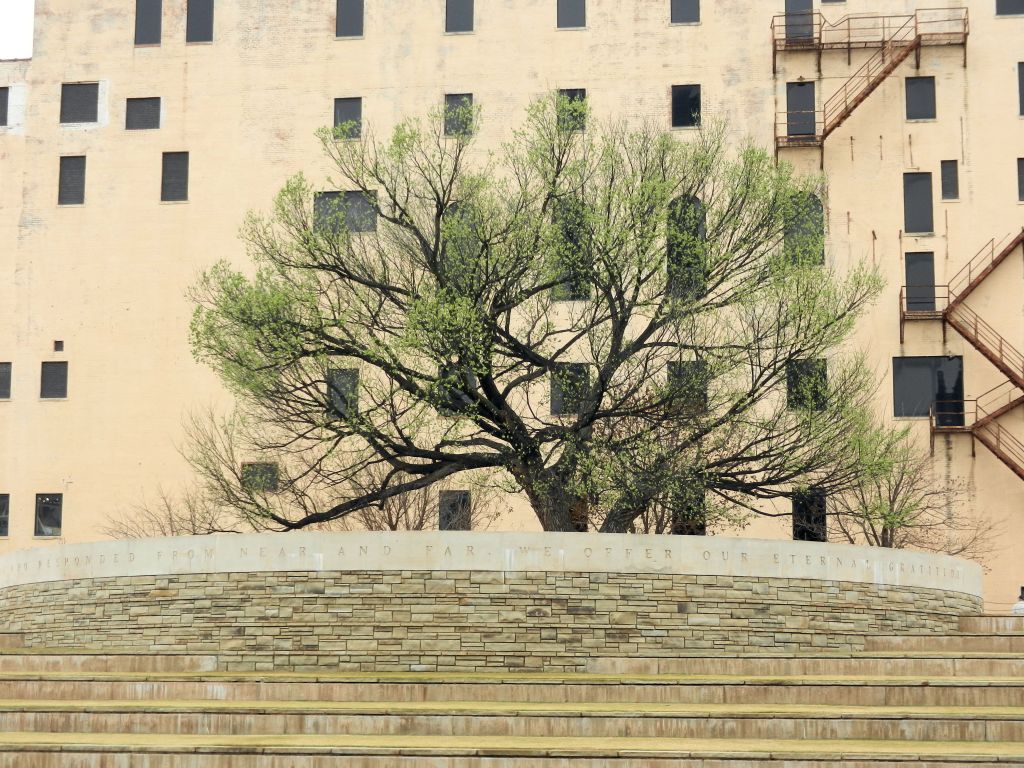
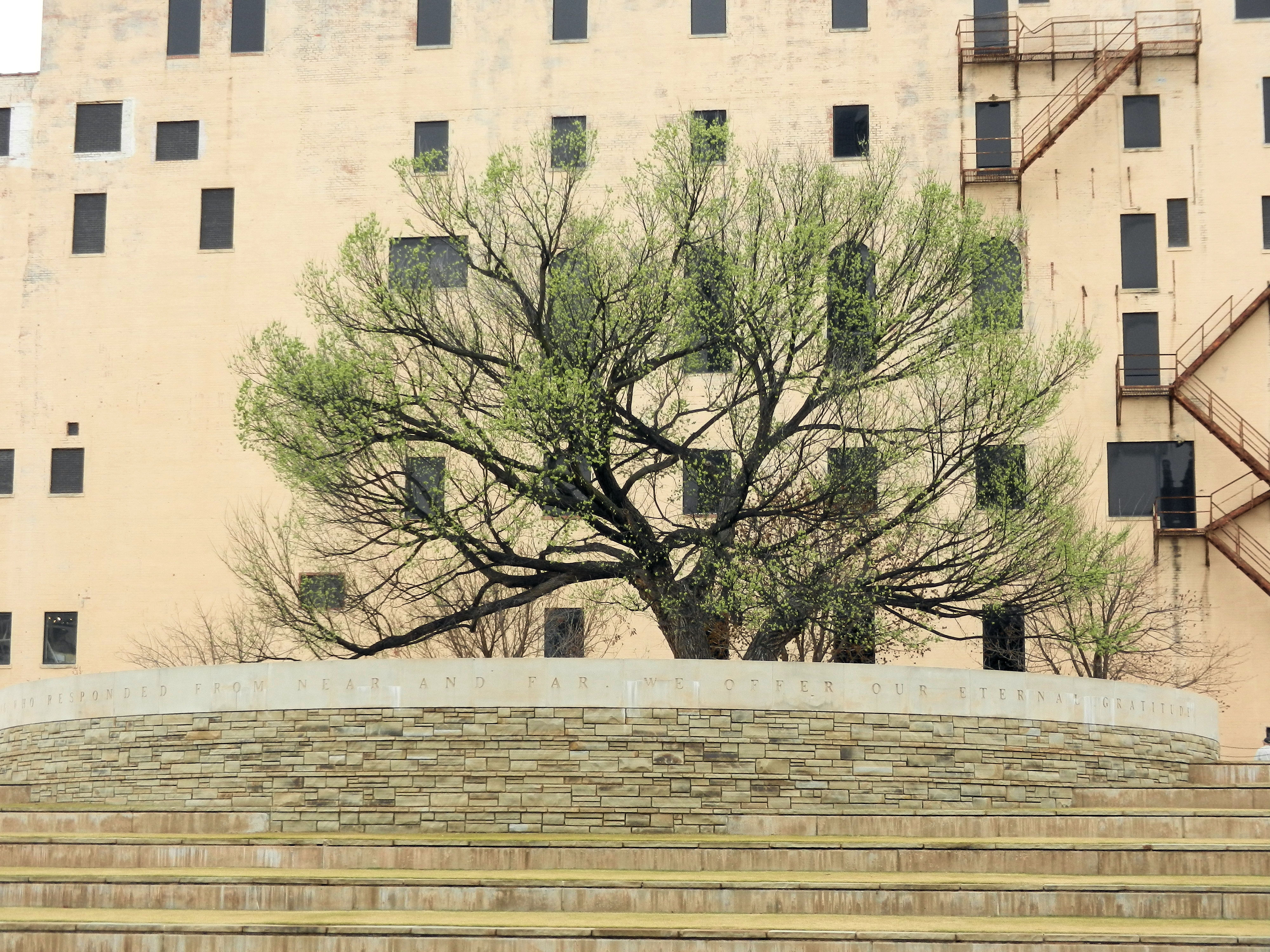
The Survivor Tree, an American elm, survived the blast and is part of the Memorial.What was once an ignored, unassuming urban tree is now an iconic symbol of hope.
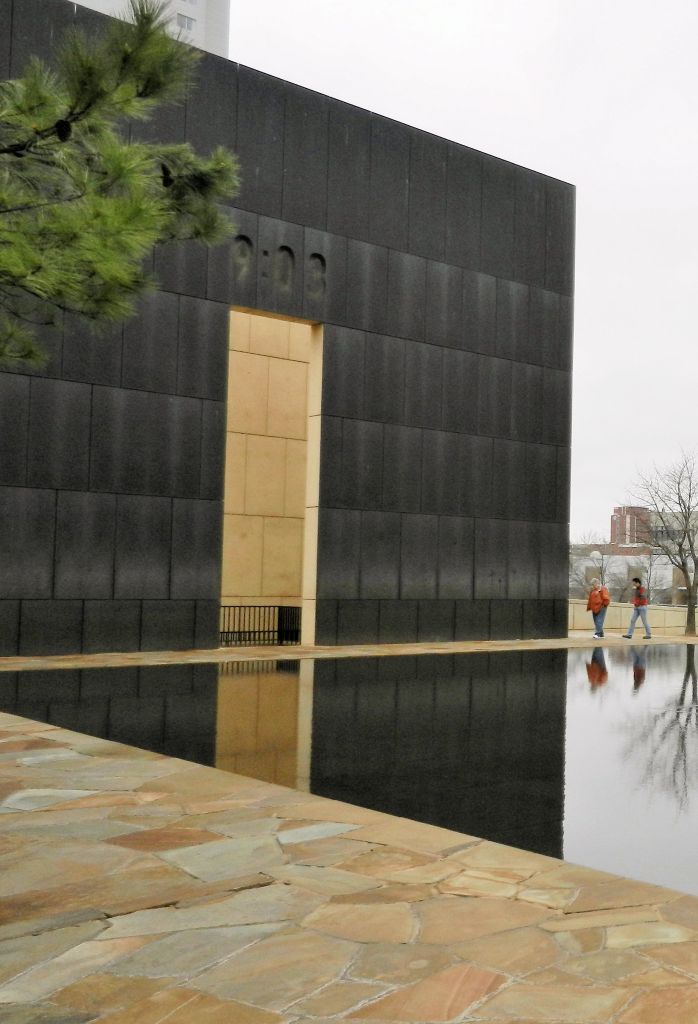
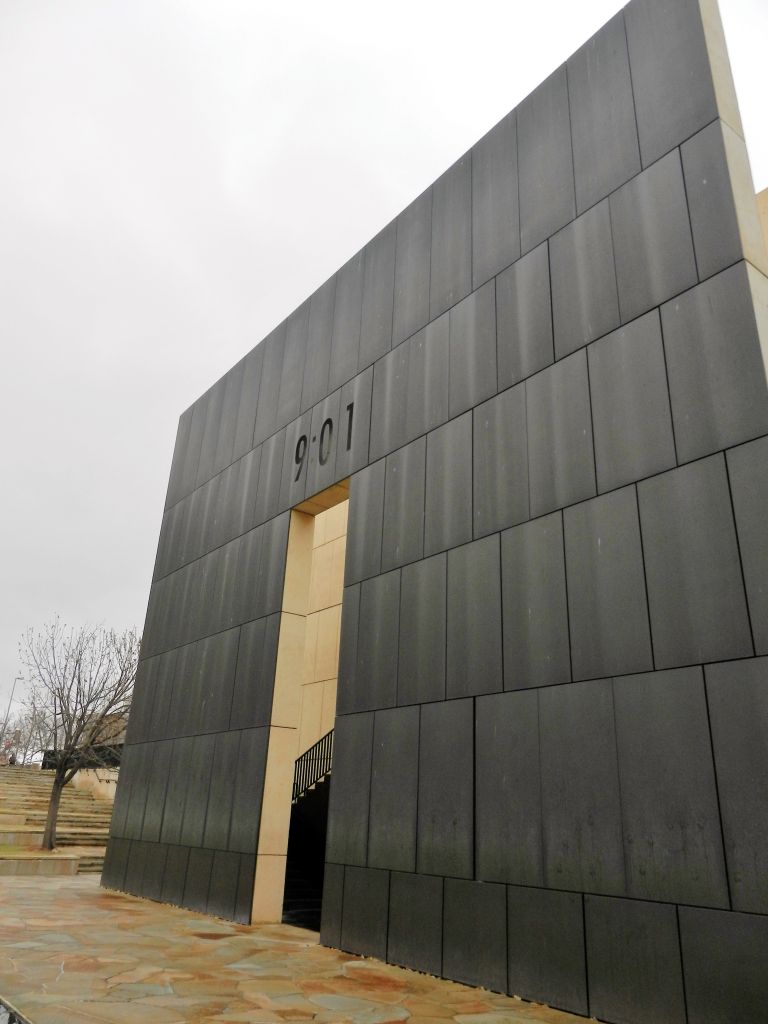
At 9:02 am April 19, 1995 a bomb exploded at the Murrah Federal Building in Oklahoma City, Oklahoma, destroying the front side of the building, damaging several adjacent buildings, injuring 680 people, and killing 168 people, including 19 children.
Until September 11, 2001, it was the deadliest terrorist attack on United States soil; it remains the worst domestic terrorist attack.
A memorial and museum now stand in silent tribute and remembrance.
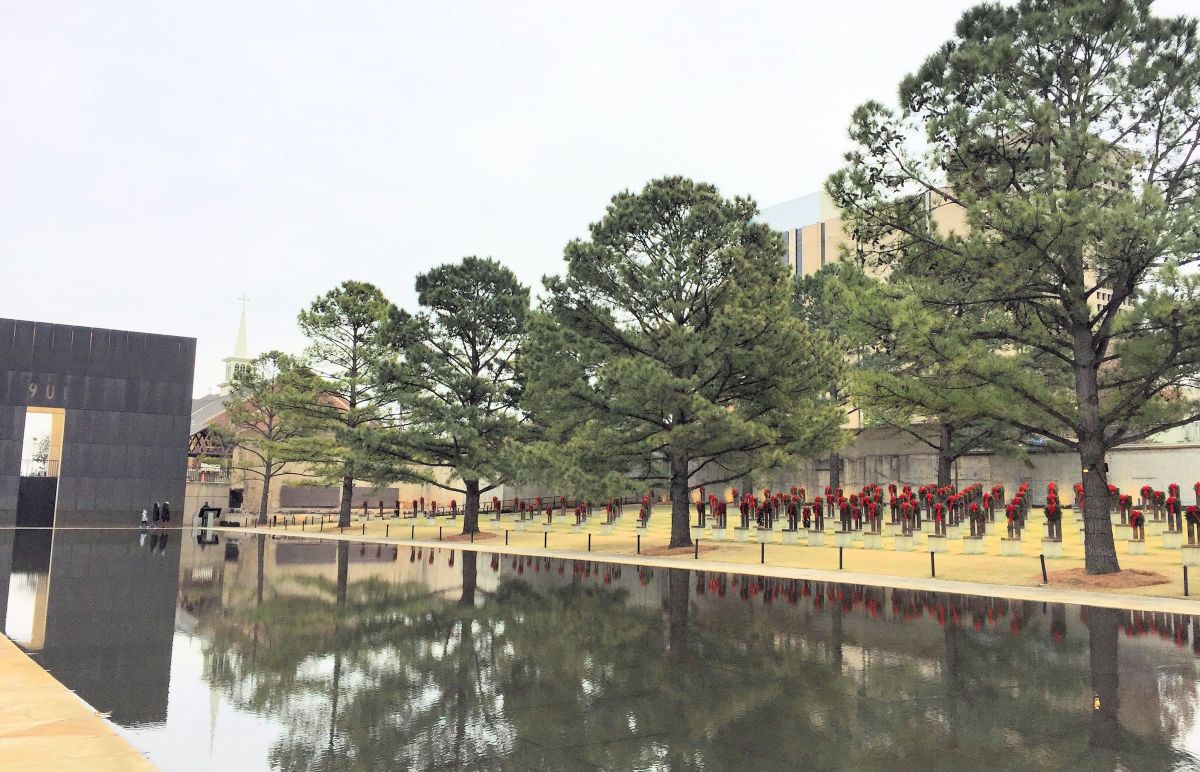
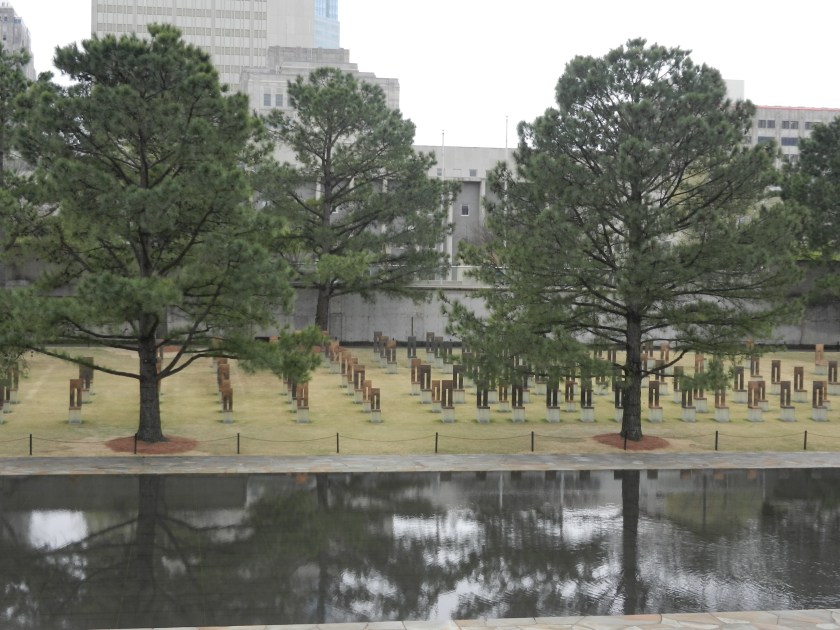
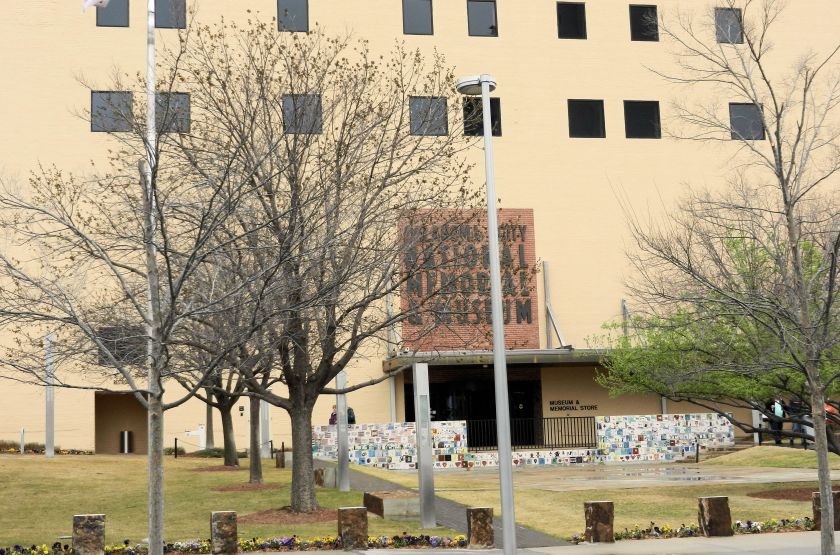
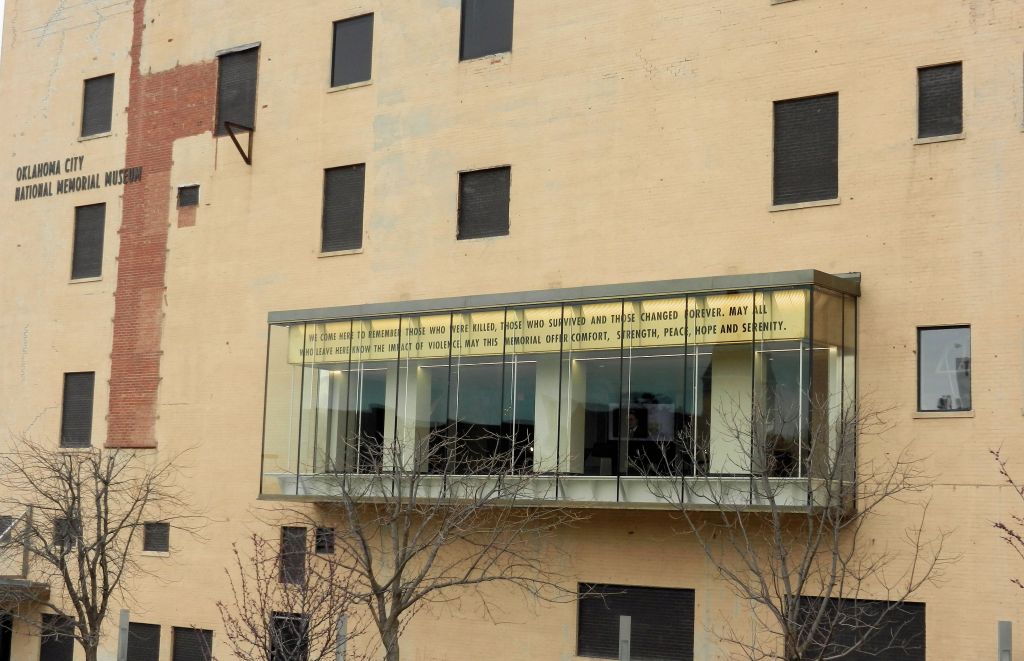
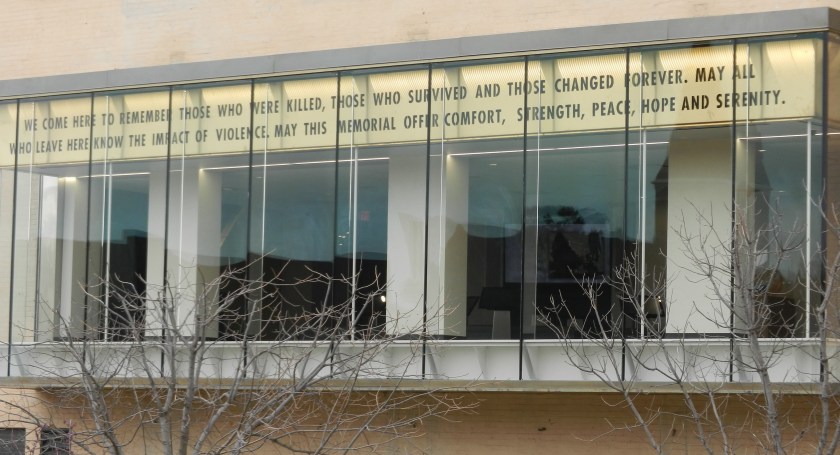
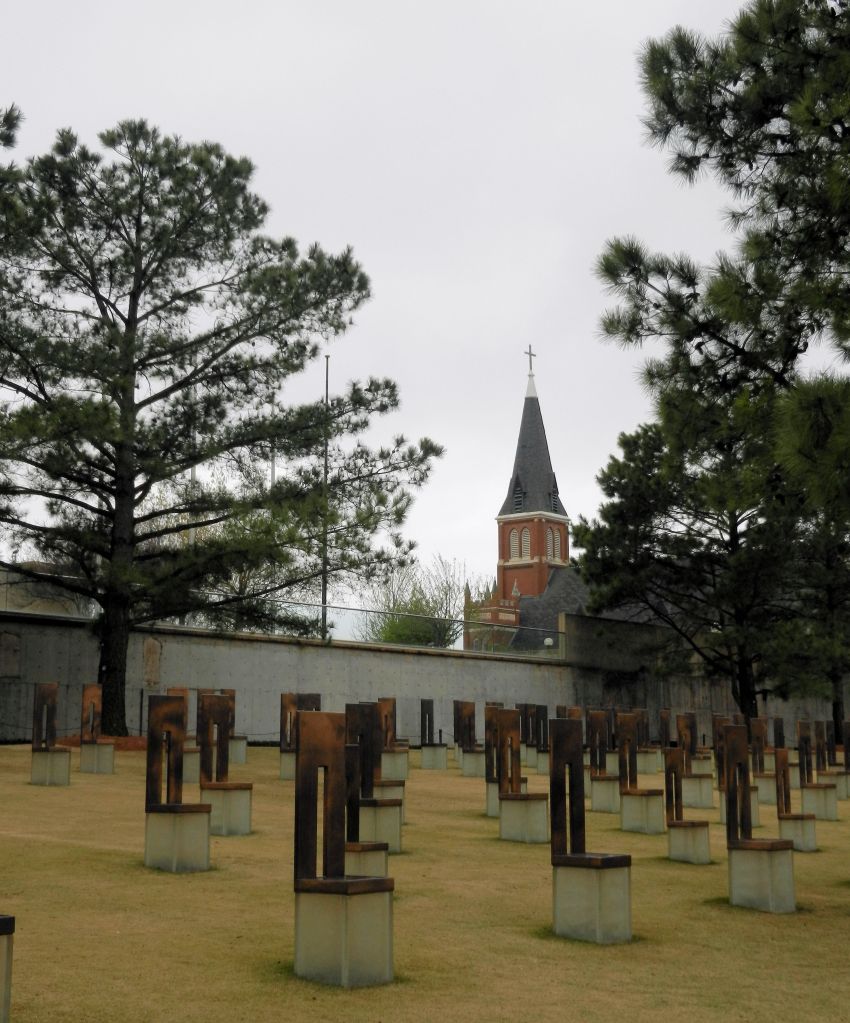
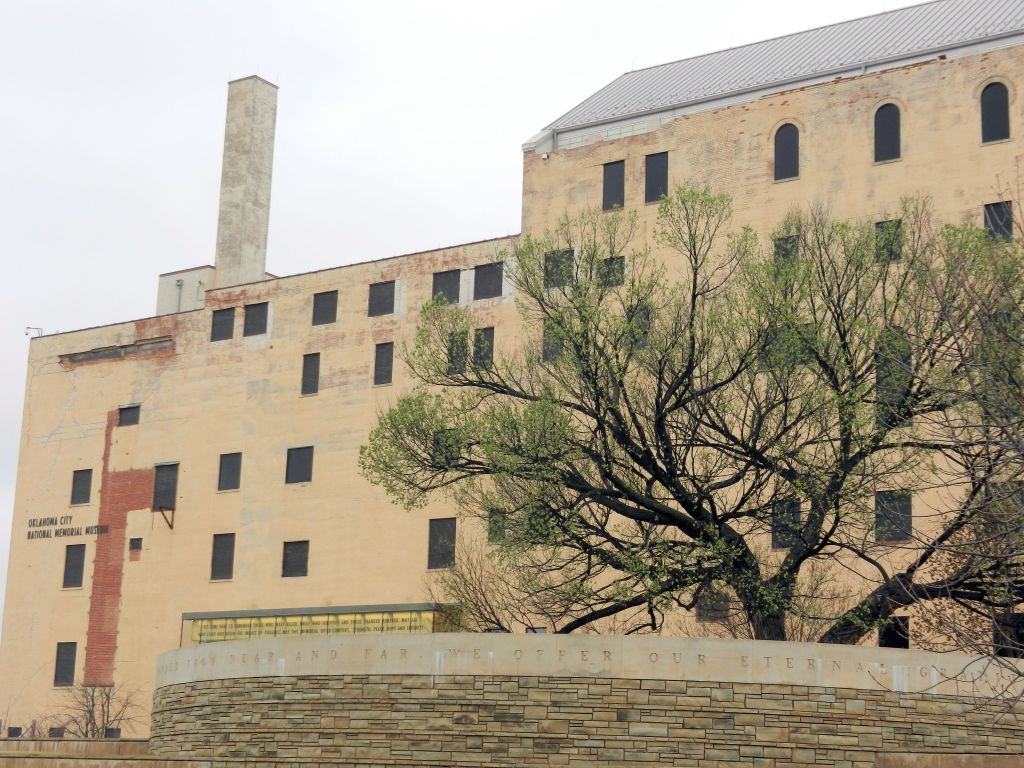
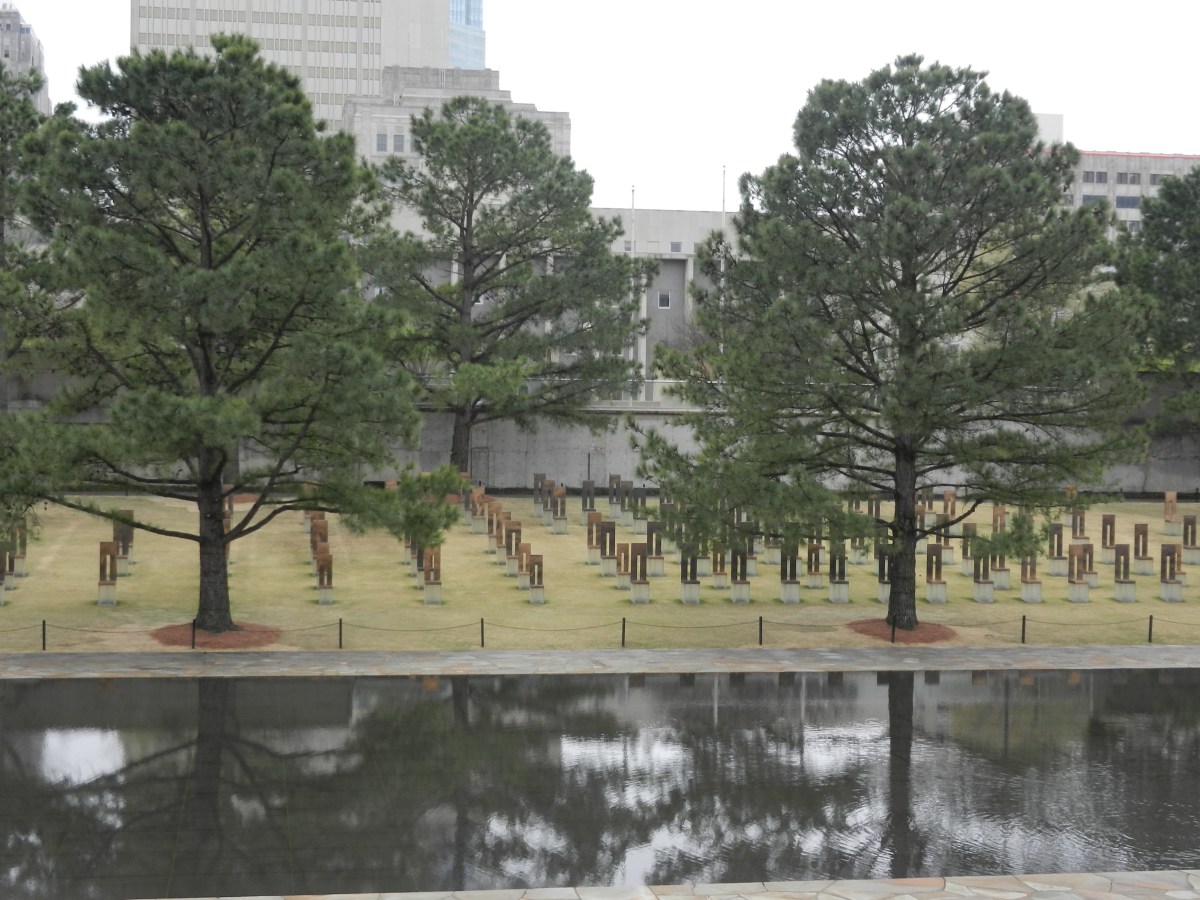
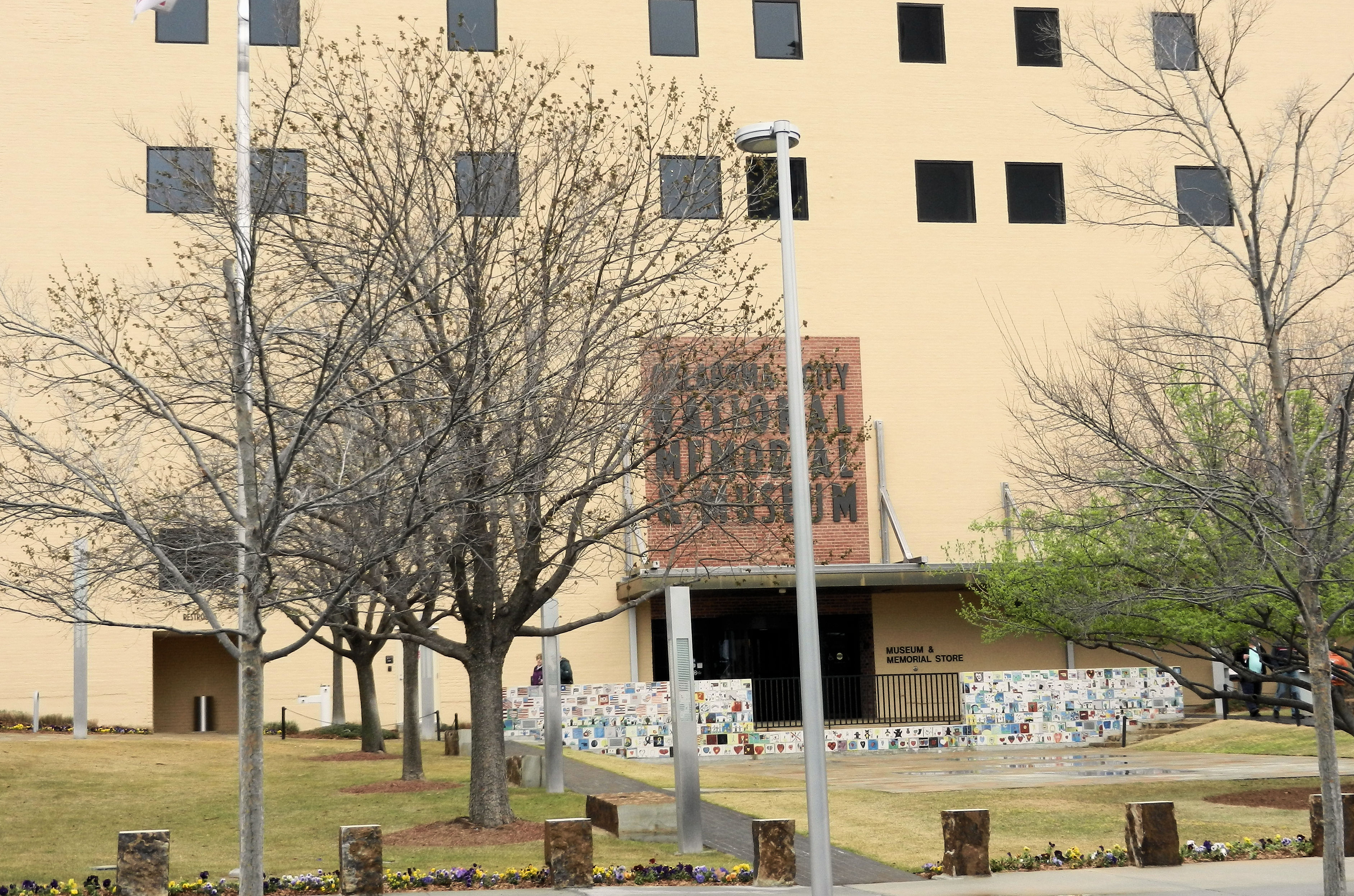
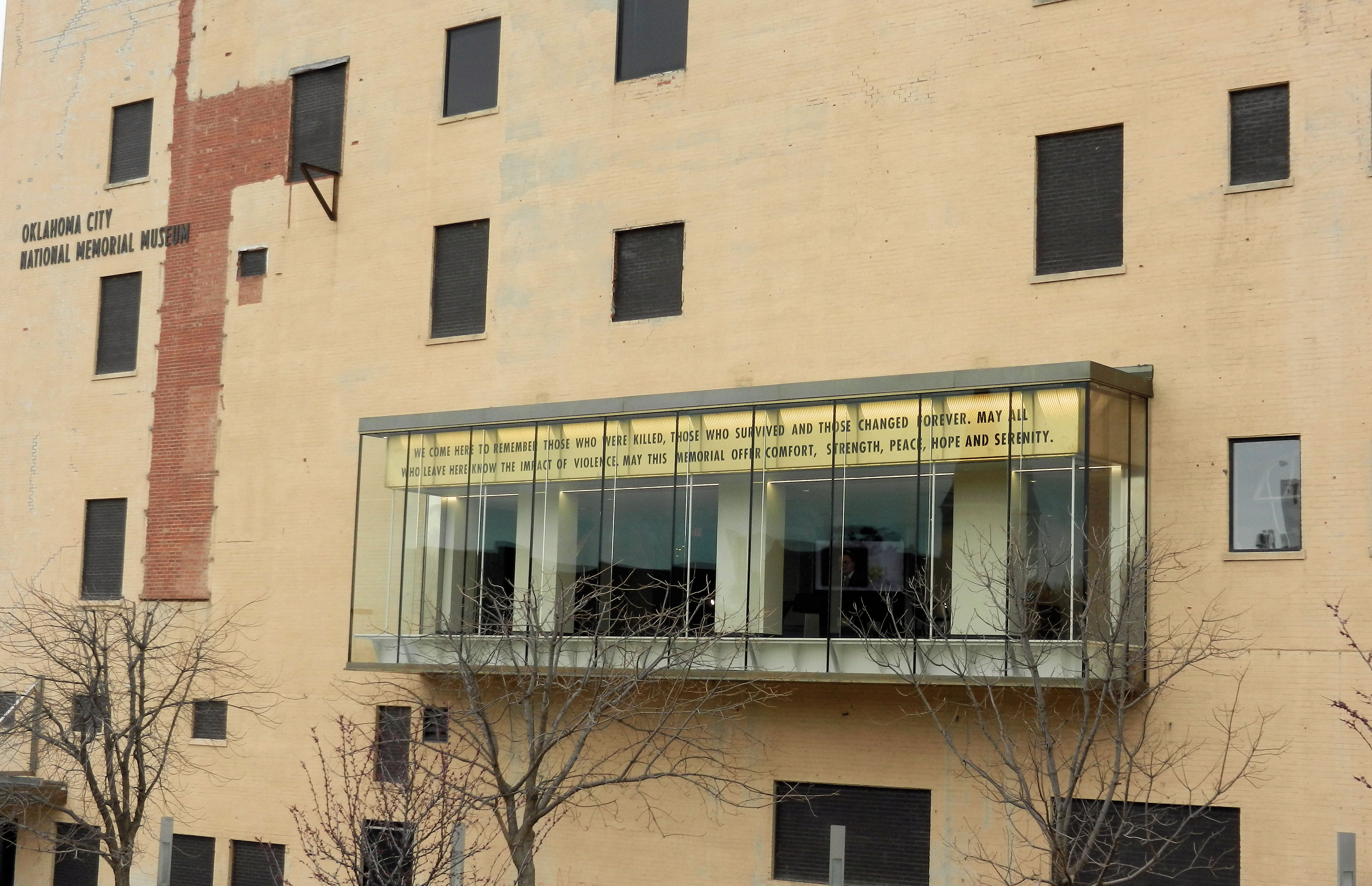
ABOVE: The Reflecting Pool and Field of Empty Chairs; the museum entrance, and window overlooking the memorial
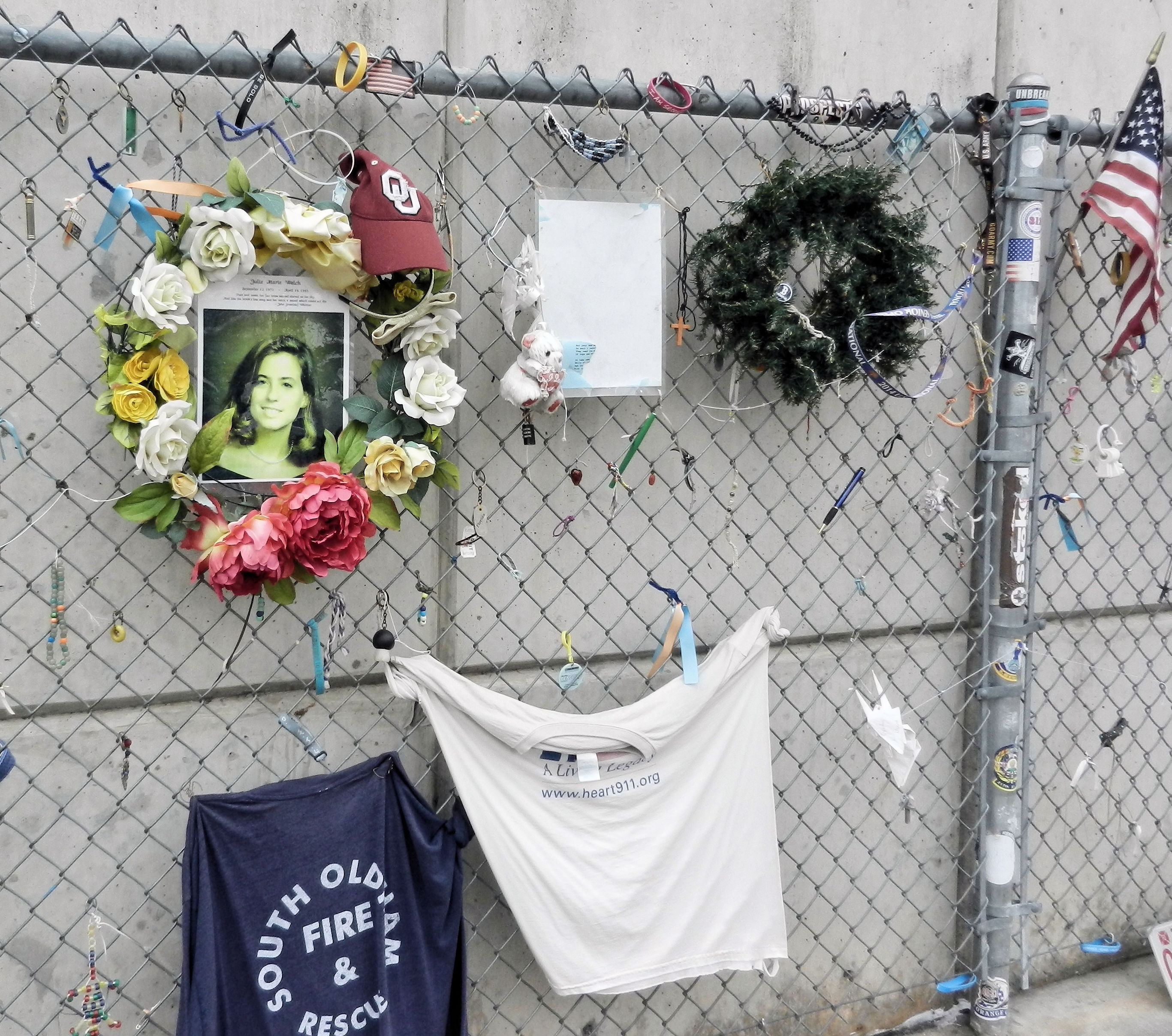
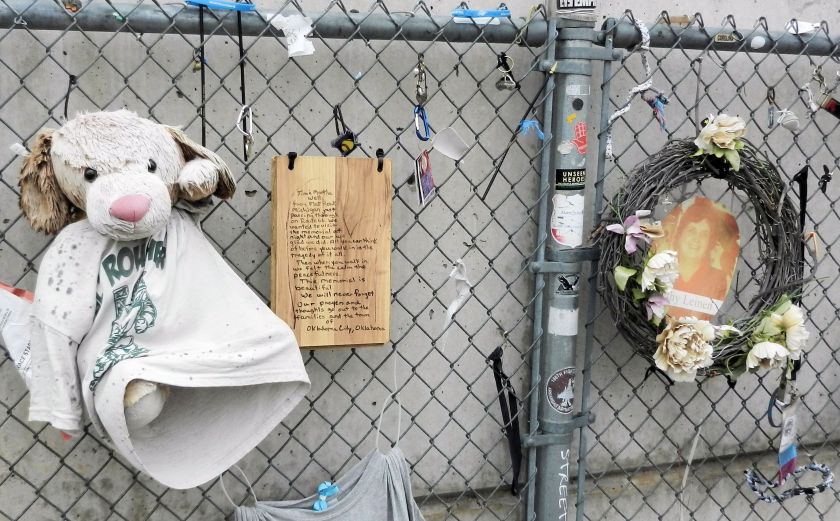
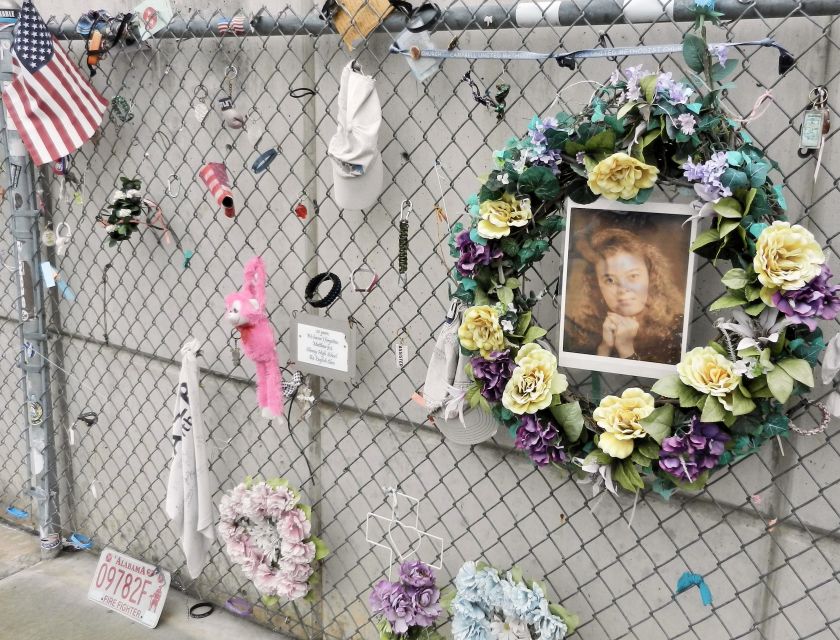
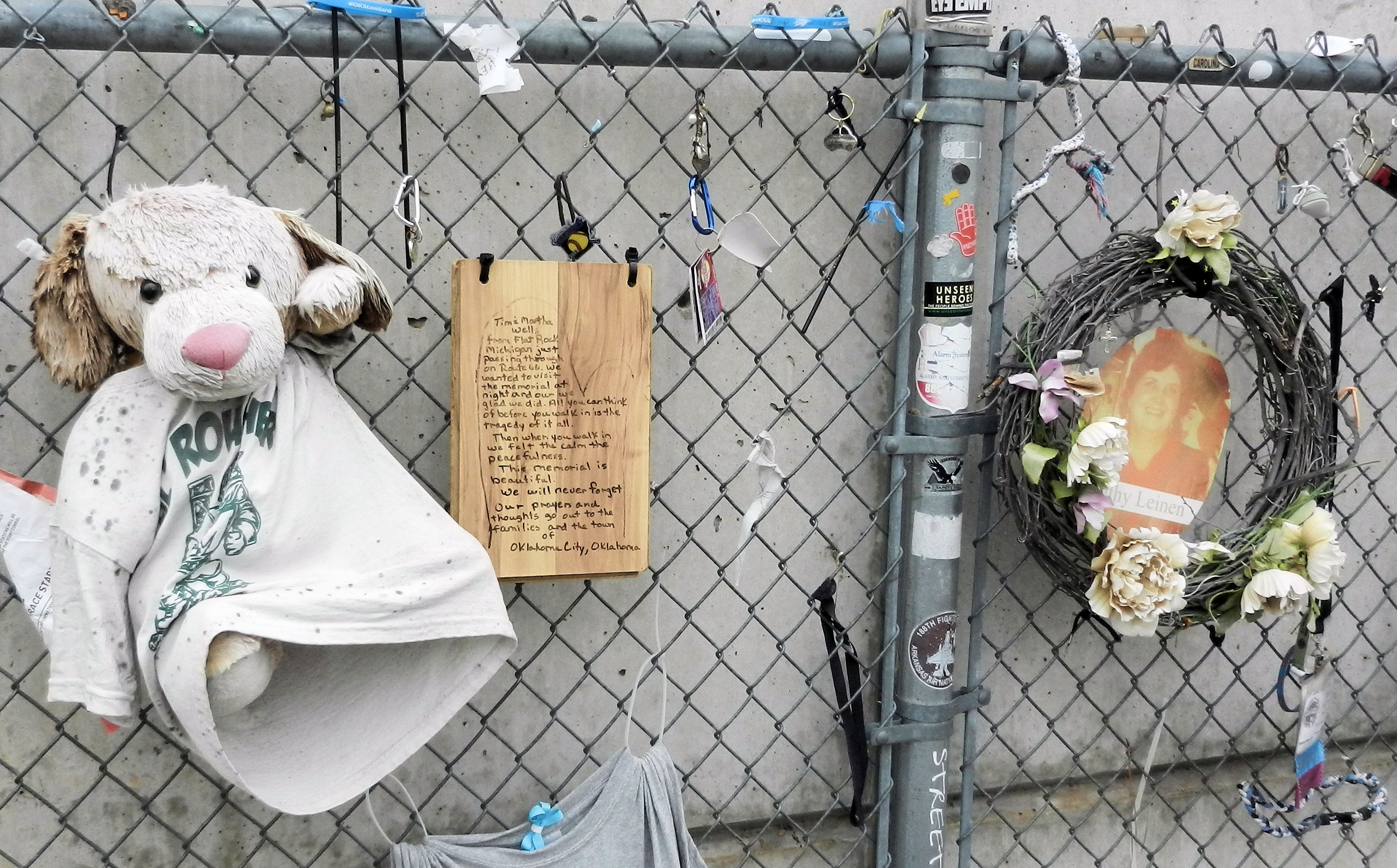
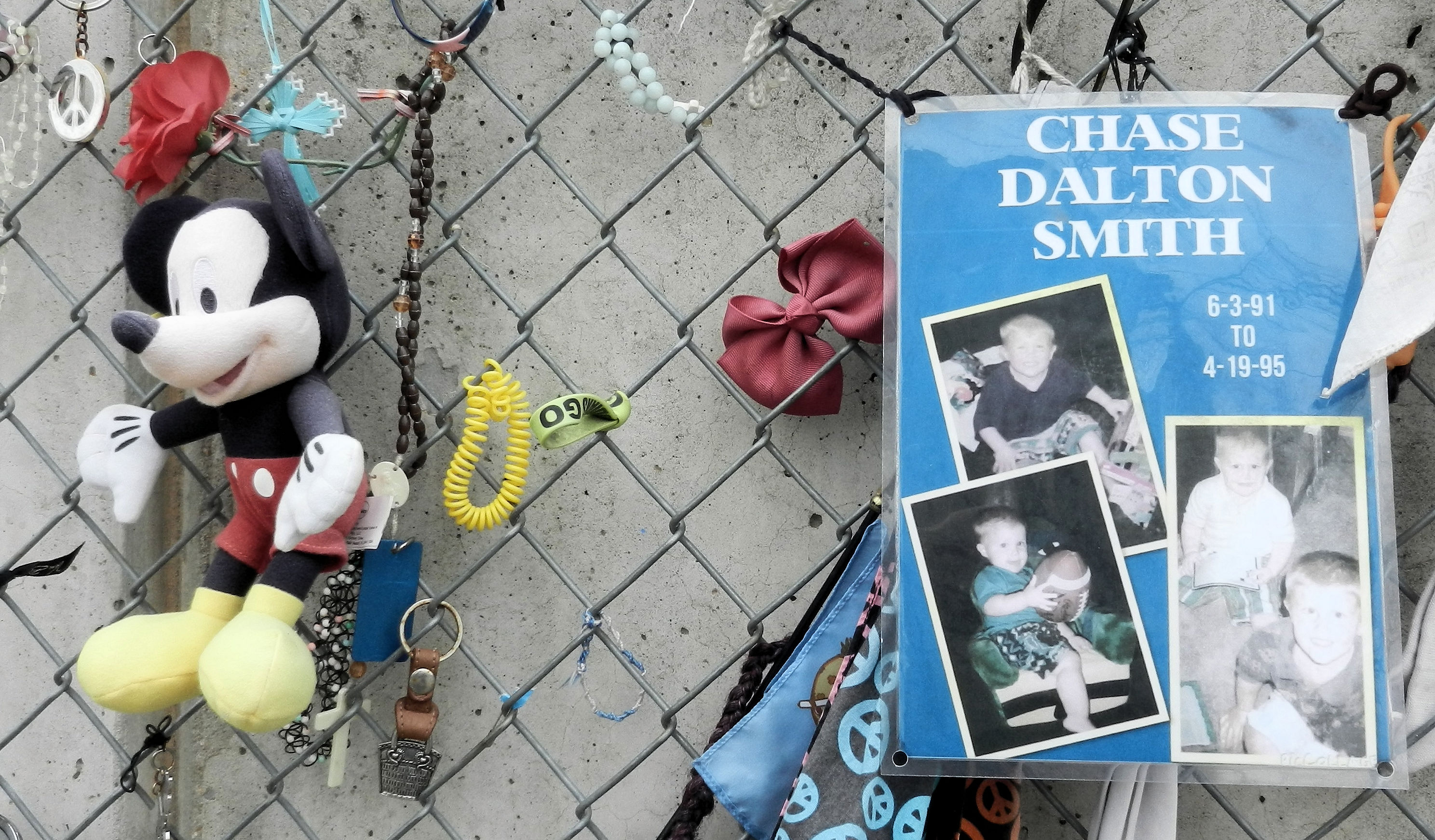
the chainlink fence displays mementos
We come here to remember those who were killed, those who survived and those changed forever. May all who leave here know the impact of violence. May this memorial offer comfort, strength, peace, hope and serenity.
mission statement of the memorial and museum
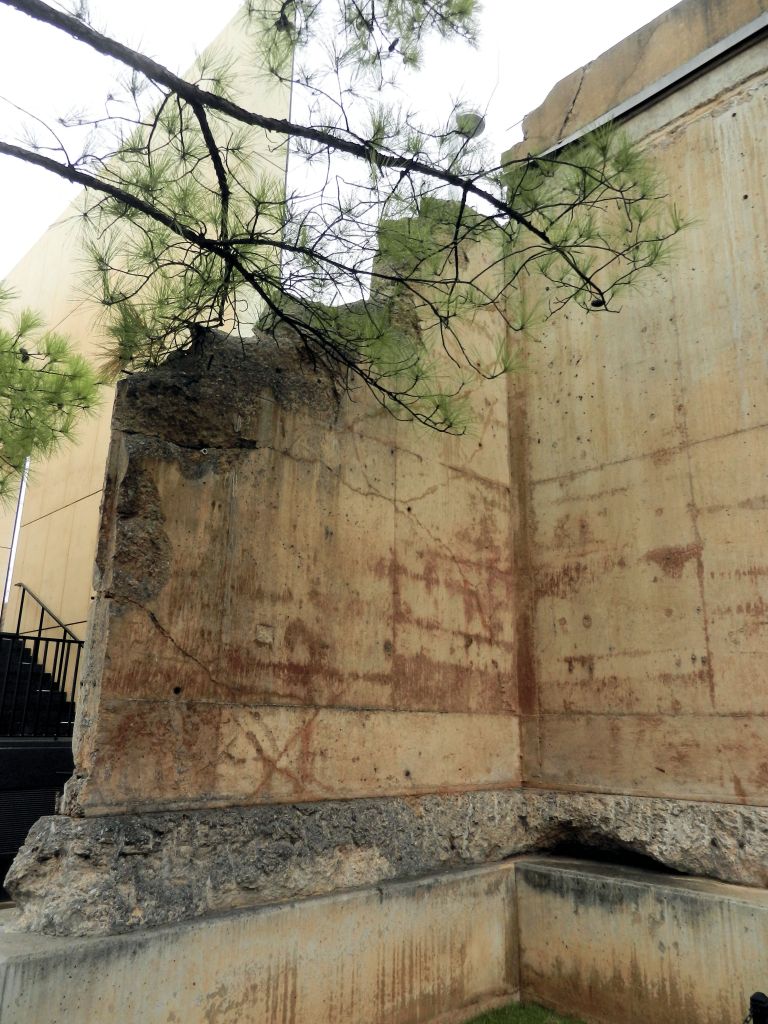
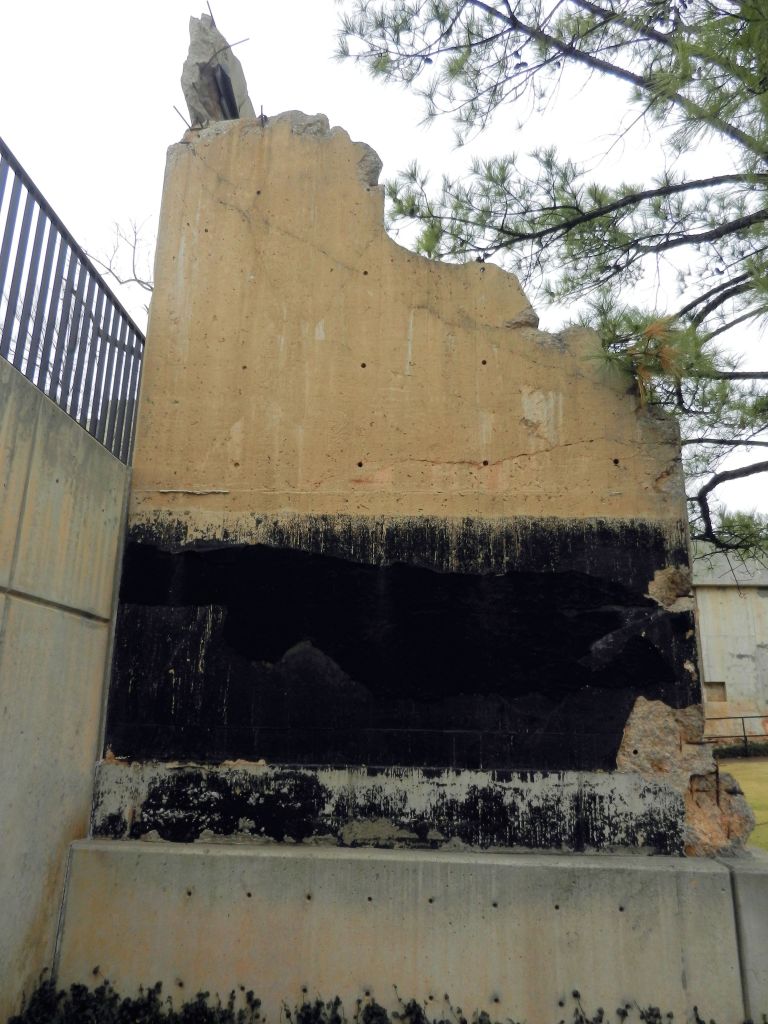
sections of the original building as they were immediately after the bombing, left standing as a reminder of the violence
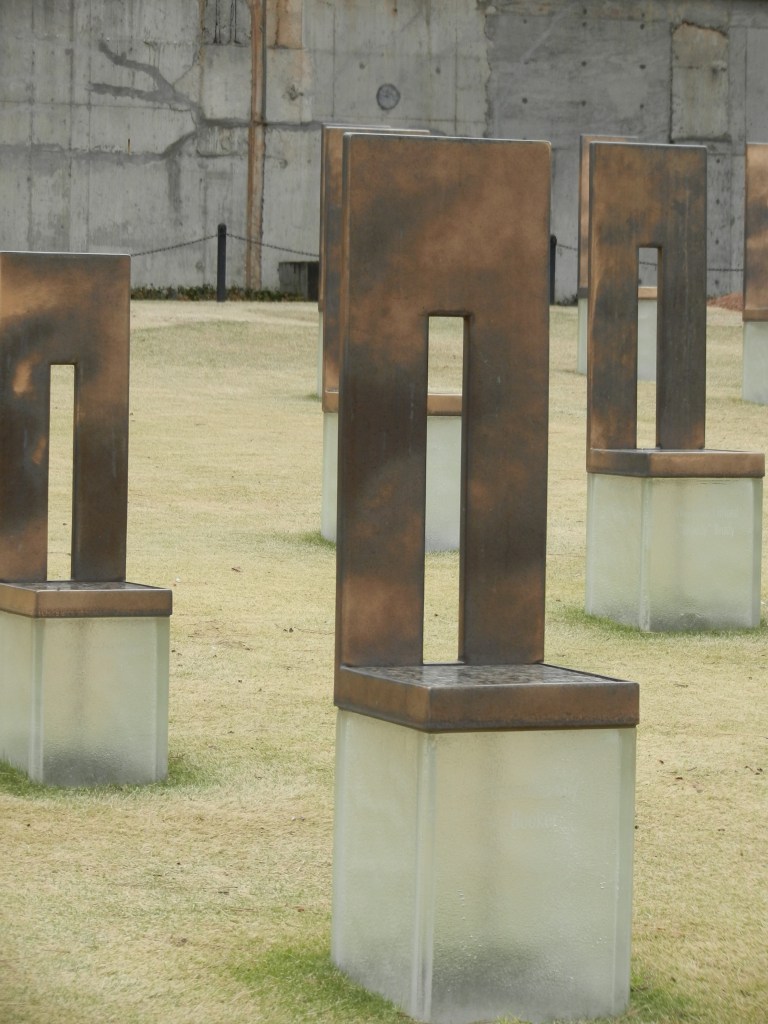
There is a chair for each person who died that day, 168.
The Survivor Tree, an American elm, survived the blast and is part of the Memorial.
What was once an ignored, unassuming urban tree is now an iconic symbol of hope.
Museum website
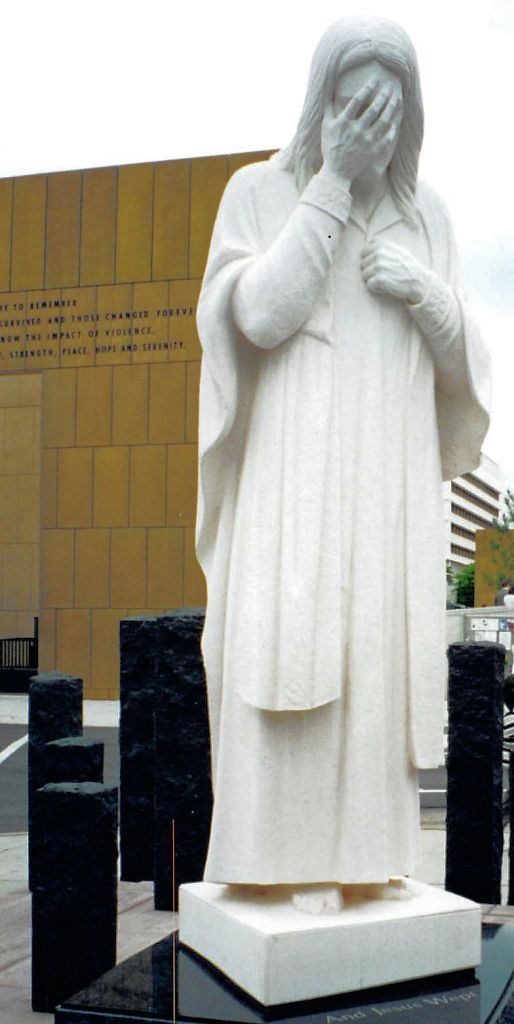
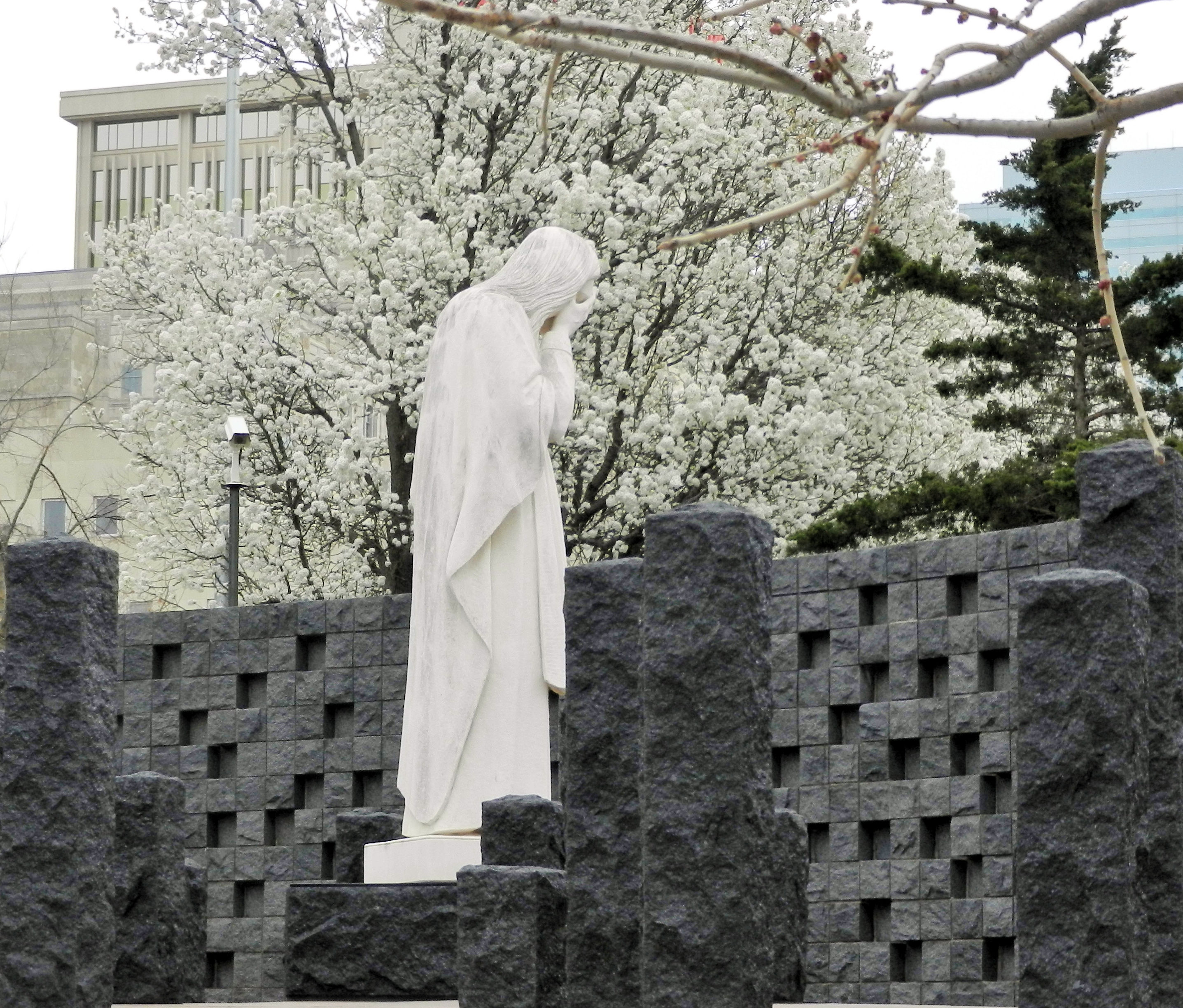
Jesus grieving at a church across the street
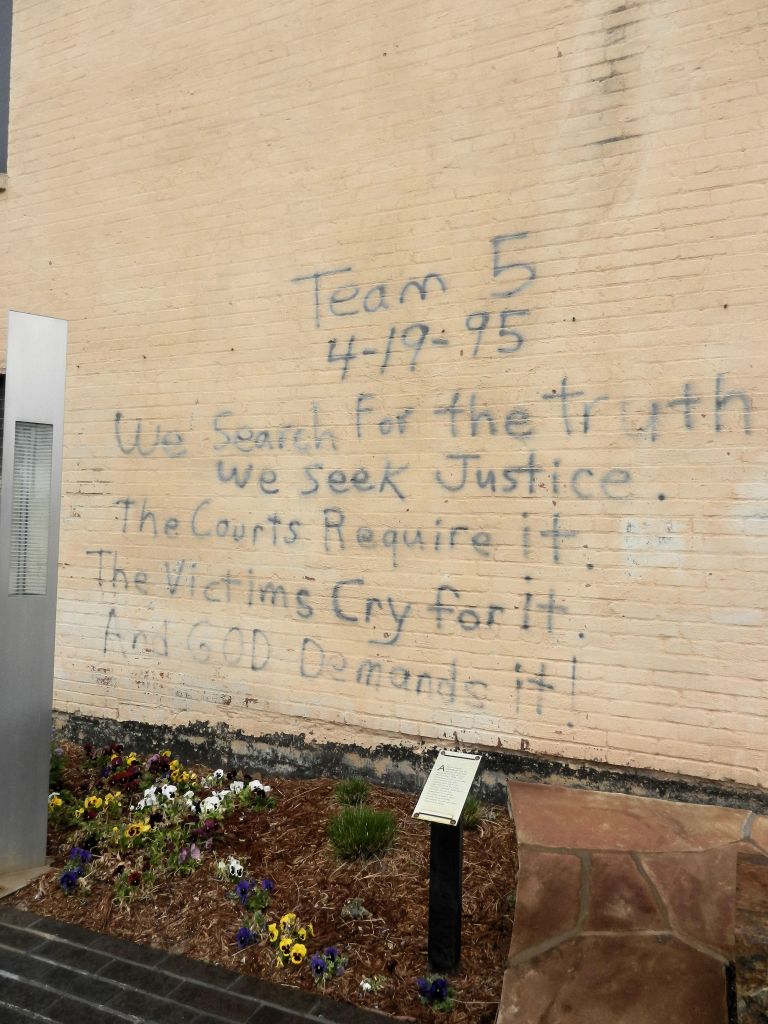
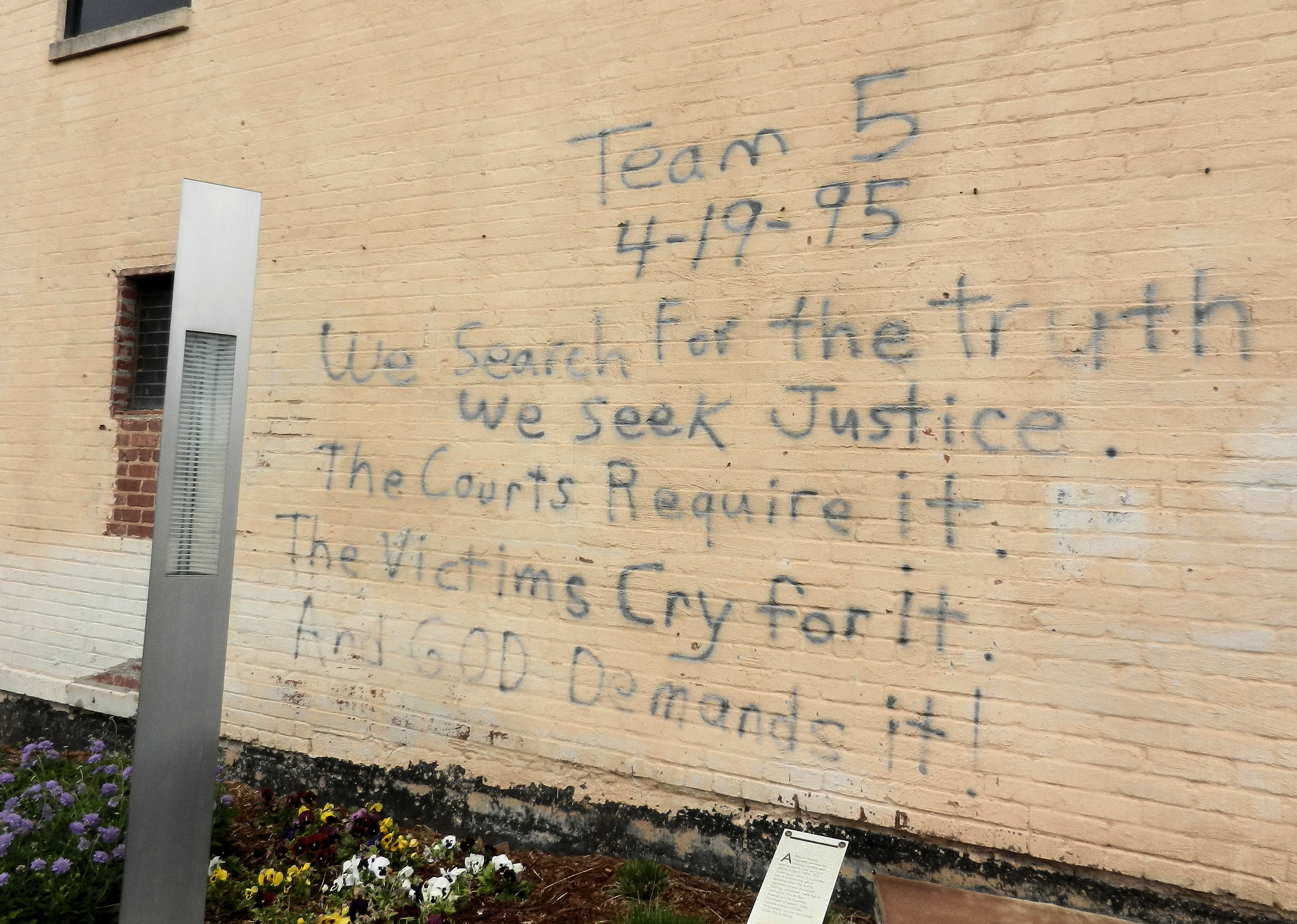
words written on the remaining wall of the Journal Record Building, also damaged that day
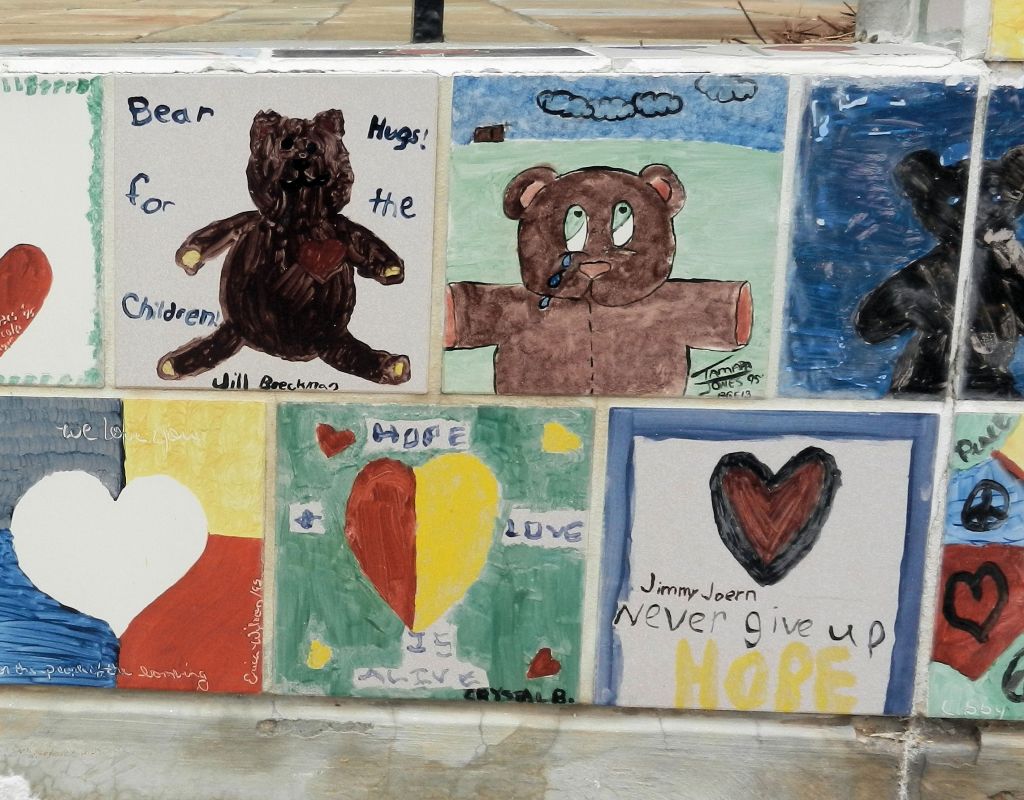
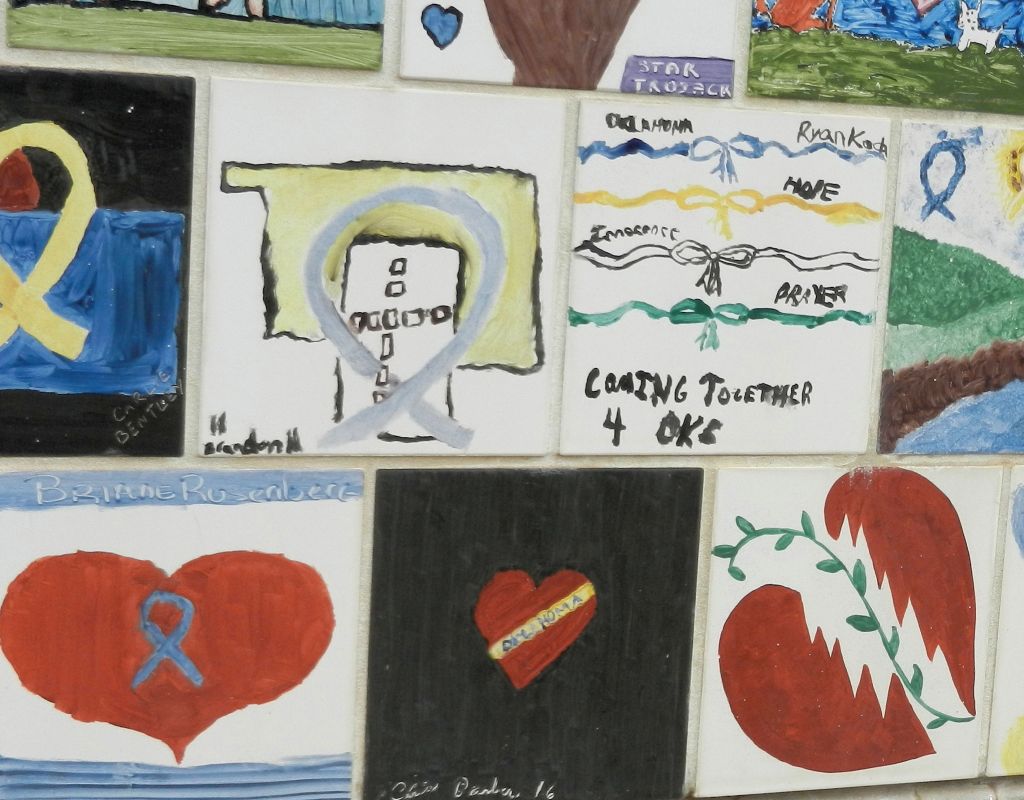
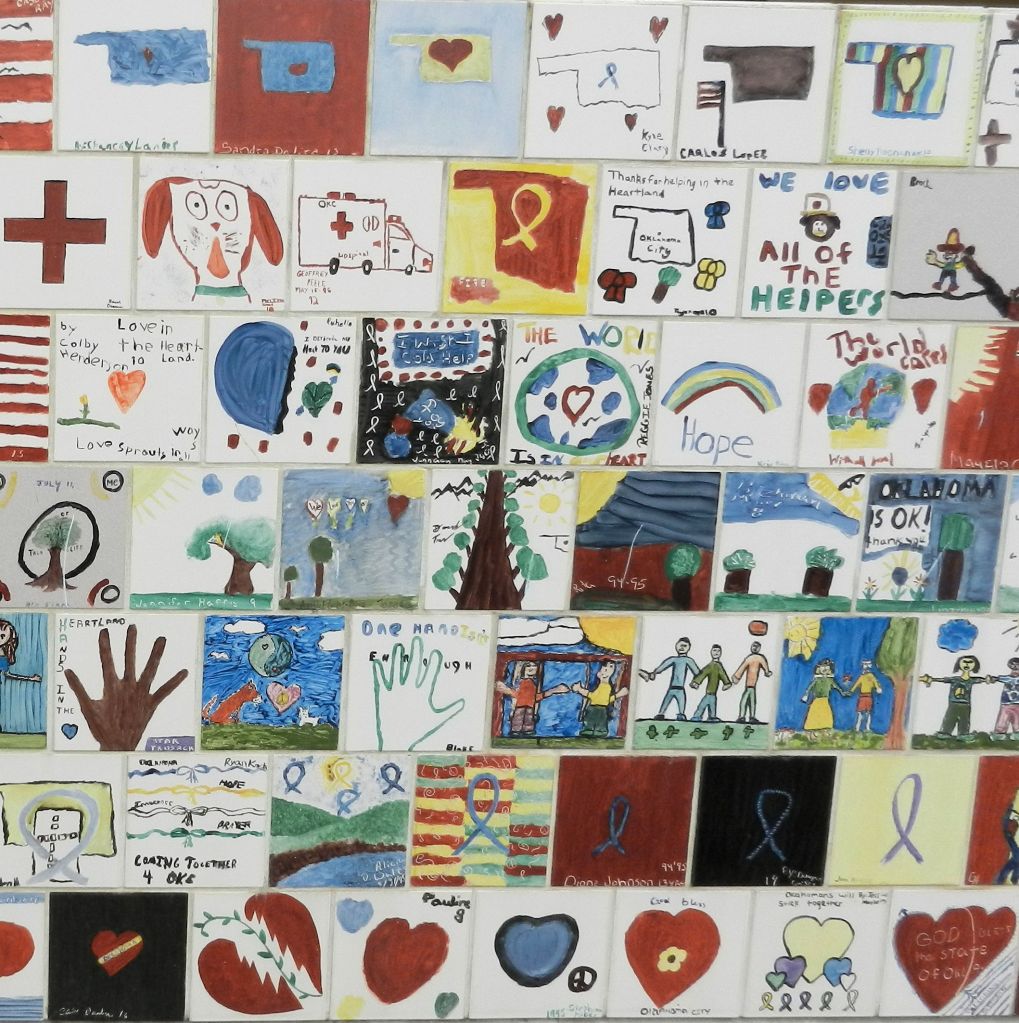
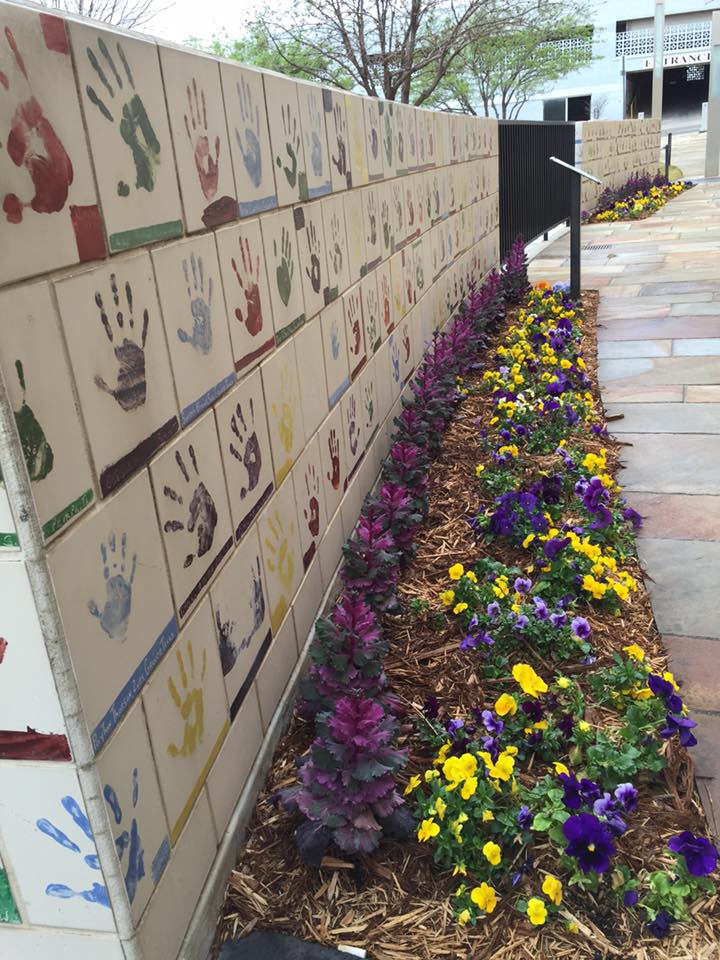
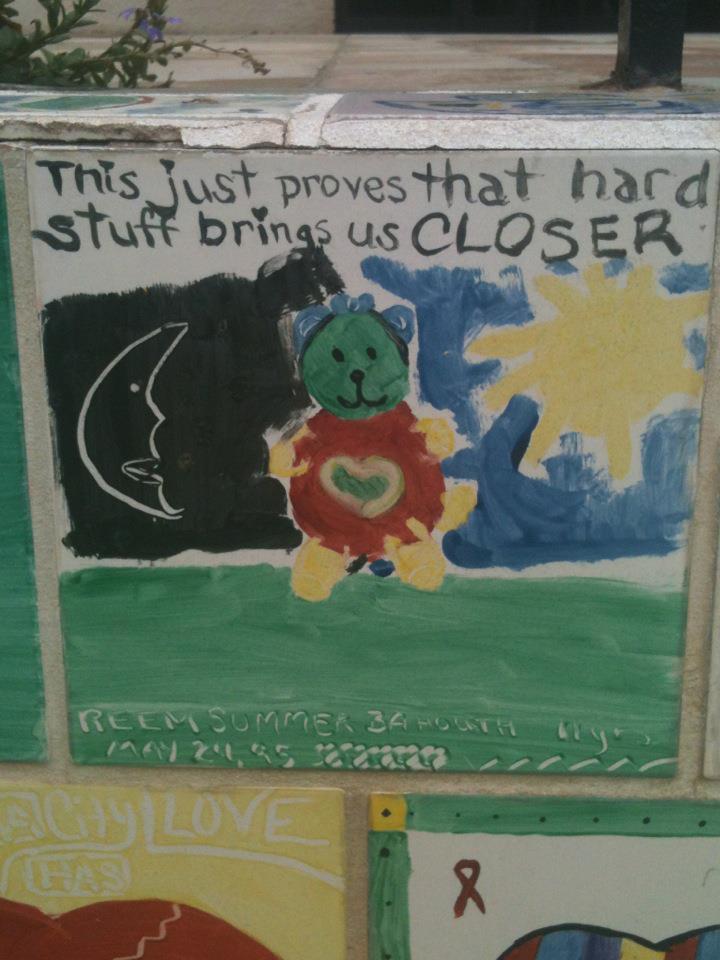
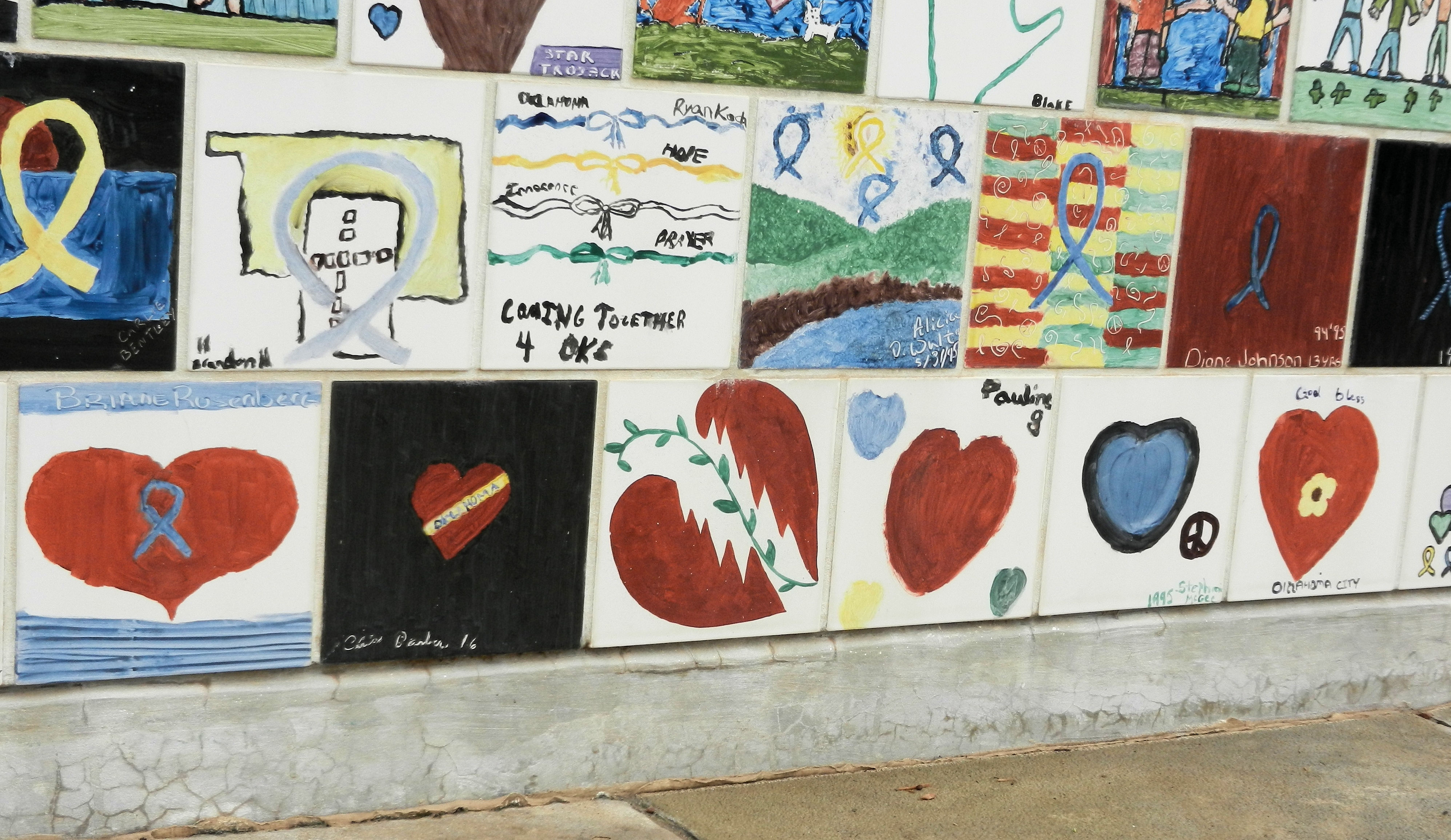
Tiles painted by children from all over the country, gifted to the museum, and displayed at the outside entrance.
The Oklahoma City National Memorial and Museum is privately funded. The memorial is free and open to the public. An admission is charged to tour the museum.
The Oklahoma City National Memorial Foundation is a private 501(c)(3) organization that owns and operates the Oklahoma City National Memorial & Museum.
It does not receive any annual operating funds from the federal, state, or local government.
The Survivor Tree
sharing the HEARTS of those we have lost to violence
Dr. Aletha
I’d love for you to follow this blog. I share information and inspiration to help you transform challenges into opportunities for learning and growth.
Add your name to the subscribe box to be notified of new posts by email. Click the link to read the post and browse other content. It’s that simple. No spam.
I enjoy seeing who is new to Watercress Words. When you subscribe, I will visit your blog or website. Thanks and see you next time.
Use these links to share the heart of health wherever you connect.
The 24th anniversary of the Oklahoma City bombing was marked on April 19, 2019. 168 people died, and hundreds were injured, changing the state and the nation forever. The memorial and museum tell stories of hope, including a bombing survivor who became a doctor, and three women who studied trauma and helped survivors worldwide.
updated April 15, 2024
April 19, 2019 marked the 24th anniversary of the terrorist bombing of the Alfred P. Murrah Federal Building in Oklahoma City, Oklahoma. Oklahoma City is the capital of my home state and was my home for 7 years while I attended medical school and completed my residency in Family Medicine at the University of Oklahoma Health Sciences Center.
From the bombing, 168 people died, hundreds were injured, and our state and our nation were changed forever. Never had there been such an act of horror and carnage on U.S. soil.
I’ve written here about the bombing and showed you pictures from the site which is now a memorial and museum. I’m doing that again but this time with news about 4 women who have turned the event into something positive.
OKLAHOMA CITY NATIONAL MEMORIAL AND MUSEUM
A woman survived to become a doctor
Twenty-three-year-old Madison Naylor was among the infants being cared for at the YMCA daycare located next door to the federal building at the time the bomb exploded. The building was heavily damaged but she and the other children survived.
“I remember when I was very young, I had a feeling that I had been really close to death, …I hope I can be something good that came from something so horrific.”
Madison Naylor, bombing survivor
some of the memorials hung on the fence that surrounded the bombing site have been left intact.
Madison grew up learning about the bombing and medicine. Her father and aunt are both physicians and now she is a first-year medical student at my alma mater, the University of Oklahoma College of Medicine. (She graduated, and is now a resident physician in pediatrics.)
“I know the bombing is still a part of people’s lives here. It’s humbling to be associated with such a tragic event. I hope that I can be a positive face going forward.”
Madison Naylor, medical student
The SURVIVOR TREE remained standing when everything around it was destroyed by the bomb. It survives to this day.
“I just want to be the kind of person who leaves the world a better place than I found it.”
Madison Naylor, MS1
TILES PAINTED BY CHILDREN FROM AROUND THE WORLD AND DONATED TO THE MUSEUM ARE DISPLAYED AT THE ENTRANCE
Women who treated and studied the survivors
The bombing changed not only Oklahoma City, but also our state, and our entire country. It was the worst terrorist event on U.S. soil until 9/11. All of us were touched in some way, but especially three women who worked in the Department of Psychiatry and Behavioral Sciences.
“None of us was thinking about studying disasters…But we kept studying …the Oklahoma City survivors over the years..Then started helping with disasters elsewhere.”
Betty Pfefferbaum, M.D., J.D. department chairman
This window in the museum overlooks the memorial.
Dr. Pfefferbaum, along with colleagues Phebe Tucker, M.D., and Sandra Allen, Ph.D. treated and studied trauma victims from the bombing and shared their findings with other doctors who use it to treat survivors around the world.
Lessons learned from the OKC disaster trauma
Disasters affect many different groups of people beyond those at the site-family, first responders, the community
Terrorism victims have higher than average rates of post-traumatic stress disorder (PTSD), anxiety, and depression than people who never experienced it.
Some people develop a biological response to disaster causing a higher resting heart rate than those not affected.
Dr. Allen developed an intervention to help children of trauma process their thoughts and feelings. Sometimes children think they have to hide their feelings or act out when they are hurting. This program helps them process those feelings and learn how to cope.
At a church across the street from the memorial
The work has rippled out into the world in ways that none of them could have imagined…
OU Medicine magazine
Words written on the wall of the former Journal Record Building which sat across from the federal building. These words, painted by a rescue team who searched for survivors that day, remain as a silent witness of the horrible event.
photos in this post taken by Dr. Aletha in Oklahoma City, Oklahoma
Thanks to OU Magazine and KFOR for sharing these stories.
exploring the HEART of health
Dr. Aletha
lemons into lemonade
I am delighted that Janice Wald, author and blogger at Mostly Bloggging, called this her “favorite post ” when I submitted it at her Inspire Me Monday Linky Party. Please visit Janice’s blog where you can learn about writing, blogging, productivity, marketing, and more.
It isn’t often that I see news-related posts left here and even rarer that, when I do, they are so inspirational. The post really exemplifies the expression, “Turn lemons into lemonade.”
Janice Wald, Mostly Blogging
Use these links to share the heart of health wherever you connect.


 watercress words by Dr Aletha