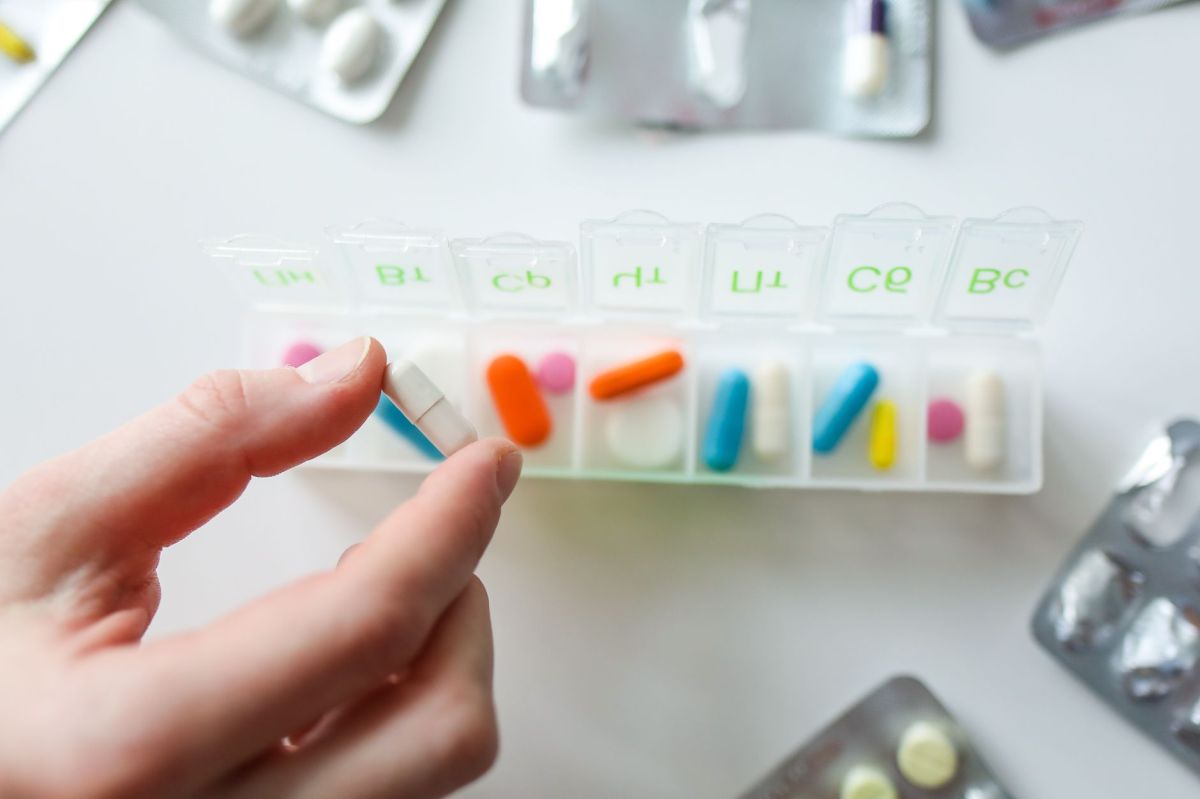
3 Common Drugs You May Not Need

In this article I warn about commonly used medications that offer limited benefits while posing significant risks, especially for older adults. Patients should regularly review medications with healthcare professionals and avoid stopping drugs abruptly.

I’m sharing an article I found at KFF Health News. It caught my attention because I’ve written a similar article about overused drugs.

We applaud the introduction of new drugs that can save a life or treat an untreated chronic condition. But many drugs are used inappropriately, either because they are ineffective for that purpose or unnecessary for anything.

This article focuses on drugs used in older adults, but the issue is not unique to that age group. The point is to only use drugs when there is a reason to do so, when you and your doctor identify a specific goal to achieve. Otherwise, you may waste your money and possibly endanger your health.

3 Common Drugs Older Adults Might Be Overusing

The scenario often unfolds like this: Medical researchers investigate a frequently used drug and report that it’s less effective for older patients than previously thought, or that its risks outweigh its benefits in older adults. More studies follow, confirming those findings.

After a few years, medical associations revise their guidelines, warning that the drug in question should be avoided or at least prescribed more selectively. It might be added to the Beers Criteria, an influential list of potentially inappropriate medications for older patients, published by the American Geriatrics Society.

If the drug’s role is preventive, the U.S. Preventive Services Task Force, an independent expert panel, may weigh in with cautions. The FDA may issue “black box” warnings about concerning side effects.

After a few more years, researchers look at broad national data to see whether use of this drug declined. Often, the answer is: Yes, but not enough. Sometimes, though, use didn’t decline much at all or actually increased.

“Medications are like barnacles, They’re easy to start, but they can be hard to stop.”

said Michael Steinman, a geriatrician at the University of California-San Francisco and co-director of the U.S. Deprescribing Research Network.

This medical inertia partly reflects the time lag involved in disseminating findings. “Clinicians have a million things they need to know and attend to, and information may take a while to get to them,” Steinman said.

But it also reflects the way “clinicians and patients get used to treating conditions in certain ways,” he said. “They become ingrained habits.” Finding alternative approaches is challenging, so “it’s easy to go with what you know.”

Recent studies of three medications or classes of drugs widely used among older Americans illustrate the problem.

The Drawbacks of Benzodiazepines

Scientists began raising alarms about benzodiazepines more than 20 years ago. Prescribed for insomnia and anxiety, “they offer prompt relief,” said Mark Olfson, a psychiatrist and epidemiologist at Columbia University.

The problem? Benzodiazepines (including Valium, Xanax, and Ativan) and the related “Z” drugs (Ambien, Lunesta) “may impair balance, coordination, and cognition that can translate into falls and fractures and motor vehicle accidents,” Olfson said. In patients also taking opioids for pain, benzodiazepines can cause overdoses.

Moreover, “once you’ve taken them for a period of time, you develop a dependence,” Olfson added. “When you come off them, you may develop withdrawal symptoms.”

So what’s happened to benzo use among older adults, who are more sensitive to these effects? In a recent examination of prescribing trends, published in the Annals of Internal Medicine, Olfson and his team reported progress. Among people 65 and older, the rate of patients filling prescriptions for benzos dropped to 11.5% in 2024, from about 14% in 2015.

But that decline has stalled since 2020, perhaps related to the COVID-19 pandemic. Moreover, prescribed use actually rose among those over 75, from 12% in 2020 to about 13% four years later.

Dispensing through pharmacies in long-term care facilities more than doubled. And about a third of users were taking the drug for longer than six months, increasing the likelihood of dependence. “It’s worrisome,” Olfson said.

But he cautioned that patients shouldn’t stop benzodiazepines suddenly or on their own, which can provoke withdrawal. “It requires supervised tapering” with a medical professional, he said. “It takes many weeks.”

When Antibiotics May Not Help

For years, the standard treatment for diverticulitis, the inflammation or infection of small pouches that form in the colon, was antibiotics, primarily fluoroquinolones (like Cipro and Levaquin) or amoxicillin-clavulanate (Augmentin).

“It was unquestioned,” said Jesse Sutton, a pharmacist and researcher at the Minneapolis Veterans Affairs healthcare system. “Antibiotics are safe and effective, great, lifesaving drugs, so the mindset was: When in doubt, use them.”

But in 2015, the American Gastroenterological Association recommended against routinely prescribing antibiotics for “uncomplicated” diverticulitis, which represents a great majority of cases. Other medical groups followed suit.

Clinical trials had shown that, for this condition, antibiotics had little or no effect on mortality, the need for surgery, complications, or recurrences. “They hadn’t improved anything,” Sutton said.

And as with any drug, “there are downsides, unintended consequences,” he said. “Side effects from antibiotics account for a substantial amount of emergency room visits” for symptoms like nausea, vomiting, and diarrhea. Antibiotics heighten the risk of the virulent C. difficile infection, too.

Plus, “the more you use antibiotics, the less they work in the future,” Sutton said. The World Health Organization has deemed antimicrobial resistance “a major global health threat.”

So Sutton and his colleagues, studying treatment in 70,000 visits to 120 VA facilities, expected to see antibiotic use for uncomplicated diverticulitis decline over 10 years.

Instead, they reported recently in the Annals of Internal Medicine that antibiotic prescriptions remained nearly universal at 97% of visits, guidelines or no guidelines. The patients would most likely have done as well with a few days of Tylenol and a clear liquid diet.

Antibiotic overuse remains common for other conditions of later life, too, including the kind of urinary tract infections that cause no troublesome symptoms and upper respiratory infections that are typically viral, not bacterial.

In such cases, when a doctor prescribes an antibiotic, “I’d encourage patients to say, ‘Please explain the rationale for doing this,’” Sutton said. “If they don’t, it’s OK to press pause.”

When Aspirin Isn’t the Answer

Aspirin is different. Because it’s cheap and sold over the counter, anybody can start taking it on their own — and millions of older Americans do, thinking it will help prevent cardiac problems.

For people who’ve already had a heart attack, stroke, or cardiac intervention like a stent or bypass surgery, daily low-dose aspirin for “secondary prevention” does lower the odds of another event, studies have demonstrated.

But for “primary prevention” in people who haven’t had one, the guidelines changed in 2019, when the American College of Cardiology and the American Heart Association recommended against aspirin for this purpose in those 70 or older. The U.S. Preventive Services Task Force went further, warning against aspirin for primary prevention starting at age 60.

Large clinical trials had shown scant benefit for aspirin as a primary prevention measure, but there were harms, notably gastrointestinal bleeding. “As we age, the risks of bleeding go up,” said Timothy Anderson, an internist at the University of Pittsburgh who co-directs its Prescribing Wisely Lab. More rarely, but more seriously, aspirin can cause bleeding in the brain.

In a JAMA study published last year, Anderson and his co-author found the message was getting through: Aspirin use for primary prevention, as reported in the National Health and Nutrition Examination Survey, had dropped substantially from 2011 to 2023. But more than a third of those 70 or older were still taking it.

Some caveats: A subgroup of older adults with high risk factors for cardiovascular disease may benefit from aspirin for primary prevention. And, confusingly, some evidence suggests that older patients already taking aspirin face a higher risk of cardiovascular disease if they discontinue it.

“Step 1 is a conversation with your primary care physician” about aspirin, Anderson said. “‘Is this still right for me as I get older?’”

Older patients taking aspirin, many without any medical guidance, “are interested in reducing their risk of heart attack and stroke,” he said. “They’re trying to be proactive and healthy.” But with blood pressure medications and statins for cholesterol, “we have better strategies than aspirin for that.”

The New Old Age is produced through a partnership with The New York Times.

KFF Health News is a national newsroom that produces in-depth journalism about health issues and is one of the core operating programs at KFF—an independent source of health policy research, polling, and journalism. Learn more about KFF.

This article first appeared on KFF Health News and is republished here under a Creative Commons Attribution-NonCommercial-NoDerivatives 4.0 International License.

Review prevention of heart disease here.

7 Steps to a Healthy Heart

Read about my 7 overused drugs here.

7 Overused Medications

Fear vs. Focus

We shouldn’t fear using medication; instead, focus on using it wisely. After reading this article, what questions do you have about the medications you use, whether prescribed or self-selected?

Consider writing down your questions now to be prepared for the next time you visit your physician. Your doctor should evaluate all the medicine you take, even those non-prescription. Drugs don’t know the difference.

Exploring the HEART of Health

Thank you for reading this post. I strive to make them worth your time.

I share information and inspiration kindling transformation in your body, mind, and spirit.

You can follow this blog in two easy ways. One is to put your email address into the box below.

Another way is to follow me on Facebook, where I share new posts, timely topics, photos, and an occasional cartoon.

Watercress Words by Dr. Aletha

Dr. Aletha

Preventing Pedestrian Injuries

This post about vehicular safety might save your life. Whether you drive, ride, or walk, vehicular safety should concern you. Too many people learn the hard way how badly vehicular accidents can harm your health and impact your life .

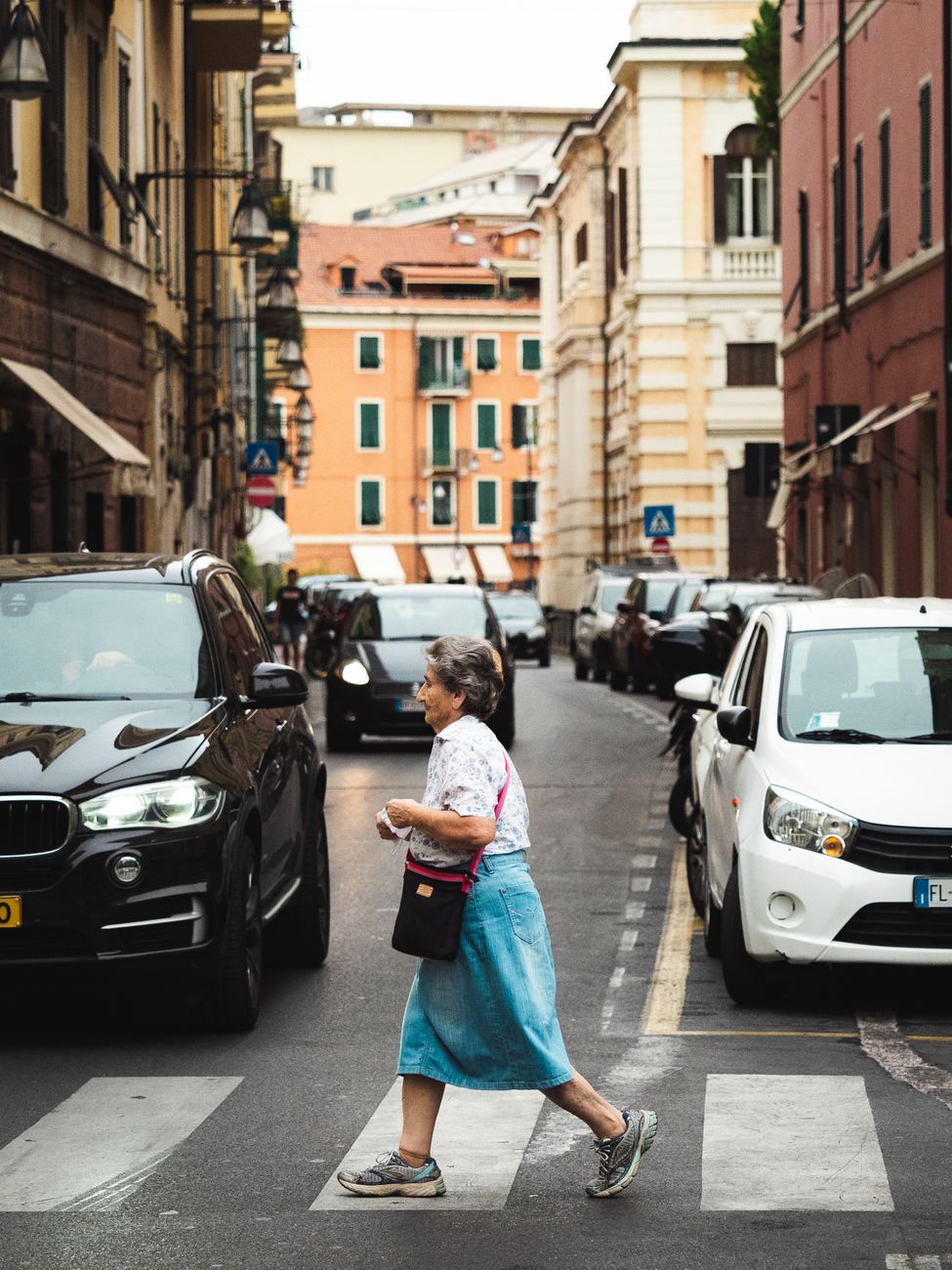
A recent article from KFF Health News about “older pedestrians” caught my eye since my husband and I now meet the definition of “older”. But concerns about pedestrian safety apply to anyone whose ability to safely cross a street might be compromised. This could include

  • a parent pushing a stroller or walking with a toddler
  • a young person using a mobility device, like a cane, walker, or wheelchair
  • a person with a visual or hearing impairment

While anyone can be a pedestrian victim, older age makes recovery longer and less certain. As the article points out, we have “greater frailty, loss of muscle mass and fragile bones”. Add to that underlying chronic illnesses such as diabetes, heart and vascular disorders, lung disease, and immune dysfunction make us significantly more vulnerable as we age.

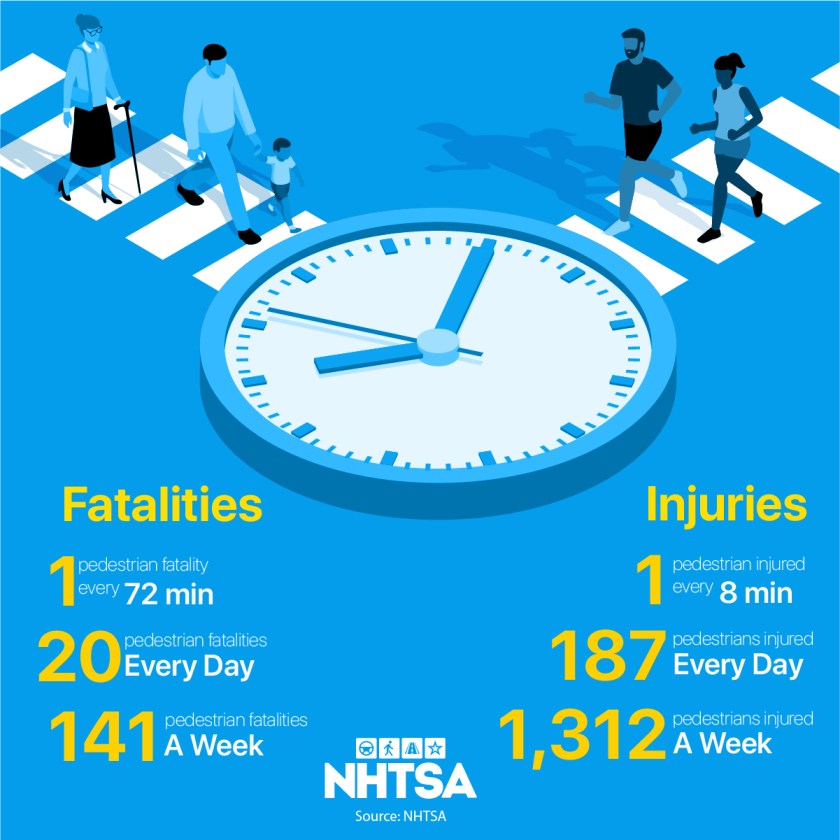
1312 pedestrians are injured by vehicles every week.

There are 20 pedestrian fatalities every day.

Why Older Pedestrians Fare Worse in Car Crashes

By Paula Span, Aug 28, 2026, republished from KFF Health News

On an August morning two years ago, Meredith Melville was crossing Piedmont Avenue in Oakland, California, to meet a friend at a cafe. While in the crosswalk, she noticed a car some distance away.

Perhaps she misjudged its speed, she said, because she’d walked only partway across the street when the car, a Toyota sedan, came bearing down on her.

“She should have seen me,” Melville said of the driver. “All of a sudden she was there, and I didn’t have any way to get out of her way. I flew I don’t know how many feet.”

Passersby came to help; the police and an ambulance arrived. Soon Melville, a retired teacher, was at a hospital being treated for multiple fractures. Surgeons replaced her right hip and repaired her broken right elbow. She would probably need a knee replacement soon, too, doctors advised.

After a week’s hospitalization and a month in rehabilitation, Melville, then 73, went home in a wheelchair. Physical therapists helped her gradually progress to a walker and then a cane, but “it was a long process,” she said.

She still contends with back and knee pain and hasn’t been able to resume the hiking and backpacking she loved.

Still, when people say she’s lucky, Melville agrees. “It could have been a lot worse,” she said.

It often is.

Older pedestrians, like Melville, aren’t injured by motor vehicles at a greater rate than younger ones, according to 2023 data from the National Highway Traffic Safety Administration.
But they’re more likely to die.

KFF Health News

Older Pedestrians=Greater Risk

The death rate for pedestrians over 65 is higher than the average for all ages. Nearly 8,200 pedestrians 65 or older were injured that year — likely an undercount because not all serious crashes and injuries show up in police reports. More than 1,500 died. And the picture is not improving.

Researchers point out that older pedestrians remain more vulnerable to collisions. “They move through intersections at a slower pace,” said Andrew Rundle, an epidemiologist at Columbia University. Impaired hearing or vision can make them less apt to notice approaching vehicles or respond to traffic signals. And because reaction time slows with age, they’re less able to evade a car that’s turning, speeding, or ignoring a signal.

Physically, they “have greater frailty, loss of muscle mass and fragile bones,” Rundle said.

As a result, “the consequences of injuries are stratospherically different the older you get,” said Charles DiMaggio, an injury epidemiologist at the New York University Grossman School of Medicine.

“A hip fracture in a 45-year-old is unfortunate. In a 75-year-old, it’s tragic.”

Moreover, after a marked decline in pedestrian deaths among all age groups from 1975 to the mid-2000s, progress for the older population has stalled for nearly 20 years.

Data from the Insurance Institute for Highway Safety shows that from about 2008 through 2024 the fatality rate for pedestrians 70 and older was not only higher than the average for all ages but “has stayed stubbornly flat,” Rundle said.

More Walking-Good and Bad

One factor could be exposure: Older adults appear increasingly likely to be outdoors on foot. The National Health and Aging Trends Study shows that the proportion who report walking for exercise climbed to 65% in 2023, from 60% in 2011. “And we encourage them to, because quality of life includes daily physical activity,” said Stephen Mooney, an injury epidemiologist at the University of Washington.

Further, the increasing popularity of large SUVs and trucks means “the vehicles on the road have become more dangerous” compared to traditional sedans, Rundle said. In June, a New York Times investigation documented the way their taller hoods and larger blind zones contributed to rising fatalities.

Growth of Electric Bicycle Use

The latest threat: explosive growth in the use of e-bikes. That’s a generic term often used to refer not only to motor-assisted bicycles that, with pedaling, can reach 28 mph but also to heavier, faster, and, therefore, more dangerous bikes akin to motorcycles. The industry has dubbed those e-motos.

“E-motos need to be regulated like motor vehicles,” said Noah Miterko of the trade association PeopleforBikes, noting that states and cities are taking steps to police their sale and use. From 2019 to 2022, the rate of e-bike injuries increased by nearly 300%, according to an analysis of emergency room data published in the American Journal of Public Health.

The “micromobility” phenomenon, or the uptick in the use of motorized two-wheeled vehicles, is so recent that researchers lack national data on its risks to pedestrians. In New York City, for instance, pedestrians remain far more likely to be hurt or die in encounters with cars, trucks, or vans. Last year, the city recorded 112 pedestrian deaths, of which 105 involved motor vehicles.

But “my clinical colleagues are sounding the alarm,” DiMaggio said. “Emergency departments and trauma teams are saying we need to pay more attention” to e-bike injuries.

Inebriated Pedestrians

One often overlooked factor in pedestrian deaths: alcohol. Among adult pedestrians killed in nighttime crashes, about a third had blood alcohol levels indicating intoxication; so did about 20% of those killed during the day. Public health officials have cautioned for years that older adults are drinking more, and more often.

“It’s almost a blind spot,” Rundle said. “We talk about drunk drivers a lot” but less about inebriated pedestrians.

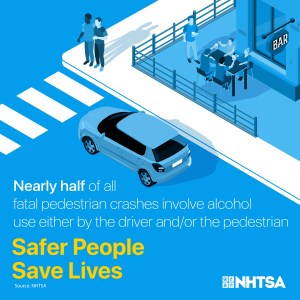
Half of fatal pedestrian crashes involve alcohol use.

Nevertheless, crashes that cause injury and death are preventable, said Laura Sandt, co-director of the Highway Safety Research Center at the University of North Carolina. Federal and local government policies have evolved since the era when pedestrian fatalities “seemed just part of the business of driving,” she said.

More than 200 municipalities have adopted the Vision Zero approach, for instance, a public health focus on programs and environments that increase traffic safety for all ages. Changes that can save lives involve improved

  • street design (pedestrian islands, crosswalks, lighting, and bumped-out curbs making street-crossers more visible),
  • safer signal timing (giving pedestrians a head start over turning cars),
  • and lowered speed limits.

A recent study of where older pedestrians die in collisions found that the risk was substantially greater in places with a high density of walkable senior destinations, like hospitals and health facilities, pharmacies, and senior and community centers. That suggests the possibility of traffic strategies targeting such neighborhoods, analogous to child safety efforts focused on schools and their surroundings.

Traffic safety “shouldn’t rely on a pedestrian’s noticing a car coming and jumping out of the way,” said Mooney, one of the authors of the study. “Our job is to make the system safer for all ages and capacities.”

Melville, who was unable to leap out of danger, is “out and about now,” she said. “I’m not where I was, and I don’t know if I ever will be, but I can function. I’m leading a normal life.”

She still mourns her hikes in Reinhardt Redwood Regional Park and the Point Reyes National Seashore preserve, she said, but “I’m going to get there.”

The New Old Age is produced through a partnership with The New York Times.

KFF Health News is a national newsroom that produces in-depth journalism about health issues and is one of the core operating programs at KFF—an independent source of health policy research, polling, and journalism. Learn more about KFF.

This article first appeared on KFF Health News and is republished here under a Creative Commons Attribution-NonCommercial-NoDerivatives 4.0 International License.

8 Walking Safety Tips from the National Highway Traffic Safety Administration

  • Follow the rules of the road and obey signs and signals.
  • Walk on sidewalks whenever they are available. If there is no sidewalk, walk facing traffic and as far from traffic as possible.
  • Do not cross mid-block. Cross streets at crosswalks or intersections.
  • If a crosswalk or intersection is not available, locate a well-lit area where you have the best view of traffic. Wait for a gap in traffic that allows enough time to cross safely; continue watching for traffic as you cross.
  • Watch for cars entering or exiting driveways or backing up in parking lots.
  • Embrace walking as a healthy form of transportation.
  • When crossing the street, stay alert: check for signs, signals, and the actions of drivers, cyclists, and pedestrians around you.
  • Do not rely on others to keep you safe; make eye contact with drivers when possible and wait for a clear, complete stop before crossing.
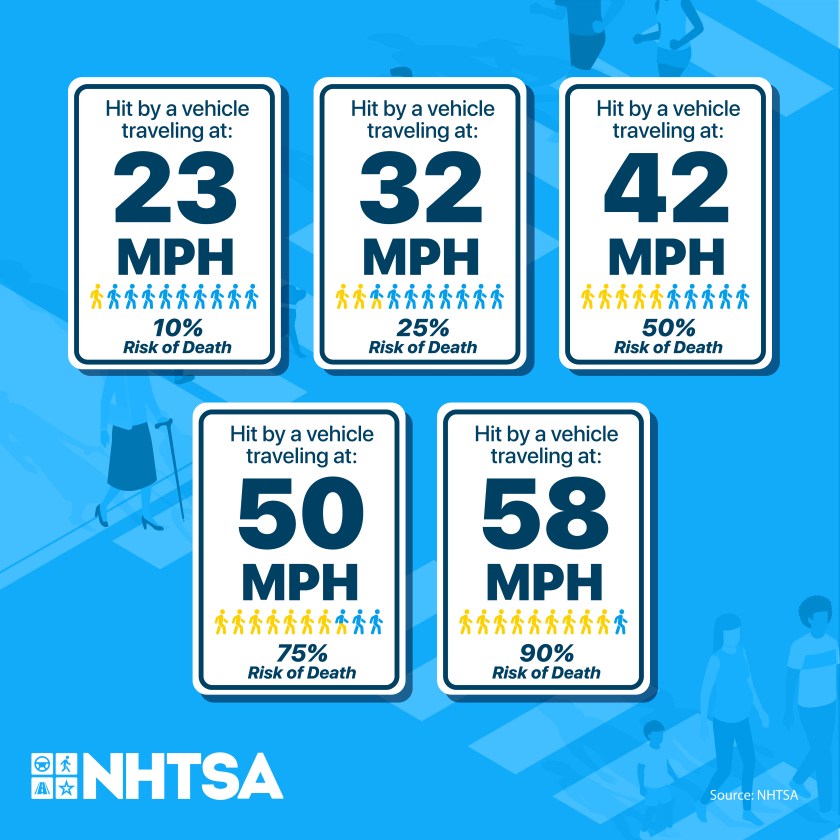
The risk of dying if hit by a vehicle moving at 58 mph is 90%.

Images

Graphics are from the NHTSA and were not included in the original article. The cover photo is from Pexels.com by Kai Pro.

Ask: What does this mean for me?

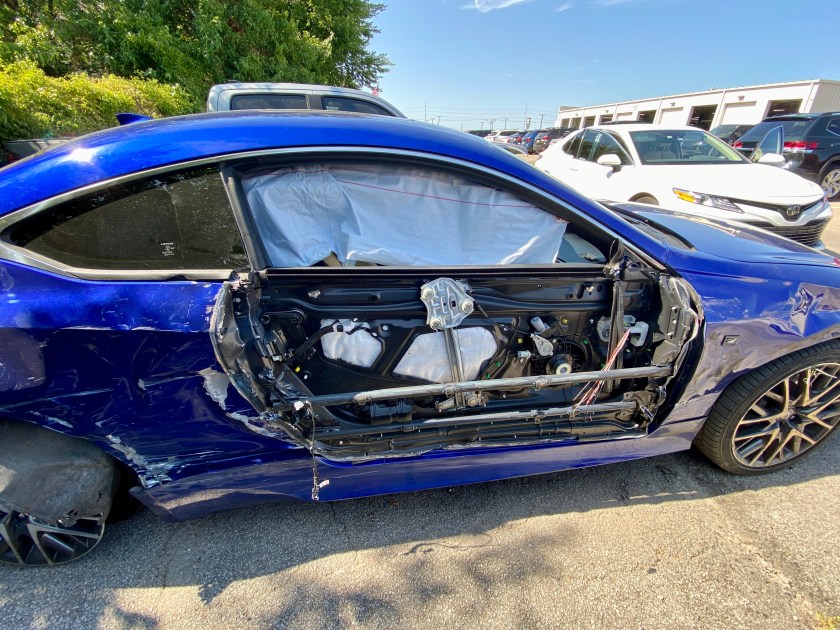
My husband had a serious car accident three years ago. The car was totalled, but he sustained no injuries. He was fortunate. Likely, you have either been involved in some type of vehicle collision, or know someone who has.

How important is the information in this article to you? What new insights did you gain or were reminded of?

Are you more likely to be the driver or the pedestrian in a vehicle-pedestrian crash?

What will you do with what you learned from this article? I would appreciate you leaving your experience and insight in the comments. It might help someone else.

My husband’s wrecked car. If I had been in the passenger seat, the airbag would have deployed into my face.

Exploring the HEART of Health

Thank you for reading this post. I strive to make them worth your time.

I share information and inspiration kindling transformation in your body, mind, and spirit.

You can follow this blog in two easy ways. One is to put your email address into the box below.

Another way is to follow me on Facebook, where I share new posts, timely topics, photos, and an occasional cartoon.

Watercress Words by Dr. Aletha

Dr. Aletha