Donald Trump’s Healthcare Achievements 2016-2020

This post reviews healthcare during Donald Trump’s first presidential term, detailing his achievements from 2016 to 2020 and the political climate surrounding healthcare policies. It discusses the impact of the ACA, Trump’s various healthcare initiatives, and his reelection in 2024 against Kamala Harris after Biden dropped out.

updated November 26, 2024

This post looks back at healthcare under the first Trump administration from 2016 to 2020.

I originally wrote this post in 2020 during the Presidential campaign between incumbent Donald Trump, Republican, and Joe Biden, Democrat. Trump was not reelected.

In 2024 Trump again ran for President against the incumbent Biden, who unexpectedly dropped out of the race in the summer. His Vice President Kamala Harris became the Democratic candidate.

Donald Trump won reelection with 50% of the popular votes to 48.4% for Kamala Harris. The electoral count was 312 to 226. (per the Associated Press).

(The last President to serve two non-consecutive terms was Grover Cleveland in 1893. )

Healthcare 2008-2016

Due to the pandemic caused by the SARS-CoV2 virus, health has been a major topic in both world and national news this year and will continue to be so for months if not years. And health is a major issue in this year’s United States presidential election in November 2020.

Health care was a major issue in the 2008 election and proved to be momentous. In his campaign, the Democratic candidate, Barack Obama, promised health care reform and as President he delivered with the passage of the Affordable Care Act, (ACA) the first time Americans have had universal health care.

The ACA sparked heated debate in the 2016 election with the Democratic candidate pledging to build upon it and Republican candidate vowing to dismantle it . This year the debate continues.

Healthcare and the Presidential Campaign 2020

In this and another post, I review and list what I think are some of the most important points in the health care philosophy of each major party candidate, according to information on their official websites.

I am not endorsing either of the candidates, their party ,or their healthcare plans. My intent is to present a non-partisan look at what they have done and propose. If it sounds otherwise, that is unintentional.

You should also review a post about the Republican Party healthcare platform.

How to become President inforgraphic
The Presidential pathway from USA.gov

The incumbent candidate-Republican- Donald J. Trump

Donald J. Trump, owner and former president of The Trump Organization, was elected the 45th U.S. president in 2016. He was born June 14, 1946. Mr. Trump is married to Melania Trump and has 5 children.
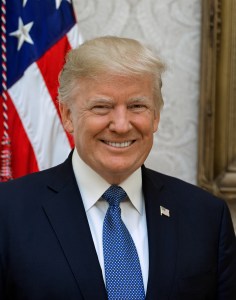
Official portrait of President Donald J. Trump, Friday, October 6, 2017. (Official White House photo by Shealah Craighead)

President Donald J. Trump Achievements

This information was adapted from a Trump-affiliated site that is no longer active.

The Trump Administration

  • expanded access to Association Health Plans (AHPs) allowing small business to pool risk across states.
  • launched a program to provide the HIV prevention drug PrEP to uninsured patients for free.
  • issued guidance expanding options for individuals with chronic conditions. High deductible plans can now cover products such as insulin, inhalers and statins pre-deductible.
  • issued a rule allowing health care workers to refuse to provide services like abortion, sterilization or assisted suicide, if they cite a religious or conscientious objection.
  • announced the launch of a new COVID-19 Uninsured Program Portal in an effort to cover testing and treatment for uninsured individuals.

As part of the landmark Tax Cuts and Jobs Act President Trump repealed the individual mandate, which forced people to buy expensive insurance and taxed those who couldn’t afford it.

The mandate disproportionately hurt the poor: 80% of those affected made less than $50,000.

As President, Mr. Trump
  • took executive action to strengthen Medicare and reform the Medicare program to stop hospitals from overcharging seniors on their drugs.
  • pressured China to close dangerous loopholes that allowed Chinese fentanyl manufacturers to legally ship the compound worldwide, much of which ended up in the U.S.
  • created a bipartisan opioid commission that issued 56 recommendations to help defeat the opioid crisis.
  • invoked the Defense Production Act, giving power to allocate health care supplies and increase production of necessary products to counter COVID-19. 
  • worked with Congress to stop surprise medical billing.
As President, Mr. Trump signed
  • the bipartisan Tobacco-Free Youth Act to raise the nationwide age for purchasing tobacco and vaping products to 21 years old.
  • the Families First Coronavirus Response Act, expanding the SNAP and WIC programs by adding $500 million, helping pregnant women and those who lost their jobs due to COVID-19.
  • an executive order to modernize flu vaccines and help protect more Americans by promoting new technologies to improve vaccine manufacturing and effectiveness.
  • a bill to extend Veterans Choice Health Care Law.
  • an executive order that increased price and quality transparency in American health care.
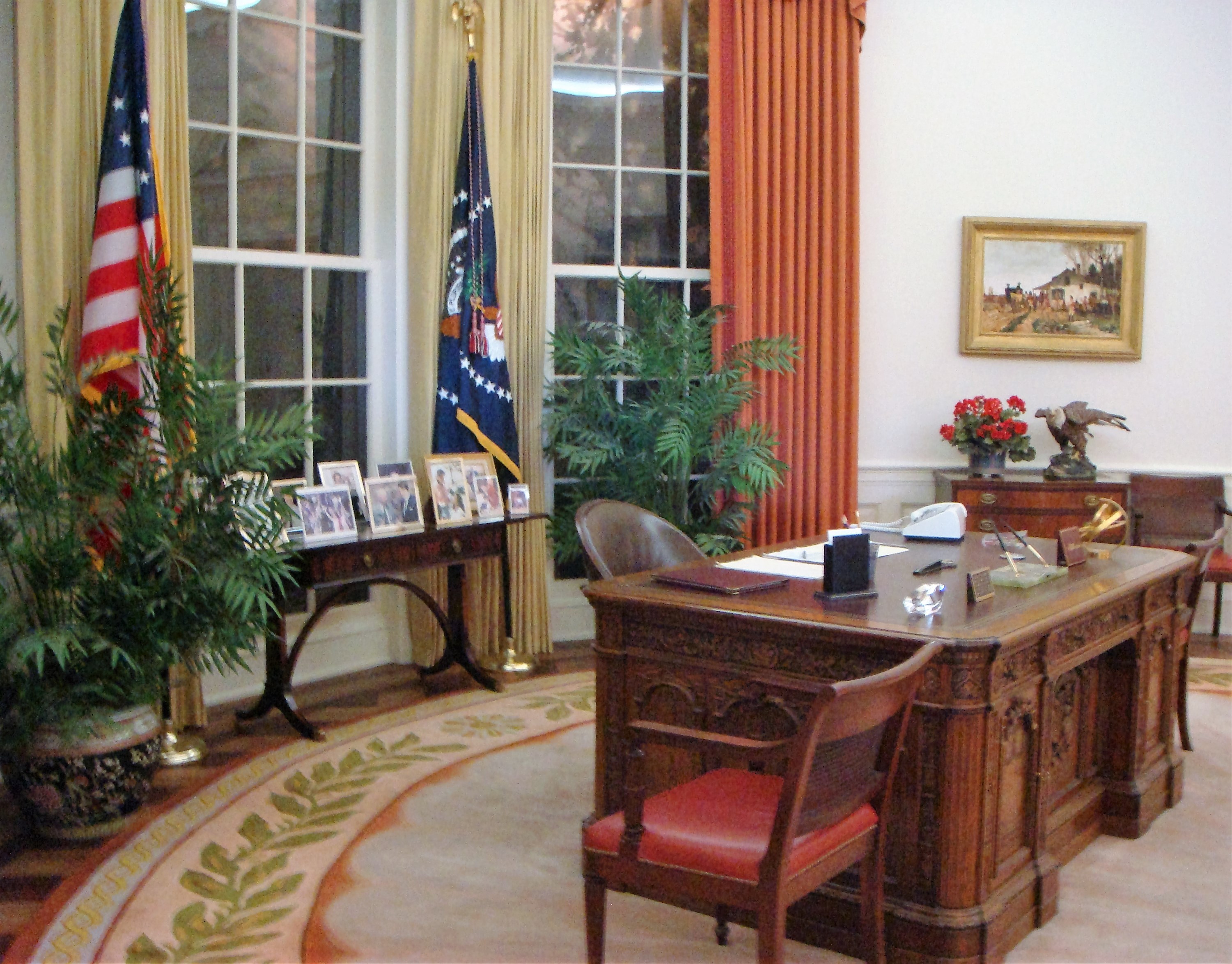
Oval Office replica
replica of the Oval Office at the Reagan Presidential Library, photo by Dr. Aletha

Exploring the HEART of healthcare election politics

I’d love for you to follow this blog. I share information and inspiration to help you transform challenges into opportunities for learning and growth.

Add your name to the subscribe box to be notified of new posts by email. Click the link to read the post and browse other content. It’s that simple. No spam.

I enjoy seeing who is new to Watercress Words. When you subscribe, I will visit your blog or website. Thanks and see you next time.
a group of lapel buttons, red, white and blue, saying VOTE

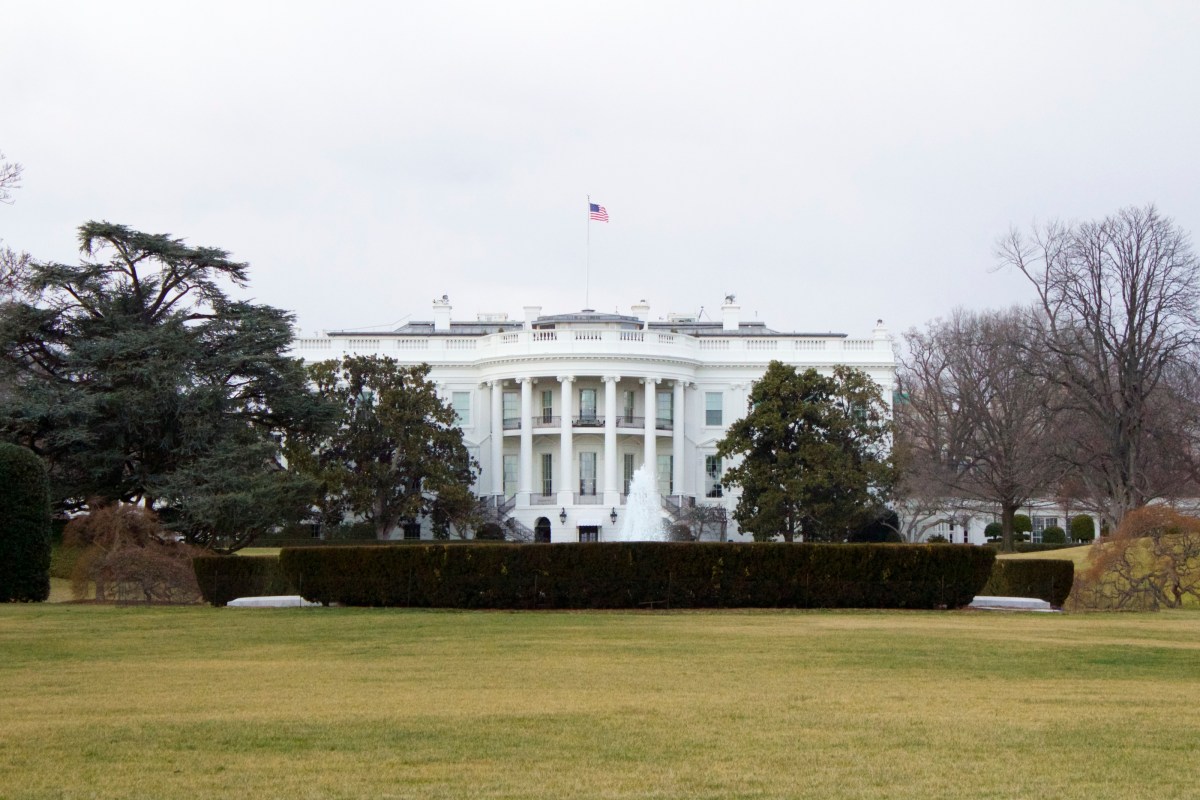
This photo and the cover photo of the White House are from the media site Lightstock.com, an affiliate which pays this blog a commission for purchases made from this link

Dr. Aletha

Simple and effective ways to manage chronic pain -part 2 of a series

The most important ingredient in managing a chronic or persistent condition is having a therapeutic relationship with your physician and other healthcare professionals- physical therapist , mental health counselor, nutritionist.

In a previous post I talked about non-drug methods to manage pain in the spine-neck and back. You may want to review it now, but reading  this one first is fine. This post will focus on other painful conditions.

While people often discover methods to relieve pain that work for them, I am focusing here on treatments that are supported in the medical literature or recommended by knowledgeable professionals. For this post, I reviewed many articles which summarized current studies.

Finding trustworthy medical information

How do doctors know what works and what doesn’t? Since medical knowledge has changed since we went to medical school , how do we know what is current information?

We read literature pertinent to our fields on a regular basis, attend conferences, and talk to other doctors. But when we need a specific question answered , we do what you do-we Google it.

shelves in a library with adjacent computers
the Centers for Disease Control and Prevention (CDC) Library, located on the organization’s campus, in Atlanta, Georgia. The CDC collections span the field of public health. Print and electronic resources cover such topics as disease prevention, epidemiology, infectious diseases, global health, chronic diseases, environmental health, injury prevention, and occupational safety and health. The main library in Atlanta and selected branch libraries are open to the public. used courtesy CDC/ Emily Weyant; MSLIS; ORISE Fellow

One of the most frequently reviewed is PubMed listing  more than 28 million citations for biomedical literature from MEDLINE, life science journals, and online books. The service is free and anyone can use it. PubMed is a service of  the National Library of Medicine, the largest biomedical library in the world ,located in Bethesda, Maryland,

Another major reference is the Cochrane Library, a collection of databases in medicine and other healthcare specialties ; a fee is charged to use this service.

Basic points about complementary treatments for pain management

We should use medication and surgery when appropriate, but when these can’t be used or are not helpful, we can consider alternative methods, or what I and other doctors prefer to call complementary or integrative treatment.

This post focuses on symptom relief, not necessarily curative treatment.

Herbals and supplements are drugs and can be effective for certain conditions, but this post will discuss non-drug treatments only.

Many cases of pain improve spontaneously with no specific treatment.

Almost everything works sometimes.

There are few if any down side to any of these treatments. Used under supervision they are unlikely to have adverse side effects or result in long term complications.

The most important ingredient in managing a chronic or persistent condition is having a therapeutic relationship with your physician and other healthcare professionals- physical therapist , mental health counselor, nutritionist.

SIMPLE AND EFFECTIVE WAYS TO MANAGE CHRONIC PAIN-WATERCRESSWORDS.COM

Migraine

Migraine is more than just a bad headache; it is a disorder of the brain which causes pain as well as other common symptoms including nausea, vomiting, and sensitivity to light and noise.  Dizziness, numbness, and  loss of vision occur less frequently.

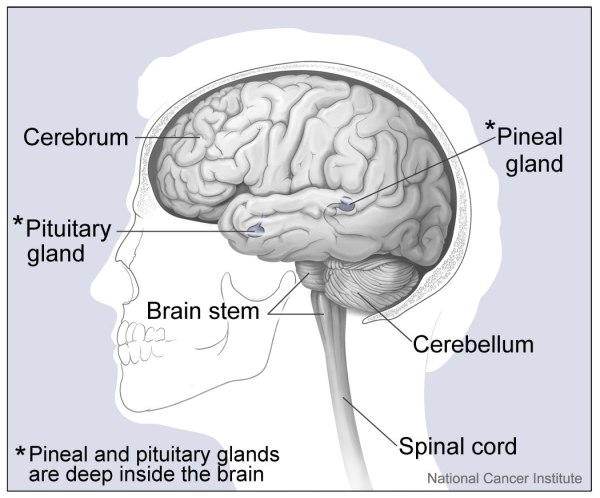
diagram of the human brain.
The major parts of the brain, including the pineal gland, cerebellum, spinal cord, brain stem, pituitary gland, and cerebrum are labeled. I photo courtesy of Source: National Cancer Institute Creator: Alan Hoofring (Illustrator)

Most people with migraine require some type of medication for relief, but non-drug treatments can supplement meds and can be helpful for prevention. Integrative treatments that work according to studies include

  • acupuncture
  • biofeedback
  • CBT-cognitive behavioral therapy
  • exercise
  • meditation
  • relaxation training
  • yoga

Fibromyalgia

I mentioned fibromyalgia in my post about back and neck pain, but  include it here  since it causes pain in other body areas.

Fibromyalgia seems to be a disorder of nerves which makes them super sensitive, leading to diffuse muscle and joint pain that can become disabling. Complementary treatments recommended include

  • Mind-body-guided imagery, hypnosis, biofeedback, mindfulness meditation , relaxation
  • Tai chi
  • Hydrotherapy, balneotherapy

Osteoarthritis of the knees (degenerative arthritis)

It is likely that arthritis in other joints responds to these therapies but there aren’t enough large studies to confirm.

  • Acupuncture,
  • tai chi
  • walking and  strengthening exercises
  • Balneotherapy-bathing in hot water mineral baths

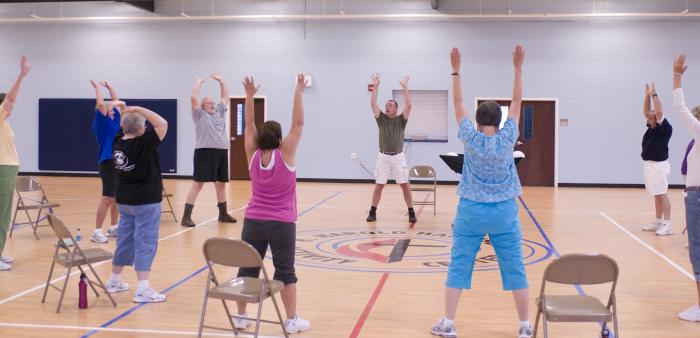
people in a gym exercising
photo courtesy Amanda Mills, CDC.gov, Public Health Image Library


Tessa Frank  discusses how she became frustrated when increasing doses of opioids didn’t relieve her chronic pain, and what she’s doing now to manage her pain.

How I’m Managing My Chronic Pain Without Opioids

“While I no longer use opioids, I do use non-opioid prescription medications and a spinal cord stimulator to provide pain relief for my CRPS, complex regional pain syndrome, a chronic, debilitating neuropathic pain condition.

I’m also hyperaware of how stress triggers my increased feelings of pain, so to mitigate stress, I personally have found relief in meditation, relaxation and yoga among other approaches.” (excerpt)


If you didn’t read it earlier, here’s a link to the previous post about treating pain, along with a brief excerpt.

Surprising effective ways to relieve back pain

“Pain in the spine results from many medical conditions, ranging from minor to life threatening. Most cases are due to routine or excessive physical activity or a minor injury causing strain of the muscles, tendons, and ligaments, and will go away with no or minimal intervention in less than 12 weeks.”


The affiliate product links in this post are for illustration and information only, and do not imply endorsement.

I am grateful when you like and share this post on social media.

Please consider helping support this blog by using my affiliates. You’ll find links in the side bars, on the home page, and on the resource page.

In a future post I will talk about  non-drug treatments for other conditions.

always exploring the HEART of health with you.

                       Dr. Aletha  WATERCRESSWORDS.COM-exploring the HEART of health